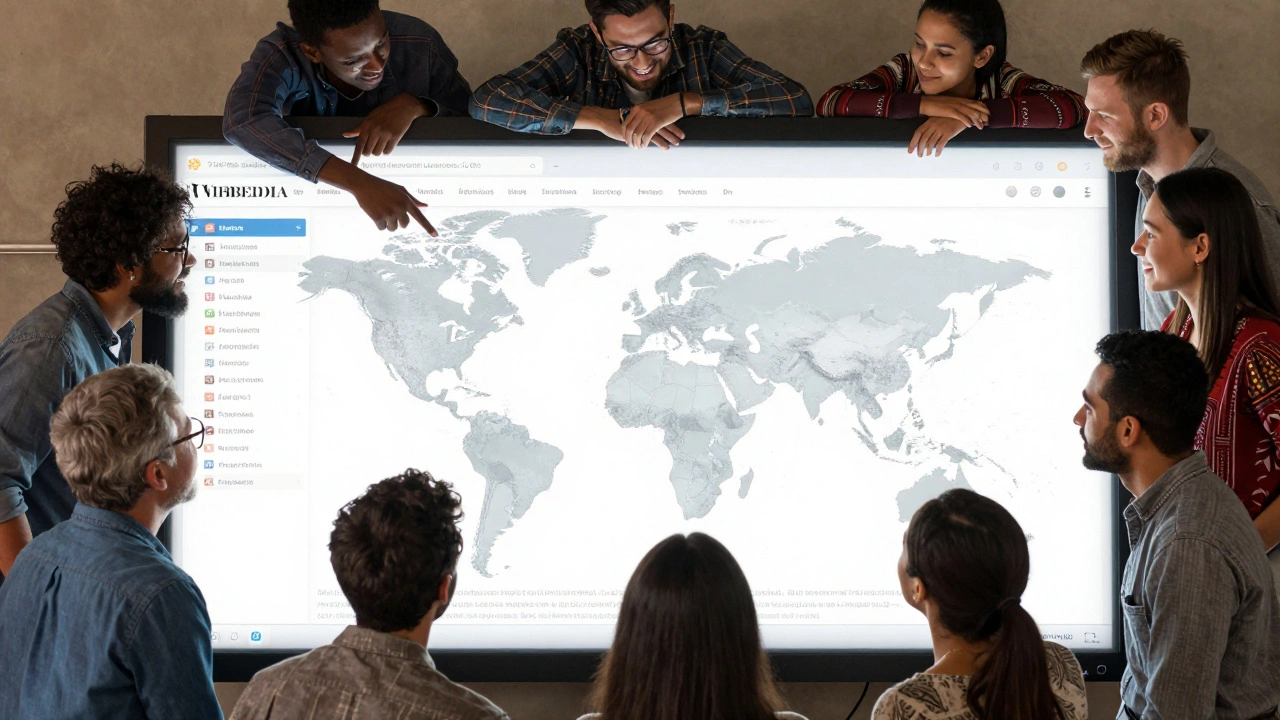
Wikipedia is the largest encyclopedia in human history. Over 60 million articles. Over 500 million people visit it every month. But here’s the problem: the people who build it don’t look like the people who use it.
Who Writes Wikipedia?
Most Wikipedia editors are men. A 2023 study by the Wikimedia Foundation found that about 85% of active editors identify as male. Around 70% are from North America and Europe. Only 10% are from Africa, Latin America, or South Asia - regions that make up over half the world’s population. This isn’t just a numbers issue. It’s a knowledge issue.
When most editors come from the same background, the content reflects that. Think about it: Why are there detailed pages on obscure European football clubs but barely any on traditional African healing practices? Why do articles on women scientists often lack citations, while men in the same field have full biographies? It’s not because one is more important. It’s because the people writing don’t know about the other.
Why Does This Matter?
Wikipedia isn’t just a website. It’s the first place students, journalists, and policymakers look for answers. If the information is skewed, the world’s understanding becomes skewed too. A 2024 analysis of 12,000 biographies showed that women are 37% less likely to have a Wikipedia page than men with similar achievements. And when they do, their pages are more likely to focus on their relationships - not their work.
It’s not just gender. It’s language. Over 300 languages have Wikipedia editions, but 90% of edits come from just 20 languages. That means knowledge from Indigenous communities, rural regions, and non-Western cultures gets left out. A farmer in rural India might search for how to treat a common crop disease. If the only available article is in English - and written by someone who’s never set foot in a South Asian field - the advice might be useless.
What’s Being Done?
Change isn’t happening by accident. It’s being built, one edit at a time.
- WikiProject Women in Red - a volunteer group that creates articles about notable women who were left out of Wikipedia. Since 2015, they’ve added over 200,000 biographies.
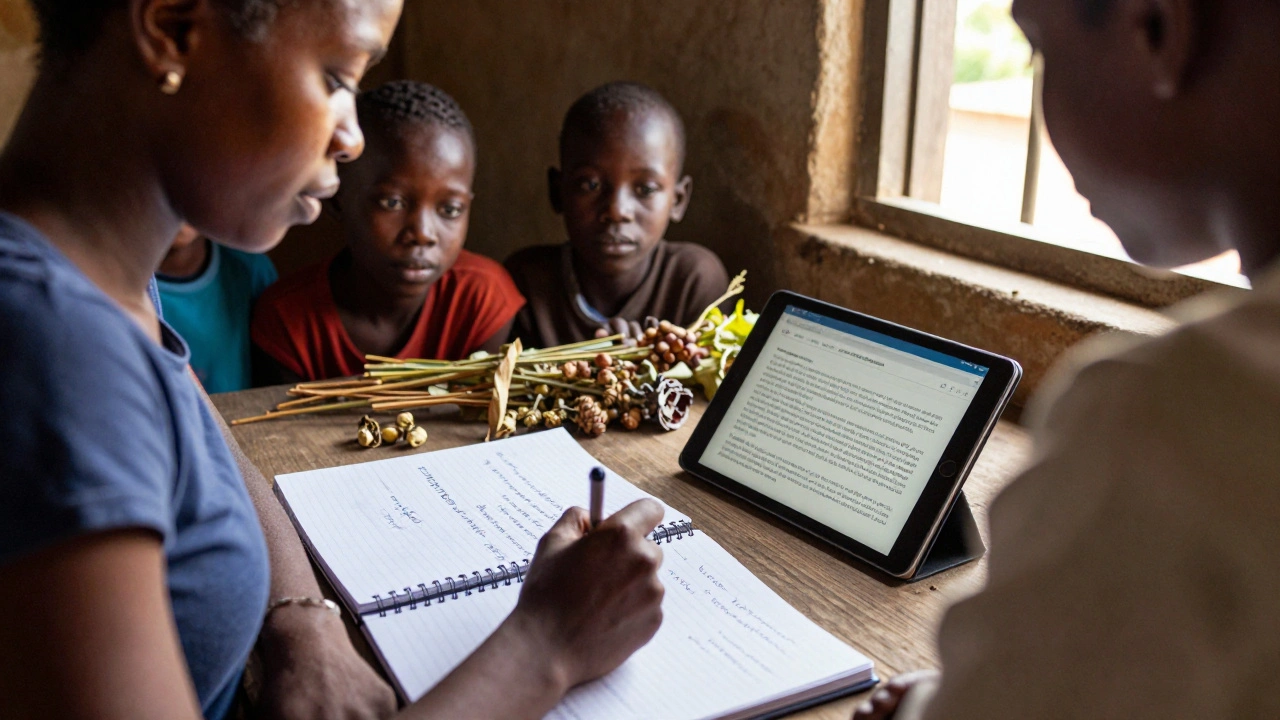
- Wikipedia Zero - now replaced by offline access programs - helped bring Wikipedia to areas with slow or expensive internet. In Nigeria and Indonesia, community groups now host edit-a-thons in local languages.
- Global South Edit-a-thons - events in places like Kenya, Colombia, and the Philippines where new editors learn how to write for Wikipedia in their own languages. These events don’t just add content. They train people to become long-term editors.
Some organizations even partner with universities. In 2025, the University of Cape Town started a course where students write Wikipedia articles on South African history. The articles are graded. And they go live. That’s real impact.
How to Make Wikipedia More Welcoming
Wikipedia’s rules aren’t the problem. The culture is.
Too often, new editors - especially women, non-binary people, and those from marginalized communities - get discouraged. They’re told their edits are "incorrect," "not notable," or "biased." Sometimes, the feedback is polite. Sometimes, it’s harsh. And sometimes, it’s personal.
Here’s what actually works to make Wikipedia feel like a place where everyone belongs:
- Start with respect. Instead of saying "This is wrong," try "Can you help me understand where you got this info?" A simple change in tone reduces drop-offs by 40%, according to a 2024 survey of new editors.
- Recognize different ways of knowing. Not all knowledge comes from academic journals. Oral histories, community records, and local newspapers matter too. Wikipedia’s notability guidelines need to adapt - not to lower standards, but to broaden them.
- Support multilingual editing. Translation tools exist, but they’re not enough. Native speakers need to be the ones writing. Encourage people to edit in their first language. That’s where the most accurate knowledge lives.
- Build community spaces. Not just talk pages. Real spaces. Discord servers, local meetups, WhatsApp groups. People stay when they feel connected. One study found that editors who joined a local group were 3x more likely to keep editing after six months.
- Highlight diverse contributors. When someone sees a Wikipedia editor who looks like them, they think: "I can do that too." Feature stories about editors from underrepresented backgrounds. Let them speak for themselves.
What You Can Do Right Now
You don’t need to be a tech expert. You don’t need to write 10,000-word essays. You just need to start.
- Find a gap. Search Wikipedia for topics related to your culture, language, or community. Chances are, something’s missing. Add it.
- Fix a citation. Found a claim with no source? Add one. Even a local news article counts.
- Be kind. When you see a new editor, reply with encouragement. Say "Thanks for adding this." It means more than you think.
- Invite someone. Tell a friend, a coworker, a student: "Come edit with me." One person can change the culture of a whole community.
The Future of Wikipedia Is Everyone’s
Wikipedia doesn’t belong to the people who edited it first. It belongs to everyone who uses it. And to make it truly useful, it needs to reflect the full range of human experience.
The goal isn’t to make Wikipedia perfect. It’s to make it complete.
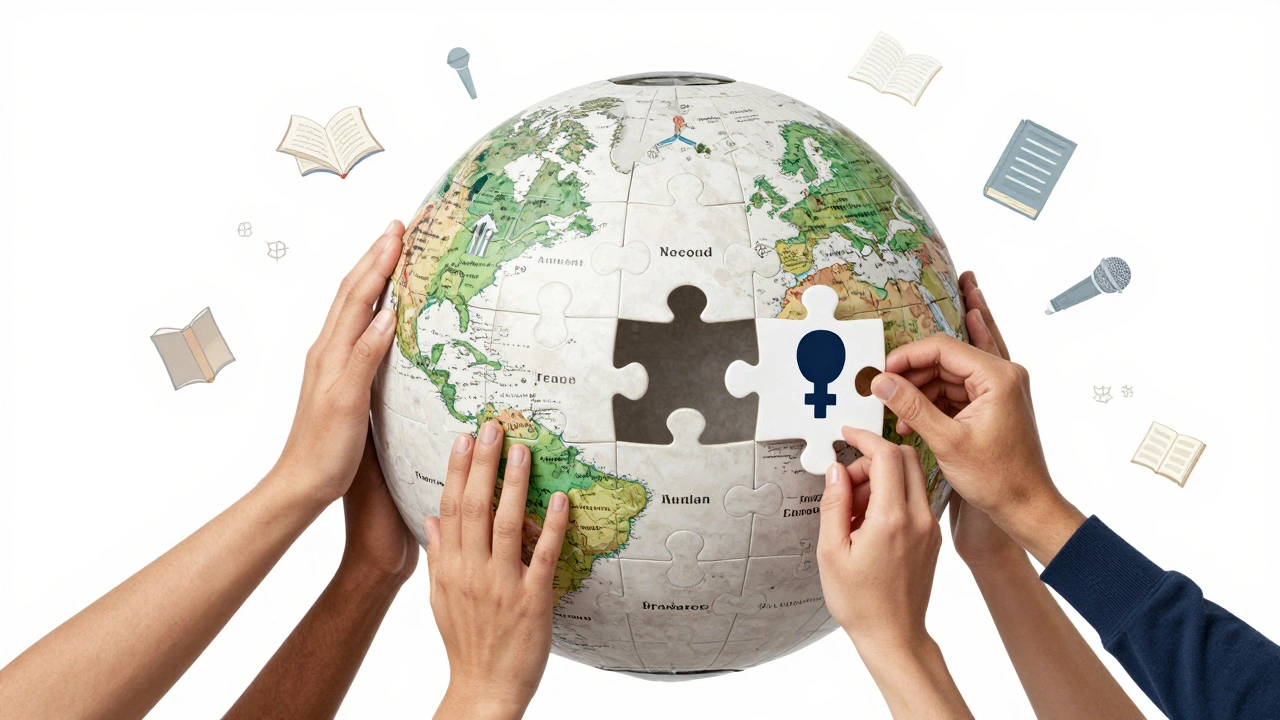
That means more editors from the Global South. More women. More Indigenous knowledge keepers. More non-binary voices. More languages. More stories.
Every edit matters. Not because it’s perfect. But because it’s real.
Why aren’t there more women editing Wikipedia?
Research shows that women often face unwelcoming behavior on Wikipedia, including harsh criticism, dismissive comments, and even harassment. The platform’s culture has historically been shaped by a small group of male editors who value technical precision over community warmth. Many women report feeling discouraged after their edits are reverted without explanation. But it’s not just about gender - it’s about access. Women in many parts of the world have less time, less internet access, and fewer role models in tech. When you combine those barriers with a hostile environment, it’s no surprise that participation is low. The solution isn’t to fix women - it’s to fix the culture.
Can editing Wikipedia really make a difference?
Absolutely. A single article can change how millions see the world. In 2021, a student in Uganda added a page on her grandmother’s traditional herbal medicine. Within a year, it was cited by health clinics across East Africa. In 2023, a group of Indigenous activists in Canada created a Wikipedia entry on their ancestral land rights - it became the most referenced source in a federal court case. Wikipedia isn’t just a record of knowledge. It’s a tool for recognition, justice, and empowerment. One edit can give a community visibility it’s been denied for generations.
Is Wikipedia biased because it’s edited by volunteers?
Yes - but not in the way most people think. Wikipedia doesn’t have corporate owners pushing agendas. Its bias comes from who’s missing. When editors are mostly from Western, English-speaking, male backgrounds, the content reflects their priorities, their language, and their assumptions. That’s not malice. It’s unconscious patterns. The same way a camera captures only what’s in its frame, Wikipedia captures only what its editors know. The fix isn’t to remove bias - it’s to expand the frame. More diverse editors mean more complete knowledge.
Do I need to be an expert to edit Wikipedia?
No. Wikipedia doesn’t require expertise - it requires sources. If you know something about your family history, your local park, or your community’s traditions, you can write about it - as long as you can point to a reliable source. A local newspaper, a community newsletter, even a book published by a university press counts. You don’t need to be a scholar. You just need to care enough to share what you know.
What if my edit gets deleted?
It happens. But deletion isn’t rejection. It’s feedback. Most edits are reverted because they lack citations, violate neutrality, or don’t meet notability standards - not because they’re wrong. If your edit gets deleted, check the edit summary. Ask for clarification on the talk page. Don’t take it personally. Many experienced editors were once beginners who got their first edits reverted. What matters is that you try again. And again. And again. Persistence builds knowledge - and community.