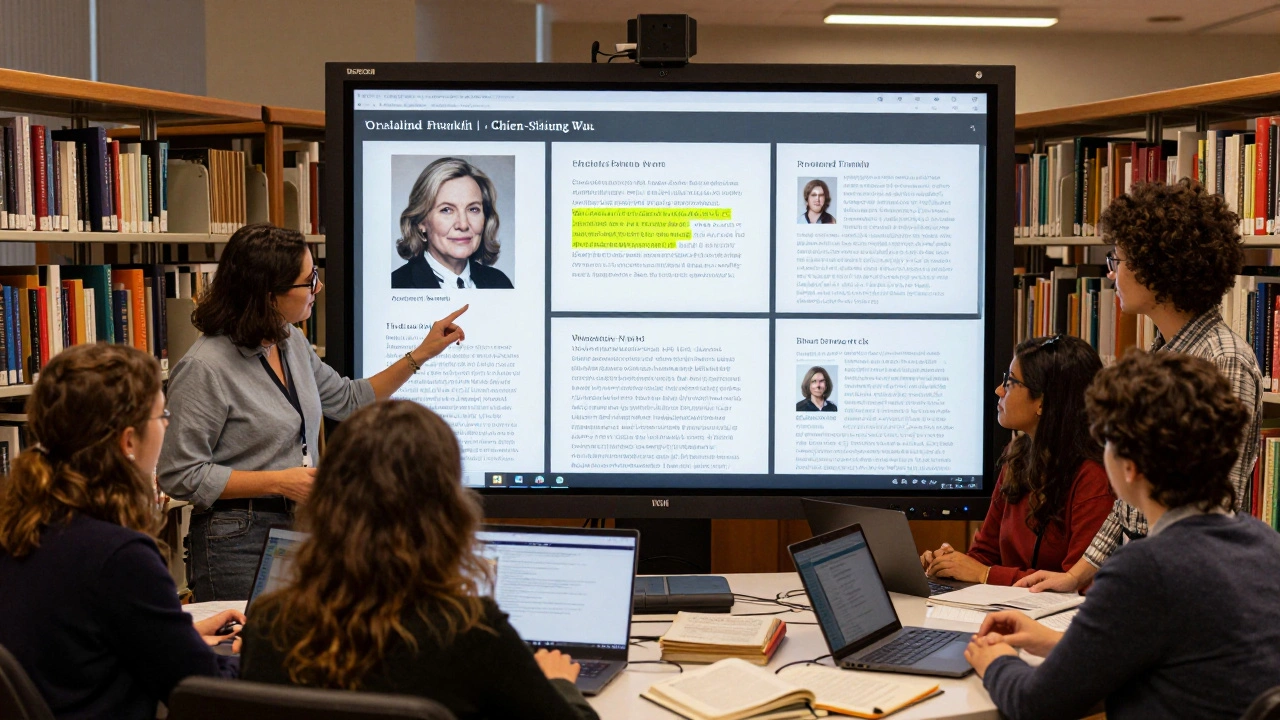
Wikipedia is the world’s go-to source for quick facts, but if you search for famous women in science, technology, engineering, and math, you’ll often find thin pages - or nothing at all. While men like Nikola Tesla or Alan Turing have detailed biographies with footnotes, references, and subsections, many groundbreaking women in STEM have barely a paragraph. This isn’t an accident. It’s a systemic gap, and WikiProjects are trying to fix it.
Why Women in STEM Are Underrepresented on Wikipedia
Wikipedia’s content reflects who edits it. About 90% of active editors are male, according to Wikimedia Foundation data from 2024. That means the stories that get told, the sources that get cited, and the achievements that get highlighted often mirror male-dominated historical narratives. Women like Rosalind Franklin, whose X-ray images were critical to discovering DNA’s structure, still struggle to get the same level of recognition as James Watson and Francis Crick.
Even when women are well-documented in academic journals, their Wikipedia pages remain sparse. Why? Because Wikipedia requires reliable sources - and many women’s contributions were never published in the same way men’s were. They worked in labs without credit, published in obscure journals, or were excluded from academic networks. Without those citable sources, editors can’t expand their pages. It’s a vicious cycle: no page → no visibility → no new sources → no expansion.
What Are WikiProjects?
WikiProjects are volunteer-led groups on Wikipedia that focus on improving content around specific topics. Think of them as specialized teams with shared goals. The WikiProject Women in STEM is one of the most active. Started in 2010, it now has over 1,200 registered members across 60 countries. Their mission? To create, expand, and improve articles about women who’ve shaped science and technology.
They don’t just write biographies. They track missing content, organize edit-a-thons, train new editors, and work with universities to release historical records under open licenses. In 2023 alone, they added over 8,000 new citations to articles about women scientists, engineers, and mathematicians. That’s not just editing - it’s historical recovery.
Examples of Gaps Being Filled
Take Chien-Shiung Wu. She led the experiment that disproved the law of conservation of parity in physics - a discovery so important it earned her male collaborator the Nobel Prize in 1957. Wu never received one. Her Wikipedia page, once just three paragraphs, now has sections on her early life in China, her work at Columbia University, her advocacy for women in science, and detailed citations from peer-reviewed journals. This wasn’t done by accident. It was the result of a 14-month campaign by WikiProject members who reached out to university archives and digitized her personal letters.
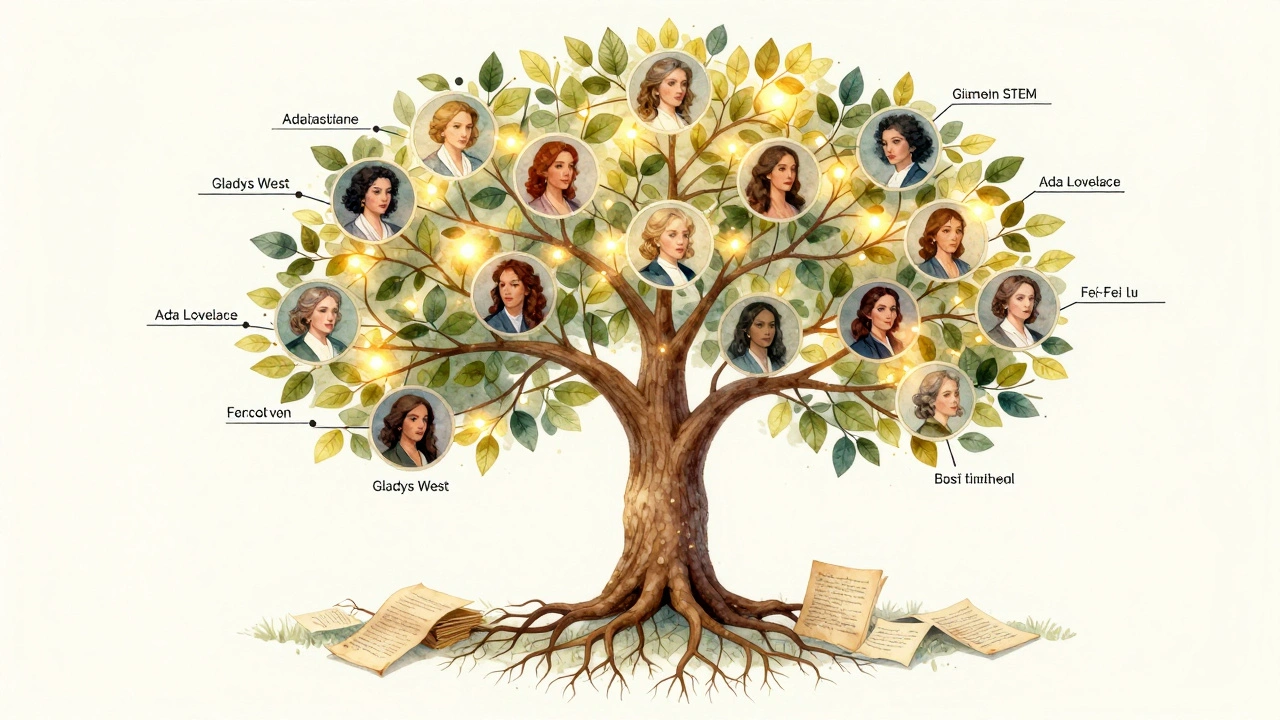
Another example is Gladys West, a mathematician whose calculations for satellite orbits laid the groundwork for GPS. Her Wikipedia page didn’t exist until 2018. Now it’s over 4,000 words long, with photos, timelines, and links to U.S. Air Force technical reports. The change came after a team of editors partnered with the National Women’s History Museum to access declassified documents.
These aren’t isolated wins. The project has added detailed pages for over 1,700 women since 2020 - from Ada Lovelace to modern AI researchers like Fei-Fei Li. Each page now includes references to books, interviews, patents, and conference proceedings that were previously ignored.
How the WikiProject Works
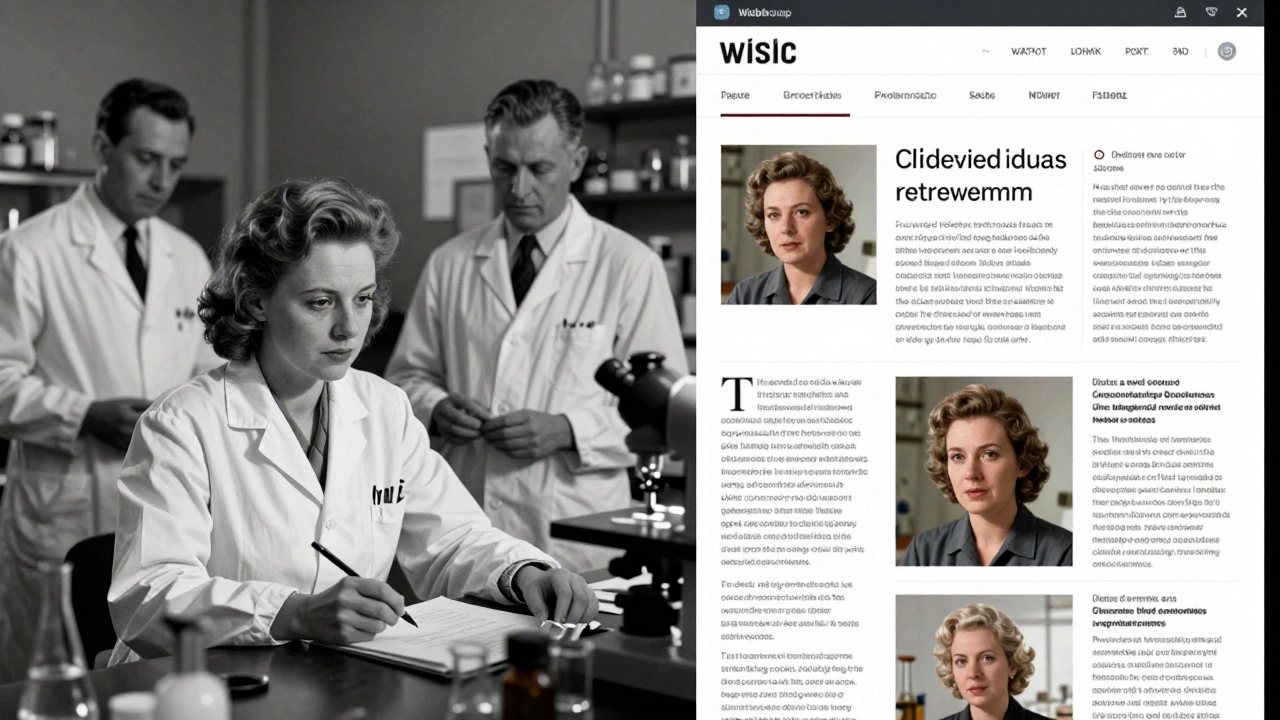
The process is methodical. First, they maintain a Red List - a living document of missing articles and underdeveloped ones. Each entry has a priority level: high, medium, or low. High-priority items are women who made major contributions but have pages under 500 words or lack citations.
Then, editors do deep research. They don’t rely on news articles or blogs. They dig into university archives, digitized lab notebooks, conference programs from the 1960s, and even obituaries in scientific journals. Many of these sources were never indexed online. The project has partnered with institutions like MIT, Caltech, and the Smithsonian to gain access.
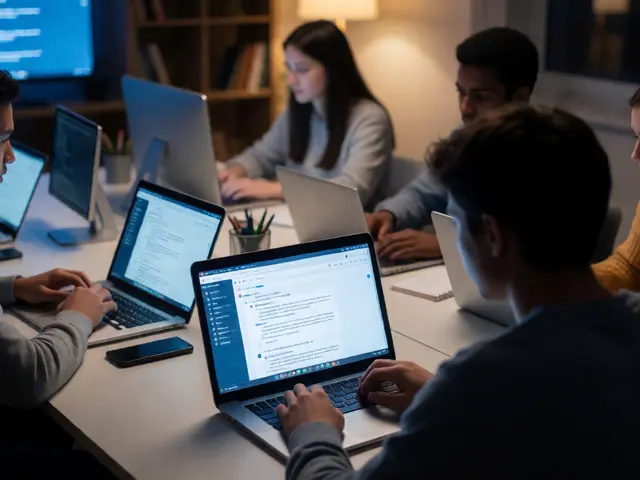
They also train editors. A typical edit-a-thon starts with a 30-minute workshop on Wikipedia’s citation rules, then moves to hands-on editing. New editors - often students or librarians - learn how to turn a footnote from a 1973 journal into a live, verifiable link. By 2025, over 5,000 people had gone through this training.
Why This Matters Beyond Wikipedia
Wikipedia isn’t just a website. It’s a primary source for school assignments, news articles, and even policy research. When students search for “female computer scientists,” and only see Grace Hopper and Margaret Hamilton, they get a distorted view of history. Filling these gaps changes how future generations understand who belongs in STEM.
Studies from Stanford and the University of Oxford show that when girls see women represented in science on Wikipedia, they’re 37% more likely to say they’d consider a STEM career. That’s not a small number. It’s a measurable shift in perception.
And it’s not just about recognition. It’s about correcting the record. For decades, women’s work was erased - not because it was unimportant, but because systems didn’t value it. WikiProjects are rewriting that story, one citation at a time.
How You Can Help
You don’t need to be a scientist or a historian to help. If you can read and verify sources, you can contribute. Start by visiting the WikiProject Women in STEM page. Check the Red List. Pick an article with a “low” or “medium” priority. Add a citation. Fix a broken link. Translate a section into another language. Even small edits matter.
Librarians, archivists, and educators are especially valuable. If you have access to university databases, digitized records, or oral histories - share them. The project welcomes contributions from anyone who can help verify facts or provide new sources.
And if you’re a student? Use this as a research project. Find a woman scientist from your country or field. Write her story. Submit it to Wikipedia. You’re not just editing a page - you’re preserving history.
What’s Next?
The project is expanding. In 2025, they launched a collaboration with AI tools to help identify articles that need improvement. An algorithm scans for missing citations, gendered language, and underdeveloped sections - then flags them for human editors. It’s not replacing people - it’s helping them work faster.
They’re also pushing for institutional change. Several universities now require students in history and science programs to contribute to Wikipedia as part of their coursework. That’s a game-changer. It turns passive learning into active preservation.
The goal isn’t perfection. It’s balance. A world where every woman who changed science has a page as rich as her impact. One that future generations can read, cite, and build on.