Think about the last time you looked up a famous scientist, a political leader, or a pioneer in art. Chances are, you found a detailed page for a man, but a stub or a completely missing entry for a woman who did the exact same work. This isn't an accident; it's a systemic gap in how we document human history. Women in Red is a dedicated community effort within the Wikimedia ecosystem aimed at reducing this gender imbalance by creating and improving biographies of women. By focusing on "red links"-the Wikipedia term for pages that don't exist yet-this project turns the abstract goal of equality into a concrete list of tasks.
Key Takeaways for Contributors
- The 2025 schedule focuses on intersecting identities, including women of color and LGBTQ+ pioneers.
- Events range from global virtual edit-a-thons to localized physical workshops.
- The primary goal is to convert red links into high-quality, sourced biographies.
- New editors are encouraged through structured "onboarding" sprints.
The 2025 Roadmap: Strategic Focus Areas
The 2025 event schedule isn't just a calendar of dates; it's a strategic map. The project has shifted from general biography creation to a more nuanced approach. One of the biggest hurdles in the Wikipedia ecosystem is "notability." Many women are omitted because the criteria for what makes someone "notable" were historically written by men, often overlooking leadership in community organizing or domestic spheres of influence.
Throughout 2025, the schedule prioritizes thematic clusters. For example, March is dedicated to International Women's Day, but the focus has expanded to include "Forgotten Innovators in STEM." July's events target the "Global South," specifically aiming to increase the number of biographies for women from Africa and Southeast Asia. This prevents the project from becoming too Western-centric and ensures that the knowledge graph reflects a truly global history.
How Edit-a-thons Work in 2025
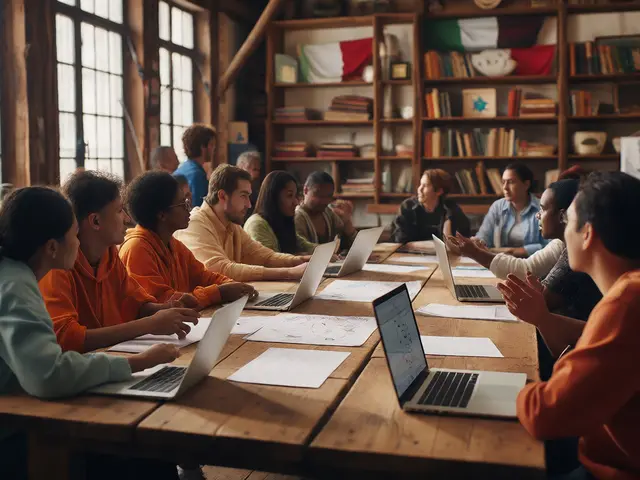
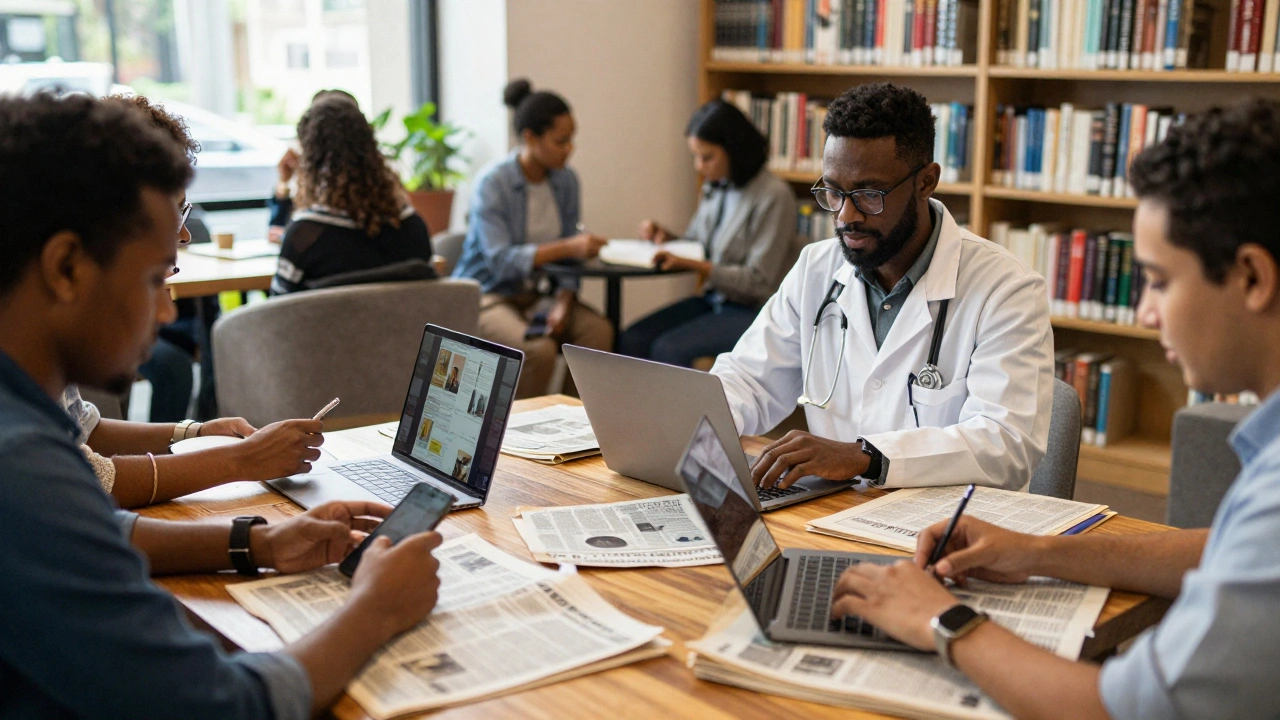
An edit-a-thon is a curated event where people gather to edit Wikipedia articles over a set period . In 2025, these have evolved into three distinct formats to accommodate different types of contributors.
First, there are the "Deep Dive" sprints. These are for experienced editors who take one complex red link and spend a weekend hunting for primary sources, such as university archives or old newspapers. Second, "Lightning Rounds" are designed for beginners. These events focus on moving a page from "non-existent" to "stub"-basically creating a basic framework with a few verified facts and a few reliable sources.
Third, the project has introduced "Source-a-thons." Instead of writing the article, participants spend their time finding and listing high-quality references for existing red links. This creates a "kit" that a more experienced writer can use later. This division of labor has significantly increased the speed at which the 2025 goals are being met.
| Event Type | Primary Goal | Ideal For | Success Metric |
|---|---|---|---|
| Deep Dive | High-quality B-class articles | Experienced Editors | Word count & Source depth |
| Lightning Round | Creating stubs from red links | Newcomers | Number of new pages |
| Source-a-thon | Gathering reliable references | Researchers/Students | Number of verified links |
Overcoming the Notability Barrier
One of the most frustrating parts of editing is having a page deleted because it doesn't meet Notability guidelines. To combat this, the 2025 schedule includes monthly "Guideline Workshops." These sessions teach editors how to frame a woman's achievements in a way that satisfies the strict requirements of the Wikimedia Foundation.
For instance, a woman might have been the primary driver of a social movement but never held an official title. The project teaches editors how to use secondary sources-like news reports or academic papers-to prove her influence. By standardizing this approach, the project reduces the number of deletions and increases the survival rate of new biographies. It's about changing the narrative of what "importance" looks like in an encyclopedia.
The Role of Technology in Closing the Gap
The community isn't just writing; they're using tools to find the gaps. HotCat and other automated tools help editors quickly manage categories, but the real magic happens with custom scripts. The project uses lists generated by data analysis to find "clusters" of red links. If a page about a 19th-century women's college has ten red links to its alumni, that becomes a priority target for an event.
Additionally, the shift toward mobile editing has opened the doors for more diverse contributors. By simplifying the editing interface, more people from different time zones and socio-economic backgrounds can contribute small updates. A person in Nairobi can now add a single verified fact to a biography while on their commute, which, when multiplied by thousands of editors, creates massive growth.
Common Pitfalls for New Contributors
If you're jumping into the 2025 schedule for the first time, avoid the "original research" trap. A common mistake is writing a biography based on personal knowledge or family stories. While these are valuable, Wikipedia requires independent, third-party verification. If you know a woman is amazing but can't find a newspaper or book that says so, the page will likely be flagged.
Another issue is "biography bloat." Some editors try to write a full life story in one go. The 2025 strategy encourages a "modular" approach: start with a clear lead section and a few key dates. Let the community build upon it over time. This prevents burnout and makes the process less intimidating for everyone involved.
What is a "red link" in the context of Women in Red?
A red link is a hyperlink to a page that does not yet exist on Wikipedia. For this project, these links represent women who deserve an entry but have been overlooked, serving as a "to-do list" for editors.
Do I need to be an expert writer to join an edit-a-thon?
No. The 2025 schedule specifically includes "Lightning Rounds" and "Source-a-thons" designed for people with no prior editing experience. Mentors are usually available during these events to help with the technical side of formatting.
How does the project ensure the information is accurate?
Every claim must be backed by a reliable source. The community uses a peer-review process where other editors check the citations. If a source is deemed unreliable, the information is removed or requested to be replaced.
Can I suggest a woman who should have a page?
Yes. You can add a red link to an existing related page or suggest a name on the project's community talk pages. The 2025 goal is to diversify the pipeline of candidates for new biographies.
Is this project only about biographies?
While biographies are the core, the project also improves articles on women's history, feminist movements, and gender-specific scientific contributions to provide a full context for the individuals listed.
Next Steps for Getting Involved
If you're ready to help close the gender gap, start by looking at the current month's theme in the 2025 schedule. If you're a researcher, join a Source-a-thon to help build the foundation of a page. If you're a writer, look for a red link in a field you're passionate about-whether it's 1920s jazz or modern robotics.
For those who find the technical side daunting, the best move is to attend a virtual onboarding session. These sessions walk you through the "Wiki markup" and the community's code of conduct, ensuring you feel comfortable before you hit the "publish" button. The goal isn't perfection on the first try; it's about making sure these women are no longer invisible in the digital record.