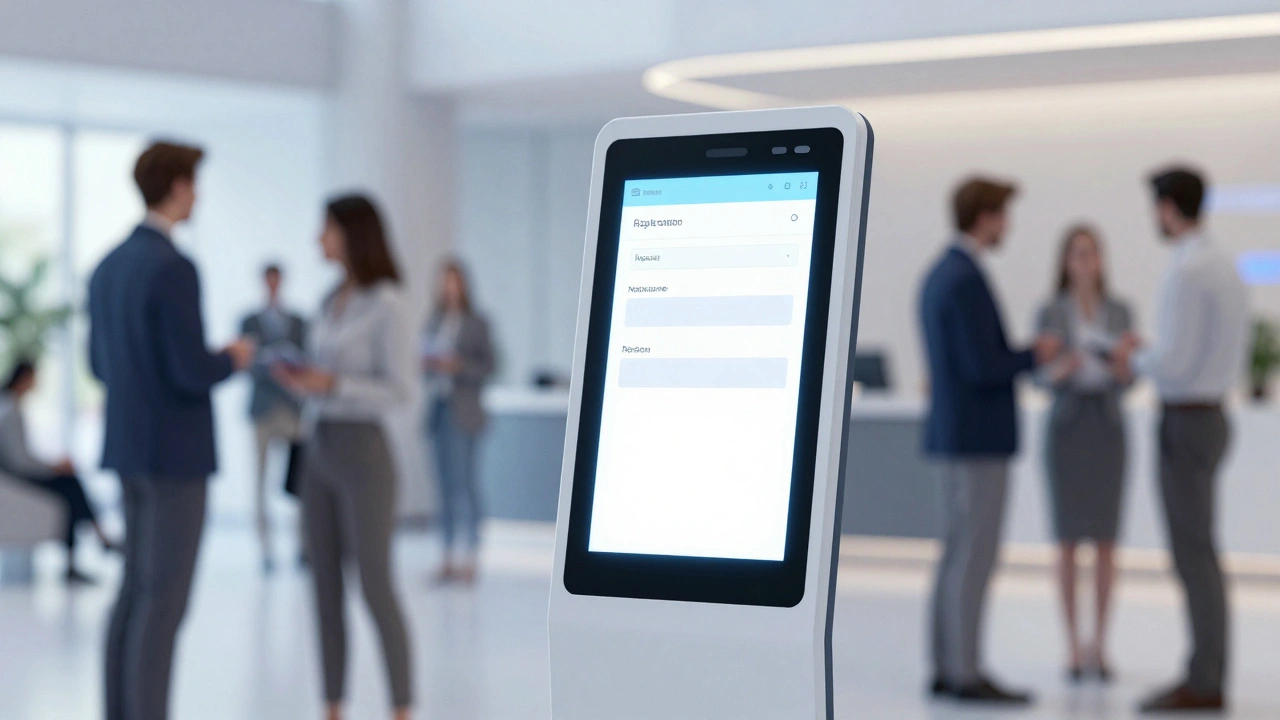
Imagine spending months organizing a high-profile academic conference. You have hundreds of attendees, dozens of sessions, and a mountain of data to track. Now imagine if you could automate the tedious part-registering every participant and logging their contributions directly into a global knowledge base. That is exactly what the Wikipedia Event Registration System is a specialized tool designed to help organizers manage participant lists and integrate event data with Wikimedia projects. It’s not just a sign-up sheet; it’s a bridge between real-world gatherings and digital knowledge.
If you are an organizer looking to streamline your workflow, this guide will walk you through how to set up your event, register participants, and leverage these tools to boost engagement. We will skip the fluff and get straight into the mechanics of using these systems effectively.
Understanding the Core Tools for Event Management
Before you start registering people, you need to understand the landscape. The "Event Registration System" isn't a single button on Wikipedia’s homepage. It is usually a combination of dedicated platforms and integrated tools provided by the Wikimedia Foundation and its partners. The most prominent platform here is WikiCite, which is a service that helps researchers and librarians connect academic citations to Wikipedia articles. While primarily focused on citations, WikiCite often serves as the backend for many academic events where the goal is to improve article quality.
Another key component is Wikidata, which is a free, open knowledge base developed by the Wikimedia community. For large conferences, Wikidata acts as the central hub for storing structured data about speakers, institutions, and topics. When you use an event registration system linked to Wikimedia, you are often feeding data into Wikidata first, which then populates Wikipedia articles automatically.
Why does this matter? Traditional registration systems like Eventbrite or Cvent give you a spreadsheet. They don’t give you impact metrics. By using a Wikimedia-integrated system, you turn passive attendance into active contribution. Every registered user becomes a potential editor, and every session can result in updated, verifiable content.
Step-by-Step: Setting Up Your Event Profile
Setting up your event requires precision. You aren’t just creating a landing page; you are defining a dataset. Here is how to do it right.
- Choose Your Platform: Most academic and library-based events use the WikiCite dashboard or a custom MediaWiki extension called EventDashboard, which is a tool that tracks participation and edits during specific time-bound events. If you are running a hackathon or edit-a-thon, look for tools hosted on
wikimedia.github.ioor similar repositories. - Define the Scope: Clearly state whether the event is for editing Wikipedia, adding citations via WikiCite, or enriching Wikidata. This distinction determines which registration fields you need. For example, citation events require ORCID IDs, while general editing events only need usernames.
- Create the Landing Page: Build a clear, mobile-friendly landing page. Include a direct link to the registration form. Ensure the form captures essential data: name, email, affiliation, and preferred role (speaker, attendee, volunteer).
- Link to Wikimedia Projects: If possible, embed live widgets from Wikidata or Wikipedia showing relevant articles. This gives registrants immediate context and encourages them to browse before they even arrive.
A common mistake is overcomplicating the form. Keep it simple. Ask for only what you need to process registrations and send follow-ups. Extra fields reduce completion rates.

Managing Participant Registrations Efficiently
Once your setup is live, registrations will start pouring in. How you handle this influx makes or breaks the experience. Manual entry into spreadsheets is error-prone and slow. Instead, use automated workflows.
Many modern systems allow you to export data in CSV format instantly. However, the real power lies in integration. Some advanced setups sync registration data directly with MediaWiki, which is the free and open-source wiki software that powers Wikipedia. This means when someone registers, their account can be pre-created or flagged for welcome messages.
Here are best practices for managing the list:
- Automate Confirmations: Set up auto-responder emails that include next steps, such as "Create your Wikipedia account" or "Review the code of conduct."
- Segment Attendees: Tag users based on their expertise level. Beginners need tutorials; experts need advanced tasks. Segmentation allows you to send targeted reminders.
- Monitor Real-Time Stats: Use dashboards that show registration numbers against capacity. If you’re nearing limits, trigger waitlist notifications automatically.
Remember, transparency builds trust. Let registrants know how their data will be used. Will it be shared with sponsors? Will it remain private? Clear privacy policies increase conversion rates.
Leveraging Data for Post-Event Impact
The work doesn’t end when the event concludes. In fact, the most valuable phase begins now. You have a database of engaged individuals who showed interest in knowledge creation. How do you capitalize on that?
First, analyze the data. Look at patterns. Which sessions had the highest registration? What affiliations were most common? This information helps you refine future events. Second, measure impact. If your event was tied to Wikipedia or Wikidata, pull reports on edits made, citations added, and articles improved. Tools like Open Research Knowledge Graph, which is a visualization tool that maps connections between research papers and Wikipedia articles, can help illustrate this impact visually.
Share these results with your participants. Send a summary email highlighting collective achievements. "Together, we added 500 new citations and improved 30 articles." This reinforces the value of their participation and encourages them to return.
| Feature | Traditional Systems (e.g., Eventbrite) | Wikimedia-Integrated Systems |
|---|---|---|
| Data Output | Basic attendee lists | Structured data for Wikidata/Wikipedia |
| Impact Tracking | Limited to attendance numbers | Tracks edits, citations, and content improvements |
| User Engagement | Passive registration | Active contribution opportunities |
| Cost | Subscription fees per event | Often free or low-cost for non-profits |

Troubleshooting Common Issues
Even with the best planning, things can go wrong. Here are some frequent hurdles and how to overcome them.
Issue: Low Registration Rates. Sometimes, despite great promotion, sign-ups lag. Check your landing page clarity. Is the call-to-action obvious? Are there too many steps? Simplify the process. Also, consider partnering with local libraries or universities to reach wider audiences.
Issue: Technical Glitches During Peak Times. High traffic can crash servers. Use cloud-based solutions that scale automatically. Test your system under load before the launch date. Have a backup offline registration method ready just in case.
Issue: Data Privacy Concerns. Users may hesitate to share personal info. Be transparent about GDPR compliance. Offer anonymous registration options where feasible. Reassure them that data is secure and used solely for event purposes.
Issue: Disconnect Between Registration and Activity. People register but don’t participate. Bridge this gap with pre-event challenges. Ask them to create accounts early. Provide tutorial links. Make the barrier to entry as low as possible.
Future Trends in Event Organization
The world of event management is evolving rapidly. Artificial intelligence is starting to play a bigger role. Imagine AI assistants that suggest personalized tasks for each attendee based on their background. Or predictive analytics that forecast attendance trends weeks in advance.
Blockchain technology might also enter the scene, offering immutable records of contributions. This could be particularly useful for academic events where proof of participation matters for grants or promotions.
Regardless of the tech, the core principle remains: human connection. Tools should enhance, not replace, interaction. Focus on building communities around shared goals. Whether it’s improving Wikipedia or advancing scientific discourse, the sense of belonging drives long-term success.
Is the Wikipedia Event Registration System free to use?
Yes, most tools associated with Wikimedia projects, including those built on MediaWiki or integrated with WikiCite, are free and open-source. However, hosting costs or third-party plugins might incur minor expenses depending on your scale.
Can I use this system for non-academic events?
Absolutely. While initially popular in academia, these systems work well for any event aiming to contribute to public knowledge. Community workshops, cultural festivals, and citizen science projects all benefit from structured data collection.
How do I ensure data privacy compliance?
Always include a clear privacy policy explaining data usage. Comply with regulations like GDPR by allowing users to opt out and delete their data. Avoid collecting unnecessary personal information beyond what’s needed for registration.
What happens if my event exceeds expected capacity?
Set up automatic waitlists in your registration system. Notify waiting participants regularly about openings. Consider virtual alternatives if physical space is limited, ensuring everyone can still engage meaningfully.
Are there training resources available for organizers?
Yes, the Wikimedia Foundation offers extensive documentation and tutorials. Additionally, many experienced organizers share guides on platforms like Wikimedia Commons and GitHub. Joining online forums can provide peer support and practical tips.