Why Wikipedia Editing Is the Ultimate Digital Literacy Gym
We often treat Wikipedia as a static reference tool. You open it, read an article, and close the tab. But what if you flipped that script? What if editing the free online encyclopedia became your primary training ground for digital literacy? In 2026, with AI-generated content flooding the web and deepfakes becoming harder to spot, knowing how to verify, cite, and collaboratively edit information isn't just a hobby-it's a survival skill.
Digital literacy isn't just about using a smartphone or logging into social media. It’s about understanding how information is constructed, who controls the narrative, and how to distinguish fact from fiction. When you learn to edit Wikipedia, you don’t just consume knowledge; you participate in its creation. This shift from passive reader to active contributor builds a robust mental framework for evaluating all digital content.
| Skill Developed | How Wikipedia Teaches It | Real-World Application |
|---|---|---|
| Critical Thinking | Evaluating source reliability for citations | Spotting misinformation on social media |
| Information Verification | Checking facts against primary sources | Verifying news stories before sharing |
| Collaborative Communication | Navigating talk pages and consensus building | Professional remote teamwork |
| Technical Proficiency | Learning Wiki markup and version history | Understanding CMS and code basics |
The Myth of the "Neutral" Encyclopedia
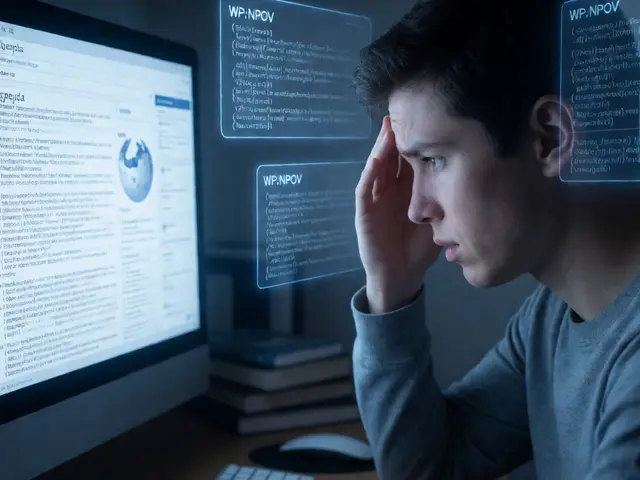
Many people assume Wikipedia is objective because it claims to maintain a neutral point of view (NPOV). However, neutrality doesn't mean truth; it means balance. To understand this distinction, you have to look under the hood. Every sentence on Wikipedia should be backed by a reliable source. If you want to add a claim, you must provide a citation. This requirement forces you to engage with academic publishing, journalistic standards, and primary data.
When you start editing, you quickly realize that "facts" are often contested. One editor adds a statistic from a government report; another reverts it, citing a peer-reviewed study that contradicts the number. You’re pulled into the discussion. You read the debate on the talk page. You evaluate which source has higher credibility. This process mirrors exactly what you need to do when scrolling through Twitter or Facebook feeds. Who is the original source? Is it biased? Is it verifiable?
This hands-on experience with information bias is invaluable. You stop trusting headlines and start checking footnotes. You develop a skepticism that isn't cynical but analytical. You learn that every piece of digital content has a provenance, and tracing that provenance is the core of digital literacy.
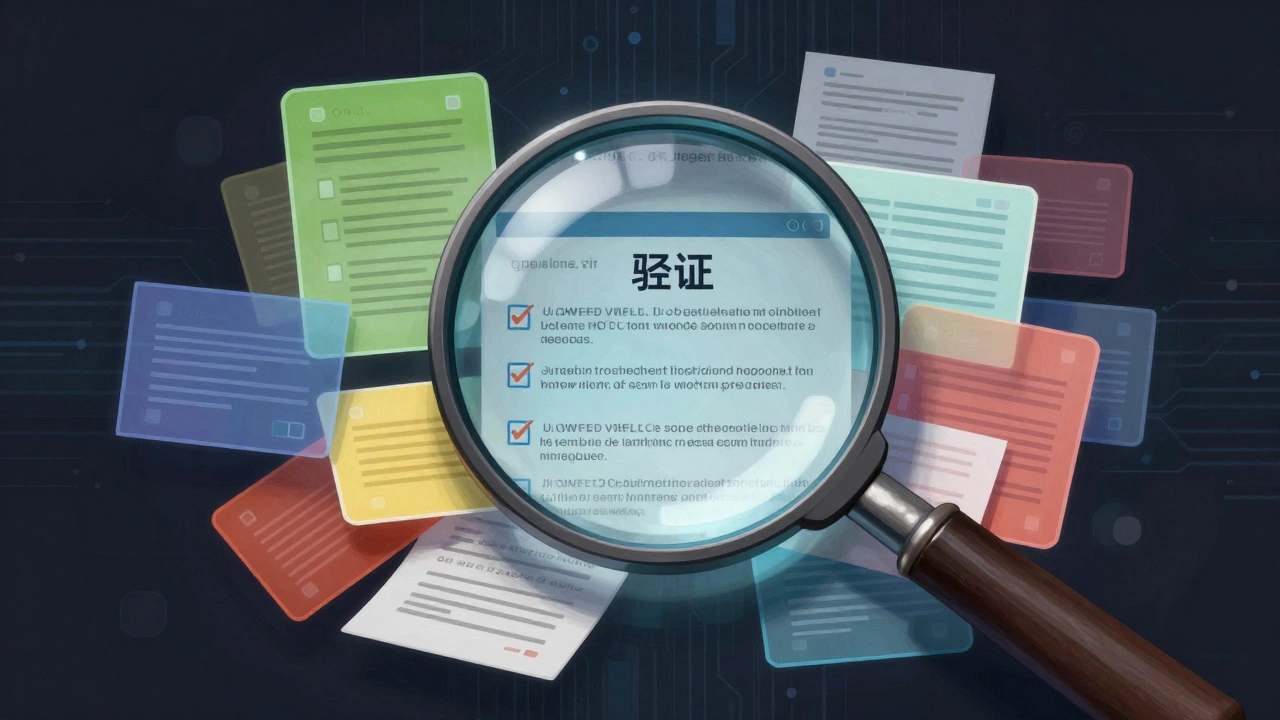
Mastering the Art of Citation
In the age of generative AI, hallucinations-where AI makes up plausible-sounding facts-are common. Wikipedia editors have been fighting a similar battle for decades: unreferenced claims. The platform’s strict adherence to verifiability teaches you to never accept a statement at face value.
Here’s how the citation process sharpens your skills:
- Source Hierarchy: You learn to distinguish between a blog post, a mainstream news outlet, and a peer-reviewed journal. Not all sources are created equal. A tweet from a celebrity is not a reliable source for biographical facts. A .gov website is.
- Contextual Integrity: You discover how easy it is to take quotes out of context. Editors will revert changes that misrepresent a source. You learn to read the full document, not just the abstract.
- Dead Links: You encounter broken links regularly. This teaches you the fragility of the web. Just because something was true five years ago doesn't mean it's still accessible or accurate today. You learn to archive sources and check for updates.
These habits transfer directly to your personal life. When you see a viral health tip, you instinctively ask, "Where is the primary study?" When you read a political opinion piece, you check if the data supports the conclusion. You become a detective of information, not a sponge.
Navigating Conflict and Consensus
Wikipedia is not a democracy; it’s a meritocracy of references. Decisions aren’t made by voting but by reaching consensus based on evidence. This model teaches a crucial aspect of digital citizenship: how to disagree without being destructive.
Imagine you’re editing an article about a controversial historical figure. You want to highlight their achievements. Another editor wants to emphasize their controversies. Instead of shouting matches, you both bring sources. You discuss the weight of each source. You compromise on wording that reflects the majority of reliable views. This is collaborative negotiation in action.
In professional settings, this skill is gold. Remote teams often struggle with communication gaps. Learning to communicate clearly, cite your reasoning, and respect differing viewpoints on Wikipedia prepares you for modern workplace dynamics. You learn that being "right" isn't enough; you need to be persuasive and evidence-based.
Moreover, you encounter edit wars-rapid back-and-forth reversals of changes. Watching these unfold teaches you patience and the importance of process. You learn to step back, review guidelines, and seek mediation from experienced editors. This humility is rare in online interactions but essential for healthy digital participation.
Technical Skills Beyond the Surface
While you can use the visual editor, diving into Wiki markup offers technical benefits. You learn a lightweight markup language similar to HTML. You understand how links work, how tables are structured, and how templates function. This demystifies the underlying structure of websites.
Consider the revision history. Every change is logged. You can see who changed what, when, and why. This transparency is a powerful lesson in accountability. In a world where social media posts can be deleted or edited without trace, Wikipedia’s immutable record shows the value of permanent records. It teaches you to think carefully before you publish, knowing your actions leave a trail.
You also gain exposure to bots and automated scripts. Many maintenance tasks are handled by bots that fix typos or update categories. Understanding automation helps you appreciate the role of software in managing large-scale information systems. This awareness bridges the gap between human content creation and algorithmic curation.
From Consumer to Creator: The Mindset Shift
The most profound impact of editing Wikipedia is the shift in identity. You stop seeing yourself as a passive consumer of information and start seeing yourself as a steward of knowledge. This mindset change affects how you interact with all digital platforms.
When you contribute to a global project, you feel a sense of responsibility. You care about accuracy. You want to fill gaps, especially in underrepresented topics. This leads to knowledge equity-the idea that everyone deserves access to accurate information. You might find yourself researching local history, scientific breakthroughs, or cultural figures that lack coverage.
This proactive approach to learning is contagious. You start seeking out primary sources in other areas of life. You question default narratives. You become more curious and less complacent. Digital literacy, therefore, becomes not just a set of skills but a way of engaging with the world.
Practical Steps to Start Your Journey
If you want to build these skills, here’s how to begin:
- Create an Account: Anonymity is fine for reading, but editing requires accountability. Create a username that reflects your interest.
- Start Small: Don’t try to rewrite an entire biography. Fix typos, add missing dates, or improve formatting. These small edits teach you the mechanics without overwhelming you.
- Read the Manual of Style: Familiarize yourself with the basic rules. Understanding tone, structure, and citation formats is key to successful contributions.
- Join a Community: Look for WikiProjects related to your interests. These are groups of editors dedicated to specific topics. They offer guidance and feedback.
- Embrace Feedback: If someone reverts your edit, don’t get angry. Check the talk page. Learn from their critique. This is part of the learning process.
Remember, the goal isn’t perfection; it’s improvement. Every edit, no matter how small, contributes to the collective knowledge base. And in doing so, it strengthens your own ability to navigate the complex digital landscape.
The Future of Information Literacy
As we move further into 2026, the volume of digital content continues to explode. AI tools can generate essays, images, and videos in seconds. Distinguishing human-created content from machine-generated content will become increasingly difficult. In this environment, the skills honed on Wikipedia-verification, sourcing, and critical evaluation-are more relevant than ever.
Wikipedia remains one of the few large-scale projects that prioritizes human oversight and community governance over algorithmic efficiency. By participating in it, you align yourself with a model of transparency and accountability. You build a defense against misinformation that is rooted in practice, not just theory.
So, the next time you stumble upon an error in an article, don’t just scroll past. Click "Edit." Engage with the source. Join the conversation. In doing so, you’re not just fixing a typo; you’re building the digital literacy skills that will empower you for years to come.
Is it safe to create a Wikipedia account?
Yes, creating a Wikipedia account is safe. It requires only a username and email address. Your IP address is logged, but your personal details remain private unless you choose to disclose them. Using an account protects you from IP blocks and allows you to build a reputation within the community.
Do I need to be an expert to edit Wikipedia?
No, you don't need to be an expert. You need to be able to find and cite reliable sources. Experts often lack time to edit, while enthusiasts with good research skills make valuable contributions. Focus on adding verifiable facts rather than original analysis.
What happens if my edit is reverted?
Reverts are common and usually constructive. Check the edit summary or the talk page for explanations. If you believe your edit was correct, politely discuss it with the other editor. Provide additional sources if needed. Never engage in edit wars; seek consensus instead.
Can I edit Wikipedia on mobile devices?
Yes, Wikipedia has official apps for iOS and Android that allow easy editing. The interface is simplified for touch screens, making it convenient to fix errors or add content while on the go. Visual editing features make markup less intimidating for beginners.
How does Wikipedia handle bias?
Wikipedia aims for a Neutral Point of View (NPOV). This means representing all significant viewpoints fairly, without endorsing any one side. Bias is addressed through community review, talk page discussions, and reliance on high-quality, diverse sources. Editors actively work to identify and remove promotional or biased language.