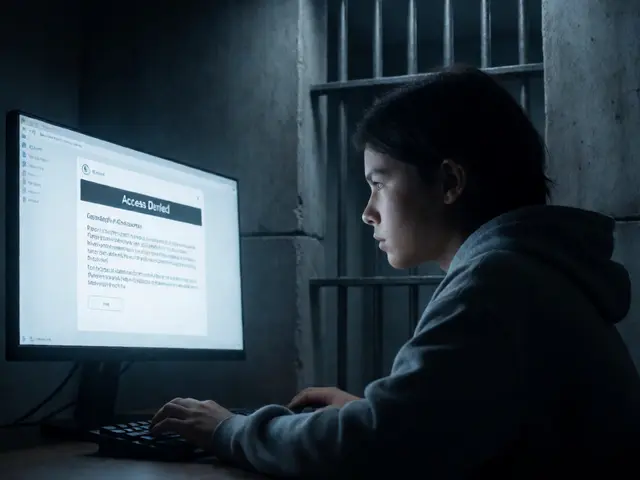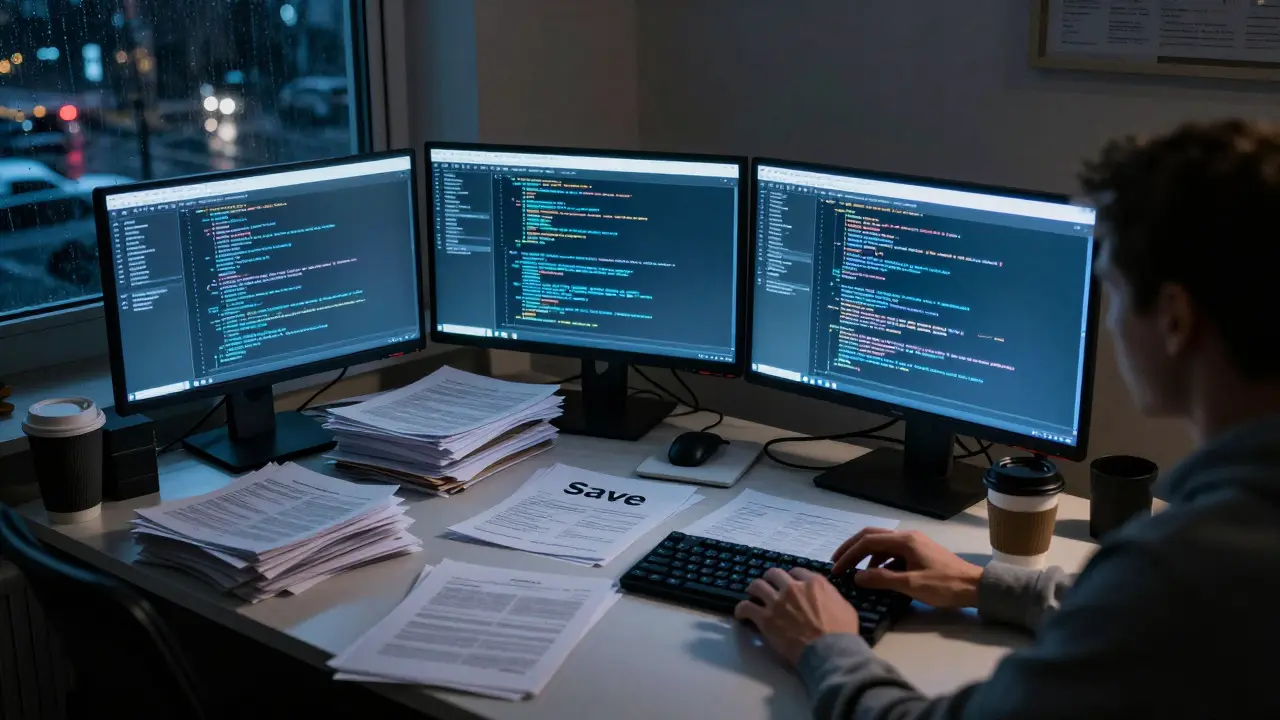
Most people think of Wikinews as a quirky experiment in collaborative writing. But for a brief period, it was a lightning rod for breaking stories that mainstream outlets missed or ignored. We’re looking at specific cases where volunteer reporters filed scoops that changed the narrative, only to face backlash, correction, or total obscurity. This isn’t just about nostalgia; it’s an analysis of how open-source journalism handles high-stakes information without the safety net of an editorial board.
The core tension here is speed versus accuracy. Traditional newsrooms have editors who check facts before hitting publish. On Wikinews, anyone with an account can hit save. When that works, you get instant global coverage. When it fails, you get a public relations disaster that takes weeks to clean up. Let’s look at three distinct scenarios that highlight this dynamic.
The Speed Trap: The 2013 Syrian Conflict Updates
In late 2013, during a particularly intense phase of the Syrian Civil War, Wikinews editors were racing against time. Satellite imagery and local reports were coming in faster than any major network could process them. A cluster of articles published within a 48-hour window claimed significant shifts in territorial control based on unverified social media posts from ground-level activists.
For two days, these articles stood as the primary source of truth for several smaller international blogs that mirrored Wikinews content. Then, the official state media released a statement contradicting the claims, and independent verification groups confirmed the initial reports were exaggerated. The aftermath wasn’t a simple retraction. It was a chaotic scramble to add caveats, edit leads, and discuss reliability on talk pages. The lesson here? Open journalism relies heavily on community consensus, which can be slow when the ground truth is shifting rapidly.
- The Error: Publishing speculative military movements as confirmed fact.
- The Consequence: Loss of credibility with academic researchers who cited the data.
- The Fix: Implementation of stricter "reliable source" templates for conflict zones.
The Celebrity Slip: The 2015 Award Ceremony Gaffe
Not every high-impact story involves war or politics. In 2015, during a major international film awards ceremony, a Wikinews reporter filed a live blog update claiming a controversial actor had been stripped of their nomination due to a legal scandal. The claim was based on a rumor circulating in industry tabloids but had not been announced by the academy.
The article went live minutes before the official announcement. For twenty minutes, readers assumed the worst. When the official list dropped, showing no changes, the Wikinews article didn’t disappear-it remained, with a bold red banner stating "CORRECTION." This case highlights the permanence of the web. Unlike a TV anchor who can say "correction," a written article stays in search results forever. The aftermath included a heated debate in the Wikimedia community about whether live-blogging should be allowed on main pages or kept in a separate, less prominent section.

The Structural Shift: How These Cases Changed Policy
These aren’t just isolated mistakes; they forced structural changes in how the platform operates. Before 2014, there was little distinction between a "news report" and a "blog post" on the front page. After the Syrian and celebrity incidents, the community voted to introduce stricter tagging systems.
Today, if you read a Wikinews article, you’ll often see labels like "Developing Story" or "Unverified Report." These tags are direct descendants of the chaos described above. They serve as a semantic warning to the reader: *This information is moving, so tread carefully.* This shift moved Wikinews from a pure "publish first" model to a "flag uncertainty" model.
| Incident Type | Primary Risk | Community Response | Long-term Impact |
|---|---|---|---|
| Conflict Reporting | Information Asymmetry | Stricter Source Requirements | Mandatory "Reliable Source" Templates |
| Celebrity/Gossip | Rumor Amplification | Live-Blog Separation | Dedicated "Blog" Namespace vs. "News" |
| Data/Metrics | Calculation Errors | Peer Review Process | Requirement for Independent Verification |
The Role of Talk Pages in Crisis Management
In traditional journalism, corrections happen in the back of the newspaper or via a press release. On Wikinews, the "talk page" is the emergency room. When a scoop goes wrong, the discussion happens right next to the article. Readers can see exactly why the editor made a mistake, what sources they used, and how the community decided to fix it.
This transparency is double-edged. On one hand, it builds trust because you see the work being done. On the other hand, it exposes the raw, messy nature of human error. You might see an editor argue with themselves over a citation. You might see a moderator step in to calm a dispute. For students of media studies, these talk pages are gold mines. They show the anatomy of a news failure in real-time, without the polished filter of a corporate apology letter.
Why Mainstream Media Still Watches Wikinews
You might wonder why big outlets care about a volunteer-run site. The answer is lead time. Because Wikinews has no hierarchy, a single motivated editor can file a story in minutes. If that story is accurate, it gives mainstream journalists a head start. If it’s wrong, it forces them to double-check their own sources.
In the era of algorithmic feeds, where news is consumed in fragments, the ability to trace a story back to its origin point is valuable. Wikinews provides that trail. Even when the final product is flawed, the journey of the information is documented. This makes it a crucial tool for media literacy educators and fact-checkers who need to understand how rumors propagate.
Lessons for Modern Open Journalism
The aftermath of these high-impact scoops teaches us that openness doesn’t mean lack of structure. It means different structures. Instead of top-down editing, we have bottom-up verification. Instead of silent corrections, we have public debates.
If you are involved in community-driven projects today, look at Wikinews’ history as a cautionary tale. Define your standards for "verified" before the crisis hits. Create clear visual cues for uncertain information. And remember: your audience will judge you not by your best moments, but by how you handle your worst ones. The platforms that survive are those that turn their mistakes into lessons, publicly and permanently.
Is Wikinews still active in 2026?
Yes, while traffic has decreased compared to its peak in the mid-2000s, Wikinews remains an active project under the Wikimedia Foundation. It continues to publish daily updates, though the volume is lower and the focus has shifted more towards verified, stable news rather than rapid-fire breaking updates.
What is the biggest difference between Wikinews and Wikipedia?
Wikipedia aims for a neutral, encyclopedic summary of established facts. Wikinews aims to report current events as they happen. This makes Wikinews more prone to error because the facts are not yet settled, whereas Wikipedia benefits from years of refinement.
How does the "Talk Page" help resolve disputes?
The Talk Page allows editors to discuss changes before or after implementation. It creates a paper trail of reasoning, making it harder for bad-faith edits to stick without community consensus. It turns conflict into a structured dialogue rather than a silent overwrite.
Can anyone edit a Wikinews article?
Generally, yes, but certain high-traffic or controversial articles may be protected. Protection limits editing to registered users or administrators to prevent vandalism or rapid-fire errors during sensitive times.
Why did the 2013 Syrian conflict reports cause such a stir?
The reports relied on unverified social media data during a fast-moving military operation. When official sources contradicted the Wikinews claims, it highlighted the danger of treating online rumors as confirmed news in conflict zones.