Ever wondered how Wikipedia stays reliable when people fiercely disagree? Take the topic of climate change, gender identity, or historical events like the Israeli-Palestinian conflict. Millions edit these pages daily, and yet, Wikipedia doesn’t collapse into chaos. That’s not luck. It’s a system built over two decades to manage conflict, not avoid it.
When Editors Clash: The Reality of Edit Wars
Edit wars aren’t just drama-they’re a core part of how Wikipedia works. When two or more editors repeatedly undo each other’s changes on a controversial page, it’s called an edit war. These aren’t random. They usually happen because one side believes the content is biased, while the other sees it as accurate. For example, a page about the origins of a political movement might be edited to emphasize one narrative, then reverted by someone who thinks it’s omitting key facts.
Wikipedia doesn’t ban these conflicts. It expects them. The site’s founding principle is that truth emerges through debate. But unchecked, edit wars make articles unstable. That’s why the system has built-in brakes. After three reverts in 24 hours, the system flags the page as being in a dispute. Editors then get a gentle nudge: stop editing and talk.
Mediation: The Quiet Engine Behind Stable Articles
When edit wars stall, mediation steps in. Unlike courtrooms, Wikipedia mediators don’t pick sides. They don’t decide who’s right. Their job is to get people listening. A trained volunteer mediator will read through the edit history, identify where the breakdown happened, and reach out to each party. They might say: "You both agree on X fact. Can we start there?"
Mediation happens on talk pages-private spaces where editors discuss changes before they go live. These aren’t public debates. They’re structured conversations. One editor might cite a peer-reviewed study. Another might point to a government report. The mediator helps them weigh sources, not opinions. In 2024, over 12,000 mediation requests were filed on English Wikipedia. About 70% of them resulted in a stable edit consensus.
Consensus: The Rule That Isn’t a Rule
Wikipedia doesn’t have majority rule. It doesn’t vote. Instead, it uses consensus. That means: what feels right to the people who care enough to show up. There’s no magic number. A page about a local school might have consensus after three edits. A page about global warming might have hundreds of edits over months before stabilizing.
Consensus isn’t about popularity. It’s about quality of contribution. A single editor with deep expertise in a subject can outweigh ten casual edits. The system rewards those who cite reliable sources, follow citation rules, and stay calm during conflict. It punishes those who push agendas, delete content without reason, or harass others.
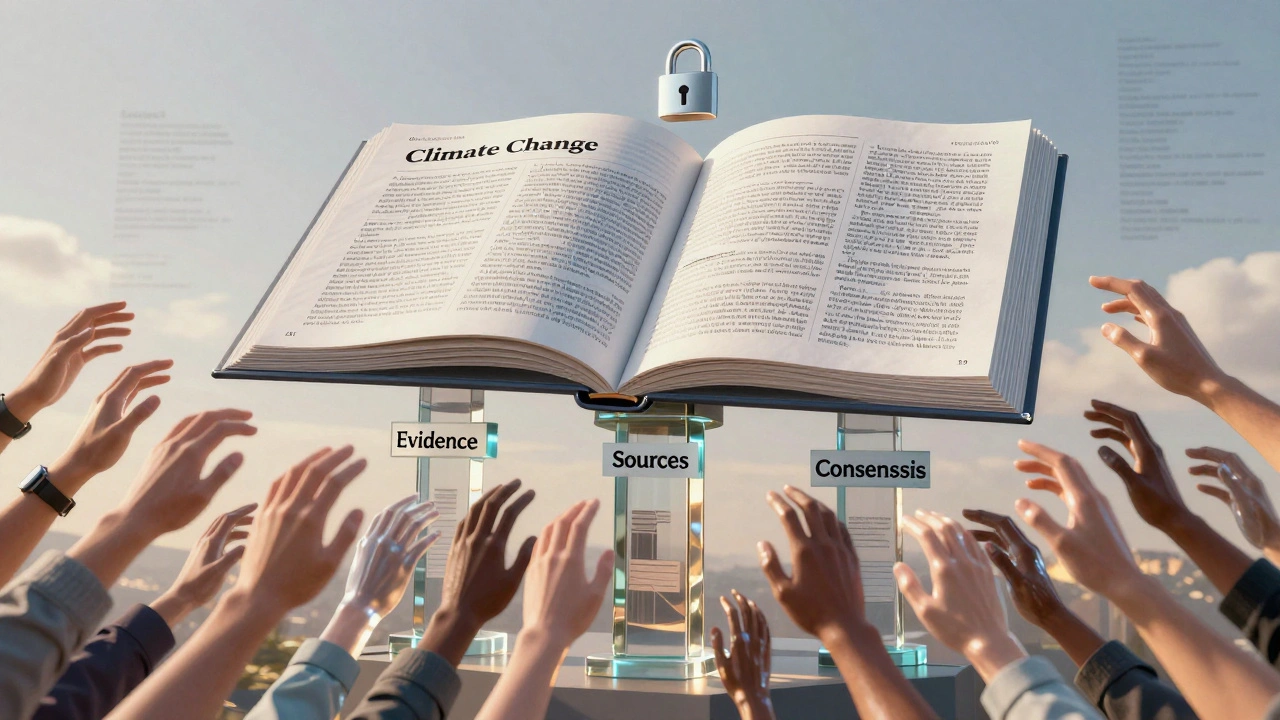
For example, on the page for "Abortion", edits are locked to registered users with at least 500 edits and six months of activity. Why? Because the topic draws high-stakes edits from both sides. The system filters out noise. It keeps only those who’ve proven they understand how Wikipedia works.
What Counts as a Reliable Source?
Here’s where Wikipedia cuts through noise: sources. Not blogs. Not YouTube videos. Not opinion columns. Reliable sources are peer-reviewed journals, major newspapers, academic books, government publications, and established news outlets with editorial oversight. Wikipedia’s guidelines list over 30 types of acceptable sources.
On controversial topics, editors don’t just cite one source. They cross-check. If three reputable outlets report the same fact, it gets included. If one outlet says something different, it’s noted as a minority view. For example, on the page about "Vaccines and Autism", every claim linking vaccines to autism is removed because major health organizations-WHO, CDC, NIH-have repeatedly debunked it. The evidence isn’t debated. It’s settled.
The Role of Administrators: Enforcers, Not Dictators
Administrators aren’t bosses. They’re volunteers who’ve earned trust by consistently helping the community. They can lock pages, block vandals, or delete spam. But they can’t change content just because they disagree. If an admin tries to push a personal view, other editors call them out. And they get removed if they abuse power.
Administrators act as referees, not players. When a page is locked, it’s not because the topic is too sensitive. It’s because the edit history shows repeated conflict. A lock gives time for mediation to work. After a week or two, if consensus forms, the lock comes off. No one owns the content. The community does.
How Controversial Topics Stay Neutral
Wikipedia’s neutral point of view (NPOV) policy isn’t about being boring. It’s about fairness. Every major claim must be backed by a reliable source. If a view is held by a minority, it must be presented as such. For example, the page on "Evolution" doesn’t say "some people believe creationism." It says: "Creationism is a religious belief not supported by scientific evidence." Then it cites the National Academy of Sciences.
On pages like "Donald Trump" or "Climate Change", editors use a technique called "balance by proportion." If 97% of climate scientists agree on human-caused warming, the article reflects that. It doesn’t give equal space to skeptics just to appear "fair." That would mislead readers. The goal isn’t to please everyone. It’s to reflect what’s documented.
What Happens When Consensus Fails?
Sometimes, even mediation fails. That’s when the Arbitration Committee steps in. It’s Wikipedia’s last resort. Made up of 12 elected editors, this group hears formal complaints. They review edit histories, messages, and patterns of behavior. They don’t judge facts. They judge conduct.
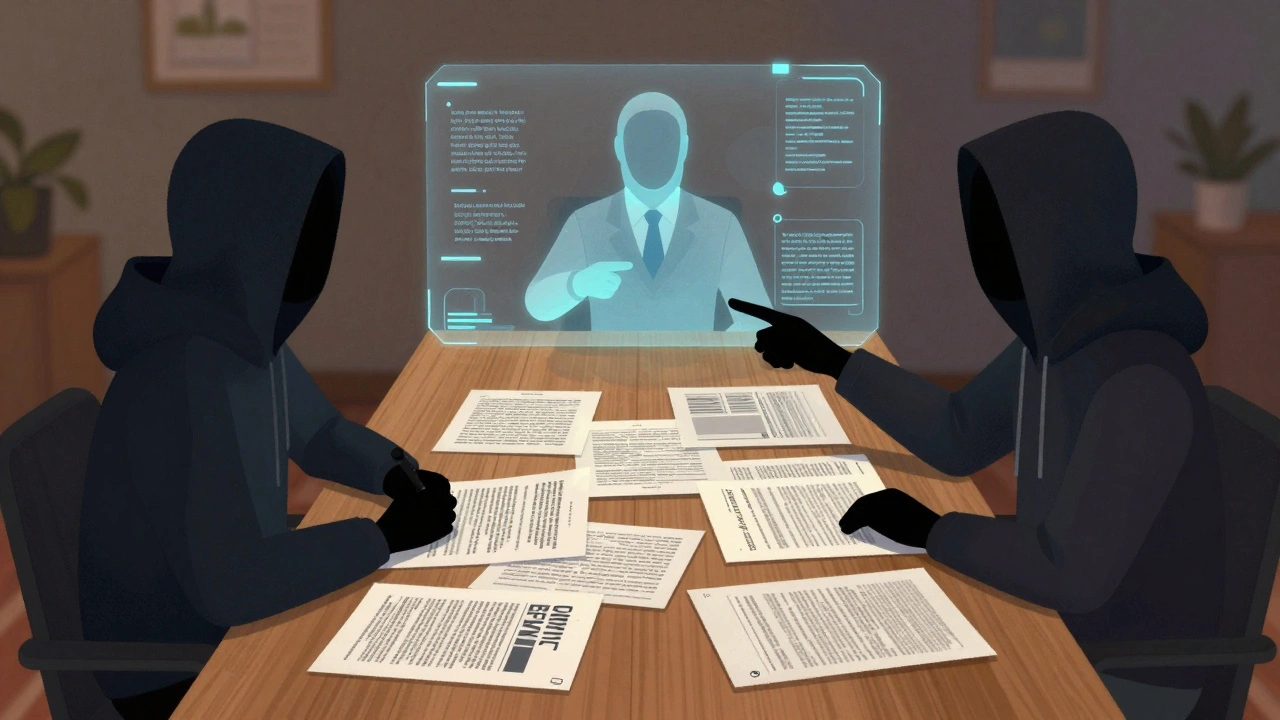
In 2023, the committee handled 47 cases. One involved a user who systematically added false claims about a political figure using sock puppet accounts. The committee banned the user for life and locked the page for six months. Another case involved a group of editors who refused to cite any sources. They were given a final warning. When they didn’t change, they lost editing privileges.
These aren’t punishments. They’re corrections. The goal is to restore the page to a neutral, evidence-based state.
Why This System Works Better Than You Think
Wikipedia doesn’t rely on experts. It relies on patterns. The more eyes on a page, the harder it is to push false information. A single biased edit gets undone within minutes. A coordinated campaign takes days to build-and by then, the community notices.
Studies show that controversial Wikipedia pages are more accurate than similar pages on commercial encyclopedias. A 2021 study from Stanford compared Wikipedia’s coverage of 50 politically charged topics with Britannica and found Wikipedia was 27% more likely to include up-to-date, sourced information.
It’s not perfect. But it’s resilient. Because it’s built on transparency. Every edit is recorded. Every argument is archived. Anyone can see how a page evolved. That’s why, even when you disagree with the content, you can trust the process.
Can anyone edit any Wikipedia page?
Yes, anyone can edit most pages. But for highly controversial topics-like those involving politics, religion, or health-editing is often restricted to experienced users. Pages may be semi-protected (only auto-confirmed users can edit) or fully protected (only administrators can edit). These restrictions aren’t censorship. They’re safeguards to prevent vandalism and edit wars from derailing accuracy.
What happens if I make a biased edit?
Your edit will likely be reverted. If it happens repeatedly, you’ll get warnings. After multiple violations, you might be blocked from editing for hours, days, or even permanently. Wikipedia tracks your edit history. If your edits consistently ignore sources or disrupt discussion, the system will act. The goal isn’t to silence you-it’s to ensure content is based on evidence, not opinion.
How long does it take to resolve a dispute on Wikipedia?
Most disputes are resolved in a few days. Simple disagreements on wording can be fixed within 24 hours. Complex topics, like historical events or scientific controversies, may take weeks or months. The key is patience. Wikipedia doesn’t rush consensus. It waits for reliable sources to be cited, for editors to engage in good faith, and for patterns of behavior to become clear.
Do editors get paid to edit Wikipedia?
No. All editors are volunteers. Even administrators and mediators work without pay. Some organizations, like universities or nonprofits, pay staff to improve Wikipedia content as part of outreach-but those edits are still subject to the same rules. Any paid editing must be disclosed. Secretly editing to promote a company or agenda is a serious violation and leads to bans.
Why doesn’t Wikipedia just lock all controversial pages?
Locking everything would defeat Wikipedia’s purpose. The goal isn’t to make pages static. It’s to make them accurate through collaboration. If a page is too sensitive to edit, it means the community hasn’t reached consensus yet. Locks are temporary. They’re tools to pause conflict so discussion can happen. Once reliable sources and agreement emerge, the page opens again. The system trusts the process more than control.