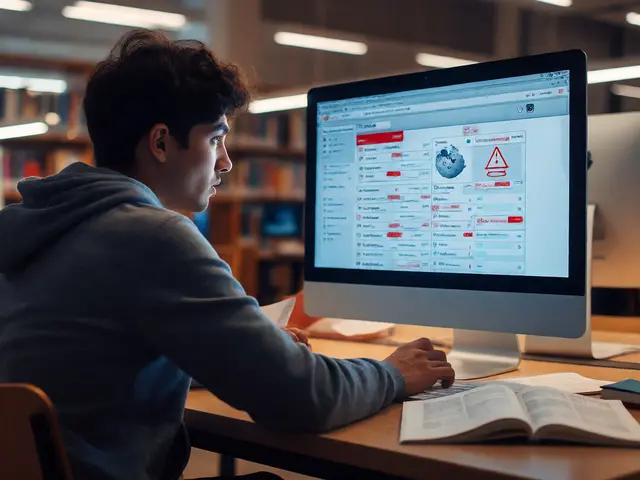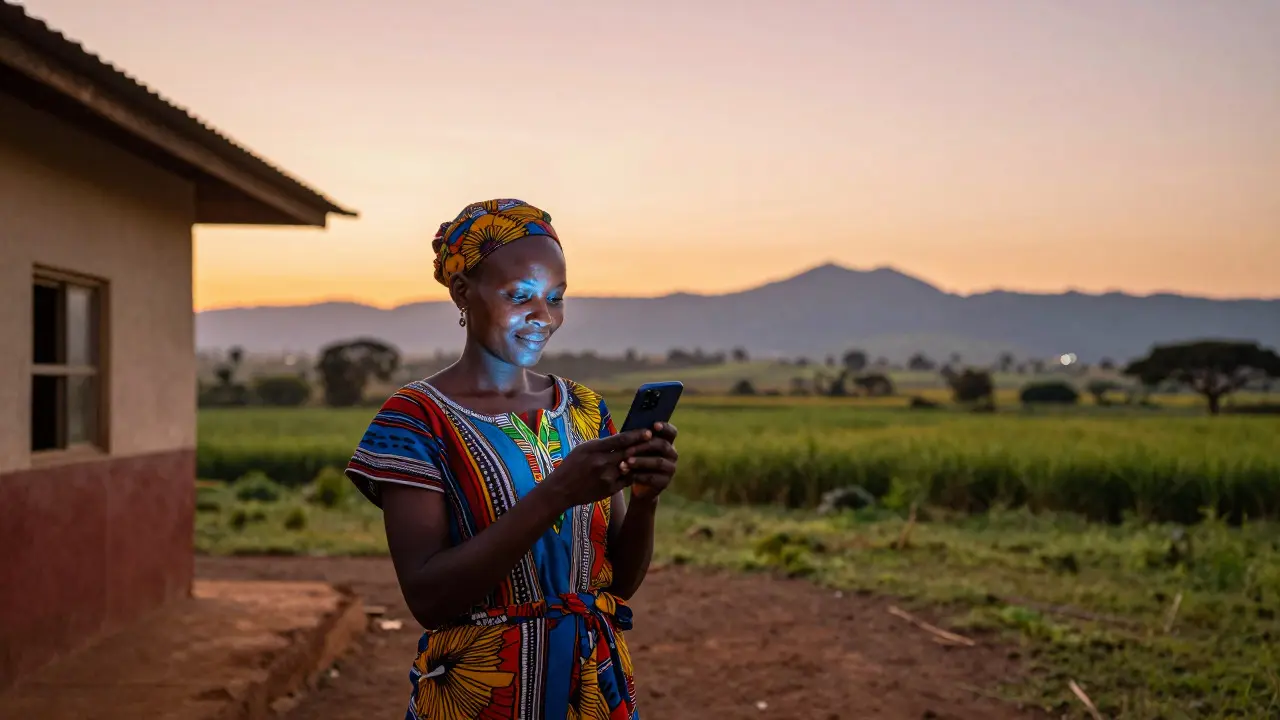
Imagine a farmer in rural Bangladesh checking her phone for symptoms of malaria. She doesn't speak English. She speaks Bengali, but even the local Wikipedia entry is thin, outdated, or missing entirely. Now imagine that same article exists in high quality, verified by local doctors, and accessible offline. That’s not a hypothetical-it’s the core challenge this case study addresses. Developing health information on Wikipedia in low-resource languages isn’t just about translation; it’s about building trust, infrastructure, and community ownership where digital resources are scarce.
The Gap: Why Language Matters in Global Health
Most people assume that if medical info exists in English, it’s “available.” But availability without accessibility is useless. According to the World Health Organization, over 40% of the global population lives in areas with limited access to reliable health data. For speakers of low-resource languages-those with fewer than 100,000 native speakers or minimal digital representation-the gap is even wider. These languages include Swahili, Hausa, Yoruba, Quechua, and many others. When health content is locked behind English or major European languages, entire communities are excluded from evidence-based decisions.
This isn’t just a linguistic issue. It’s a public health one. Misinformation spreads faster when official sources aren’t available in your mother tongue. A mother in Kenya might rely on a neighbor’s anecdote rather than a vetted Wikipedia article because the latter doesn’t exist in Kikuyu. The result? Delayed treatment, preventable deaths, and eroded trust in scientific institutions.
What Makes a Language “Low-Resource”?
A language is typically classified as low-resource if it has:
- Fewer than 100,000 native speakers (though some definitions extend this to 500,000)
For example, the Welsh Wikipedia has around 600,000 articles, while the Zulu Wikipedia has fewer than 50,000. The difference isn’t just size-it’s depth. Many low-resource language Wikipedias have stubs (short, incomplete entries) for critical topics like diabetes, HIV, or vaccination schedules. This creates a paradox: the world’s most comprehensive free encyclopedia is also the most linguistically exclusive.
The Case Study: Project HealthBridge
In 2023, a coalition of NGOs, university researchers, and volunteer editors launched “Project HealthBridge,” a pilot initiative to develop health-related content on Wikipedia in three low-resource languages: Swahili, Yoruba, and Quechua. The goal was simple: create 50 high-quality, medically accurate articles in each language within 18 months, with input from local health professionals and community validators.
Here’s how they did it:
- Community Mapping: They identified key health topics based on local disease burden (e.g., malaria in Swahili-speaking regions, hypertension in Yoruba communities, altitude sickness in Quechua areas).
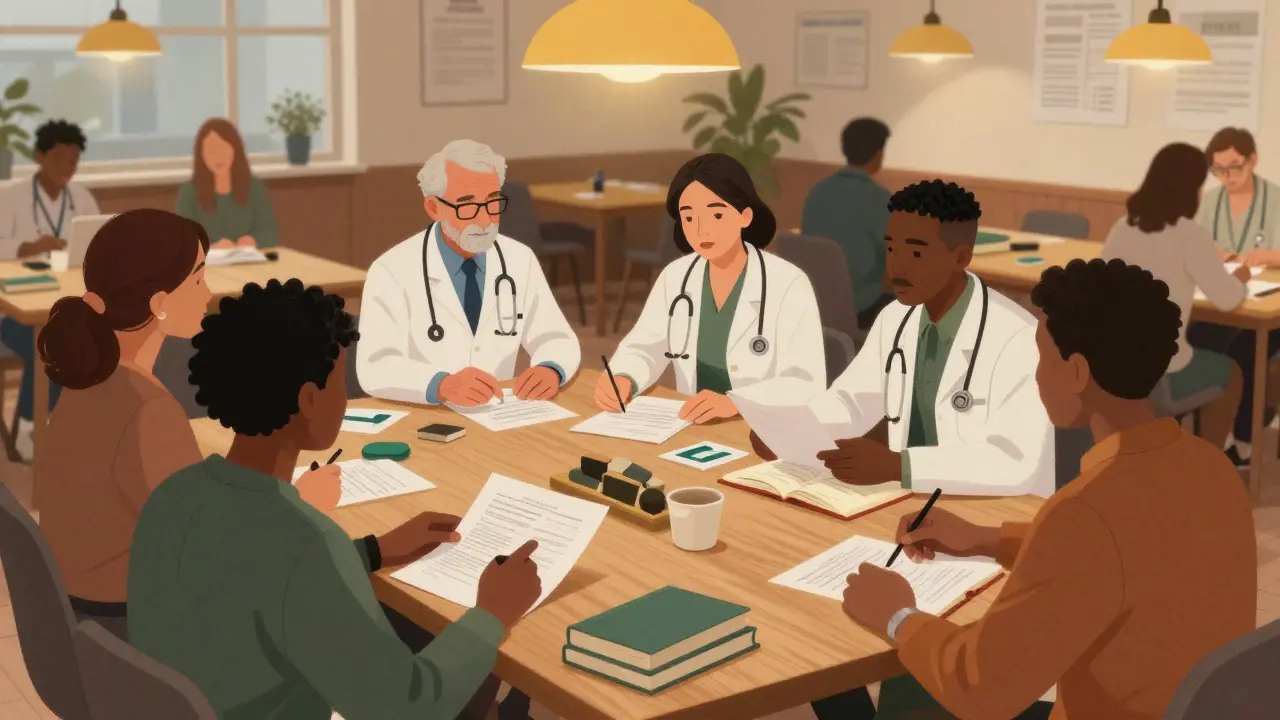
- Expert Collaboration: Local doctors and nurses reviewed drafts for accuracy. They didn’t just translate-they adapted context. For instance, “blood pressure” in Yoruba wasn’t just translated; it was explained using local metaphors and common household items for measurement reference.
- Volunteer Training: Editors from target communities received training on Wikipedia’s citation standards, neutral point of view, and how to verify sources. This reduced reversion rates by 60% compared to earlier attempts.
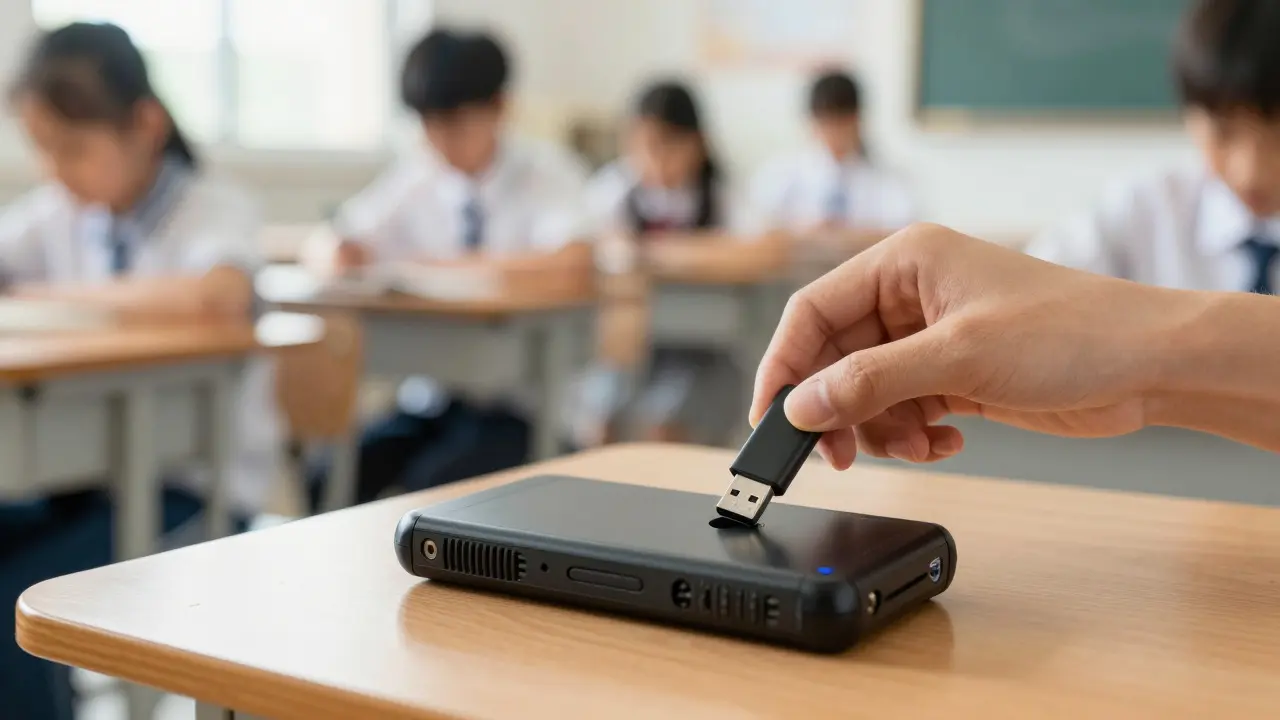
- Offline Access: Partnered with organizations like Kiwix to package these articles into offline wikis, distributed via USB drives and local radio stations.
By month 12, the project had published 137 articles across the three languages. User engagement metrics showed a 45% increase in page views from mobile devices in target regions, indicating real-world usage.
Challenges Beyond Translation
Translation is only the surface. The deeper challenges are structural and cultural.
Source Scarcity: Most medical research is published in English. Finding peer-reviewed studies in Swahili or Quechua is nearly impossible. The team had to rely on translating abstracts and summaries, which introduced risks of misinterpretation. One editor noted, “Translating ‘placebo effect’ into Quechua required a new term-we had to invent it carefully so it wouldn’t sound superstitious.”
Cultural Context: Health concepts don’t always map directly. In some Yoruba communities, mental health is discussed through spiritual frameworks. A standard Wikipedia article on depression might feel alienating unless it acknowledges local coping mechanisms alongside clinical definitions. The project learned to include “local perspectives” sections, citing community elders and traditional healers alongside biomedical sources.
Sustainability: Volunteer burnout is real. Without ongoing funding or institutional support, projects stall. Project HealthBridge secured a two-year grant from the Wikimedia Foundation, but long-term sustainability remains uncertain. The team now advocates for integrating health content development into national education curricula, ensuring a steady pipeline of contributors.
Measuring Impact: What Actually Works?
How do you know if a Wikipedia article is making a difference? Traditional web analytics (page views, time on site) are necessary but insufficient. The project tracked three additional metrics:
- Community Validation Rate: Percentage of articles approved by local health experts without major revisions. Target: >80%. Achieved: 85%.
- Offline Distribution Reach: Number of USB drives distributed and estimated users. Estimated 12,000 users reached in rural Kenya and Tanzania.
- Behavioral Change Indicators: Surveys conducted with 200 users showed a 30% increase in correct self-reporting of hypertension symptoms after reading the Yoruba article.
These metrics matter because they move beyond “content created” to “content used.” A well-written article that no one reads is a failure, regardless of its academic merit.
Lessons for Future Initiatives
If you’re planning to develop health information on Wikipedia in low-resource languages, here’s what you need to know:
- Start with Community Needs, Not Global Lists: Don’t copy the English Wikipedia’s structure. Ask local health workers what questions people actually ask. Malaria prevention may be more urgent than rare genetic disorders.
- Invest in Local Editors, Not Just Translators: Translators convert words. Editors build trust. Train locals to navigate Wikipedia’s systems, cite sources, and engage with discussions.
- Plan for Offline Access from Day One: Internet connectivity is unreliable in many target regions. Design content to work offline, and partner with local distributors (radio, schools, clinics).
- Document Everything: Keep records of expert reviews, community feedback, and revision history. This builds credibility and helps future contributors understand why certain choices were made.
- Advocate for Policy Support: Push for national health ministries to recognize Wikipedia as a valid source for public health communication. This opens doors for funding and integration into official programs.
The Bigger Picture: Multilingual Reach as a Right
Access to health information shouldn’t depend on which language you speak. Yet today, it does. Wikipedia has the potential to change that-but only if we treat low-resource languages as first-class citizens, not afterthoughts. This means funding, infrastructure, and respect for local knowledge systems.
As one Quechua editor put it, “We’re not just writing articles. We’re telling our community that their health matters enough to be documented in their own tongue.” That’s the real win-not the number of pages, but the shift in perception.
What counts as a low-resource language for Wikipedia purposes?
A language is generally considered low-resource if it has fewer than 100,000 native speakers, limited digital presence, or minimal contribution to global knowledge platforms. However, definitions vary. Some initiatives use 500,000 as the threshold. The key factor is whether the language has sufficient digital infrastructure and contributor base to sustain active editing.
How can I contribute to health articles in my local language on Wikipedia?
Start by joining your language’s Wikipedia community forum. Look for existing health-related projects or task forces. If none exist, propose one. Connect with local health professionals who can review your work. Use Wikipedia’s talk pages to discuss changes before implementing them. Remember, quality over quantity-one well-cited, community-approved article is better than ten unverified stubs.
Is Wikipedia a reliable source for health information in non-English languages?
It depends on the specific article. High-quality articles with clear citations to peer-reviewed sources and local expert validation are reliable. Always check the references section. If an article lacks citations or has been frequently edited by a small group of users, treat it with caution. For critical health decisions, consult a healthcare professional. Wikipedia is a starting point, not a final diagnosis.
What tools help with offline access to Wikipedia in low-resource areas?
Kiwix is the leading tool for offline Wikipedia access. It allows you to download entire language editions onto USB drives or local servers. Other options include WikiMiniAtlas for maps and specialized apps developed by NGOs. Ensure the device you’re using supports the file format (usually .zim files). Distribute these through schools, clinics, and community centers to maximize reach.
How do you handle cultural differences in health concepts when translating?
Don’t force direct translations. Instead, adapt the concept to fit local understanding. Include sections that acknowledge traditional practices alongside biomedical explanations. Consult local experts and community leaders to ensure the tone is respectful and relevant. For example, instead of just defining “mental illness,” explain how it’s perceived locally and what support systems exist. This builds trust and reduces resistance to new information.