Imagine logging into Wikipedia and finding that the rules for what counts as "true" have fundamentally shifted. It’s not just a hypothetical anymore. As we move through 2026, the world’s largest online encyclopedia is standing at a crossroads. The old guard of volunteer editors is grappling with an influx of AI-generated text, while the Wikimedia Foundation pushes for a more structured, data-driven approach to knowledge. If you’ve ever wondered how your favorite article stays accurate-or why it suddenly gets deleted-you need to understand where the policy landscape is heading.
This isn’t about minor tweaks to grammar guides. We’re talking about structural changes that could redefine who writes history and how it’s verified. From stricter verifiability protocols to new frameworks for handling generative AI, the next few years will test the resilience of open-source collaboration. Let’s break down what’s coming, why it matters, and how you can navigate these shifts without getting lost in the edit wars.
The Shift from Community-Driven to Hybrid Governance
For two decades, Wikipedia operated on a radical experiment: let anyone edit anything, and trust the crowd to fix mistakes. That model worked surprisingly well when the volume of edits was manageable. But today? The platform handles millions of edits monthly, many of which are automated or assisted by bots. This scale has forced a rethink of governance. The Wikimedia Foundation, the non-profit behind Wikipedia, has signaled a move toward "hybrid governance." This means less ad-hoc consensus among random volunteers and more formalized roles for trusted stewards and algorithmic oversight.
You might ask, "Doesn't this kill the spirit of Wikipedia?" Not necessarily. Think of it like traffic laws. In a small village, everyone knows each other, and driving norms are informal. In a mega-city, you need signals and lanes. Similarly, future policies are likely to introduce tiered editing rights based on user reputation scores rather than just account age. These scores will factor in edit quality, revert rates, and community feedback. It’s a move away from pure democracy toward a meritocratic system designed to curb vandalism and low-quality contributions before they hit the main page.
AI Integration and the Verification Crisis
Here’s the elephant in the server room: Generative AI. Large Language Models (LLMs) can now draft coherent, plausible-sounding paragraphs in seconds. For years, Wikipedia’s core pillar has been No Original Research-meaning every claim must be backed by a reliable source. AI doesn’t cite sources; it hallucinates them. Early attempts to ban AI outright failed because editors couldn’t distinguish between human error and machine fabrication.
The upcoming policy revisions aim to integrate AI as a tool, not an author. Expect strict guidelines requiring disclosure when AI assists in drafting. More importantly, new tools will likely auto-flag sentences that lack direct citations or match patterns typical of LLM output. Imagine a browser extension that highlights unverified claims in real-time, prompting you to find a primary source before publishing. This shift turns the editor’s job from writing prose to curating evidence. The burden of proof shifts entirely to the human verifying the machine’s work.
| Policy Area | Current Standard (2024) | Anticipated Revision (2026+) |
|---|---|---|
| AI Usage | Discouraged but hard to enforce | Mandatory disclosure and automated detection |
| Source Reliability | Community consensus on "reliable" sources | Centralized database of approved academic/journalistic domains |
| Editor Reputation | Based on edit count and time active | Dynamic score based on quality metrics and peer review |
| Conflict Resolution | Talk pages and Arbitration Committee | Algorithmic mediation for minor disputes |

Standardizing Source Reliability
One of the most contentious areas in Wikipedia history is deciding what counts as a reliable source. Is a blog post from a subject matter expert trustworthy? What about a press release? Currently, these decisions happen case-by-case in talk page debates, leading to inconsistent outcomes across different language editions. Future policies seek to standardize this via a centralized "Reliability Index." This index would rank publications based on editorial rigor, fact-checking history, and independence.
If you’re trying to add information about a niche tech startup, you won’t just argue with another editor. You’ll check the index. If your source falls below a certain threshold, the system might block the citation automatically. This reduces subjective bias but raises concerns about gatekeeping. Who decides which journals get high scores? Likely, a mix of library science experts and data analytics firms working with the Foundation. It’s a pragmatic solution to the problem of "fake news" bleeding into encyclopedic entries, but it requires trust in the central authority-a concept foreign to traditional Wikipedians.
The Rise of Structured Data and Wikidata
While prose articles remain important, the backbone of modern Wikipedia is shifting toward Wikidata. This sister project stores facts in a structured format (e.g., "Barack Obama" [born] "August 4, 1961"). Why does this matter for policy? Because updating one entry in Wikidata updates thousands of articles instantly. Future revisions will prioritize consistency between local articles and global data entities.
Policies will likely mandate that key biographical or statistical data points in articles must mirror Wikidata. Discrepancies will trigger automatic flags. This reduces redundancy and ensures accuracy across languages. If a date of birth is corrected in Wikidata, it propagates everywhere. The challenge here is technical literacy. Editors will need to understand how to query and update structured data, not just write sentences. Training programs and simplified interfaces will become critical policy components to prevent alienating casual contributors.
Global Equity and Local Contexts
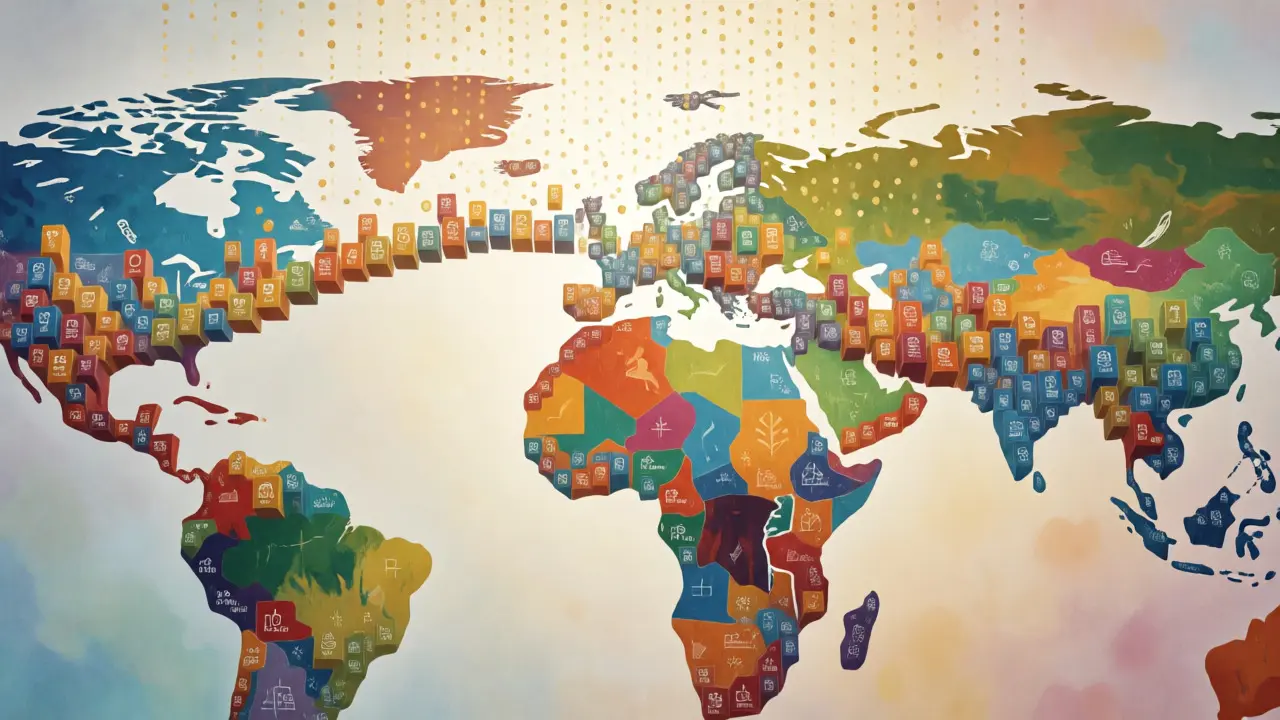
Wikipedia has long struggled with a Western-centric bias. Most editors are from North America and Europe, shaping content through their cultural lens. New strategic directions emphasize "Knowledge Equity," aiming to boost representation from the Global South. Policy revisions will support this by relaxing some strict notability guidelines for local figures in underrepresented regions. A village mayor in rural India might not meet global fame criteria but is vital to local history.
Expect localized policy adaptations. While core principles like neutrality remain universal, application may vary by region. For instance, sourcing standards for oral histories in indigenous communities might differ from those for corporate financial reports. This flexibility allows Wikipedia to serve as a true global encyclopedia rather than a digitized version of Anglo-American textbooks. Community grants and partnerships with local universities will back these efforts, ensuring diverse voices shape the narrative.
How Contributors Should Prepare
So, what does this mean for you? If you’re a casual reader, expect slightly more consistent articles with fewer obvious errors. If you’re an editor, you need to adapt. Start by diversifying your sources. Rely on established journalism and academic papers rather than obscure blogs. Learn the basics of Wikidata editing-it’s easier than it looks and increasingly necessary. And keep an eye on community discussions regarding AI tools. Embrace them as assistants for research, not replacements for judgment.
The future of Wikipedia isn’t about stopping change; it’s about managing it responsibly. By tightening verification, leveraging technology wisely, and broadening geographic inclusion, the platform aims to maintain its status as the default starting point for human knowledge. It’s a bold pivot, but given the challenges of misinformation in the digital age, it might be exactly what’s needed.
Will AI completely replace human editors on Wikipedia?
Unlikely. While AI can generate text, it lacks the contextual understanding and ethical judgment required for neutral point of view. Future policies position AI as a drafting tool, with humans responsible for verification, sourcing, and final approval. The role of the editor shifts from writer to curator.
What happens if my source isn't in the new Reliability Index?
You can still use it, but it may require additional justification or secondary corroboration. The index serves as a guideline, not an absolute ban. Editors can appeal to include new or niche sources through a formal request process, ensuring flexibility for emerging fields.
How do I know if an article uses AI-generated content?
Upcoming policies will likely mandate explicit tags or metadata markers indicating AI assistance. Additionally, automated detection tools may flag suspicious phrasing. Always check the revision history and talk page for disclosures regarding AI usage.
Why is Wikidata becoming so important?
Wikidata allows for efficient, multilingual consistency. Updating a fact once in Wikidata updates it across all language versions of Wikipedia. This reduces maintenance workload and minimizes contradictions between articles in different languages.
Are these changes making Wikipedia less democratic?
Not necessarily. They are adding structure to handle scale. Tiered permissions and standardized guidelines help prevent chaos and vandalism, allowing serious contributors to focus on quality rather than fighting spam. It’s a shift from raw democracy to regulated participation.