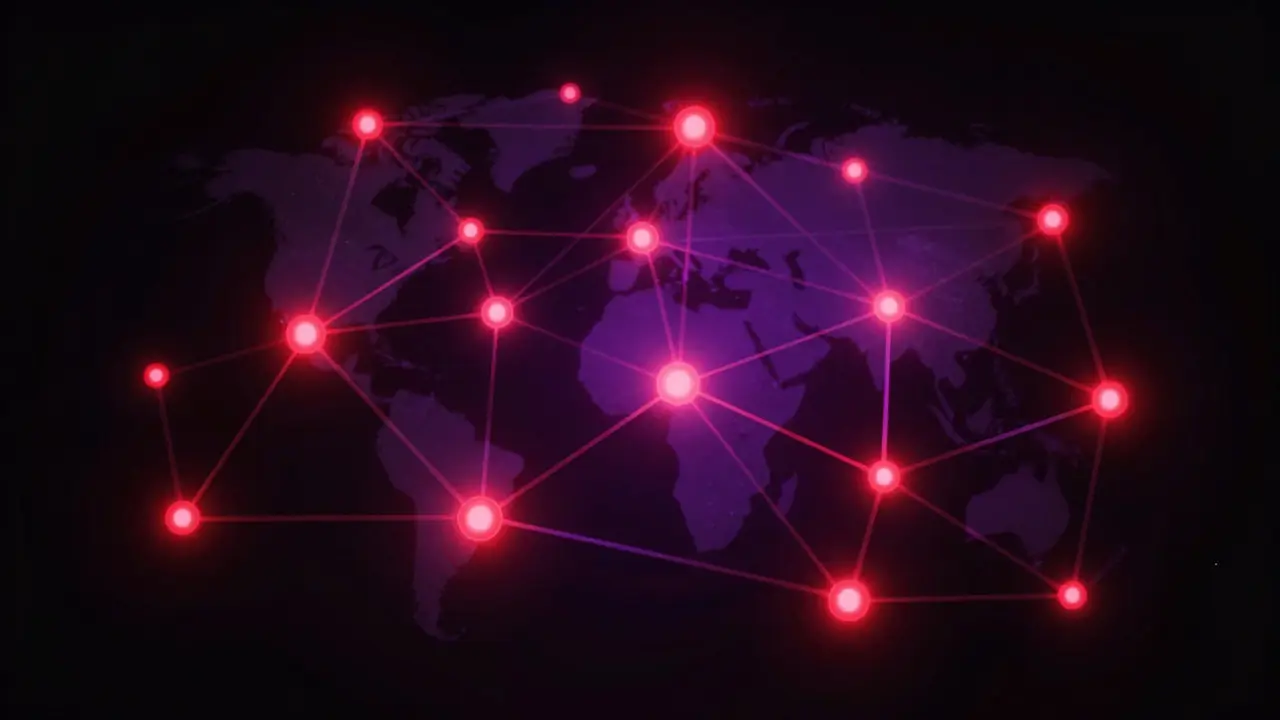
Imagine opening a Wikipedia page about a recent political scandal, only to find the lead paragraph rewritten by an anonymous user three hours ago. The new text isn't just wrong; it's strategically misleading, burying key facts under a mountain of obscure, low-quality citations. This is not random vandalism. It is the work of disinformation networks organized groups using coordinated editing strategies to shape public perception on collaborative platforms. These operations have evolved from simple typos into sophisticated campaigns that exploit the open nature of Wikipedia a free online encyclopedia maintained by volunteer editors worldwide. The threat is real because Wikipedia remains one of the most cited sources in news articles, academic papers, and even courtrooms. If you rely on these pages for quick facts, you need to understand how bad actors manipulate them. This guide breaks down the mechanics of these attacks, shows you how to spot them before they spread, and offers practical steps to protect your own research.
The Anatomy of a Coordinated Attack
Unlike a single angry editor who makes a mistake or a fan who overzealously promotes their favorite band, a disinformation network operates with intent and coordination. They don't just add false facts; they reframe narratives. A common tactic involves creating multiple accounts, often called "sockpuppets," to create the illusion of consensus. If five different users all edit the same section to support a specific viewpoint, other editors might assume the change is valid because so many people agree.
These networks often target high-traffic articles during breaking news events. When a major scandal breaks, attention spikes, but scrutiny drops. Editors are busy, and new information is unverified. This is the window of opportunity. The attackers move fast, inserting biased language like "alleged" or "controversial" where neutral terms should be, or removing context that contradicts their narrative. By the time experienced editors notice, the false version has been viewed thousands of times and may have already been copied into social media posts or news briefs.
How to Spot Subtle Manipulation
You don't need to be a Wikipedian to detect red flags. Here is what to look for when reading an article:
- Sudden tone shifts: Does the lead summary sound dramatically different from the rest of the article? Check the edit history. If the lead was changed recently while the body remained stable, investigate why.
- Citation density anomalies: Are there paragraphs packed with references to obscure blogs, self-published books, or press releases from the subject themselves? Reliable encyclopedic entries usually cite mainstream journalism, peer-reviewed studies, or official government records.
- New user bursts: Look at the contributor list. If ten new accounts, all created within the last week, made edits to the same article, that is a strong signal of coordination.
- Neutral point of view (NPOV) violations: Wikipedia aims for neutrality. If an article reads more like an advocacy piece than a factual report, someone has likely injected bias.
The Role of Bots and Automation
It’s not always humans typing away at keyboards anymore. Disinformation networks increasingly use bots-automated scripts-to make mass changes. While many bots on Wikipedia are helpful (fixing grammar, updating dates), malicious bots can revert good edits back to bad ones instantly. This creates a cat-and-mouse game where human editors fix an error, and a bot reverts it minutes later. This exhaustion tactic aims to discourage good-faith contributors from staying involved.
Furthermore, these networks use external tools to monitor Wikipedia. They track which articles are trending and identify weak spots-sections with few editors or outdated citations. This targeted approach means that popular topics aren't the only risk; niche subjects with passionate communities can also be targeted if they align with a broader propaganda goal.
Comparing Vandalism Types
Not all bad edits are created equal. Understanding the difference helps you assess the severity of what you're seeing.
| Threat Type | Motivation | Detection Difficulty | Typical Impact |
|---|---|---|---|
| Random Vandalism | Trolling or boredom | Low (often obvious) | Temporary confusion, easily reverted |
| Bias Editing | Personal opinion or fandom | Medium | Skewed perspective, requires debate |
| Coordinated Disinformation | Political or corporate agenda | High | Systemic narrative shift, long-term damage |
| Bot Reversion | Automated counter-measure | Medium | Frustration of editors, stalemate |
Protecting Your Research Integrity
If you use Wikipedia as a starting point for research, treat it as a map, not the territory. Here is a simple workflow to verify accuracy:
- Check the Talk Page: Every article has a discussion board. If there is a heated argument about a specific fact, read the comments. Often, the truth lies in the disagreement between editors.
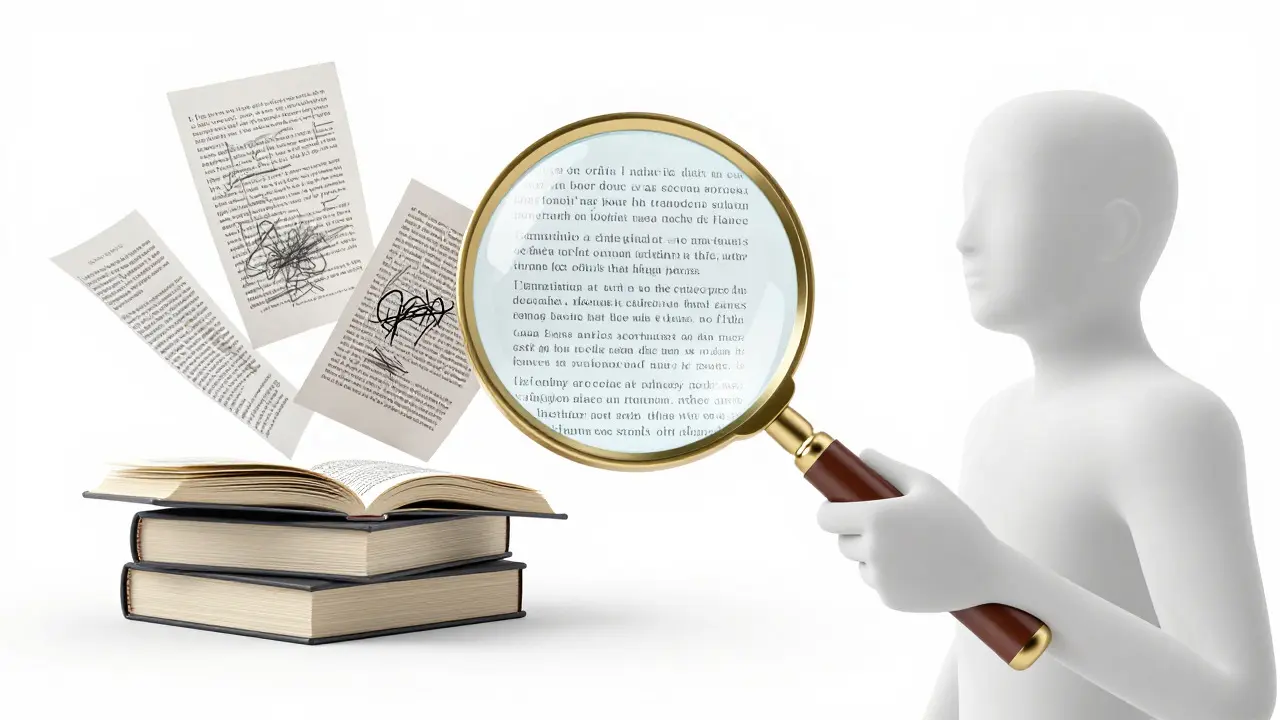
- Verify Citations Independently: Click on a reference. Does the source actually say what the article claims? Sometimes, editors quote out of context or misinterpret data.
- Look for Consensus Across Sources: If a major fact is only supported by one obscure source, be skeptical. Cross-reference with established news outlets or academic databases.
- Monitor Recent Changes: For critical topics, check the "Recent Changes" feed. Seeing who edited what and when gives you a sense of stability. If an article is being edited every hour, it is in flux.
Why This Matters Beyond the Platform
The impact of citation bias the systematic preference for certain sources over others in academic or journalistic contexts extends far beyond Wikipedia. Journalists often copy-paste from Wikipedia for backgrounders. Students cite it for essays. Even AI models train on this data. If the foundational layer is compromised, the ripple effect distorts public understanding globally.
This is why community vigilance is crucial. You don't need to become a full-time editor to help. Simply reporting suspicious edits, adding reliable sources, or correcting obvious errors contributes to the platform's resilience. The open-source model is its greatest strength, but only if enough people care enough to watch the gates.
Frequently Asked Questions
Are all Wikipedia edits trustworthy?
No. While most edits are made in good faith, the open access model allows for errors and manipulation. Always verify critical facts against primary sources, especially in rapidly changing topics like current events or politics.
How do I report a disinformation campaign on Wikipedia?
Use the "Report an issue" link found in the article sidebar or on the talk page. Provide evidence, such as links to conflicting sources or screenshots of coordinated editing patterns. Experienced administrators will review the case and take action if necessary.
What is the difference between vandalism and disinformation?
Vandalism is usually destructive or nonsensical (e.g., deleting text, adding jokes). Disinformation is constructive but misleading; it adds plausible-sounding content that supports a specific bias or agenda, making it harder to detect and revert.
Do bots make Wikipedia less reliable?
Bots are double-edged swords. Helpful bots maintain consistency and fix errors quickly. Malicious bots can automate reverts or insert spam. However, the community actively monitors bot behavior, and most problematic bots are disabled once identified.
Should I stop using Wikipedia entirely?
No, but change how you use it. Treat Wikipedia as a discovery tool rather than a final authority. Use it to find names, dates, and key concepts, then trace those leads to original documents, news reports, or academic papers for verification.