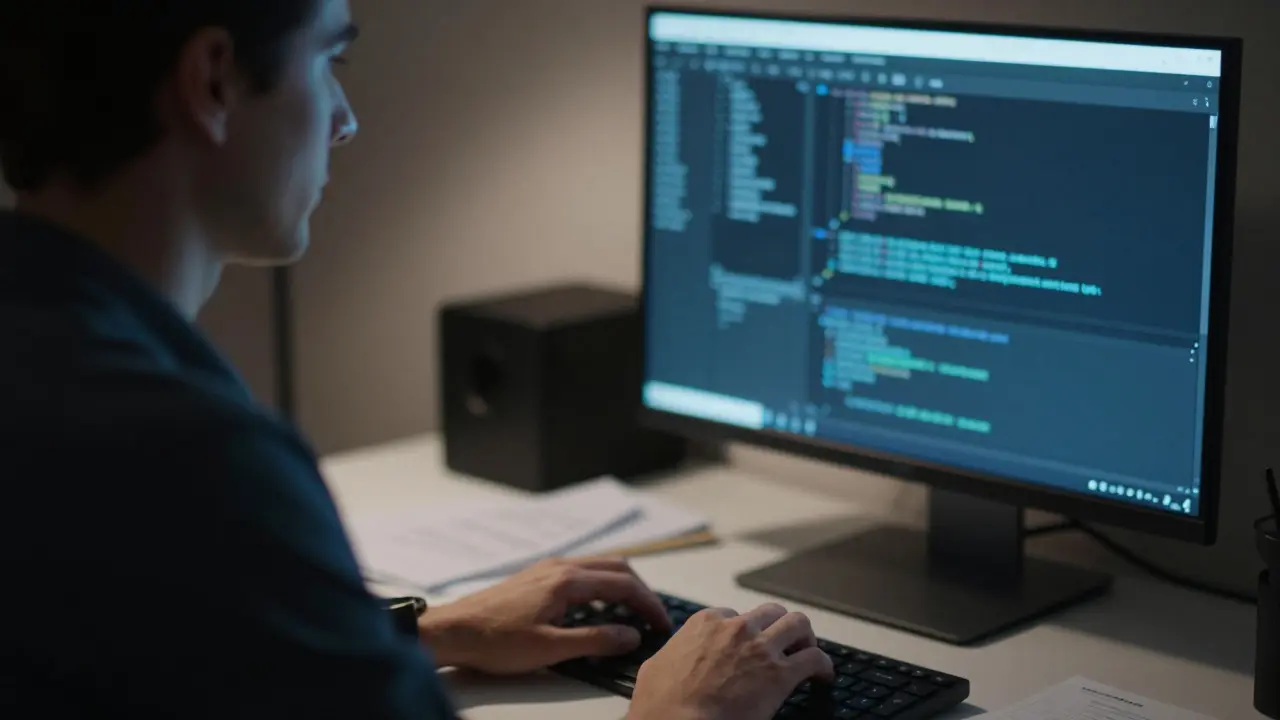
Imagine logging into the world’s most visited reference site and realizing that nearly three-quarters of the people writing it are men. That is the reality for Wikipedia, a free online encyclopedia that relies on volunteer editors to maintain millions of articles across multiple languages. While the project prides itself on neutrality, a persistent demographic skew creates a subtle but significant editorial bias that shapes what gets covered, how it is framed, and who remains invisible in the digital record.
The Scale of the Disparity
The numbers tell a stark story. On the English-language version of Wikipedia, roughly 75% of active contributors identify as male. This isn't just a historical artifact; it is a current structural issue. When you look at specific topics, the gap widens further. Articles about women in science, politics, or the arts often have fewer editors, less detailed citations, and shorter histories than their male counterparts. This imbalance means that the "neutral point of view"-the core policy guiding content-is often filtered through a predominantly male lens.
Why Does This Happen?
It is easy to blame individual editors, but the root causes are systemic. First, there is the time factor. Historically, unpaid digital labor has fallen disproportionately on men with disposable income and flexible schedules. Second, there is the culture of the editing room. New contributors, particularly women, often report feeling unwelcome or overly scrutinized when they edit pages related to their own identities or interests. This phenomenon, known as edit war fatigue, leads many potential contributors to leave before they ever post their first change.
The Impact on Content Quality
This demographic gap does not just affect statistics; it changes the substance of knowledge. Studies have shown that female subjects are underrepresented in biographical articles. For example, while women make up about half the population, they account for only a fraction of the biographies on the platform. When women are covered, the focus often leans toward personal life rather than professional achievements, a framing choice that mirrors broader societal biases. This lack of representation reinforces existing stereotypes, creating a feedback loop where visibility drives contribution, and contribution drives visibility.
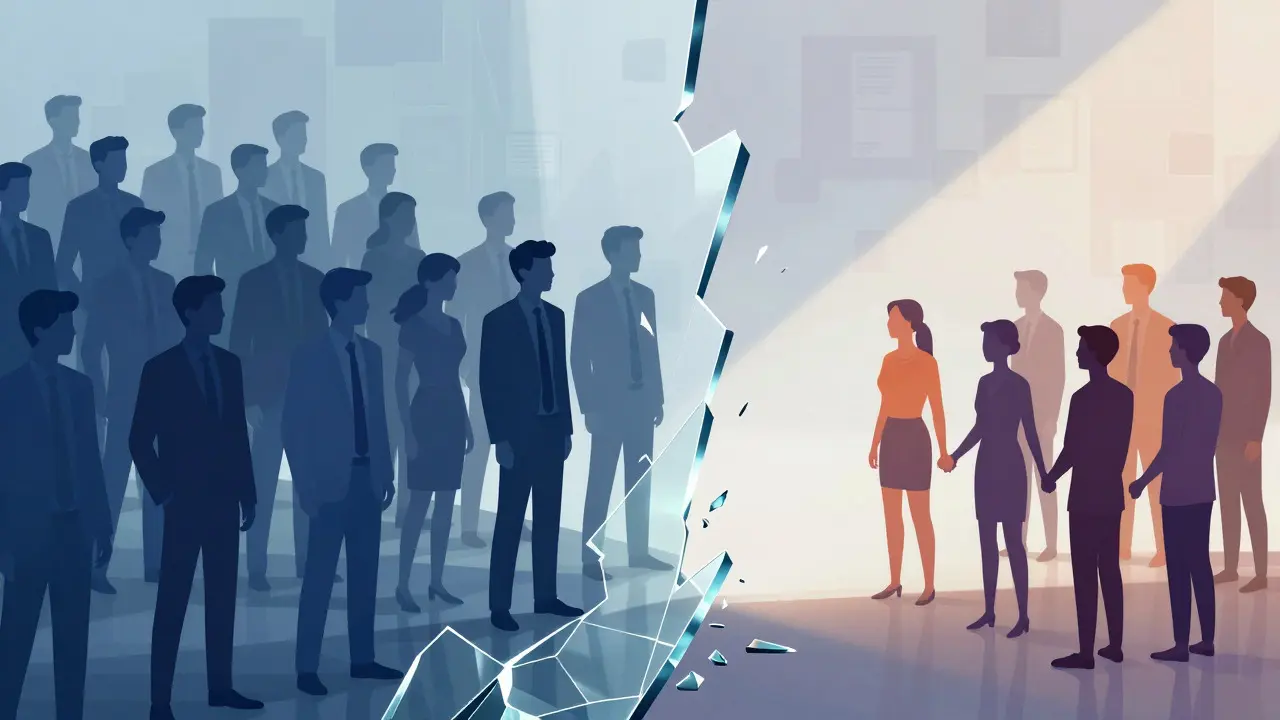
Governance Conflicts and Policy Debates
Addressing this issue is not straightforward because Wikipedia operates on consensus, not hierarchy. Any attempt to mandate quotas or change citation standards triggers intense debate among long-time editors. These conflicts highlight a deeper tension between maintaining strict encyclopedic standards and ensuring inclusive representation. Some editors argue that changing policies to accommodate new groups dilutes quality, while others contend that the current definition of "notability" is inherently biased against non-traditional subjects. This ongoing friction makes progress slow and often incremental.
Strategies for Closing the Gap
Despite the challenges, several effective strategies have emerged. Wiki Projects like WikiProject Women in Red specifically target the creation of missing articles about notable women. These collaborative efforts provide a supportive environment for newcomers, reducing the intimidation factor of solo editing. Additionally, outreach programs that partner with libraries, universities, and community centers help recruit diverse editors by lowering the technical barrier to entry. By focusing on specific themes and providing mentorship, these initiatives have successfully increased the number of female-led edits in recent years.

The Role of Technology and Tools
Technology can either widen or narrow this gap. Recent updates to the user interface aim to make editing less intimidating for beginners. Features like visual editor modes and better notification systems help reduce the learning curve. However, algorithmic curation also plays a role. If search results or trending lists prioritize certain types of content, they may inadvertently suppress niche topics that attract diverse editors. Ensuring that the platform's infrastructure supports all voices equally is crucial for long-term sustainability.
Looking Ahead: Sustainable Change
Closing the gender gap on Wikipedia requires more than just recruiting new editors; it demands a cultural shift within the community. Long-time members must actively welcome different perspectives and challenge their own assumptions about what constitutes valuable knowledge. As the platform evolves, the goal should be a truly global and representative encyclopedia, one where every reader sees themselves reflected in the text. Until then, the conflict between tradition and inclusion will remain the central challenge for the project's future.
What is the main cause of the gender gap on Wikipedia?
The primary causes include a historical lack of female participation in tech spaces, a welcoming culture that can feel exclusionary to newcomers, and unconscious biases in how content is evaluated for notability and tone.
How do Wiki Projects help close the gap?
Wiki Projects create focused communities around specific topics, such as women in history. They provide mentorship, shared resources, and a supportive environment that encourages new editors to contribute without fear of immediate criticism.
Does the gender gap affect article accuracy?
Yes, it can introduce systematic bias. Underrepresentation leads to fewer sources being found for female subjects, resulting in shorter articles and potentially skewed narratives that omit key professional achievements.
Can individuals help fix this problem?
Absolutely. Individuals can join existing Wiki Projects, invite friends from diverse backgrounds to edit, and practice constructive feedback when reviewing changes. Small actions collectively drive significant cultural change.
Is the situation improving?
Progress is slow but steady. Recent data shows a slight increase in the percentage of female editors, driven largely by organized outreach campaigns and improved onboarding tools. However, full parity remains a distant goal.