Every year, the Wikimedia Foundation releases its budget like a public ledger - no secrets, no hidden lines. But what does that money actually buy? If you’ve ever used Wikipedia to fact-check a claim, find a definition, or dive into a deep topic, you’re using tools built and maintained with that budget. And not every dollar goes where you might think.
Where the Money Really Goes
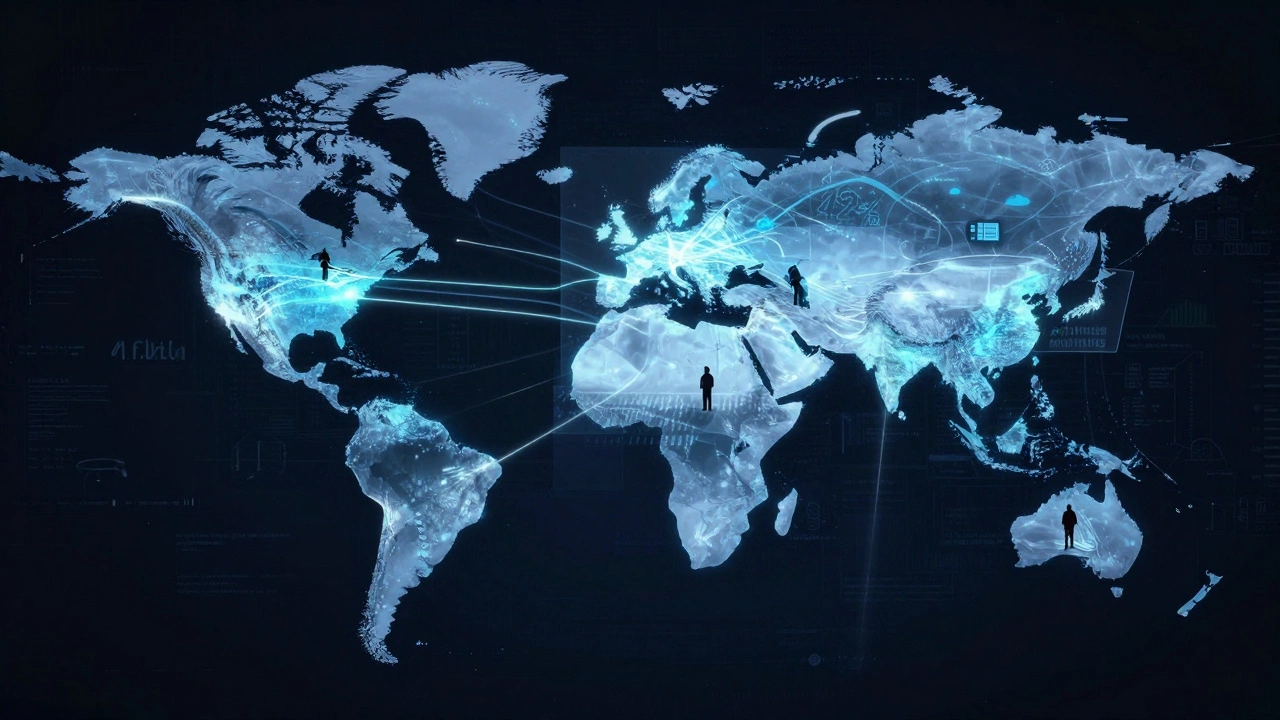
The Wikimedia Foundation’s 2025 budget totaled $137 million. That sounds like a lot, but it’s spread thin across a global network of volunteers, servers, and software teams. The biggest chunk - about 42% - goes to technology infrastructure. That’s not just hosting websites. It’s keeping 1.7 billion monthly pageviews running without crashing, storing 45 terabytes of edits, and protecting against attacks that target Wikipedia every 11 seconds on average.
Next up is staff salaries - 31% of the budget. You might picture a big corporate office, but Wikimedia’s team is remote, global, and lean. Most engineers aren’t building flashy apps. They’re fixing bugs in MediaWiki, the open-source engine behind Wikipedia. Others are optimizing search, improving mobile loading, or making sure the site works on slow networks in rural India or rural Kenya.
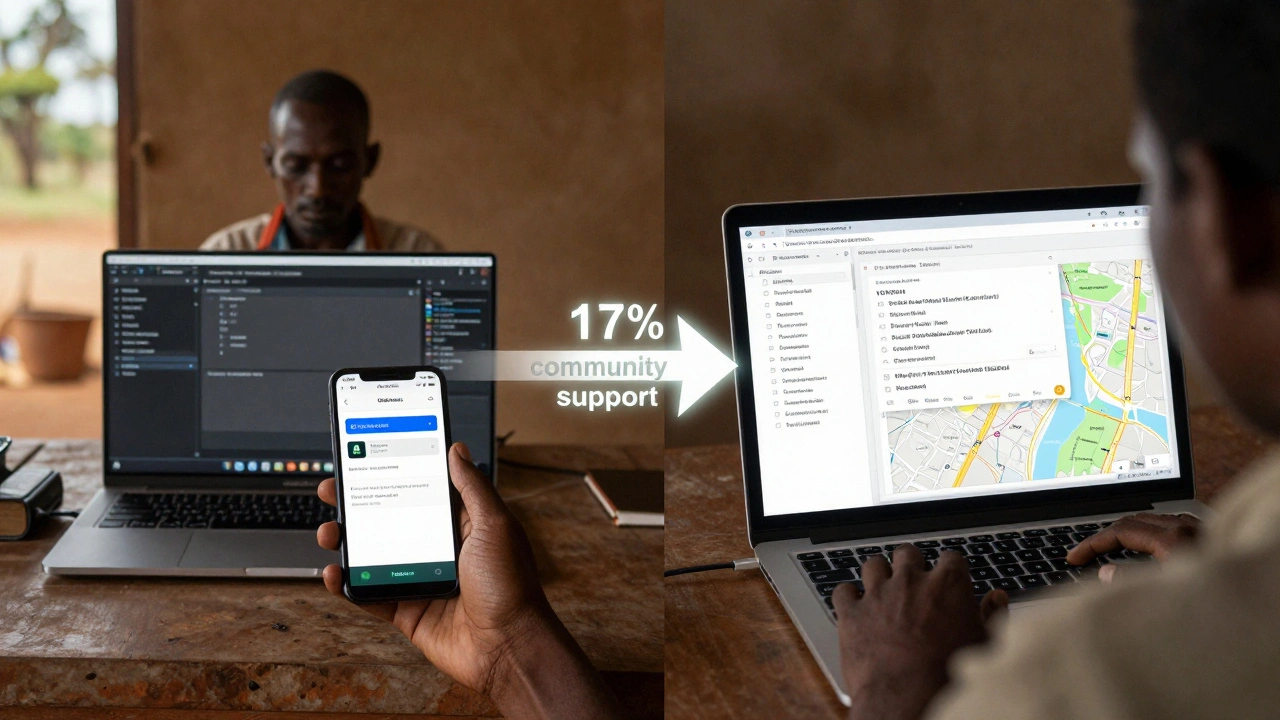
Then there’s community support - 17%. This pays for grants to editors, training workshops, and tools that help volunteers stay organized. Think of it as the glue holding the whole thing together. Without this, Wikipedia would collapse under the weight of its own scale. There are over 100,000 active editors worldwide. Many of them work 10-20 hours a week, unpaid. The foundation gives them tools to manage edits, detect vandalism, and communicate across languages.
The Tools You Use Every Day
Every edit you make, every search you run, every citation you check - it all runs on software built with this budget. Here are the key tools funded by Wikimedia’s spending:
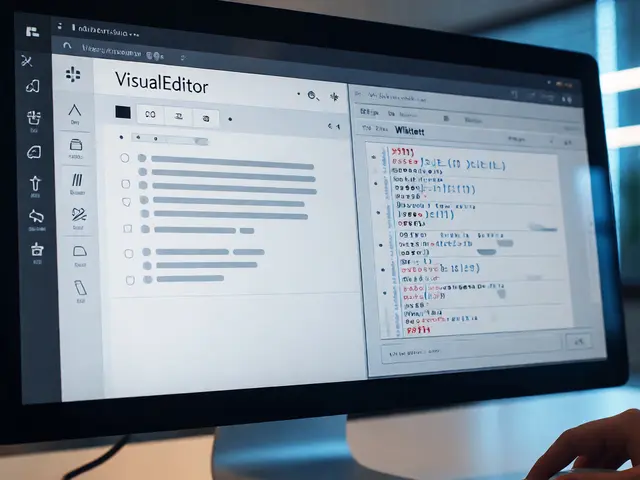
- VisualEditor - The WYSIWYG editor that lets you edit like a Word doc. It replaced the old wiki markup for 85% of new editors since 2018.
- WikiTrust - A tool that highlights edits likely to be vandalism by analyzing edit history. It’s not perfect, but it cuts down manual review time by 30%.
- Wikidata - The structured data backbone that powers infoboxes, maps, and search results. It’s used by over 500 other websites, including Google and the BBC.
- Pageviews Analysis - A public dashboard that shows which articles are trending. Newsrooms, researchers, and students use it daily.
- Mobile App - Downloaded 50 million times. It’s optimized for low-bandwidth regions and includes offline reading, which is critical in parts of Africa and Southeast Asia.
These aren’t side projects. They’re the core reasons Wikipedia still works in 2026.
What Got Cut - And Why
Not everything survived the 2025 budget review. Three tools were scaled back:
- Wikipedia Zero - A partnership with mobile carriers to let users access Wikipedia without data charges. It was dropped in 2024 after telecoms stopped funding it. The foundation decided to focus on improving offline access instead.
- Wikipedia Education Program - The classroom initiative that trained students to edit Wikipedia. It was reduced by 60% after studies showed most student edits were low-quality and temporary. The focus shifted to training teachers directly.
- Wikitext 2.0 - An experimental editor that promised to simplify markup. It was shelved after user testing showed 78% of editors preferred the existing VisualEditor.
These cuts weren’t about saving money. They were about redirecting resources to what actually moved the needle. The foundation doesn’t fund hobbies. It funds impact.
Who Benefits - And Who Doesn’t
Wikipedia’s tools serve everyone, but not equally. The biggest winners are:
- Students and researchers - 63% of users are under 35. They rely on Wikipedia as a starting point for academic work.
- Non-English speakers - 70% of edits happen outside English. Tools like translation assistants and localized interfaces are critical.
- Developers - Over 2,000 third-party apps use Wikipedia’s API. From weather bots to quiz games, they all depend on clean, structured data.
But some groups still struggle. Elderly users find the interface cluttered. People with visual impairments still face accessibility gaps. And in countries with internet censorship, even the mobile app can’t help if the site is blocked.
The foundation knows this. That’s why 8% of the 2025 budget went to accessibility upgrades - screen reader compatibility, contrast fixes, and voice navigation. It’s not glamorous. But it’s necessary.
What’s Next - The 2026 Roadmap
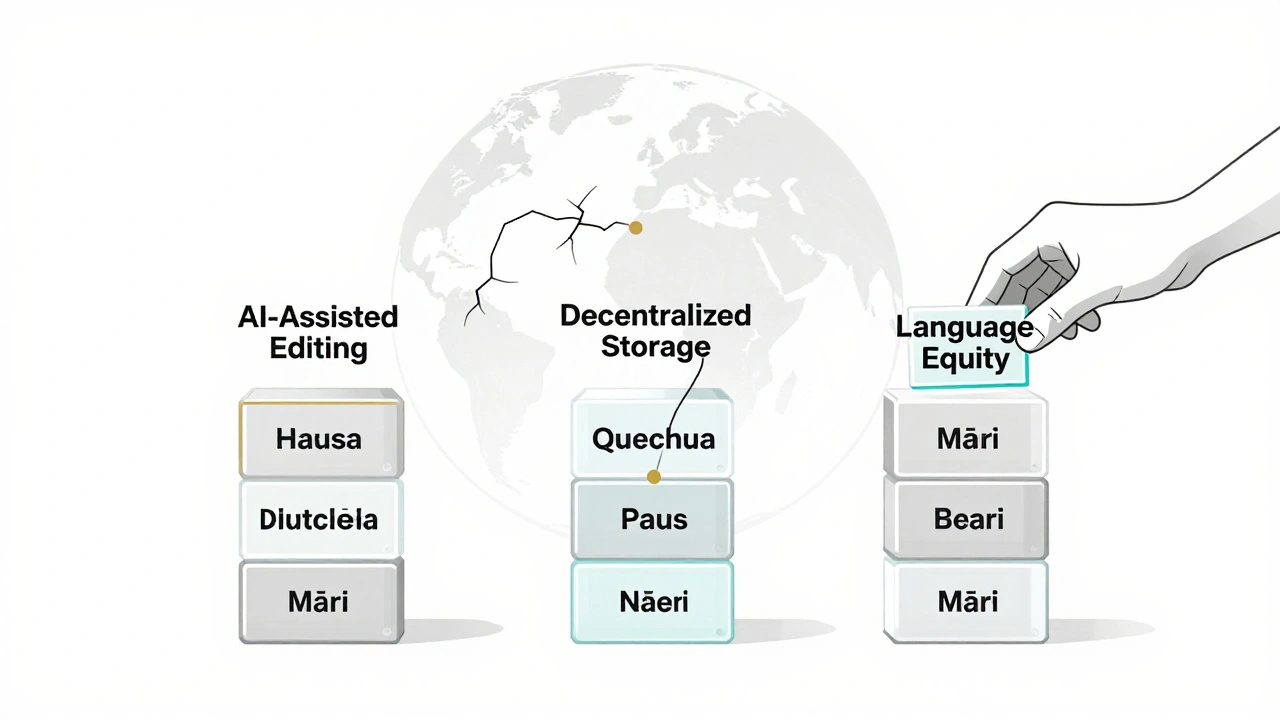
Looking ahead, the foundation has three clear priorities:
- AI-assisted editing - Not to replace humans, but to help. A new tool in testing auto-suggests citations based on edit context. It’s been 92% accurate in trials.
- Decentralized storage - Moving away from centralized servers. The goal: make Wikipedia resilient even if one region goes offline.
- Language equity - 20% of all new funding will go to under-resourced language editions - like Hausa, Quechua, or Māori - where tools are outdated or missing.
The big shift? From fixing what’s broken to building what’s missing. The tools that matter aren’t the ones with the most clicks. They’re the ones that let someone in a remote village write their first Wikipedia article.
Why This Matters to You
You don’t need to donate. You don’t need to be an editor. But if you’ve ever used Wikipedia - and you have - you’re already part of its ecosystem. The tools you use are funded by donations, not ads. That’s rare. And it’s fragile.
Every time you click ‘edit’, you’re asking the foundation to keep the lights on. Every time you search for something and get a clean, ad-free answer, you’re benefiting from a budget that puts users first.
It’s not perfect. But it’s the only major knowledge platform in the world that doesn’t sell your data to make it work.
How does the Wikimedia Foundation get its money?
The Wikimedia Foundation gets nearly all of its funding from individual donations - over 95% in 2025. The rest comes from grants, mostly from foundations that support open knowledge. It does not run ads, sell user data, or accept corporate sponsorship that influences content.
Why doesn’t Wikipedia have ads?
Wikipedia avoids ads to preserve neutrality and trust. Ads create conflicts of interest - advertisers might pressure editors to change content. The foundation believes knowledge should be free from commercial influence. That’s why over 3 million people donate each year, even though they could just use ad-supported alternatives.
Are Wikipedia’s tools free for anyone to use?
Yes. All of Wikipedia’s core tools - including the API, Wikidata, and editing interfaces - are open source and free to use. Developers, researchers, and nonprofits build apps on them every day. You can download the code, modify it, or integrate it into your own project. The only requirement is that you credit Wikimedia and follow the license terms.
Can I see exactly how the budget is spent?
Yes. The Wikimedia Foundation publishes its full financial reports online, down to individual line items. You can download spreadsheets showing every salary, server cost, and grant. These reports are audited by independent firms and updated quarterly. Transparency is built into their mission.
What happens if donations drop?
If donations drop sharply, the foundation would have to cut staff, delay upgrades, or pause development on key tools. It wouldn’t shut down overnight - it has reserves - but critical projects like AI-assisted editing or language tool improvements would be delayed. The goal is to keep the platform stable, not to expand it. Survival comes before innovation.
Wikipedia doesn’t need to be the biggest encyclopedia. It just needs to be the most trustworthy. And that takes more than volunteers - it takes smart, focused spending. The tools you use every day are the result of deliberate choices. Not every dollar goes to the flashiest feature. Some go to keeping the lights on. Others go to making sure someone in a language no one’s heard of can still write their story.