Wikipedia gets cited in thousands of news articles every day. But how often do journalists actually talk to the people who maintain it? Too rarely. And that gap is hurting the quality of coverage - not just for Wikipedia, but for the topics it covers.
Why journalists ignore Wikipedia editors
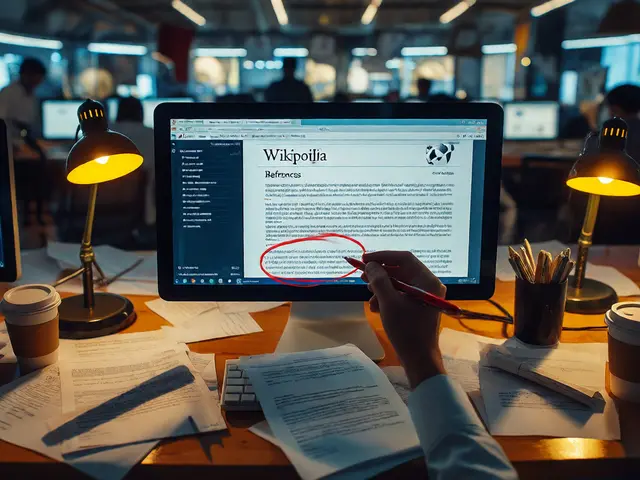
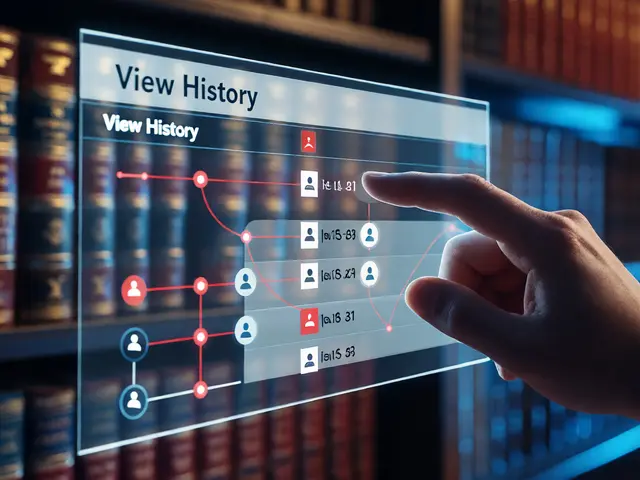
Most reporters treat Wikipedia like a starting point, not a source. They’ll skim an article, grab a fact, and move on. They don’t call the editor who spent three months verifying those numbers. They don’t ask why a controversial section was rewritten last week. They don’t realize that behind every well-sourced paragraph is a community of volunteers, not a faceless algorithm.This disconnect leads to mistakes. A 2024 study by the Tow Center for Digital Journalism found that 37% of news stories citing Wikipedia got at least one key detail wrong because they didn’t check the edit history or talk to contributors. That’s not Wikipedia’s fault. It’s a failure of journalistic process.
What journalist roundtables actually do
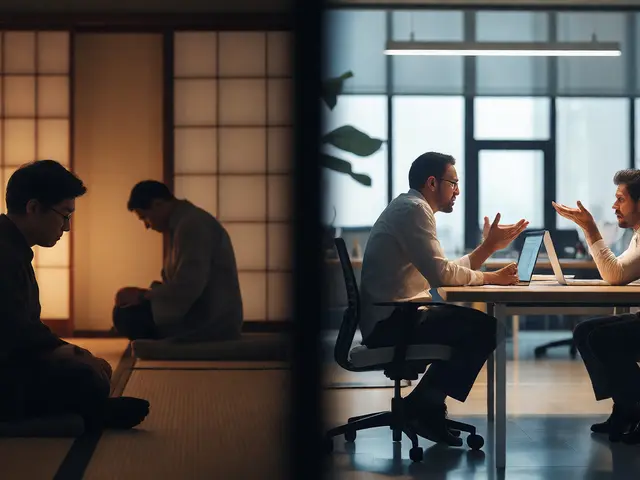
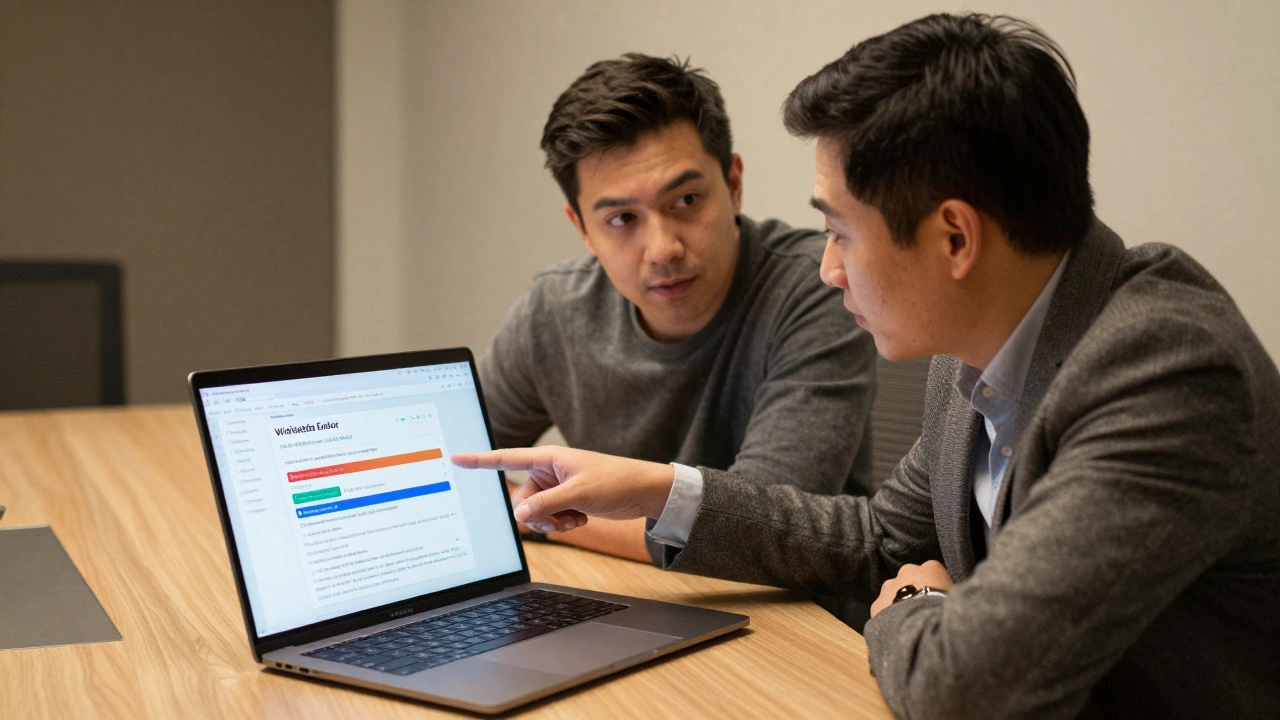
Journalist roundtables are small, invite-only meetings where reporters sit down with active Wikipedia editors. These aren’t PR events. They’re honest conversations. Editors explain how the site works - how disputes get resolved, how sources are vetted, how vandalism gets caught. Reporters ask hard questions: Why was this article protected? Who decides what’s notable? Can I trust a claim if it’s cited to another Wikipedia article?One roundtable in London in 2023 brought together six journalists from the BBC, The Guardian, and Reuters with seven Wikipedia editors. Afterward, three of those reporters changed how they cited Wikipedia. One started including edit IDs in footnotes. Another began tagging stories with a note: "This claim was verified by a Wikipedia editor with 12 years of experience in this topic area."
How roundtables fix coverage gaps
Wikipedia’s biggest weakness isn’t inaccuracies - it’s context. A news story might say, "The company’s profits rose 22% last year," citing Wikipedia. But the Wikipedia article also says the company changed its accounting method mid-year. That detail? Often left out.Roundtables help journalists understand that Wikipedia doesn’t just report facts - it reflects debate. If a topic is contested, the article shows that. If sources are thin, editors flag it. If a claim is disputed, it’s tagged with a citation needed notice.
When reporters understand this, they stop treating Wikipedia as a black box. They start asking: What’s missing here? Who disagrees? Is this consensus or controversy? That leads to richer, more honest reporting.
Real examples of better coverage
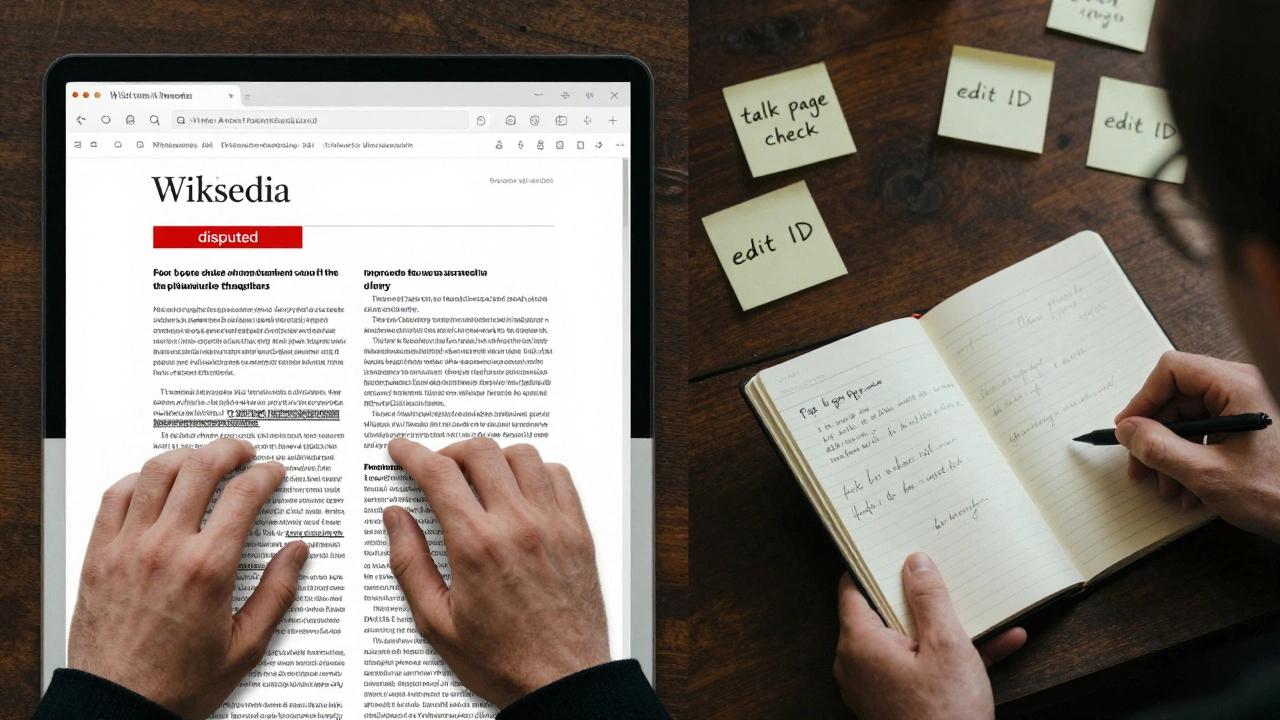
In early 2024, a major U.S. newspaper ran a story on a political figure’s alleged ties to a foreign government. The article cited Wikipedia as the source for a claim about donations. But the Wikipedia article had a prominent note: "This section is under dispute. Two editors have flagged it as unsourced." The reporter didn’t see it.After a roundtable with local editors, the same newsroom started requiring reporters to screenshot the version of the Wikipedia article they used - including any warning banners. Within three months, their error rate on Wikipedia-sourced claims dropped by 58%, according to their internal audit.
Another example: The Associated Press began training its fact-checkers to use Wikipedia’s talk pages as a source of expert opinion. Instead of just checking if a fact was cited, they now check if the citation was debated. That simple shift led to three corrections in a single month - all on stories that had originally claimed "consensus" where none existed.
How to start a roundtable
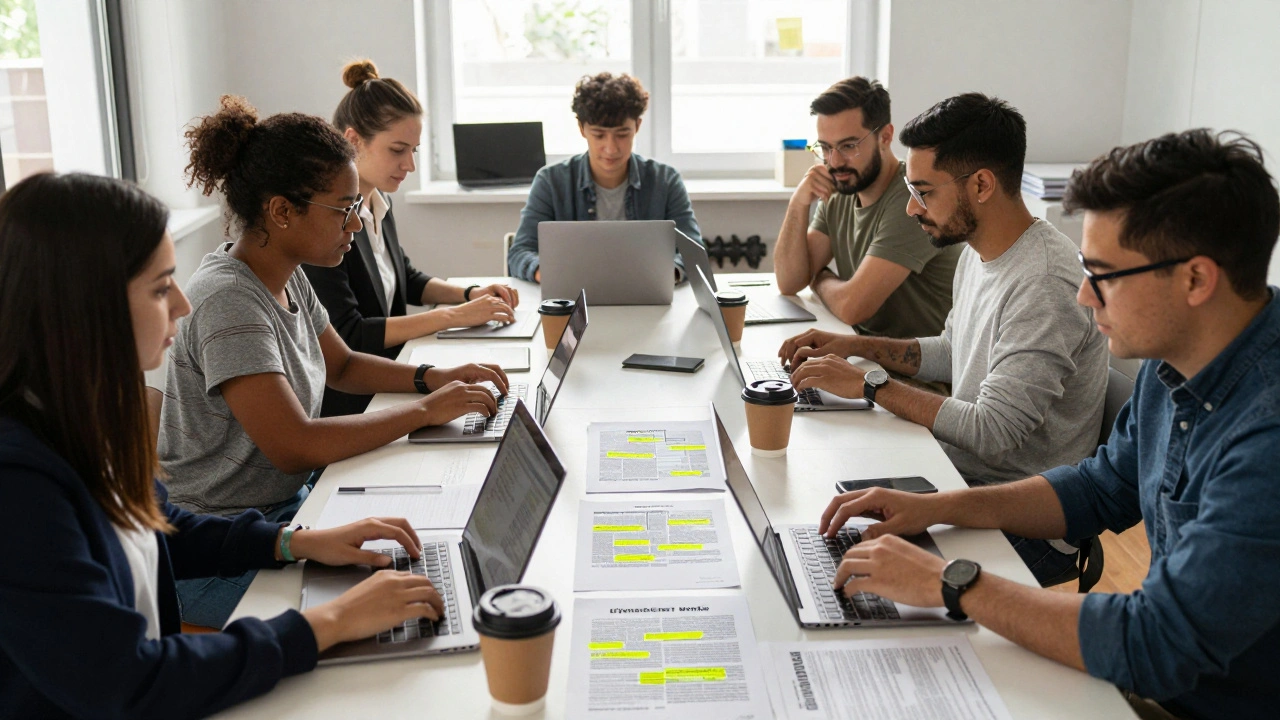
You don’t need a big budget or a press release. Here’s how a small newsroom can begin:- Find three to five active Wikipedia editors in your region or on your beat. Use the Wikipedia editor map or search for users who’ve edited your local topics in the last year.
- Reach out with a simple email: "We’re trying to improve how we use Wikipedia. Would you be open to a 45-minute coffee chat? No pitch. Just questions."
- Meet in person or on Zoom. Record it (with permission) and take notes.
- Share what you learned internally: "Here’s how Wikipedia handles disputed claims."
- Invite them back. Make it a quarterly thing.
Some newsrooms have even created a "Wikipedia liaison" role - usually filled by a junior reporter or editor who’s already active on the site. They become the bridge between the newsroom and the community.
What journalists get out of it
Better sourcing. Fewer retractions. Stronger stories.When you know who wrote what and why, you can tell readers more than just a fact - you can tell them the story behind it. Was this claim hard-won? Was it a long fight? Did experts disagree? That’s the kind of depth that builds trust.
Wikipedia isn’t perfect. But it’s the most detailed, up-to-date reference on the planet for thousands of topics. Ignoring its community means ignoring a living archive of knowledge - and the people who keep it honest.
What editors want from journalists
Wikipedia editors aren’t asking for praise. They’re asking for respect. Here’s what they really want:- Don’t cite Wikipedia as if it’s a primary source. Cite the original source from Wikipedia.
- If you use a fact from Wikipedia, check the talk page. Is it contested? Flag it in your story.
- Don’t write "according to Wikipedia" - write "according to the article on [topic], which cites [source]."
- If you correct a Wikipedia article, leave a note on the talk page explaining why. Editors notice.
- Don’t treat Wikipedia as a dumping ground for your own opinions. It’s not your blog.
Most editors will tell you: "We don’t want to be famous. We just want to be used right."
The bigger picture
This isn’t just about Wikipedia. It’s about how we handle knowledge in the digital age. If journalists keep treating collaborative platforms like black boxes, we’ll keep getting shallow, error-prone reporting. But if we learn to engage with the people who build and maintain these tools - the volunteers, the moderators, the fact-checkers - we can raise the bar for all journalism.Wikipedia is the most visited reference site in human history. It’s not going away. The question is: Will journalism keep using it poorly - or will it start working with it?
Do journalists really need to talk to Wikipedia editors?
Yes - especially if they’re citing Wikipedia in their stories. Editors know which claims are solid, which are disputed, and which are missing context. Talking to them reduces errors and adds depth. A 2024 study showed newsrooms that held roundtables cut their Wikipedia-related corrections by over half.
Can I trust Wikipedia as a source for breaking news?
No. Wikipedia is not designed for breaking news. It requires time to verify and cite sources. During fast-moving events, articles may be incomplete, biased, or full of rumors. Use it to understand context after the fact - not as your first source.
How do I find active Wikipedia editors in my area?
Use Wikipedia’s "User Contributions" tool. Search for edits on topics related to your beat - like local government, schools, or businesses. Look for users with 50+ edits in the last six months. Then send a polite message asking if they’d be open to a short chat. Many are happy to help.
What if my newsroom doesn’t have time for roundtables?
Start small. Assign one reporter to review the talk pages of Wikipedia articles they cite. That takes 10 minutes per story. Or create a one-page guide for your team: "How to Use Wikipedia Without Getting Burned." Many newsrooms have done this with great results.
Are there tools to help journalists use Wikipedia better?
Yes. The Wikipedia Library offers free access to paywalled sources for registered editors - and some newsrooms have partnered with them to give reporters access too. Tools like WikiCite and Citation Hunt help find missing references. The Wikipedia Education Program also trains journalists and students on proper sourcing.