Wikipedia’s news articles on controversial topics-like elections, public health crises, or political scandals-don’t just get edited. They get attacked. Vandalism, biased edits, and misinformation flood in within minutes of breaking news. That’s why Wikipedia uses edit filters and pending changes to keep these pages stable. If you’ve ever tried to fix a typo on a high-risk article only to have your edit sit for days, you know how frustrating it can be. But these tools aren’t there to slow you down-they’re there to stop lies from spreading.
What Are Edit Filters and Why Do They Exist?
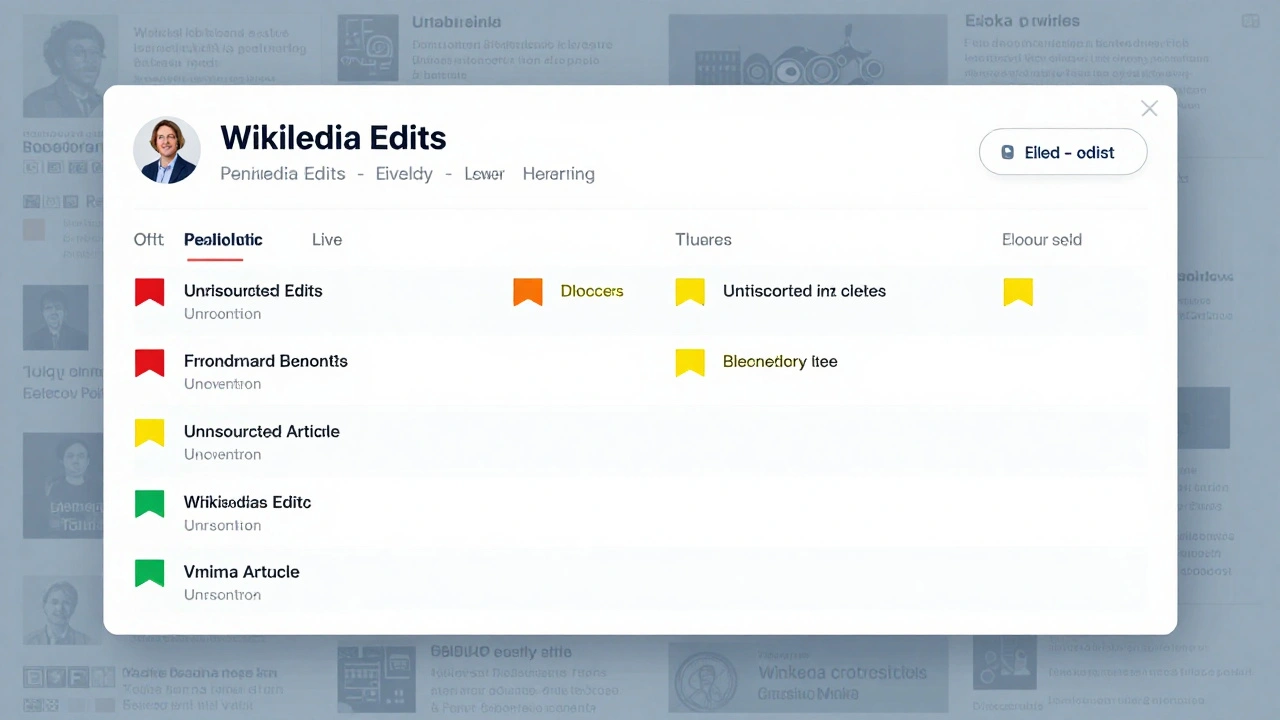
Edit filters are automated systems that watch every edit made to Wikipedia. They don’t block everything. They flag edits that match patterns linked to past vandalism or policy violations. For example, if someone tries to add an unverified claim about a living person’s death, or inserts a partisan slur into a politician’s bio, the filter catches it before it goes live.
These filters aren’t magic. They’re built by experienced editors using rules based on real incidents. The filter for the 2024 U.S. presidential election page, for instance, blocks edits that mention unconfirmed results, fake polling data, or claims of fraud without official sources. It’s not censorship-it’s damage control.
High-risk articles are flagged by Wikipedia’s administrators based on three things: how often they’re vandalized, how sensitive the topic is, and how much media attention they get. The Israel-Hamas war page, for example, has had over 10,000 edits in a single week during major escalations. Without filters, half of them would be false.
How Pending Changes Work
When a page has pending changes enabled, every edit-no matter who makes it-must be reviewed before it appears publicly. This includes edits from logged-in users with years of experience. Even admins can’t bypass it on these pages.
Think of it like a newsroom’s fact-checking desk. A reporter writes a story. An editor reads it. Only then does it go to print. Wikipedia’s pending changes system does the same thing, but with volunteers.
Here’s how it works in practice:
- You make an edit to a high-risk article, like correcting a date or adding a source.
- Your edit goes into a queue called “pending changes.”
- Other trusted editors-called reviewers-check your edit for accuracy, neutrality, and sourcing.
- If approved, it goes live. If rejected, you get a reason why.
This system reduces vandalism by over 90% on protected pages, according to a 2023 Wikimedia Foundation study. But it also creates delays. A simple typo fix can take hours-or even days-to go through. That’s the trade-off: accuracy over speed.
Who Can Review Pending Changes?
Not everyone can review edits on high-risk articles. Only users with pending changes reviewer rights can do it. These are volunteers who’ve been trusted by the community after months or years of consistent, neutral editing.
To become a reviewer, you need:
- At least 500 edits across Wikipedia
- At least 30 days of active editing
- A clean record-no blocks for vandalism or bias
- A nomination and approval from other reviewers
It’s not a promotion. It’s a responsibility. Reviewers don’t get paid. They don’t get badges. They just get access to a queue that can have 200+ edits waiting at peak times.
Most reviewers focus on one or two high-risk topics. One person might only review edits to pages about climate change. Another handles only U.S. political figures. Specialization helps them spot bad edits faster.
How to Improve Your Chances of Getting Your Edit Approved
If your edit keeps getting rejected, it’s not because you’re being targeted. It’s because you’re not meeting the standards for high-risk pages.
Here’s what works:
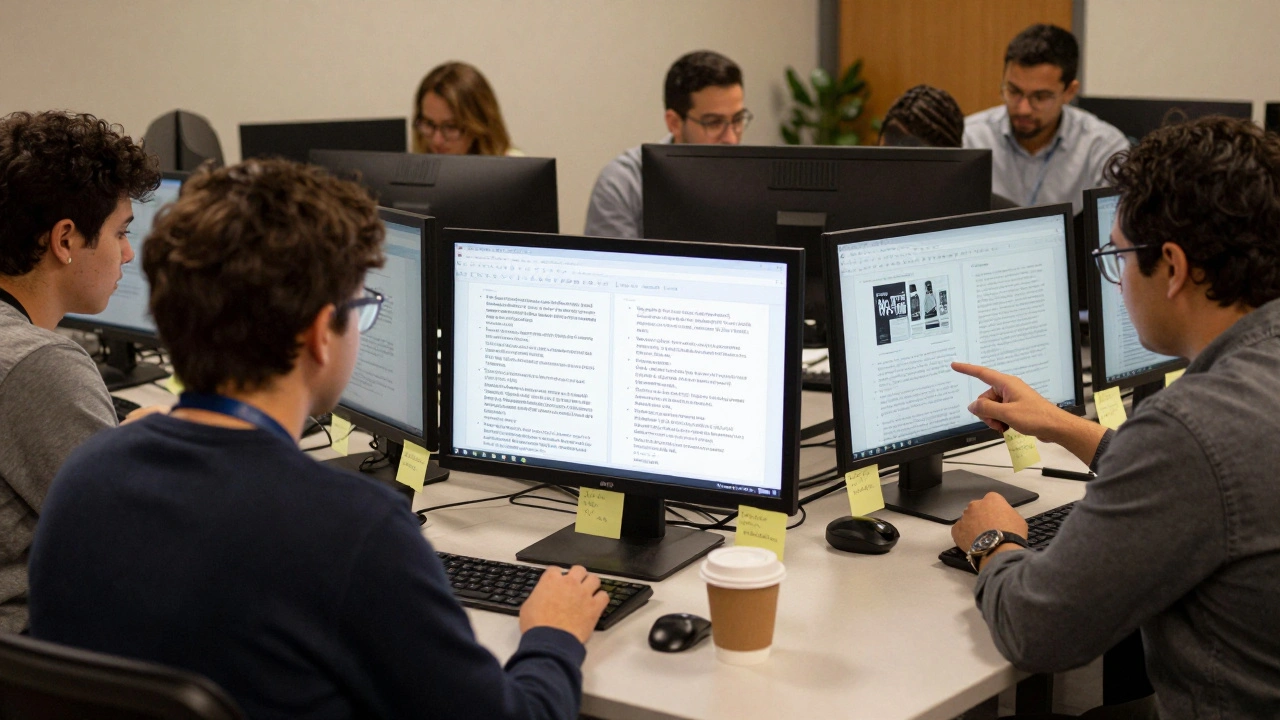
- Use reliable sources. Only cite major news outlets (BBC, Reuters, AP, The Guardian), official government sites, or peer-reviewed journals. Blogs, social media, and partisan sites won’t cut it.
- Don’t reword biased language. If a sentence says “the president lied,” don’t change it to “the president misled.” That’s still opinion. Stick to facts: “The president made a claim later disproven by the State Department.”
- Add context, not just corrections. If you’re fixing a date, add a sentence explaining why the previous date was wrong. Reviewers appreciate effort.
- Use the edit summary wisely. Write: “Corrected birth year from 1975 to 1973 using official biography on White House website.” Not: “Fixed typo.”
- Don’t edit war. If your edit gets reverted twice, stop. Talk on the article’s talk page first. Repeated edits without discussion look like vandalism.
Editors who follow these rules have over an 85% approval rate on their first try. Those who don’t? They get stuck in the queue forever.
What to Do If Your Edit Is Rejected
Getting your edit rejected is normal. But it’s not the end.
First, read the rejection note. It usually says why. Common reasons:
- “Unsourced claim” - you added something without a citation
- “Original research” - you interpreted data instead of reporting what a source said
- “Biased language” - you used loaded words like “corrupt,” “fraud,” or “hero”
- “Edit summary too vague” - you didn’t explain your change
Then, go to the article’s talk page. Say something like:
“I submitted an edit to correct the death date of [person] to March 12, 2024, using the obituary from The New York Times. It was rejected as unsourced. The source is linked here: [link]. Can someone help me understand why it was rejected?”
Most of the time, a reviewer will reply within 24 hours. If they don’t, ask in the Pending Changes Reviewers noticeboard. People there want to help-they’re just overwhelmed.

How to Request Pending Changes Be Turned Off
Some pages stay protected long after they need to be. If a topic is no longer in the news-say, a 2022 election that’s settled-you can ask for pending changes to be removed.
Here’s how:
- Go to the article’s talk page.
- Create a new section: “Request to remove pending changes protection.”
- State why: “This article has had no vandalism in 6 months. No recent media attention. Edit volume is under 5 per week.”
- Link to recent edit history showing stability.
- Tag a Wikipedia administrator using
@AdminUsername.
Administrators check these requests weekly. If the data supports it, they remove the protection within 10 days.
Don’t argue. Don’t demand. Just show the numbers. Wikipedia is a data-driven project.
What Happens When Filters Fail
Filters aren’t perfect. In 2024, a false claim about a U.S. senator’s resignation slipped through because the filter only looked for the phrase “resigned,” but the editor wrote “stepped down.” The edit stayed live for 47 minutes before a reviewer caught it.
That’s why human reviewers are still essential. Filters catch the obvious. Reviewers catch the clever.
Wikipedia’s system works because it layers automation with human judgment. No single tool is enough. But together, they make Wikipedia’s news pages the most accurate, real-time reference on the planet.
Every edit you make-even if it’s small-helps. But only if you play by the rules.
Why does my edit sit in pending changes for days?
High-risk articles often have hundreds of edits waiting review. Reviewers are volunteers who balance this work with their jobs and lives. During major events, the queue can grow to over 500 edits. Be patient. If your edit is accurate and sourced, it will be approved. If it’s not, you’ll get feedback to improve it.
Can I bypass pending changes if I’m an experienced editor?
No. Even editors with 10,000+ edits and administrator status must have their changes reviewed on pages with pending changes enabled. This rule exists to prevent abuse-even trusted users can make mistakes or unintentionally introduce bias. The system treats everyone equally.
Do edit filters block legitimate changes?
Yes, sometimes. Filters use pattern matching, so they can flag good edits that match bad ones. For example, adding a new source might trigger a filter if the URL looks similar to a known spam site. If your edit is blocked and you believe it’s valid, use the “Request an edit review” link on the edit summary page. A human will look at it.
How do I know if an article has pending changes enabled?
Look for a yellow banner at the top of the article that says “This page has pending changes protection.” You’ll also see a note below the edit box saying “Your edit will be reviewed before appearing publicly.” If you don’t see either, the page isn’t protected.
Can I become a pending changes reviewer?
Yes, but it’s not automatic. You need a proven track record of neutral, well-sourced edits over several months. Start by making small, careful edits to high-risk articles. Participate in talk page discussions. When you’re ready, ask a current reviewer or administrator to nominate you. The community votes based on your history, not your experience level.