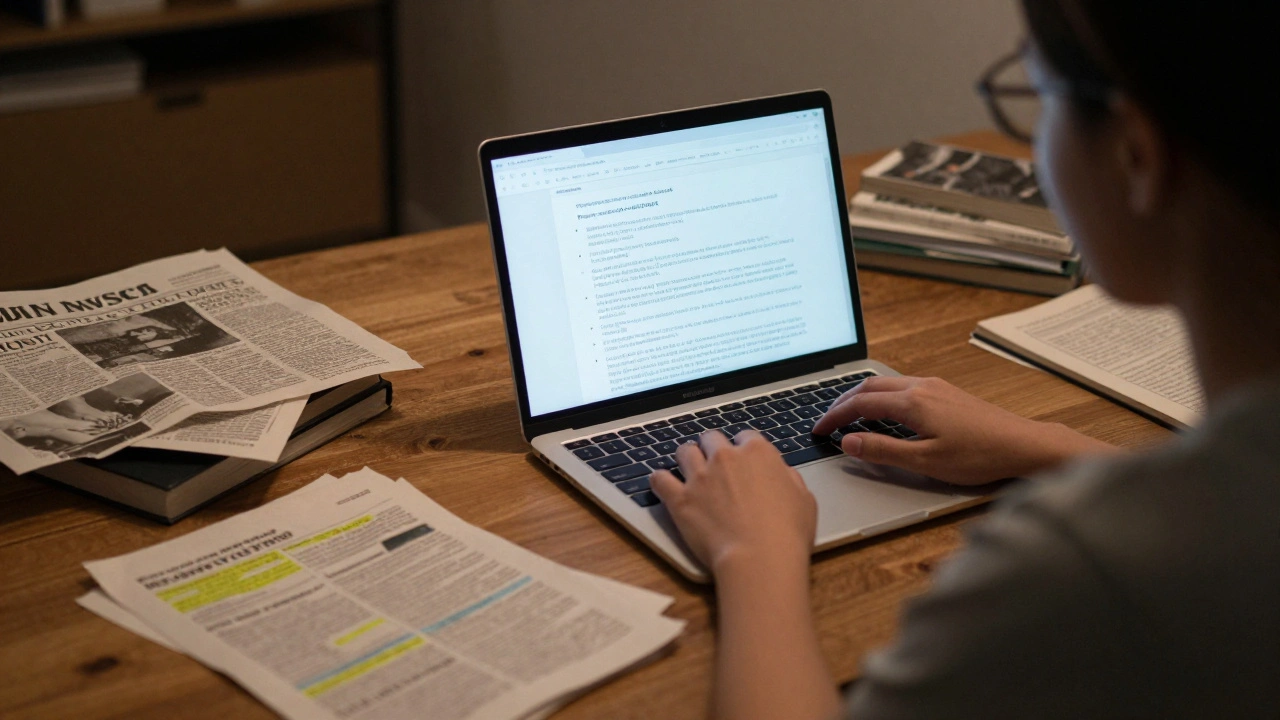
When you write a new article on Wikipedia, you’re not just sharing information-you’re putting it up for public scrutiny. And if it doesn’t meet Wikipedia’s notability standards, it’s at risk of being deleted within days. Many well-researched articles vanish not because they’re wrong, but because they don’t clearly show why the subject matters to the world. Protecting your article during this fragile window isn’t about gaming the system. It’s about meeting the community’s expectations with clear, verifiable evidence.
Why New Articles Get Deleted
Wikipedia doesn’t allow articles just because something exists. A person, company, or event must have received significant coverage in independent, reliable sources. That’s the core of notability. If your article is about a local business, a small nonprofit, or an emerging artist, editors will ask: Where’s the proof that this is noteworthy beyond personal promotion?
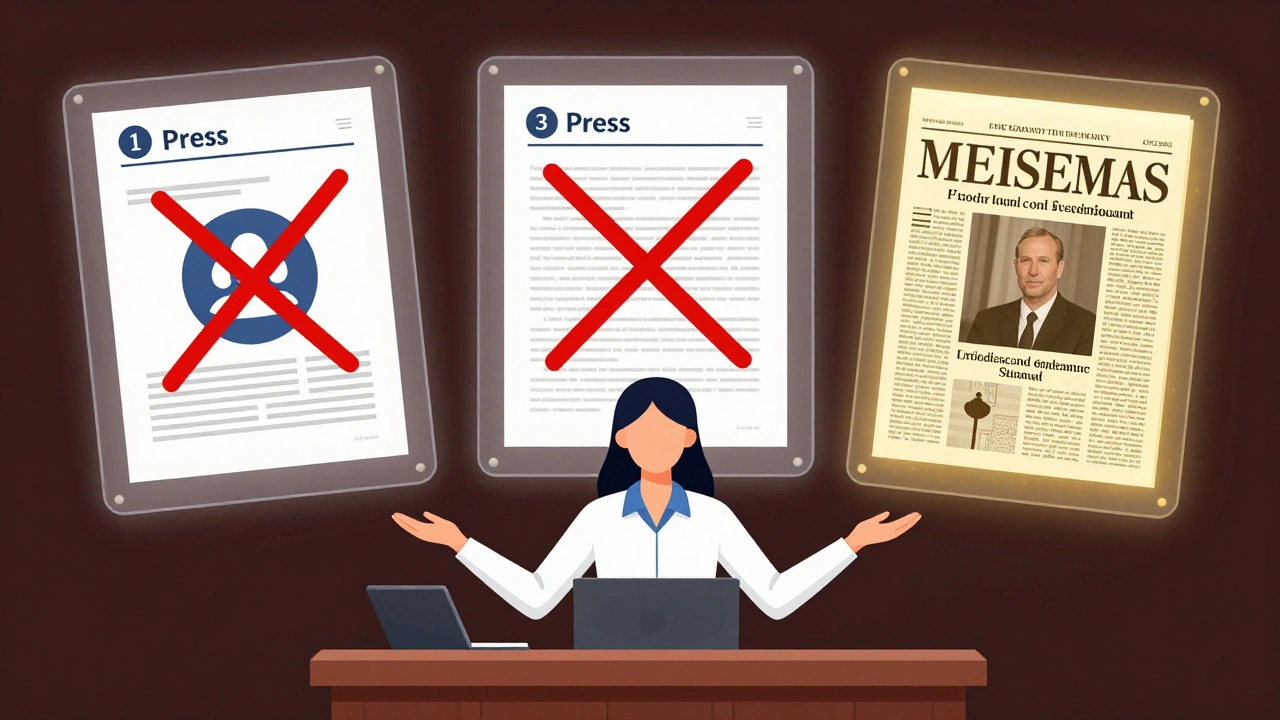
Most deletions happen because the article reads like a press release or a personal bio. It lists achievements without context. It cites the subject’s own website or social media. It doesn’t mention any third-party sources that independently discussed the topic. The deletion process isn’t personal. It’s procedural. Editors follow a checklist: independent sources, significant coverage, reliable publication.
What Counts as a Reliable Source
Not every mention works. A tweet, a blog post, or a university press release doesn’t count. Reliable sources are those with editorial oversight: newspapers, academic journals, books from reputable publishers, major magazines, and trusted news websites. The source must cover the subject in depth-not just mention a name in passing.
For example, if you’re writing about a local musician, a feature article in the Madison Capital Times about their album release counts. A listing on Bandcamp or a fan forum post does not. If your subject was covered in a regional newspaper five years ago, that still counts. Wikipedia doesn’t require recent coverage-just meaningful coverage.
How to Build Evidence Before Submission
Don’t wait until your article is flagged to find sources. Start gathering them before you even create the page. Look for:
- News articles from credible outlets that mention the subject’s work, impact, or achievements
- Books or book chapters that reference the subject
- Peer-reviewed studies or academic papers that cite the subject’s contributions
- Documentaries or major podcasts that feature the subject as a central figure
Save the links. Print or screenshot the pages. Note the date and page number. You’ll need this when responding to deletion discussions. Having three to five solid sources is the minimum. More is better. If you only have two, your article is still at risk.
Use the Draft Space to Prepare
Wikipedia’s draft space is your best friend. Instead of publishing directly to the main namespace, create your article in User:YourUsername/Draft. This gives you time to build sources and refine the writing without triggering immediate deletion reviews.
In draft mode, you can:
- Ask experienced editors for feedback on the Wikipedia:Teahouse or Wikipedia:Articles for creation pages
- Revise the tone to sound neutral, not promotional
- Embed citations properly using
{{cite news}}or{{cite book}}
Many successful articles started in draft. One editor in Madison improved a draft about a local historian for six weeks before submitting. It survived deletion twice because it had four peer-reviewed citations and two major newspaper features.
Responding to Deletion Nominations
If your article gets tagged for deletion (usually with a {{prod}} or {{afd}} tag), don’t panic. You have seven days to respond. Here’s how:
- Read the deletion reason carefully. Is it about lack of sources? Too promotional? Not notable enough?
- Go to the article’s talk page and add a clear, calm response. Don’t argue. Just present evidence.
- Link directly to each source. Don’t say “I have sources.” Show them. Example: “See this 2023 feature in The New Yorker: [link]. This covers their role in the policy change.”
- Remove any promotional language. Replace “groundbreaking” with “widely cited.” Replace “renowned” with “mentioned in three peer-reviewed studies.”
- Ask for help. Post on the Wikipedia:Help desk or mention experienced editors by username.
Most deletions are overturned when editors see real, independent coverage. You’re not trying to convince them the subject is special. You’re showing they already are.
Common Mistakes That Lead to Deletion
Even careful editors make these errors:
- Using Wikipedia itself as a source
- Citing Wikipedia-style blogs or fan sites
- Listing awards without context (e.g., “won Best Local Artist 2022” without mentioning who gave it or how many nominees there were)
- Writing in first or second person (“I founded this organization…”)
- Not explaining why the subject matters beyond their immediate circle
One article about a community garden was deleted because it said, “This garden feeds 200 families.” But it didn’t mention any news coverage, city council recognition, or academic studies on urban food systems. It was just a list of facts. After adding two local news articles and a university report on food equity, it was restored.
When to Walk Away
Not every subject deserves a Wikipedia page. If you’ve tried for weeks and still can’t find three solid, independent sources, it’s time to reconsider. That doesn’t mean your subject isn’t valuable. It just means Wikipedia isn’t the right place to document it.
Consider alternatives: a personal website, a local history archive, a nonprofit’s own documentation page, or even a Medium post. Wikipedia isn’t a personal archive. It’s a public encyclopedia built on verifiable impact.
Final Checklist Before Submitting
Before you publish your article, run through this quick checklist:
- Do I have at least three independent, reliable sources?
- Are the sources from outside the subject’s own organization or website?
- Do the sources discuss the subject in depth-not just name-drop them?
- Is the tone neutral? No adjectives like “amazing,” “revolutionary,” or “best”?
- Are all claims backed by citations?
- Have I avoided personal pronouns (“I,” “we,” “my”)?
If you answered yes to all six, your article has a strong chance of surviving. If even one is no, go back to draft mode and keep building.
What Happens After It Survives
Once your article passes the deletion review, it’s not done. New editors may still edit it. They might remove sections they think are fluff. They might add citations you missed. That’s normal. Don’t revert edits. Engage. Ask why they changed something. Offer better sources. Wikipedia thrives on collaboration, not control.
Keep monitoring your article for a few weeks. Set up a watchlist. Respond to edits with evidence, not emotion. Over time, your article will stabilize-not because you defended it, but because it became a reliable reference.
Can I use Wikipedia to prove notability for my article?
No. Wikipedia cannot be used as a source to prove notability. Even if your subject has a Wikipedia page, that doesn’t mean they’re notable enough to be included in the first place. Notability must be proven with external, independent sources like news articles, books, or academic publications.
How long do I have to respond to a deletion nomination?
You have seven days to respond to a deletion nomination (either PROD or AFD). During this time, you can add sources, edit the article to remove promotional language, and explain why the subject meets notability guidelines. After seven days, editors will vote or make a decision based on the evidence presented.
Do I need to be an experienced editor to protect my article?
No. New editors successfully protect articles every day. What matters is the quality of your sources and how clearly you present them. If you follow the guidelines, use the draft space, and respond calmly to feedback, your article can survive-even if you’ve only edited Wikipedia a few times.
What if my article is deleted anyway?
If your article is deleted, you can request its restoration on the deletion discussion page. You can also resubmit it to Articles for Creation with stronger sources. Don’t recreate it under a slightly different title-that’s against policy. Instead, improve the content, find more reliable references, and try again with better evidence.
Can I use press releases or company websites as sources?
No. Press releases, company websites, and social media profiles are not independent sources. They’re primary sources created by the subject themselves. Wikipedia requires secondary sources-third-party publications that analyze, report on, or discuss the subject independently. A news article quoting a press release is fine. The press release itself is not.