Wikipedia isn’t just a collection of articles-it’s a living project built by millions of volunteers. But when people from all over the world edit the same page, disagreements happen. That’s why Wikipedia has clear rules about how editors should behave. These aren’t suggestions. They’re enforced policies designed to keep the encyclopedia running smoothly, even when tempers flare.
What Does Civility Look Like on Wikipedia?
Civility on Wikipedia doesn’t mean being nice all the time. It means treating others the way you’d want to be treated, even when you strongly disagree. The Wikipedia: Civility policy says editors must avoid personal attacks, sarcasm, condescension, and inflammatory language. You can challenge an edit. You can question someone’s judgment. But you can’t call them a liar, a troll, or a Nazi.
Real-world example: In 2023, a long-running dispute on the article about a U.S. political figure escalated when one editor repeatedly tagged another’s edits as "vandalism" without evidence. The dispute was flagged, and both editors were reminded that labeling someone’s intent without proof violates policy. They were asked to focus on the content, not the person.
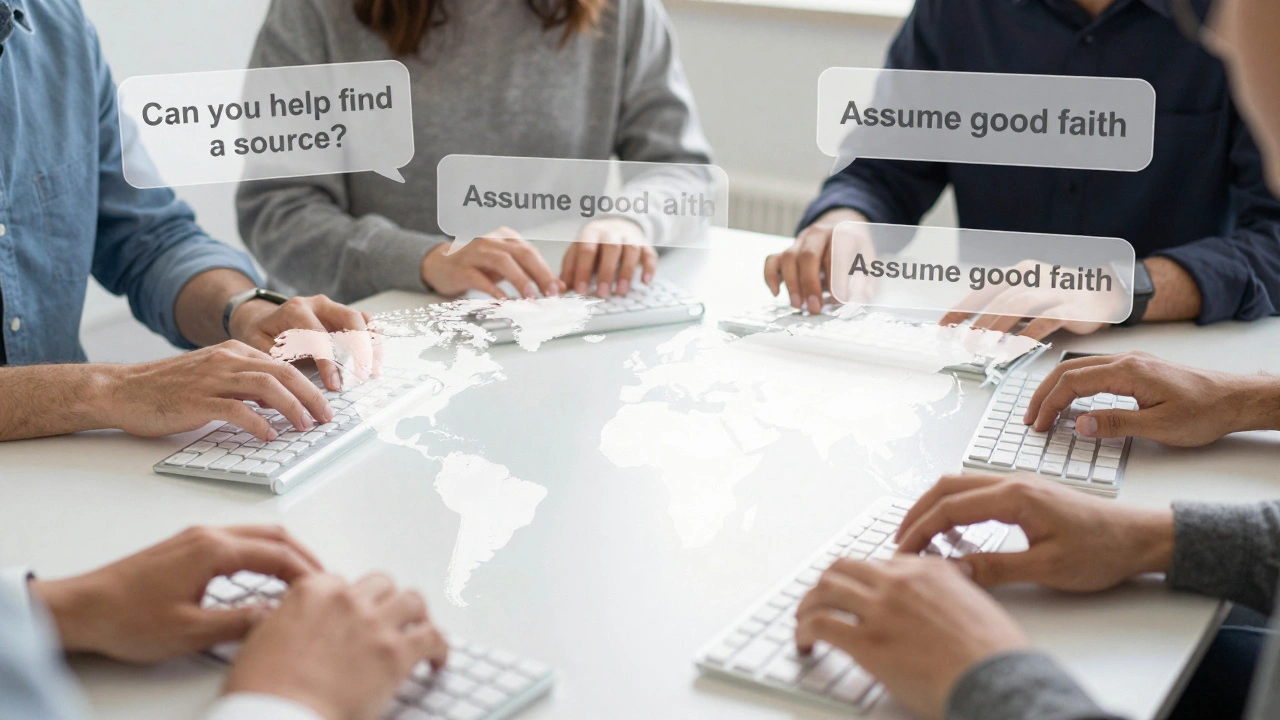
Wikipedia’s system works because most editors follow the unwritten rule: assume good faith. That means if someone changes a date or removes a source, you don’t assume they’re trying to sabotage the article. You assume they might have seen something you missed. You check their edit history. You leave a calm message on their talk page. You give them a chance to explain.
The Four Pillars of Editor Conduct
Wikipedia’s behavior standards rest on four core principles:
- Neutral Point of View (NPOV) - Your personal opinions don’t belong in articles. The goal is to summarize reliable sources fairly, not to push an agenda.
- No Original Research - You can’t add new theories, unpublished data, or your own analysis. Everything must be traceable to published sources.
- Verifiability - Every factual claim needs a citation. If you can’t find a source, don’t include it. Period.
- Civility - As stated above, this isn’t optional. It’s the glue that holds collaboration together.
These aren’t just guidelines. They’re the foundation of every dispute resolution process on Wikipedia. When two editors clash over whether a source is reliable, the conversation should center on the source’s credibility-not who’s "right" or "wrong." The policy doesn’t care about your expertise. It cares about whether the information can be checked.
What Happens When Civility Breaks Down?
When editors stop following the rules, things get messy. Edit wars happen. Reverts pile up. Talk pages turn into shouting matches. That’s when Wikipedia’s conflict resolution tools kick in.
First, there’s mediation. A neutral third party steps in to help both sides talk through the issue. This isn’t arbitration. It’s facilitation. The mediator doesn’t decide who’s right. They help you find common ground.
If mediation fails, editors can request a dispute resolution noticeboard. This is a public forum where experienced editors review the history of edits and suggest next steps. Sometimes they recommend a temporary page lock. Sometimes they suggest a consensus-building process.
And if things get really bad? Blocking. Yes, Wikipedia can and does block editors who repeatedly violate civility policies. Blocks aren’t punishments. They’re cooling-off periods. A block gives the editor time to step back, read the policies, and return with a better attitude. Most blocked editors come back. Those who don’t? They’re usually the ones who never understood that Wikipedia isn’t a personal blog.
Common Mistakes That Trigger Conflict
Here are the top three behavior mistakes that spark disputes:
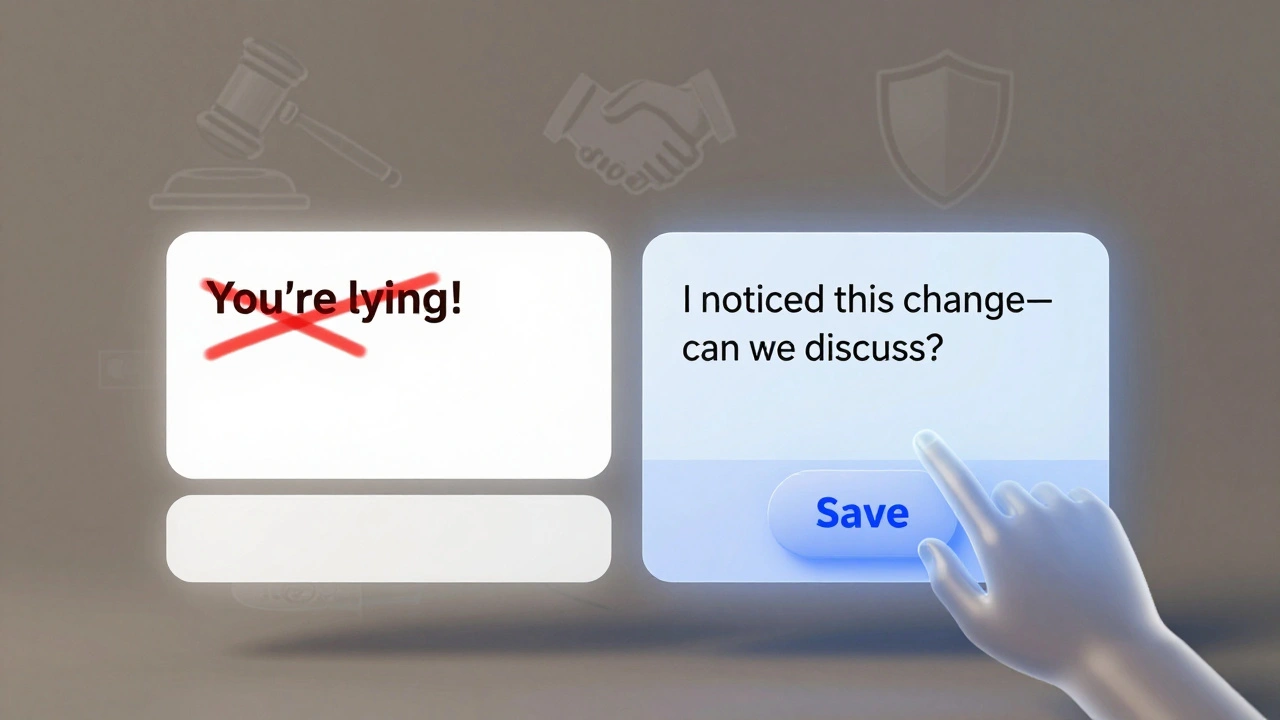
- Using emotionally charged language - Phrases like "this is nonsense," "obviously false," or "you clearly don’t understand" instantly escalate tension. Replace them with: "I’m having trouble finding a source for this claim. Can you help?"
- Ignoring edit summaries - If someone leaves a clear reason for their edit (e.g., "Removed unverified claim per WP:V"), don’t just revert it. Respond to the reason. If you don’t understand, ask.
- Editing in silence - Making repeated changes without discussion is a red flag. Wikipedia rewards collaboration. If you’re unsure, start a talk page thread. Even a single sentence like, "I noticed this change. Could we discuss it?" prevents a lot of drama.
One editor in the UK edited a page about climate science 47 times in three days without leaving a single comment. The page was eventually semi-protected. The editor was blocked for two weeks. When they returned, they said they didn’t realize they were supposed to explain their edits. They didn’t know Wikipedia worked that way. That’s the problem-not malice, but ignorance.
How to Stay on the Right Side of the Rules
If you want to edit Wikipedia without becoming a target, follow these simple practices:
- Always use the talk page - Before making a big change, leave a note. Even if you’re sure you’re right, a polite message builds trust.
- Check the edit history - Was this edit reverted before? Did someone else raise the same concern? Don’t repeat history.
- Use neutral language in your comments - Say "this section lacks citations" instead of "this is junk."
- Don’t respond to hostility with hostility - If someone’s rude, don’t match them. Walk away. Report it if needed. The system is designed to protect you.
- Read the policies before editing - The civility policy is under 500 words. It’s worth reading twice.
There’s no secret trick. Wikipedia doesn’t reward speed. It rewards patience. It doesn’t reward clever arguments. It rewards clear, sourced, respectful collaboration.

What to Do If You’re Targeted
If someone is attacking you personally-calling you names, accusing you of bad faith, or spamming your talk page-you don’t have to handle it alone.
First, stop replying. Don’t engage. The more you reply, the more it looks like a feud.
Second, save the evidence. Copy the messages. Note the timestamps.
Third, go to the Administrator Noticeboard or the Dispute Resolution Noticeboard. Submit a clear, calm report. Include links to the problematic edits and messages. Don’t rant. Stick to facts.
Administrators don’t care about your feelings. They care about policy violations. If you show them clear evidence of incivility, they’ll act. Most cases are resolved within 48 hours.
And remember: being reported doesn’t mean you’re wrong. It just means the system is working.
Why This Matters Beyond Wikipedia
Wikipedia’s civility rules aren’t just about keeping the site clean. They’re a working model of how large-scale collaboration can succeed without top-down control. In a world where online spaces are filled with outrage, Wikipedia proves that structured norms can foster cooperation-even among strangers.
More than 30 million articles have been edited by volunteers who’ve never met. They don’t know each other’s names, jobs, or politics. But they all agree on one thing: if you want to build something lasting, you have to treat each other with basic respect.
That’s not idealism. It’s practical. And it’s why Wikipedia is still here-while so many other online communities have burned out.