
Imagine you are editing a biography for a prominent figure in the LGBTQ+ community. You find that the article uses an outdated or potentially offensive term instead of the preferred identity label used by the subject and their peers. You fix it. Within hours, another editor reverts your change, citing "notability" or "consensus." Sound familiar? If you have ever tried to improve accuracy on Wikipedia is a free online encyclopedia created and edited by volunteers around the world., you know that factual errors are easy to spot, but disputes over language and identity are messy.
The core problem isn't usually about the facts; it's about the words we use to describe people. When editors clash over identity terms, the conversation often stalls because everyone assumes they are being objective. In reality, objectivity in this context means relying on evidence, not personal comfort. To navigate these disputes effectively, you need to shift your mindset from "winning the argument" to "proving the claim with data." This guide breaks down how to do exactly that, using the specific tools and standards Wikipedia relies on.
Understanding the Core Conflict: Why Words Matter More Than Facts Here
In most technical articles, if two engineers disagree on a specification, they look at the manual. But when discussing human identity, there is no single manual. This creates a unique challenge for Neutral Point of View (NPOV) is a guideline on Wikipedia that requires articles to present significant viewpoints fairly and proportionally.. NPOV doesn't mean avoiding all bias; it means avoiding editorial bias. It requires presenting the majority view held by reliable sources, even if that view is controversial to some readers.
When a dispute arises over an identity term, such as whether to use a clinical diagnosis versus a self-identified label, the conflict usually stems from a mismatch between primary and secondary sources. Primary sources are the raw materials-interviews, personal blogs, or social media posts. Secondary sources are the analysis-academic journals, major news outlets, and established biographies. Wikipedia generally prefers secondary sources because they have already undergone a layer of scrutiny. If you rely solely on a person’s tweet to define their identity in a global encyclopedia, you are setting yourself up for a revert. The key is to find where the broader public record agrees with the individual’s preference.
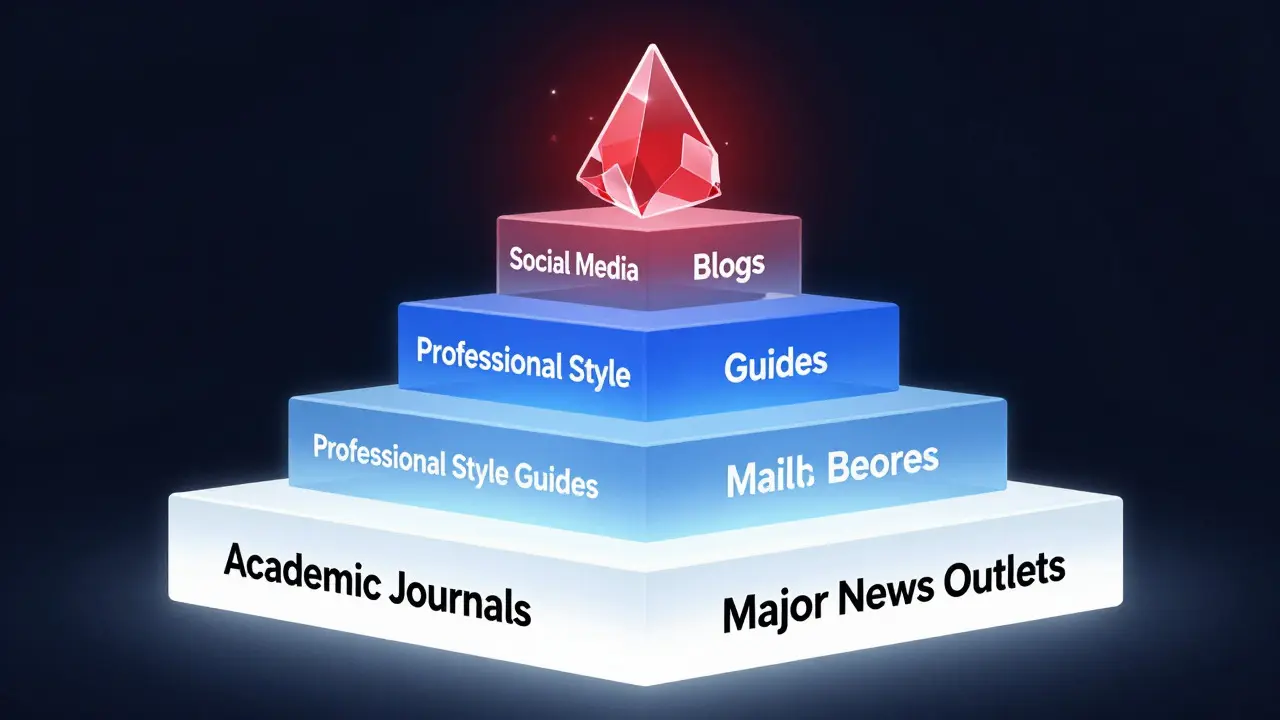
The Hierarchy of Evidence: What Counts as a Reliable Source?
Not all sources carry the same weight. To win a dispute without triggering a war of edits, you need to bring the strongest possible evidence. On Wikipedia, reliability is judged based on the source's reputation, its independence from the subject, and its track record of accuracy.
- Academic Journals: These are the gold standard for historical or sociological contexts. If a peer-reviewed study categorizes a group using a specific term, that carries immense weight.
- Mainstream Media Outlets: Publications like the New York Times, BBC, or Reuters are considered highly reliable for current events and contemporary figures. Their style guides often dictate which terms are currently acceptable in mainstream discourse.
- Major Non-Profit Organizations: Groups like the American Psychological Association (APA) publish style manuals that explicitly recommend certain terminology. Citing the APA style guide is one of the most effective ways to settle a debate about clinical vs. social labels.
- Self-Published Works: Books written by the subject themselves are useful but tricky. They are primary sources. Use them to confirm what the subject calls *themselves*, but pair them with secondary sources to show how the wider world perceives them.
A common mistake is using a blog post or a forum thread as proof. While these can be interesting context, they rarely satisfy the burden of proof required for a main article text. If you want to mention a niche term, save it for the "Reception" or "Criticism" section, clearly attributed to a specific critic or outlet, rather than stating it as fact in the lead paragraph.
Step-by-Step Strategy for Resolving the Dispute
Once you have identified the correct term and found the supporting evidence, you need to execute the edit carefully. Jumping straight into the article text without preparation often leads to immediate reversion. Follow this process to build consensus before you touch the code.
- Check the Talk Page History: Before making changes, read the last six months of the talk page. Has this been discussed before? If so, what was the outcome? Ignoring past consensus is a fast way to get blocked.
- Start a New Discussion Thread: Create a clear, titled thread on the talk page. Avoid emotional language. State the issue neutrally: "Proposing update to terminology based on recent APA guidelines."
- Cite Specific Sources in the Discussion: Don't just say "sources agree." Link to the specific articles or book chapters. Quote the relevant sentence. Make it easy for other editors to verify your claim.
- Wait for Response: Give it at least 48 hours. If no one responds, you can make the edit, but leave a note on the talk page explaining why. If someone objects, engage with their specific counter-evidence, not their personality.
- Make the Edit with Citations: Once you feel supported, make the change. Add the citation directly next to the term. This makes it harder to revert without addressing the source.
Navigating Common Pitfalls and Red Flags
Even with good sources, you can trip up if you misinterpret the context. One major pitfall is conflating "preferred name" with "official title." For example, a politician might prefer a nickname in interviews, but official government documents still use their full legal name. Wikipedia tends to follow official records for titles and names unless the preferred name has become the dominant form in reliable coverage.
Another red flag is recency bias. Just because a new term is trending on social media doesn't mean it has entered the lexicon of reliable secondary sources. Wait until major news outlets start using the term consistently. If only three out of fifty major articles use the new term, stick with the older, more established term for now, and add a note in the talk page that the terminology is evolving.
Finally, watch out for "edit warring." If you change the text and another editor changes it back immediately, stop editing the article. Move the discussion entirely to the talk page. Continuing to flip the text back and forth looks like bad faith to administrators and can result in temporary blocks. Patience is a strategic tool, not just a virtue.

Building Long-Term Consensus Through Community Engagement
Resolving a single dispute is satisfying, but preventing future ones is better. This involves understanding the communities within Wikipedia that specialize in different topics. There are dedicated projects for history, science, and culture that have their own sub-guidelines for terminology. Joining these projects, even just by reading their portals, gives you insight into what kind of sources they value.
If you frequently edit articles about marginalized groups, consider looking into the Wikipedia Diversity and Inclusion initiatives. These groups often maintain lists of recommended sources and style guides specifically tailored to representing diverse perspectives accurately. Aligning your work with these existing resources shows other editors that you are part of a larger effort to improve quality, not just pushing a personal agenda.
| Source Type | Reliability Level | Best Used For | Risk Factor |
|---|---|---|---|
| Peer-Reviewed Academic Journal | High | Historical context, sociological definitions | Low (unless outdated) |
| Major News Outlet (NYT, BBC) | High | Current usage, contemporary figures | Medium (bias toward mainstream norms) |
| Professional Style Guide (APA, AMA) | Very High | Clinical vs. social labels, standardized terms | Low (authoritative standard) |
| Subject's Social Media | Low | Confirming self-identification only | High (primary source, not verified) |
| Blog Post / Forum | Very Low | Contextual nuance in criticism sections | Very High (often rejected as unreliable) |
When to Escalate: Requesting Administrator Help
Sometimes, despite your best efforts, the dispute becomes personal or cyclical. This is when you should escalate. But don't go to an administrator with a complaint; go with a case file. Summarize the timeline, list the sources you provided, and quote the opposing editor's rationale. Ask for a neutral third party to review the sources. Administrators are not judges of truth; they are referees of process. If you can prove you followed the rules of reliable sourcing, you will almost always win the procedural argument.
Remember, the goal of Wikipedia is not to reflect your personal values, but to reflect the consensus of reliable knowledge. By anchoring every change in solid evidence, you remove the emotion from the equation. You turn a subjective debate into an objective verification task. That is how you navigate the storm and keep the encyclopedia accurate.
What is the difference between a primary and secondary source on Wikipedia?
A primary source is original material, such as a person's diary, interview, or social media post. A secondary source analyzes or interprets primary sources, such as a newspaper article, academic paper, or biography. Wikipedia generally prefers secondary sources for the main text because they represent a broader, vetted consensus rather than a single perspective.
Can I use a person's preferred name if it contradicts their legal name?
Yes, but with caution. If reliable sources consistently refer to the person by their preferred name, you should use it in the lead. However, you must cite those sources. If the legal name is still widely used in official records, you may need to include both, clarifying which is which, to maintain neutrality.
What should I do if my edit is reverted immediately?
Stop editing the article immediately. Go to the talk page and explain your reasoning with citations. Reverting again without discussion starts an edit war, which can lead to penalties. Let the talk page serve as the arena for the debate, not the article itself.
Are social media posts considered reliable sources?
Generally, no, not for establishing facts or terminology in the main text. They are primary sources and lack independent verification. However, they can be used to support a claim about what the subject said or did, provided you cite a secondary source that reported on that social media activity.
How long should I wait for a response on the talk page?
There is no strict rule, but 48 to 72 hours is a reasonable timeframe for active topics. For less popular articles, you might wait a week. The key is to give others a fair chance to respond before assuming consensus exists in your favor.