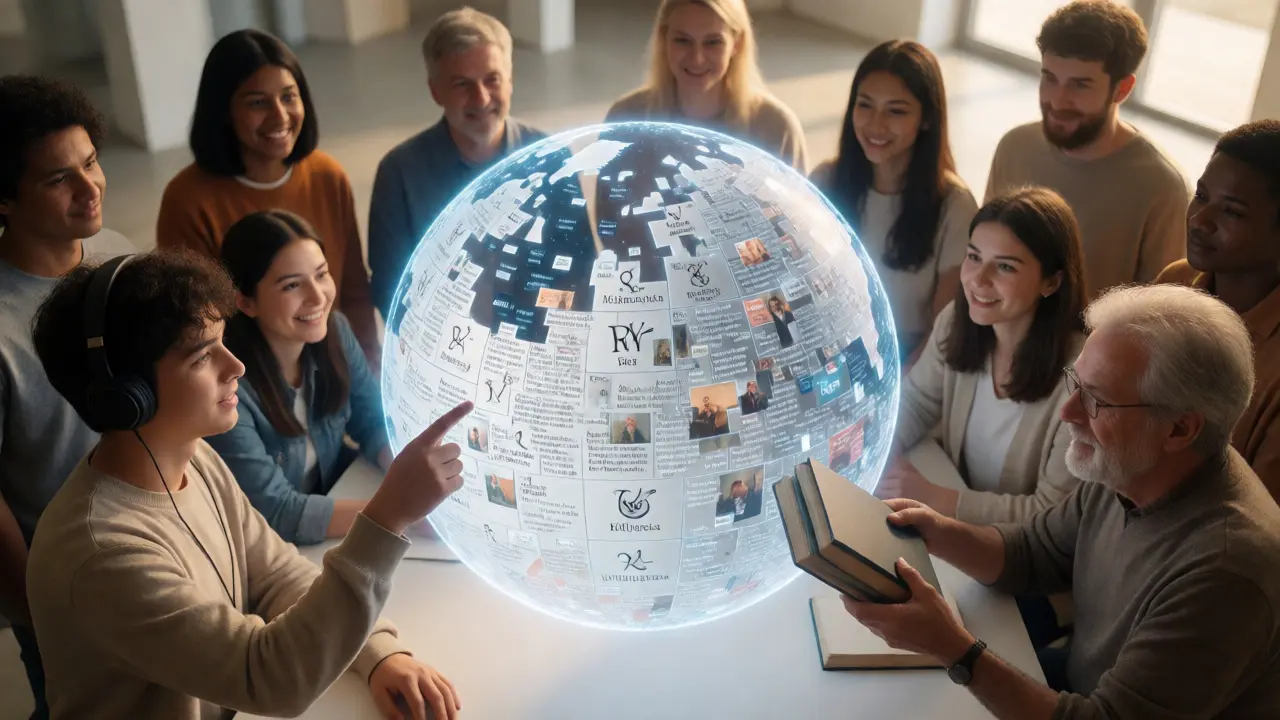
You might think Wikipedia is written by a small army of paid academics. The reality? It’s built by thousands of unpaid volunteers, many of whom are surprisingly young, and some of whom have shaped entire fields of knowledge single-handedly. While the Wikimedia Foundation supports the infrastructure, it’s the human editors who decide what stays, what goes, and how facts are framed.
If you’ve ever wondered who actually writes the world’s largest encyclopedia, you’re in for a surprise. It’s not just professors in ivory towers. It’s teenagers, retirees, hobbyists, and activists. This article breaks down the profiles of notable Wikipedia contributors, explores the shifting demographics of the editing community, and reveals why these people matter more than you think.
The Myth of the Faceless Editor
For years, the prevailing narrative was that Wikipedia editors were anonymous bots or obscure academics. That image has shattered. Today, we know that Volunteer Editors are a diverse group with distinct motivations. Some seek recognition; others want to correct misinformation they see in real-time. A few are even compensated, though this is controversial within the community.
Consider the case of "Jimbo Wales," the co-founder of Wikipedia. While he is an executive figure, his early role as a hands-on editor set the tone for community governance. But he’s far from the most prolific. The true power lies in the long tail of dedicated users who maintain niche articles on everything from medieval coinage to modern K-pop bands.
Who Are the Top Contributors?
When we look at edit counts and quality assessments, certain names rise to the top. These aren’t just random usernames; they are recognized authorities in their respective domains. Let’s look at three archetypes of influential editors:
- The Generalist: Users like Ser Amantio di Nicolao (a pseudonym) who focuses on classical music biographies. They don’t just add text; they verify sources, fix formatting, and ensure neutrality across thousands of entries.
- The Specialist: Editors who focus on one narrow field, such as Paleontology. One notable example is user "FossilHunter," who has contributed extensively to dinosaur taxonomy, often collaborating with actual paleontologists to ensure scientific accuracy.
- The Activist: Contributors driven by social justice, such as those involved in the WikiProject Women Scientists. Their goal isn’t just accuracy but visibility, ensuring that marginalized voices aren’t erased from the historical record.
These profiles show that influence on Wikipedia isn’t measured solely by volume. It’s measured by impact. An editor who fixes a critical error in a medical article saves lives. Another who adds citations to a political biography prevents future debates from spiraling into chaos.
Editor Demographics: The Changing Face of Wikipedia
Historically, Wikipedia had a severe demographic skew. Studies from the mid-2010s suggested that over 80% of active editors were male, and the majority identified as Western. This led to significant content bias, known as "systemic bias." For instance, topics related to women’s history or non-Western cultures were often underrepresented or poorly sourced.
| Time Period | Estimated Male % | Estimated Female % | Dominant Age Group | Key Focus Areas |
|---|---|---|---|---|
| 2005-2010 | ~90% | ~6% | 30-45 | Tech, History, Politics |
| 2011-2015 | ~85% | ~10% | 25-40 | Pop Culture, Gaming |
| 2016-2020 | ~75% | ~15% | 20-35 | Social Issues, Global South |
| 2021-2026 | ~65% | ~25% | 18-30 | Diversity, Climate, AI |
The data tells a clear story. As the platform matured, it opened up. Initiatives like "Edit-a-thons" specifically targeted underrepresented groups. By 2026, while gaps remain, the community is far more inclusive. Younger editors, particularly Gen Z, are now driving changes in language, style, and topic selection. They prioritize accessibility and clarity over dense academic jargon.
Why Do People Edit Wikipedia?
It’s easy to ask, "Why bother?" There’s no paycheck. No LinkedIn badge (usually). Yet, millions contribute. The reasons are psychological and social.
First, there’s the desire for intellectual contribution. Many editors are lifelong learners who enjoy synthesizing information. They find satisfaction in taking messy, conflicting sources and creating a coherent summary. It’s a form of curation that feels productive.
Second, there’s community belonging. Wikipedia talk pages can be intense, but they also foster deep connections. Editors often collaborate for years, developing shorthand and mutual respect. For isolated individuals, this digital tribe provides essential social interaction.
Third, there’s activism. If you care about climate change, you can’t ignore Wikipedia. It’s the first place people look. By editing, you shape public understanding. This sense of agency is powerful. You’re not just reading history; you’re writing it.
The Rise of Paid Editing and Conflicts of Interest
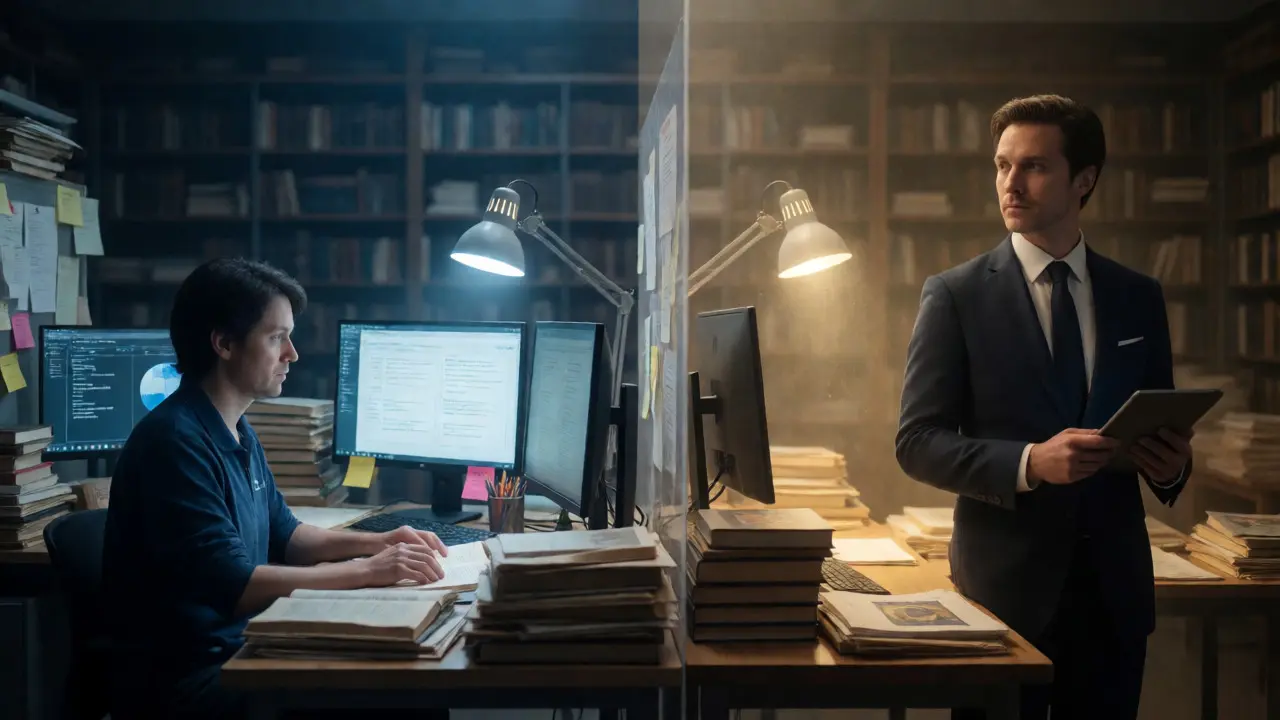
Not all editors are volunteers. A growing segment consists of Paid Editors, hired by corporations, politicians, or PR firms to manage their online presence. This creates tension. When a company edits its own article to remove negative press, does it serve the reader or the shareholder?
The Wikimedia Foundation requires disclosure of paid contributions. However, enforcement is tricky. Notable cases include the "WikiGate" scandal involving congressional staffers editing representatives' pages. These incidents highlight the fragility of trust. Readers assume neutrality; editors must work hard to maintain it.
For aspiring editors, this means transparency is key. If you’re being paid, say so. If you’re passionate, prove your sources. The community values integrity above all else.

How to Spot an Influential Editor
You don’t need to check every user page to gauge credibility. Look for these signals:
- Longevity: Accounts older than five years are usually more stable and knowledgeable.
- Specialization: Editors with consistent activity in one topic area tend to produce higher-quality content than generalists who dabble everywhere.
- Citation Quality: Good editors cite reliable sources, not blogs or self-published books. Check the references section. If it’s full of dead links or questionable sites, proceed with caution.
- Talk Page Activity: Read the discussion tab. Did the editor engage politely? Did they accept corrections? Civil discourse is a hallmark of respected contributors.
Understanding these traits helps you evaluate information faster. You stop treating Wikipedia as a monolith and start seeing it as a living document shaped by specific humans with specific biases and strengths.
The Future of Wikipedia Contributions
As we move deeper into the 2020s, artificial intelligence is changing the game. Tools like Generative AI can draft summaries, but they lack judgment. Human editors are still needed to verify facts, detect hallucinations, and ensure nuance.
We predict a shift toward "curation" rather than "creation." With AI handling basic drafting, human editors will focus on high-level synthesis and conflict resolution. Demographically, expect more global participation. Local language Wikipedias are growing rapidly, bringing new perspectives to the global stage.
The core mission remains unchanged: free knowledge for everyone. But the people delivering it are evolving. They are younger, more diverse, and increasingly aware of their impact. Whether you’re a student, a researcher, or a casual browser, recognizing the humanity behind the screen makes the experience richer.
Are Wikipedia editors paid?
Most Wikipedia editors are volunteers who do not receive payment. However, a small percentage are paid by organizations to edit specific articles, often for public relations purposes. The Wikimedia Foundation itself employs staff for technical support and outreach, but they generally do not write content directly.
Who is the most prolific Wikipedia editor?
The title of most prolific editor changes frequently. Historically, users like "Steven Pruitt" held records for sheer volume of edits. Currently, several bots and human editors compete for top spots, depending on whether you count raw edit counts or bytes added. Steven Pruitt alone made over 4 million edits before his retirement from active daily editing.
What is the gender gap in Wikipedia editing?
Studies estimate that between 10% and 20% of active English Wikipedia editors identify as female, though this number varies by project and region. Efforts like "Women in Red" have significantly increased the creation of biographies for women, aiming to close the representation gap in content as well as participation.
Can anyone become a notable Wikipedia contributor?
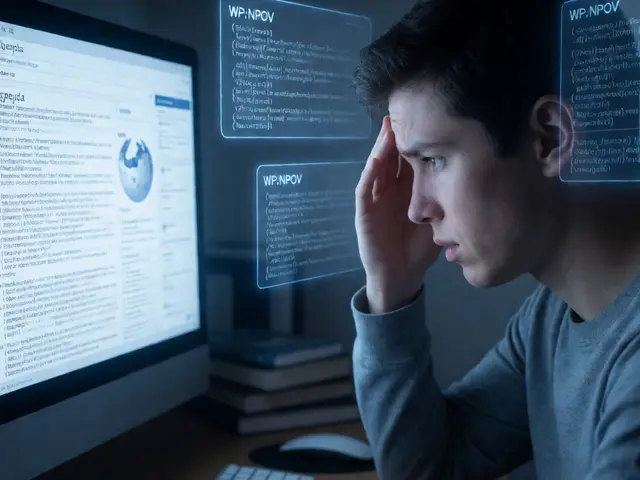
Yes, notability in Wikipedia terms refers to the subject of the article, not the editor. Anyone can register and edit. Becoming "influential" requires consistency, adherence to policies like Neutral Point of View (NPOV), and engagement with the community. There are no formal credentials required to start editing.
How does age affect Wikipedia editing styles?
Younger editors (under 30) tend to focus on pop culture, gaming, and current events, often using more informal language. Older editors may specialize in history, science, or law, adhering to stricter formal conventions. However, these are generalizations; many older editors are highly active in tech topics, and many young editors contribute to serious academic subjects.