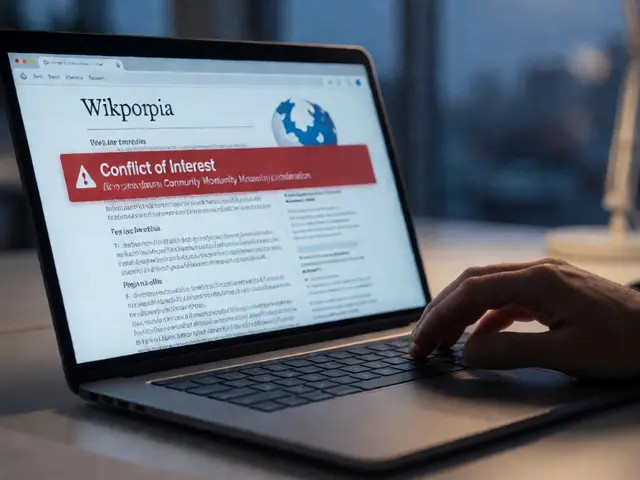
When a hurricane hits or a new virus spreads, the first place many people look is Wikipedia. But updating these pages during a crisis is tricky. You need speed, but you also need accuracy. One wrong edit can spread misinformation faster than the disaster itself. This guide shows you how to balance urgency with the strict standards of Wikipedia is a free online encyclopedia that relies on volunteer editors to maintain neutral, sourced content. The goal is simple: keep the public informed without breaking the rules.
Key Takeaways
- Always use independent, high-quality sources like major news outlets or government health agencies.
- Keep edits small and focused; avoid rewriting entire articles in one go.
- Use the talk page to discuss changes before making them if there is any doubt.
- Watch for "edit wars" and step back if consensus isn't reached immediately.
- Update infoboxes (the summary boxes) carefully, as they are often used by other sites.
Why Crisis Editing Is Different
In normal times, you might spend days verifying a fact about a historical event. During a natural disaster or a pandemic, facts change by the hour. A death toll number from Tuesday might be outdated by Wednesday morning. This creates pressure to edit quickly. However, speed shouldn't sacrifice quality. The core principle here is Neutral Point of View (NPOV) is a guideline requiring Wikipedia articles to represent significant viewpoints fairly and proportionately. In a crisis, emotions run high. People want to blame governments or praise heroes. Your job is to stick to what is documented by reliable sources, not what feels right.
Think of it this way: if a local newspaper reports a flood, cite that newspaper. Don't rely on social media posts unless they are from an official account verified by a major outlet. Social media moves fast, but it's full of rumors. If you cite a tweet from a random user, another editor will likely revert your change. To avoid this friction, stick to established media.
Finding Reliable Sources in Real-Time
The biggest challenge during a crisis is finding sources that are both current and reliable. Here is a hierarchy of sources you should trust:
- Government Agencies: For pandemics, look at the CDC or WHO. For earthquakes, check USGS. These organizations release data directly.
- Major News Outlets: Reuters, AP, BBC, and large national newspapers. They have fact-checkers on staff.
- Academic Journals: Sometimes too slow for breaking news, but great for background context on diseases or geological patterns.
Avoid using blogs, personal websites, or obscure local papers unless they are the only source available. If you must use a less common source, make sure the article clearly states where the information came from. Transparency helps other editors verify your work.

Managing Infoboxes and Vital Statistics
The infobox at the top of an article is critical. It holds key stats like population affected, economic damage, or case counts. These numbers are often scraped by search engines and news aggregators. If you get them wrong, the error spreads widely.
| Field | What to Check | Source Type |
|---|---|---|
| Death Toll | Distinguish between confirmed and suspected deaths | Official Government Report |
| Economic Impact | Currency and time frame of the estimate | Financial Institution or Govt Estimate |
| Date Range | Start and end dates of the active phase | Multiple Consensus Sources |
Always add a citation right next to the number in the infobox. If the number is an estimate, label it as such. For example, write "Estimated $5 billion (2026 USD)" rather than just "$5 billion." This prevents confusion about when the value was recorded.
Handling Controversial Edits
Disasters often bring political controversy. Was the response slow? Were masks effective? These debates belong in the body text, not in the title or lead section. Keep the lead section factual and brief. Save the analysis for later sections where you can present multiple viewpoints.
If you find yourself in an edit war-where two people keep changing the same line back and forth-stop. Go to the article's talk page. Explain your source. Ask for input. Most experienced editors prefer a discussion over a battle. If you can't agree, leave the most well-sourced version in place and note the dispute on the talk page. This keeps the main article clean while allowing debate to happen where it belongs.

Practical Tips for New Editors
- Make Small Edits: Change one sentence at a time. It's easier for others to review and harder to mess up.
- Use the Preview Button: Always check how your edit looks before saving. Formatting errors are common under stress.
- Leave Notes: When you save an edit, write a clear summary. Example: "Updated death toll per CDC report dated Aug 15."
- Don't Delete History: Even if a number was wrong yesterday, don't erase the old entry. Let the history show the progression of knowledge.
Remember, you are part of a global team. Someone else might be watching the same news feed. Collaboration makes the final product better. Stay calm, cite your sources, and let the facts speak.
Frequently Asked Questions
Can I use social media as a source on Wikipedia?
Generally, no. Only use social media if it is an official statement from a recognized authority (like a President or Health Minister) AND it has been reported by a major news outlet. Otherwise, stick to traditional journalism.
How often should I update a disaster page?
Only when there is a significant change in the situation. Don't update just to say "still ongoing." Wait for new data, new statements, or major developments.
What if my edit gets reverted?
Check the reason provided. Usually, it's a missing source or a formatting issue. Fix the problem and re-apply the edit. If you disagree, discuss it on the talk page.
Do I need to be an expert to edit during a crisis?
No. You just need to be careful with your sources. Anyone can update a fact if they can prove it with a reliable link. Expertise helps with interpretation, but basic updates are open to all.
How do I handle conflicting numbers from different sources?
Use the most authoritative source available. If two major sources conflict, mention both in the text with citations. Avoid picking a side unless one source is clearly more official (e.g., CDC vs. a blog).