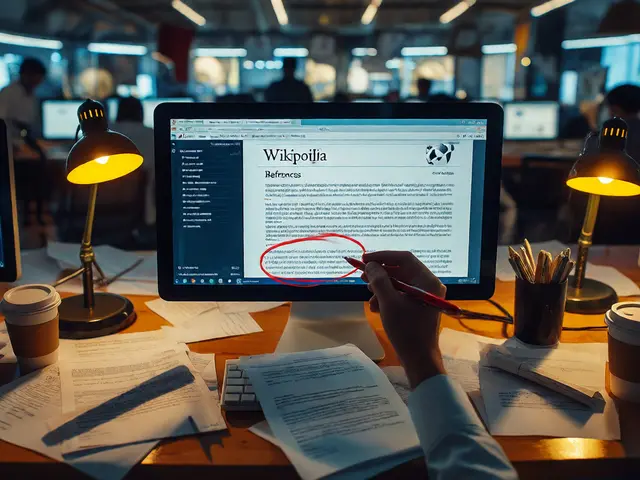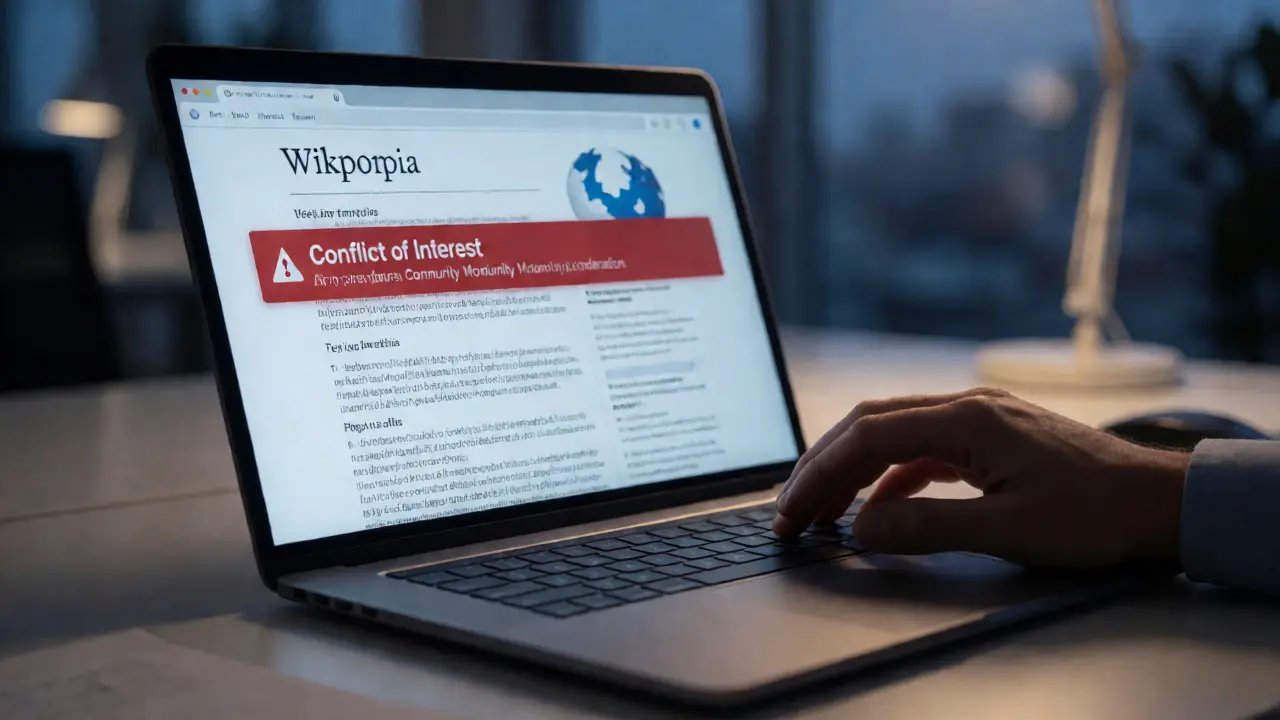
Imagine you’re a marketing executive at a mid-sized tech firm. Your company just launched a revolutionary AI tool, but its Wikipedia page is outdated, missing key features, and cites a competitor’s blog post as the primary source. You log in, make three quick edits to fix the errors, and hit publish. Ten minutes later, your changes are reverted by an anonymous editor with a warning message: "Conflict of Interest." Sound familiar? This isn’t just a bureaucratic hurdle; it’s the frontline of a massive, ongoing struggle over who controls public knowledge.
Conflict of interest (COI) editing on Wikipedia occurs when editors have a financial, professional, or personal stake in the topic they are modifying. While the platform encourages collaboration, it strictly discourages self-promotion. Yet, in practice, corporations and political entities constantly test these boundaries. The result is a complex ecosystem where neutral point of view (NPOV) clashes with brand management and political narrative control. Understanding how this works helps you navigate the site not just as a reader, but as a potential contributor or observer of digital history.
The Core Problem: Why Neutrality Is Hard to Maintain
Wikipedia operates on the principle that anyone can edit, but not everyone should edit their own story. The community relies on volunteers to maintain accuracy, but these volunteers aren’t always neutral observers. When a corporation hires a PR agency to update its entry, or a political staffer tweaks a biography, the intent often shifts from informing readers to persuading them. This creates a tension between two fundamental goals: verifiability and neutrality.
Consider the mechanics. A standard user might cite a press release for a product launch. But if that same user owns stock in the company, their citation choice might favor sources that highlight positive metrics while ignoring critical reviews. This isn’t necessarily malicious; it’s human nature. We all tend to interpret facts through the lens of our interests. On Wikipedia, however, this bias must be checked by independent sources. If the only source for a claim is the subject itself, the claim is suspect. This rule forces companies and politicians to rely on third-party validation, which is often harder to obtain than a simple internal memo.
Corporate Interventions: From Press Releases to Paid Edits
Corporate involvement on Wikipedia has evolved significantly. In the early days, it was mostly interns updating bios. Today, it’s a sophisticated industry. Companies hire specialized firms like WikiWorks or Knewton to manage their online presence. These professionals understand the rules well enough to skirt them. They don’t write "Our product is amazing." Instead, they add citations from reputable news outlets that happen to mention the product positively. It’s subtle, but effective.
The most common corporate tactic is what insiders call "source laundering." A company pays for a sponsored article in a trade journal. Then, a paid editor cites that trade journal on Wikipedia as if it were an independent source. Because the trade journal is technically independent of Wikipedia, the citation passes basic checks. However, the underlying relationship remains hidden unless disclosed. This practice undermines the trust readers place in citations. It turns references into marketing tools rather than evidence.
| Tactic | Description | Community Counter-Measure |
|---|---|---|
| Source Laundering | Citing paid placements as independent sources | Requesting clearer attribution or removing biased sources |
| Bio Polishing | Removing negative incidents from executive pages | Reverting edits and adding talk page warnings |
| Competitor Digging | Adding unsourced criticism to rival companies | Tagging as "original research" or "undue weight" |
| Feature Listing | Excessive detail on minor product updates | Trimming content for notability standards |
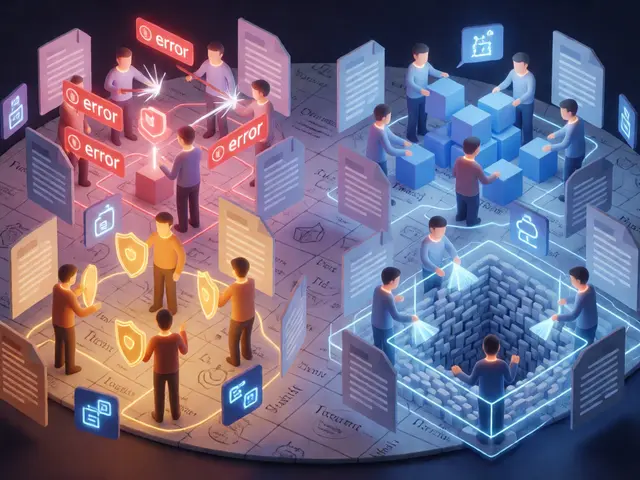
Another frequent issue is "bio polishing." Public figures, especially CEOs, want their biographies to reflect current achievements without mentioning past failures. Editors often remove details about lawsuits, bankruptcies, or controversial statements. When community members spot these deletions, they revert them. This leads to edit wars-repeated cycles of deletion and restoration-that drain volunteer energy. The solution usually involves moving the discussion to the article’s talk page, where both sides present sources. If the corporate side can’t provide independent coverage of the removal, the original text stays.
Political Bias: Ideology in the Edit Button
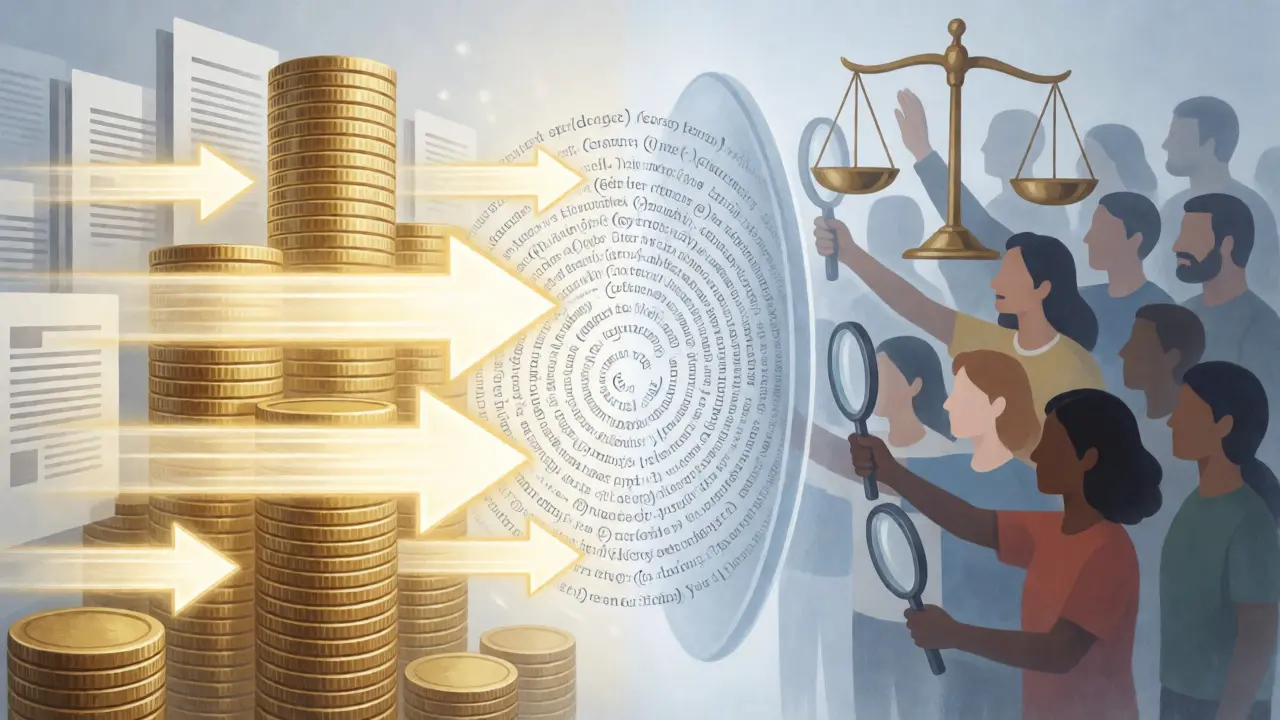
If corporate edits are driven by profit, political edits are driven by power. Politicians, parties, and advocacy groups use Wikipedia to shape public perception. Unlike corporations, political actors often operate under tighter scrutiny because their actions are widely covered by mainstream media. This makes it harder to hide biases, but no less persistent.
Political COI often manifests in tone rather than fact. An editor might change "proposed a bill" to "championed a bill," or "faced allegations" to "was accused." These semantic shifts alter the reader’s emotional response without changing the core information. More aggressive interventions involve deleting critical sections entirely. For example, during election cycles, staff members often attempt to remove polling data that shows a candidate trailing. When reverted, they may re-add it with qualifiers like "in one survey," attempting to minimize its significance.
A notable aspect of political editing is the rise of coordinated campaigns. During major elections, we see spikes in activity from new accounts. These accounts often share IP addresses or editing patterns, suggesting they belong to campaign teams or hired freelancers. Wikipedia’s CheckUser tool allows administrators to investigate these connections. If multiple accounts from the same location make similar edits across different articles, it triggers a review. This transparency helps curb large-scale manipulation, though it doesn’t eliminate individual bias.
Governance Mechanisms: How Wikipedia Handles Disputes
So, how does the system actually police these conflicts? It’s not perfect, but it has layers. First, there’s the Conflict of Interest Noticeboard. Here, editors report suspected paid or biased edits. Volunteers then review the history and discuss whether the changes violate policies. This process is slow but thorough. It prioritizes consensus over speed.
Second, automated bots play a crucial role. Tools like ClueBot NG detect obvious vandalism, but newer scripts flag specific patterns associated with COI. For instance, if an account makes rapid edits to only one company’s page and never interacts with others, it gets flagged for manual review. These algorithms help scale moderation efforts, allowing humans to focus on nuanced disputes rather than spam.
Third, disclosure requirements have tightened. Since 2014, Wikipedia requires paid contributors to disclose their relationships on their user pages. Failure to do so can lead to bans. This rule aims to bring transparency to the marketplace of ideas. When a user declares, "I work for Acme Corp," other editors approach their contributions with skepticism. This social pressure acts as a deterrent against egregious self-promotion. However, enforcement varies. Some users disclose reluctantly, hiding the extent of their compensation. Others simply ignore the rule until caught.

The Impact on Reader Trust and Accuracy
Why does any of this matter to you? Because Wikipedia is often the first stop for researchers, journalists, and curious minds. If COI edits skew the narrative, misinformation spreads. Studies show that people trust Wikipedia more than traditional encyclopedias for recent events. This trust is fragile. When readers discover that a bio was scrubbed by a PR team, their confidence in the entire platform wavers.
Accuracy suffers too. Excessive caution among volunteer editors can lead to "edit fatigue." Volunteers, tired of fighting battles with paid editors, may stop monitoring certain topics altogether. This leaves gaps where biased content persists unchallenged. Conversely, overly aggressive reversion can stifle legitimate improvements. Finding the balance requires constant vigilance from the community. It demands that readers also become critical thinkers, checking citations and looking for consensus on talk pages before accepting content as final.
Moreover, the visibility of COI issues affects how institutions engage with Wikipedia. Universities and libraries now offer workshops on proper editing practices. They teach students how to distinguish between primary and secondary sources, emphasizing the importance of independent verification. This educational push helps create a new generation of editors who understand the stakes of conflict of interest. It transforms editing from a casual hobby into a disciplined civic duty.
Navigating the Gray Areas: Tips for Contributors
If you find yourself wanting to contribute to a topic you’re connected to, follow these guidelines to avoid friction:
- Disclose Early: State your affiliation on your user page immediately. Honesty builds credibility.
- Suggest, Don’t Force: Use the talk page to propose changes rather than making them directly. Ask for feedback before hitting save.
- Rely on Third Parties: Never cite your own company’s website or press releases as primary evidence. Find news articles or academic papers that discuss your topic independently.
- Accept Reversion: If your edit is undone, don’t take it personally. Read the reason given and adjust your approach.
- Stay Calm: Edit wars escalate quickly. Step away if emotions run high. Return with fresh eyes and better sources.
These steps reduce conflict and improve the quality of your contributions. They also demonstrate respect for the community’s norms, which fosters cooperation. Remember, Wikipedia isn’t owned by anyone. It belongs to the collective effort of millions. Your goal should be to enhance that collective knowledge, not to impose your perspective.
Is it illegal to edit your own Wikipedia page?
No, it is not illegal. However, it violates Wikipedia's terms of service regarding undisclosed paid editing. If you are paid to edit, you must disclose it. Unpaid individuals can edit their own pages, but they risk reverting due to lack of neutrality.
How does Wikipedia detect paid editors?
Administrators use tools like CheckUser to analyze IP addresses and editing patterns. Sudden bursts of edits to specific topics, combined with identical formatting styles across multiple accounts, raise red flags. User disclosures also help identify paid contributors.
Can I cite my company's website on its Wikipedia page?
Generally, no. Wikipedia requires reliable, independent sources. Company websites are considered primary sources and are often viewed as promotional. You should cite news articles, industry reports, or academic studies that discuss the company objectively.
What happens if I don't disclose a conflict of interest?
Your edits may be reverted, and you could receive warnings on your talk page. Repeated violations can lead to a temporary or permanent block from editing. In severe cases involving undisclosed payments, legal action has been threatened by the Wikimedia Foundation.
Are political edits treated differently than corporate ones?
Not fundamentally. Both fall under conflict of interest policies. However, political edits often involve ideological bias rather than financial gain. The community scrutinizes political edits closely due to the high public interest and potential for widespread misinformation.