Ever stared at a Wikipedia article about a polarizing politician or celebrity and wondered how the editors managed to keep their hands from shaking? Writing biographies of controversial figures is one of the hardest tasks in online encyclopedic writing. The goal isn't just to list facts; it's to present a balanced view that satisfies both fans and critics without triggering an endless cycle of reverts.
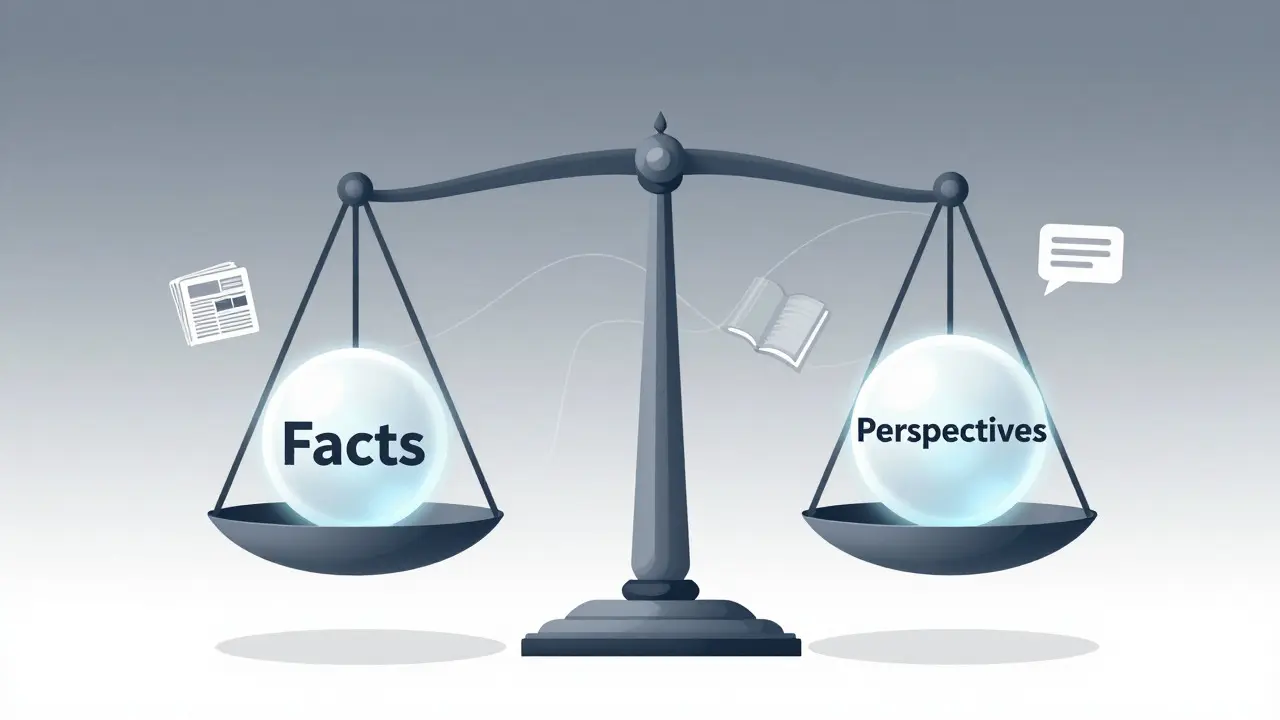
The core challenge lies in maintaining neutral point of view (NPOV). This doesn't mean being boring or vague. It means representing all significant perspectives fairly, weighted by their prominence in reliable sources. If a figure is widely criticized for a specific action, you must mention it. If they are praised for another, you must include that too. The trick is avoiding loaded language that pushes the reader toward a specific conclusion.
Understanding the Core Principles of Neutrality
Neutrality on Wikipedia is not about finding a "middle ground" between two extremes. Sometimes, the consensus among experts is one-sided. In those cases, NPOV requires presenting that consensus clearly. However, when opinions are split, you need to show the spectrum.
Consider the concept of editorial bias. This happens when an editor lets their personal feelings influence the wording. For example, describing a protest as a "riot" implies disorder and illegitimacy, while calling it a "demonstration" implies legitimacy. A neutral approach might describe the events factually: "Protesters clashed with police, resulting in several arrests." The choice of words matters more than the facts themselves.
- Loaded Language: Avoid adjectives that carry emotional weight unless directly quoted from a source.
- Balance of Space: Give roughly equal space to major positive and negative viewpoints, proportional to their coverage in media.
- Attribution: Always attribute subjective claims to their sources. Instead of saying "He was a genius," say "Critics called him a genius, while opponents argued he was reckless."
Sourcing: The Backbone of Credibility
You cannot have neutrality without reliable sources. Wikipedia relies on tertiary sources like books, academic journals, and major news outlets rather than primary sources like press releases or self-published blogs. For controversial figures, the quality of your sources determines whether your edits survive scrutiny.
When dealing with recent events, look for multiple independent sources. If only one newspaper reports on a scandal, it might be an outlier. If five major outlets cover it, it’s a significant part of the narrative. Be wary of citation bias, where editors cite only sources that support their preferred narrative. A good rule of thumb: if you can’t find a reputable source that contradicts your current draft, you might be missing half the story.
| Source Type | Reliability Level | Best Used For | Risk Factor |
|---|---|---|---|
| Academic Journals | High | Long-term historical analysis | Slow publication cycle |
| Major News Outlets | Medium-High | Recent events and public reactions | Editorial slant varies by outlet |
| Books | High | Comprehensive overviews | May reflect author's bias |
| Social Media | Low | Immediate public sentiment | Lack of verification |
Navigating Edit Wars and Community Consensus
Even with perfect sourcing, you might face resistance. Edit wars occur when two or more editors repeatedly revert each other's changes. This is common in articles about living politicians, athletes, or celebrities. The solution isn't to out-edit them; it's to build consensus.
Use the talk page to discuss changes before making them. Explain your reasoning, link your sources, and invite others to review. If a deadlock occurs, take the article to the WikiProject associated with the topic. These groups consist of experienced editors who specialize in specific areas, such as biography or politics. They can provide objective feedback and help mediate disputes.
Remember, the goal is not to win an argument but to improve the article. If you find yourself spending more time arguing than editing, step back. Fresh eyes often see obvious solutions that passionate participants miss.
Practical Tips for Drafting Neutral Text
Writing neutrally takes practice. Here are some concrete strategies to help you craft balanced prose:
- Read Aloud: Does the sentence sound like a news report or an opinion piece? If it sounds dramatic, simplify it.
- Check Adjectives: Remove words like "shocking," "brilliant," or "disgraceful" unless they are direct quotes.
- Verify Balance: Count the number of paragraphs dedicated to positive vs. negative aspects. Are they roughly equivalent given the media coverage?
- Cite Everything: Every factual claim needs a citation. Subjective claims need attributed citations.
- Review Recent Changes: Look at the history of the article. What triggers usually cause reverts? Avoid those patterns.
For instance, instead of writing "The CEO made a poor decision that hurt the company," try "The CEO implemented a strategy that led to a 10% drop in quarterly profits, according to Financial Times." The second version is factual, cited, and neutral.

Common Pitfalls to Avoid
Many new editors fall into traps that compromise neutrality. One common mistake is notability inflation, where minor controversies are given disproportionate attention compared to major achievements. Another is recency bias, where recent scandals overshadow long-standing contributions.
Also, beware of "weasel words" like "some critics say" without specifying who those critics are. Vague attribution weakens the article's credibility. Always name the source or group making the claim. Specificity builds trust and reduces the likelihood of disputes.
Frequently Asked Questions
What is the difference between neutrality and balance?
Neutrality refers to the absence of bias in presentation, while balance refers to giving fair weight to different viewpoints. You can be neutral but unbalanced if you ignore a significant perspective, or balanced but biased if you use loaded language for one side.
How do I handle conflicting sources?
Present both views with clear attribution. If one source is more authoritative or recent, you may weight it slightly higher, but always explain why. Use phrases like "While Source A argues X, Source B contends Y."
Is it okay to use quotes from the subject themselves?
Yes, but sparingly. Direct quotes can add color, but they should not replace neutral narration. Ensure the quote is relevant and properly sourced from a reliable outlet.
What should I do if my edit is reverted?
Do not immediately re-edit. Read the edit summary and check the talk page. Discuss the issue with the reverting editor politely. If no resolution is reached, seek help from a WikiProject or administrator.
How important is the lead section for neutrality?
Extremely important. The lead section summarizes the entire article. If it leans heavily toward one perspective, readers may form opinions before reading the detailed sections. Ensure the lead reflects the overall balance of the article.