
Have you ever wondered how Wikinews keeps its global stream of information from turning into a chaotic mess? Unlike traditional news sites that rely on editors to file stories under rigid sections like "Politics" or "Sports," Wikinews operates differently. It is a collaborative news agency where anyone can write and edit news articles, governed by community consensus rather than a central editorial board. This unique model requires a robust system for organizing content, ensuring that breaking news in one part of the world doesn't get lost amidst updates from another.
The way Wikinews structures its content isn't just about aesthetics; it's about accessibility and neutrality. If you are looking to contribute, understand the platform's architecture, or simply navigate its vast repository of user-generated reports, understanding these organizational systems is crucial. Here is how the platform categorizes, tags, and presents information to millions of readers.
The Core Category Hierarchy
At the heart of Wikinews’s organization is its category system, which mirrors but differs slightly from its sister project, Wikipedia. While Wikipedia categorizes encyclopedic topics, Wikinews categories focus on events, dates, and ongoing situations. The hierarchy starts broad and drills down into specifics, allowing users to filter news by topic, location, or time.
The top-level categories usually include major domains such as:
- World News: Covers international events, conflicts, diplomacy, and global economic shifts.
- Technology: Focuses on software releases, hardware innovations, internet culture, and digital rights.
- Science: Includes discoveries, space exploration, health breakthroughs, and environmental studies.
- Arts & Culture: Encompasses film, music, literature, and social trends.
- Sports: Dedicated to athletic competitions, team results, and player transfers.
Within these broad buckets, subcategories provide granularity. For example, under "World News," you might find "Middle East," "Europe," or "Climate Change." This structure helps readers quickly locate relevant stories without sifting through unrelated content. However, unlike static websites, these categories are dynamic. New categories can be created if a significant event emerges, provided it meets the community's notability guidelines.
News Portals: Curated Entry Points
If categories are the filing cabinets, Wikinews portals are the magazine covers. Portals serve as curated landing pages for specific topics. They aggregate recent articles, featured stories, and background information related to a particular subject. For instance, the "Portal:United States" might highlight domestic policy changes, while "Portal:Artificial Intelligence" would gather the latest tech developments.
Portals play a critical role in user engagement. They provide context by linking to related Wikipedia articles, offering background knowledge that helps readers understand the news better. A well-maintained portal acts as a hub, connecting disparate news pieces into a coherent narrative. Editors actively update these portals to ensure they reflect current events, removing outdated links and promoting fresh content.
| Feature | Purpose | User Interaction |
|---|---|---|
| Categories | Taxonomic classification of articles | Browsing via category trees |
| Portals | Curated hubs for specific topics | Reading aggregated summaries |
| Templates | Standardizing article layout | Editing with pre-defined structures |
| Tags | Marking status (e.g., Draft, Featured) | Identifying quality levels |
The Role of Templates in Consistency
One of the biggest challenges in collaborative journalism is maintaining consistency. Without a standard format, articles could look wildly different, making them hard to read. To solve this, Wikinews relies heavily on news templates. These are pre-coded blocks of text that define the structure of an article.
When you start a new story, you typically insert a template that provides placeholders for the headline, lead paragraph, body text, sources, and categories. This ensures that every article follows a similar journalistic style: inverted pyramid structure, neutral point of view, and clear attribution. Templates also help enforce technical standards, such as proper citation formats and date styling.
For example, the "Lead" template guides writers to summarize the most important facts first-who, what, when, where, why, and how. This approach respects readers' time and aligns with professional journalism practices. By using templates, even novice contributors can produce articles that fit seamlessly into the broader ecosystem.

Tagging Systems for Quality Control
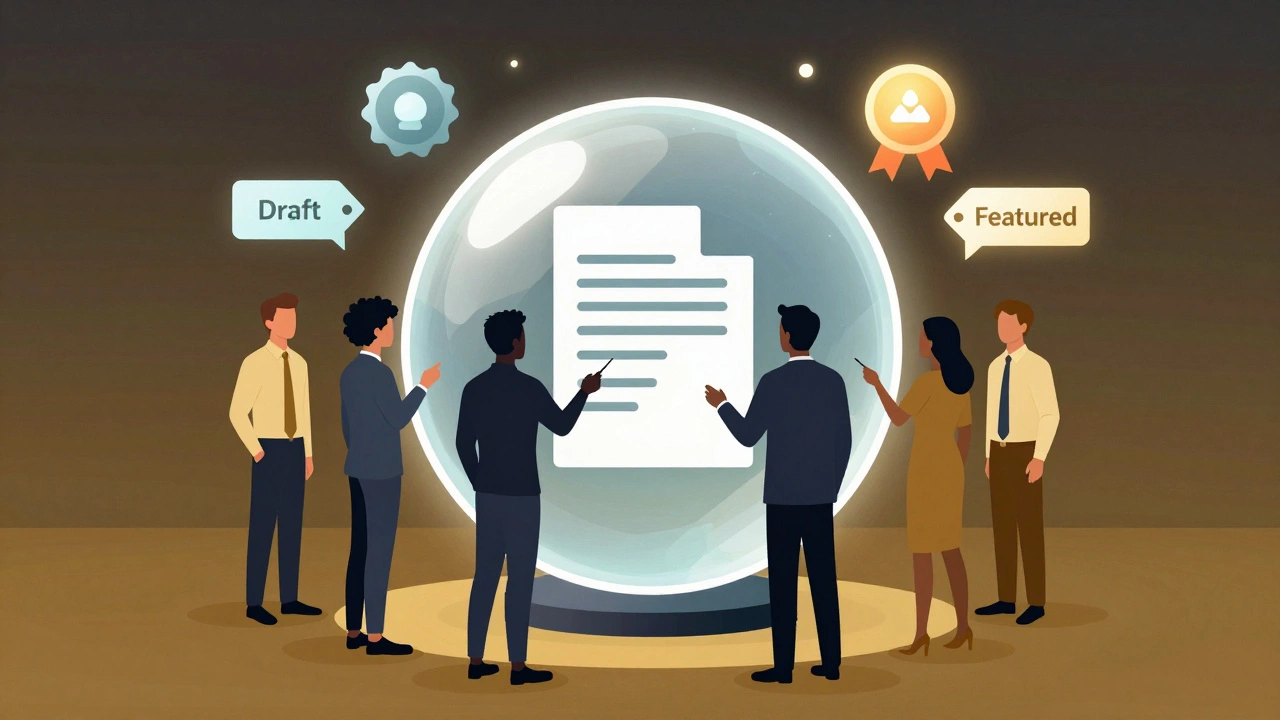
Not all articles on Wikinews are created equal. Some are rough drafts, while others are polished, verified reports. To distinguish between them, the platform uses a tagging system. These tags appear at the top of articles and signal their status to readers and editors alike.
- Draft: Indicates an incomplete article that needs more sourcing or editing.
- Start: A basic article with minimal coverage but sufficient sources.
- Good Article: Meets higher standards of depth, neutrality, and reliability.
- Featured Article: The highest tier, representing exemplary work that showcases the best of Wikinews.
These tags are not just labels; they are part of a quality assurance process. Community members review articles, discuss improvements, and vote on whether to upgrade or downgrade their status. This peer-review mechanism ensures that only reliable, well-sourced content reaches the front page. It also encourages contributors to strive for excellence, knowing their work will be evaluated by peers.
Chronological vs. Topical Organization
Another key aspect of Wikinews’s organization is the balance between chronological and topical sorting. Traditional news sites often prioritize recency, pushing the newest stories to the top. Wikinews does this too, but it also emphasizes topical relevance. Articles are filed under specific dates, creating a historical archive that remains accessible long after the initial hype fades.
This dual approach serves two purposes. First, it allows readers to catch up on breaking news quickly. Second, it preserves the historical record, enabling researchers and curious individuals to trace how events unfolded over time. For example, you can browse all articles from "May 14, 2026" to see what was happening globally on that day, regardless of topic.
However, this system has its challenges. Older articles may become less relevant if not updated with new developments. To address this, editors periodically revisit older stories, adding context or archiving them if they no longer hold significance. This maintenance effort is vital for keeping the platform accurate and useful.
Community Governance and Editorial Guidelines
Behind every category, portal, and template is a community of volunteers who govern the platform. They establish editorial guidelines that dictate how content should be organized and presented. These guidelines cover everything from sourcing requirements to language usage.
Key principles include:
- Neutrality: Articles must present multiple viewpoints without bias.
- Verifiability: All claims must be backed by reliable sources.
- No Original Research: Writers cannot publish unpublished data or personal opinions.
- Respect: Contributors must treat each other courteously during discussions.
These rules are enforced through discussion pages, where disputes are resolved via consensus. If a contributor violates guidelines, their edits may be reverted, and repeated offenses can lead to temporary bans. This self-regulatory model fosters accountability and trust within the community.
Navigating the Platform as a Reader
If you're new to Wikinews, navigating its organizational systems might seem daunting at first. But once you understand the logic, it becomes intuitive. Start by exploring the main page, which features highlighted stories across various topics. From there, use the sidebar menu to access categories and portals.
For deeper dives, try searching for specific keywords and filtering results by date or category. You can also subscribe to RSS feeds for particular topics, ensuring you never miss important updates. Remember, Wikinews is constantly evolving. New categories emerge, old ones merge, and templates get refined. Staying engaged with the community helps you adapt to these changes.
Contributing Effectively to the System
Want to make your mark on Wikinews? Understanding its organizational framework is essential. Before writing, check existing categories to see if your topic fits. If not, consider creating a new one, but only if it adds value. Use templates to structure your article, and cite your sources meticulously.
Engage with other editors through talk pages. Ask for feedback, offer suggestions, and participate in quality assessments. Your contributions don't just add content; they strengthen the entire ecosystem. By following established norms, you help maintain the integrity and usability of the platform.
How does Wikinews differ from Wikipedia in terms of organization?
While both platforms use categories and wikilinks, Wikinews focuses on timely, event-driven content organized by date and topic. Wikipedia organizes encyclopedic knowledge hierarchically, emphasizing permanence and comprehensiveness over recency.
Can I create my own category on Wikinews?
Yes, but only if it serves a clear purpose and aligns with existing structures. Avoid overly narrow or redundant categories. Discuss proposed changes on relevant talk pages to gain community support before implementation.
What happens if an article lacks proper categorization?
Uncategorized articles may be flagged by bots or human editors for review. They could be moved to appropriate categories or marked for deletion if they fail to meet notability standards. Proper categorization ensures visibility and discoverability.
Are Wikinews portals updated regularly?
Yes, active portals are updated frequently by volunteer editors. High-traffic portals receive daily attention, while niche ones may see less frequent updates. Community involvement drives this maintenance process.
Why are templates important for Wikinews articles?
Templates ensure consistency in formatting, structure, and tone. They guide writers to include essential elements like leads, bodies, and citations, reducing errors and enhancing readability for diverse audiences.