It is easy to forget that Wikipedia is no longer a scrappy startup. It is now the sixth most visited website on Earth. For over two decades, it has served as the primary reference point for billions of people seeking answers. But standing still is not an option when the landscape of information changes so rapidly. As we move into the next decade, the platform faces a unique set of challenges and opportunities that will define how humanity accesses shared knowledge.
The core promise of a free encyclopedia written by volunteers remains strong, but the mechanics are shifting. Artificial intelligence, deepfakes, and changing funding models are rewriting the rules. If you rely on this platform for accurate information, you need to understand what is coming next. This is not just about software updates; it is about the survival of open knowledge in an age of algorithmic bias and corporate data silos.
The Rise of AI-Assisted Editing
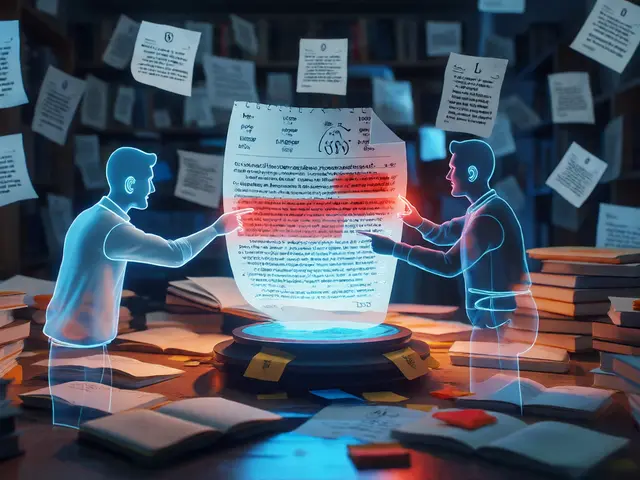
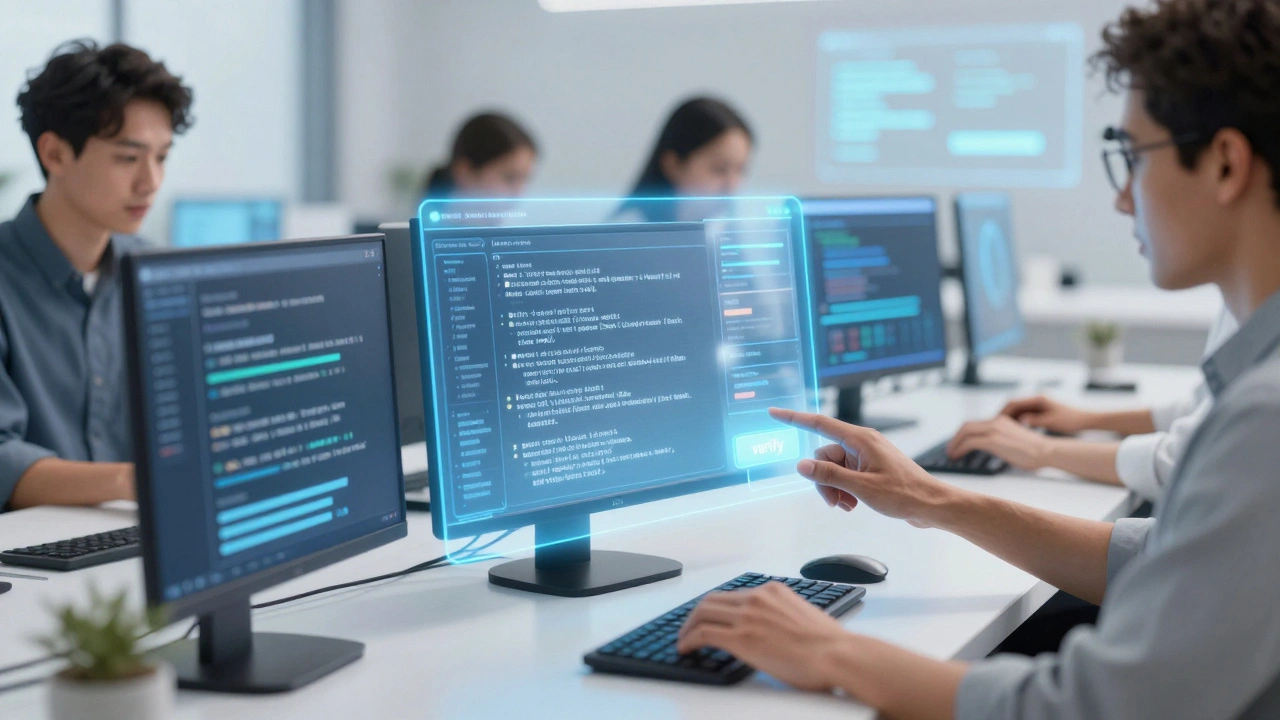
The biggest immediate change will be the integration of artificial intelligence into the editing workflow. Currently, Wikimedia Foundation tools help with grammar and citation formatting. In the coming years, these tools will likely evolve into sophisticated drafting assistants. Imagine asking an AI to summarize a newly published peer-reviewed study and generate a draft paragraph for a relevant article, complete with citations. This could drastically reduce the time editors spend on research and formatting.
However, this convenience comes with significant risks. The concept of verifiability-the requirement that all claims must be supported by reliable sources-is the backbone of Wikipedia’s credibility. If AI generates content based on hallucinations or biased training data, the integrity of the platform erodes. Editors will need new skills to audit AI-generated text, ensuring that every claim holds up against primary sources. The role of the human editor will shift from writer to verifier, a crucial distinction for maintaining trust.
- Efficiency Gains: AI can handle repetitive tasks like adding references and standardizing infoboxes.
- Hallucination Risk: AI may invent plausible-sounding but false facts, requiring rigorous human oversight.
- Bias Amplification: Training data often reflects existing societal biases, which could skew historical or cultural articles.
Combating Misinformation and Deepfakes
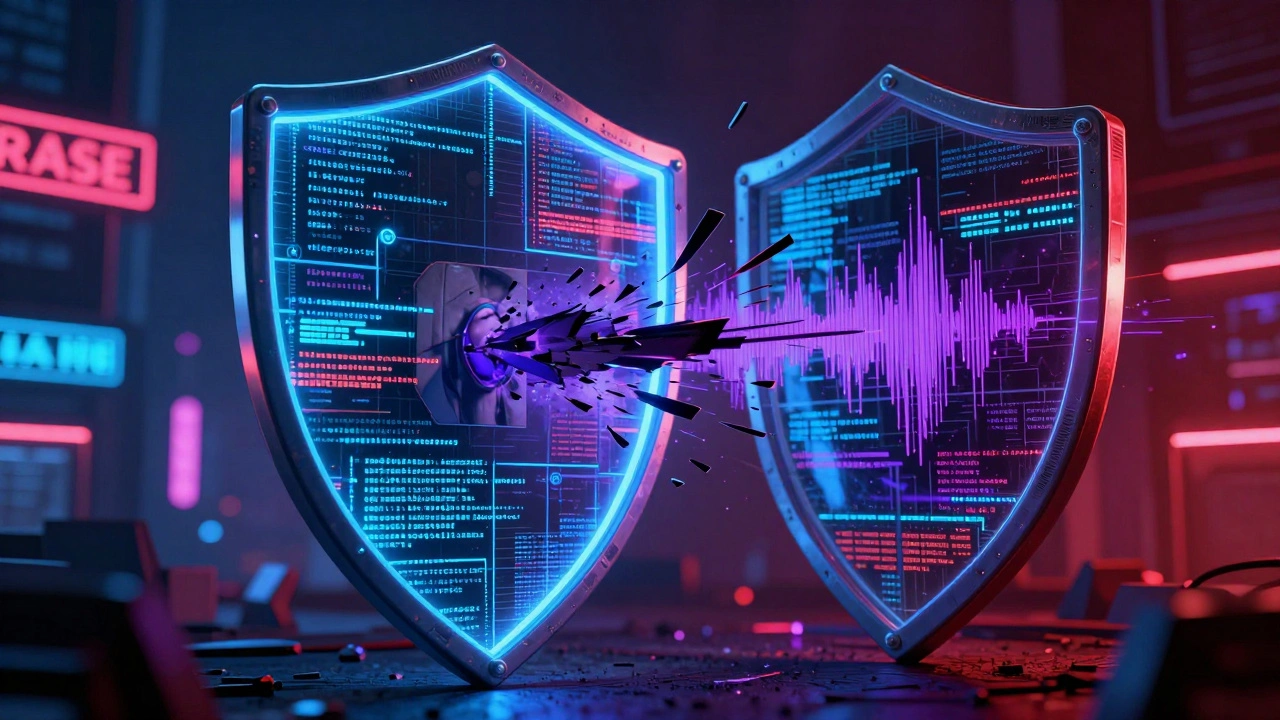
Misinformation is not a new problem for online encyclopedias, but its sophistication is increasing. With the rise of generative media, bad actors can create convincing fake images, audio recordings, and even video evidence to support false narratives. Wikipedia relies heavily on visual aids to illustrate concepts. If a user uploads a manipulated image claiming to show a real event, it can spread confusion quickly before moderators catch it.
To combat this, the community will likely adopt stricter verification protocols for multimedia content. Tools that analyze metadata and detect signs of digital manipulation will become standard. Furthermore, the definition of "reliable sources" may tighten. In a world where anyone can publish a professional-looking website, distinguishing between credible journalism and propaganda becomes harder. The platform may need to prioritize established academic journals and major news outlets over independent blogs, potentially limiting coverage of niche or emerging topics.
This tension between openness and security is critical. Over-restricting sources could stifle diverse voices, while under-restricting them invites manipulation. Finding the right balance will require continuous adaptation of community guidelines and technological safeguards.
The Funding Model Under Pressure
Unlike many tech giants, Wikipedia does not sell ads or user data. It relies on donations from individuals and grants from foundations. This model has worked well for twenty years, keeping the platform free from commercial bias. However, the economic landscape is shifting. Inflation, economic downturns, and competition for charitable giving mean that raising funds is becoming more difficult. Additionally, large technology companies are increasingly building their own knowledge bases, reducing the perceived urgency of supporting public goods.
In the next decade, we may see a diversification of revenue streams. This could include partnerships with educational institutions, government grants for preserving digital heritage, or even subscription-based services for advanced features (though the core content would remain free). The risk here is mission drift. If too much influence comes from specific donors or governments, the neutrality of the content could be compromised. Maintaining financial independence while securing enough resources to scale operations is a delicate balancing act.
| Model | Pros | Cons | Impact on Neutrality |
|---|---|---|---|
| Individual Donations | Highly decentralized, low pressure | Unpredictable, donor fatigue | Minimal |
| Corporate Sponsorships | Large sums, stable income | Risk of influence peddling | High |
| Government Grants | Supports public good mission | Political interference risk | Medium-High |
| Freemium Services | Sustainable recurring revenue | Complexity, user backlash | Low-Medium |
Globalization and Language Diversity
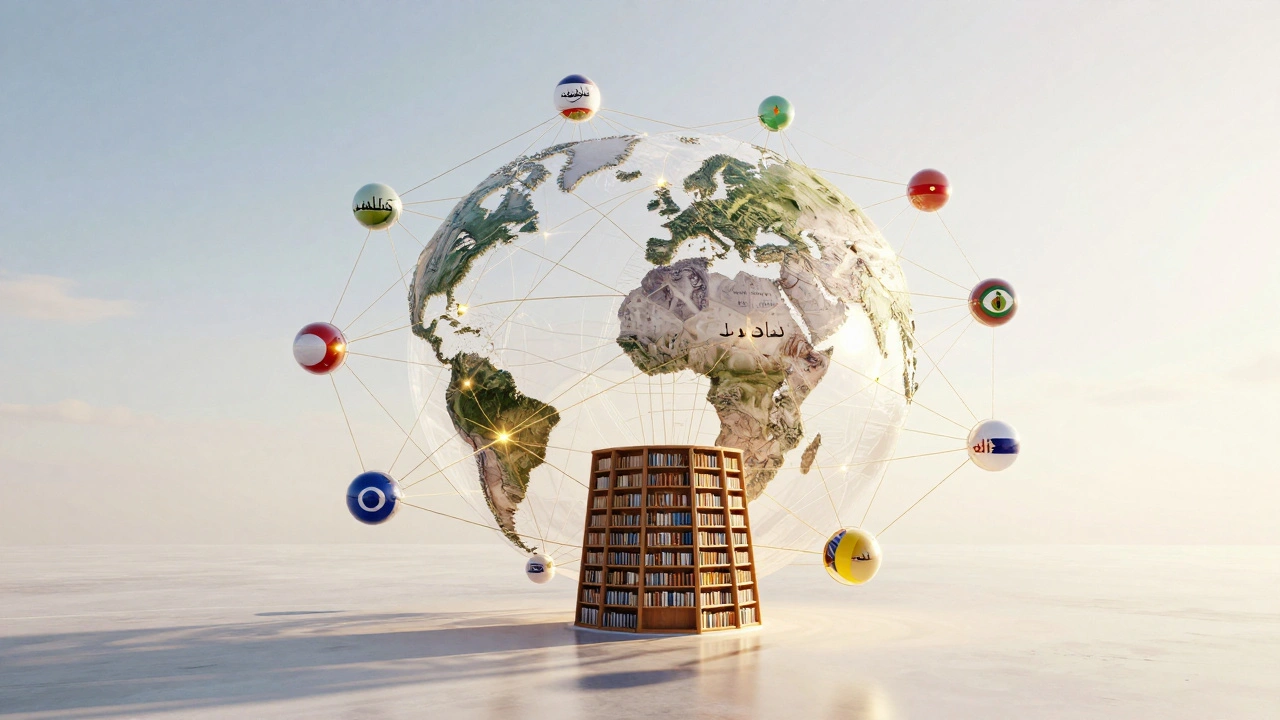
Currently, English Wikipedia dominates in terms of article count and traffic. However, the internet is becoming increasingly multilingual. Languages like Arabic, Bengali, and Swahili have hundreds of millions of speakers but lack comprehensive digital resources. The next decade should see a massive push to support these languages. This is not just about translation; it is about creating original content that reflects local histories, cultures, and perspectives.
Tools like machine translation can help bridge gaps, but they cannot replace cultural nuance. A direct translation of an English article about Western politics may miss key context for readers in Southeast Asia. Therefore, investment in local communities and editors who speak these languages is essential. The goal is a truly global encyclopedia, not just an English one translated into other tongues. This expansion requires infrastructure support, such as better mobile access in regions with limited connectivity.
The Challenge of Editor Burnout
Behind every article is a volunteer. The aging demographic of active editors is a growing concern. Many long-time contributors started in their teens or twenties; today, they are in their forties and fifties, dealing with family and career pressures. Attracting younger generations is difficult because the editing process can feel hostile or overly bureaucratic. New users often face harsh criticism or reversion of edits without explanation, leading to quick burnout.
To sustain the community, the platform needs to lower the barrier to entry. Simplified interfaces, clearer guidelines, and more supportive mentorship programs are needed. Gamification elements, such as badges for constructive contributions, might help engage younger users accustomed to interactive platforms. Without a fresh influx of editors, the quality of maintenance-such as updating dates, fixing broken links, and monitoring vandalism-will decline.
Integration with Other Digital Platforms
Wikipedia does not exist in a vacuum. It interacts with search engines, social media, and educational platforms. Search engine optimization (SEO) ensures that Wikipedia results appear at the top of queries, but changes in algorithms can impact visibility. Social media platforms often use Wikipedia snippets for fact-checking, making it a crucial node in the information ecosystem.
In the future, we may see deeper integrations. For example, virtual assistants could pull structured data directly from Wikipedia’s knowledge base to answer voice queries. Educational apps might embed live Wikipedia content into lesson plans. These integrations increase reach but also expose the platform to misuse. If a bad actor manipulates a Wikipedia article, that false information could propagate across multiple platforms instantly. Coordination with other tech companies to share threat intelligence and best practices will be vital.
Preserving Digital Heritage
As society moves further into the digital age, preserving history becomes more complex. Traditional archives store physical documents; digital archives must manage constantly changing formats and technologies. Wikipedia plays a role in documenting contemporary events, but it is not designed for long-term archival storage. The next decade will see increased collaboration between Wikipedia and traditional libraries and museums to ensure that digital records are preserved securely and accessibly.
This includes addressing issues like link rot, where external references break over time. Solutions such as the Internet Archive’s Wayback Machine can help preserve cited sources, ensuring that future researchers can verify claims made today. By acting as a living index of human knowledge, Wikipedia helps guide users to durable sources of truth.
Will AI replace human editors on Wikipedia?
No, AI will not replace human editors. Instead, it will assist them by handling routine tasks like formatting and summarizing. Human judgment is essential for verifying facts, detecting bias, and maintaining the neutral point of view required by Wikipedia's policies. The role of the editor will shift towards auditing and curating AI-generated content.
How does Wikipedia plan to fight misinformation?
Wikipedia combats misinformation through strict sourcing requirements, community moderation, and increasingly sophisticated detection tools. In the future, expect tighter controls on multimedia uploads, better verification of source reliability, and faster response times to coordinated disinformation campaigns.
Is Wikipedia financially sustainable for the next ten years?
While current donation models work, rising costs and donor fatigue pose challenges. Diversifying funding through grants, institutional partnerships, and potentially freemium services may be necessary. However, care must be taken to avoid compromising editorial independence.
Why is language diversity important for Wikipedia?
Language diversity ensures that knowledge reflects global perspectives, not just Western ones. Supporting underrepresented languages allows millions of users to access information in their native tongue, fostering inclusion and preserving cultural heritage.
What is the biggest risk to Wikipedia's future?
The biggest risk is the erosion of trust due to misinformation and perceived bias. If users believe Wikipedia is unreliable or politically motivated, they will turn to alternative sources, fragmenting the shared knowledge base. Maintaining neutrality and accuracy is paramount.