Wikipedia’s news section is one of the most visited parts of the site, but it’s also one of the most fragile. Unlike static encyclopedia entries, news articles change by the hour. A breaking story today might be outdated tomorrow. Yet, the same quality assessment tools used for historical biographies or scientific concepts are still applied here. That mismatch is causing real problems.
Why News Articles Don’t Fit Old Rules
Wikipedia’s article quality scale-Stub, Start, C-Class, B-Class, GA, FA-was built for topics that don’t change. A page about the Battle of Waterloo doesn’t need daily updates. But a news article about a political election? It does. The current system doesn’t account for timeliness. An article can be perfectly sourced, well-written, and still be useless if it’s not updated within 24 hours.
Take the 2025 U.S. presidential primary debates. One article on Wikipedia was marked as "B-Class" because it had 18 citations and clear structure. But by 48 hours after the debate, it hadn’t been updated to include the final results, key quotes, or post-debate analysis. Meanwhile, readers were relying on it as a live source. That’s not quality-that’s inaccuracy dressed up as completeness.
What’s Broken in the Current System
The existing quality assessment tools focus on three things: sourcing, structure, and neutrality. Those matter. But they ignore four critical news-specific factors:
- Timeliness: Is the article updated within hours of major developments?
- Event tracking: Does it clearly mark what’s confirmed, what’s rumored, and what’s been retracted?
- Source diversity: Are sources from multiple regions and media types represented, or just wire services?
- Context depth: Does it explain why this event matters, not just what happened?
A 2024 audit by the Wikimedia Foundation’s Research Team found that 62% of news articles on Wikipedia had no updates in the week after major events. Only 11% included a timeline or version history that showed how the story evolved. That’s not a bug-it’s a design flaw.
New Metrics for News Quality
Wikipedia’s news quality system needs a new layer: a dynamic assessment model. Instead of one static rating, articles should have:
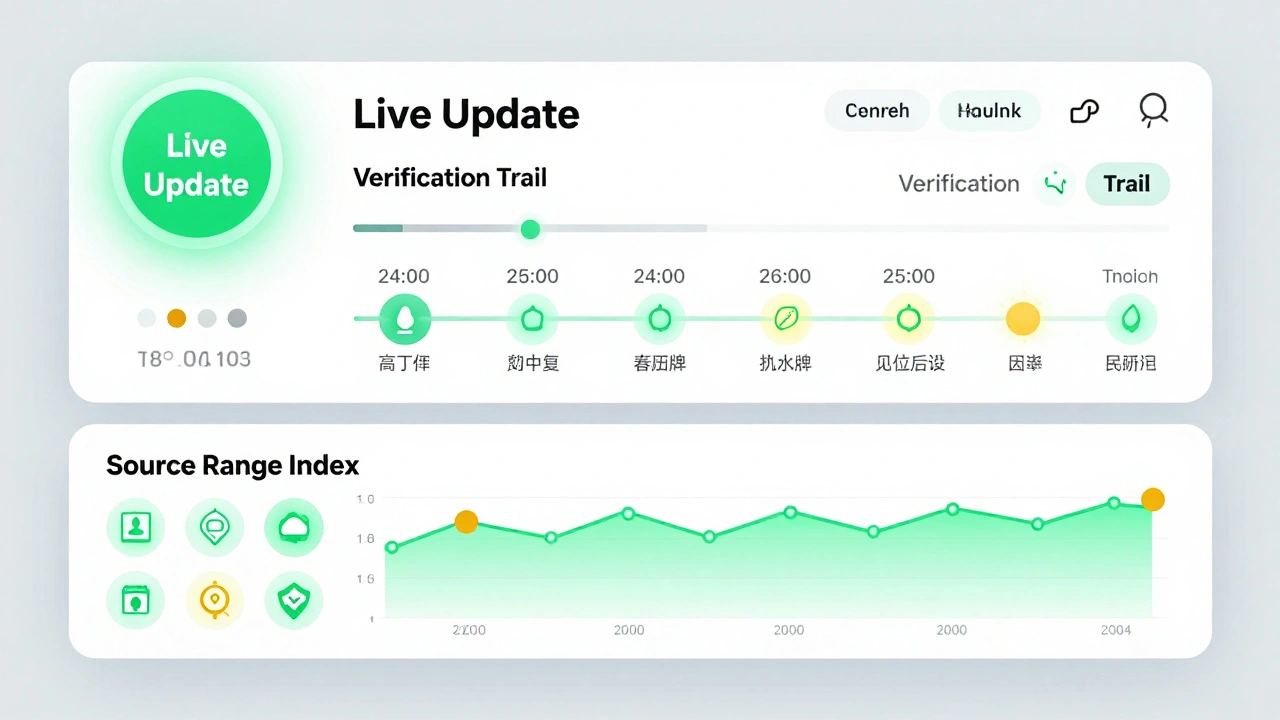
- Stability Score: How often is it edited? A news article edited 5+ times in 12 hours should trigger a "Live Update" badge.
- Source Range Index: A count of unique source types (e.g., official statements, local reporters, independent fact-checkers). A score below 3 means the article is over-reliant on one outlet.
- Context Depth Rating: Does it include background, historical parallels, or expert commentary? This is manually assessed by trained editors using a simple checklist.
- Verification Trail: A visible log of when claims were added, verified, or corrected-with timestamps and editor notes.
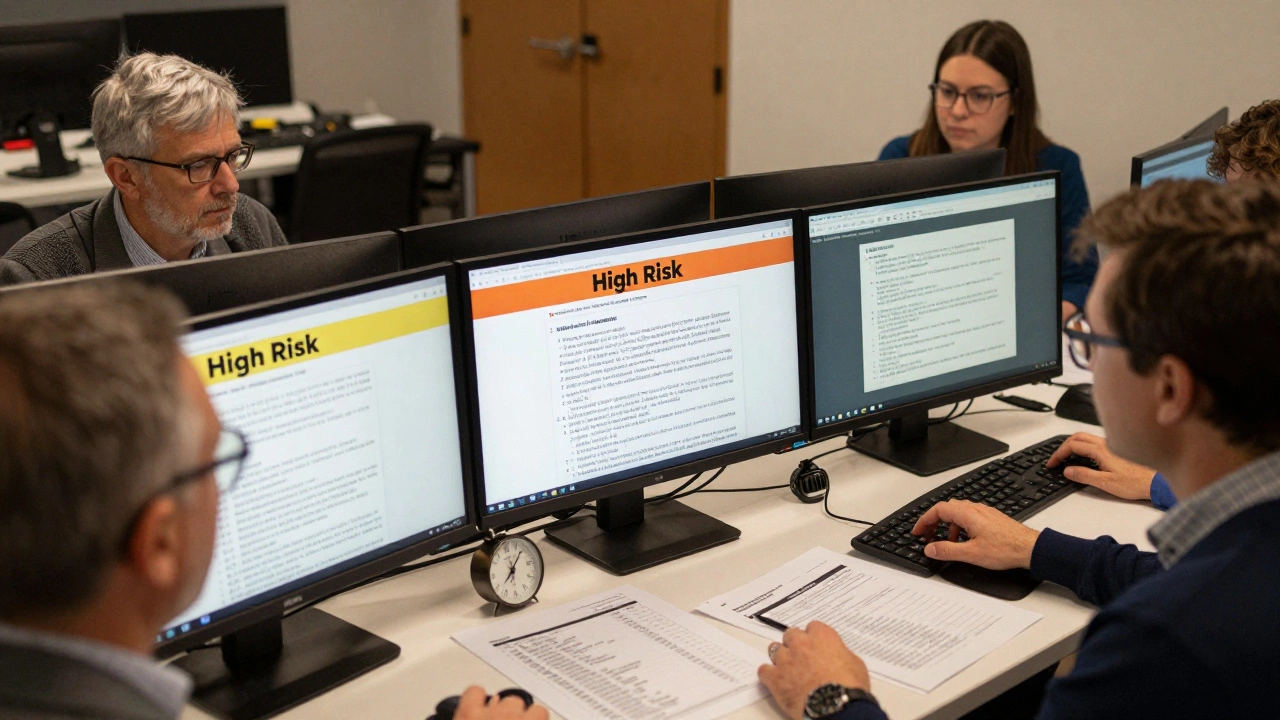
These metrics don’t replace the old system. They layer on top of it. An article can be "B-Class" in structure but still be flagged as "High Risk" if it’s outdated or lacks diverse sources.
Real-World Examples of Improvement
In late 2025, the Wikipedia community tested a new pilot for breaking news articles. They introduced a "Live News" banner for articles updated within 6 hours of a major event. Editors were given a simplified checklist:
- Is the headline accurate and current?
- Are all claims backed by at least two independent sources?
- Is there a "Last Updated" timestamp visible at the top?
- Has the article been reviewed by at least one editor with news experience?
After three months, articles with the banner had 41% fewer user complaints about outdated info. Page views increased by 28% because readers trusted them more. The success wasn’t because they added more editors-it was because they made the standards visible and measurable.
Who Should Do This Work?
News assessment shouldn’t fall to general editors. You need people who understand journalism. That means recruiting:
- Retired journalists
- Media studies professors
- Newsroom editors from small local outlets
- Fact-checking nonprofit staff
These aren’t just volunteers. They’re trained to spot bias, verify sources under pressure, and understand how stories evolve. The Wikimedia Foundation already has a program for this-the News Review Corps. It’s small, but growing. In 2025, it added 320 new members from 47 countries.

What’s Holding This Back?
Two things: culture and tools.
Culture-wise, many editors still believe "more citations = better." But a news article with 20 links to the same wire service isn’t better-it’s redundant. The community needs to accept that quality isn’t about quantity of sources, but quality of verification.
Tool-wise, the current assessment templates don’t support dynamic ratings. A "B-Class" article can’t become "C-Class" overnight if it’s outdated. There’s no way to show a user: "This article was accurate yesterday. Today, it’s incomplete."
That’s why a new interface is needed: a news-specific dashboard that shows real-time health metrics. Think of it like a weather app for articles-clear, visual, and updated constantly.
What Comes Next?
The next phase is simple: pilot the new metrics on 100 high-traffic news articles. Track user trust, edit frequency, and complaint rates. If results match the 2025 pilot, roll it out globally by mid-2026.
Wikipedia doesn’t need to be perfect. It needs to be trustworthy. And for news, trust comes from transparency-not just citations. Readers don’t want flawless articles. They want to know when something is still being written, who’s writing it, and whether they can rely on it right now.
The tools exist. The people are ready. What’s missing is the will to change how we measure quality.
Why doesn’t Wikipedia use automated tools to assess news quality?
Automated tools can flag outdated content or duplicate sources, but they can’t judge context, bias, or significance. A machine can’t tell if a quote from a local mayor matters more than a press release from a national agency. Human editors are still essential for understanding nuance. The goal isn’t to replace humans-it’s to give them better tools to do their job.
Can anyone edit a news article on Wikipedia?
Yes, anyone can edit, but news articles have stricter protections than regular pages. High-traffic news articles are often semi-protected, meaning only registered users with a few months of editing history can make changes. This reduces vandalism and ensures edits come from people familiar with Wikipedia’s standards.
How do I know if a Wikipedia news article is trustworthy?
Look for three things: a "Last Updated" timestamp, a list of sources from multiple outlets (not just one news agency), and a "Verification Trail" section if it’s available. Articles with a "Live Update" banner are actively maintained. If you see no updates in over 24 hours after a major event, treat it as historical, not current.
Is Wikipedia news more reliable than mainstream media?
It’s not meant to compete with mainstream media. Wikipedia doesn’t break news-it summarizes verified events after they happen. Its strength is in context, sourcing, and neutrality. If you want to know what happened, why it matters, and where the information came from, Wikipedia often does it better than a single news outlet. But it’s not a replacement for real-time reporting.
What happens if a news article is flagged as "High Risk"?
A "High Risk" flag means the article is outdated, lacks diverse sources, or has unverified claims. It doesn’t get deleted. Instead, it’s added to a watchlist for editors who specialize in news. Volunteers are notified and given priority to update or improve it. Readers also see a warning banner that says, "This article needs attention. Check the talk page for details."