Quick Summary: What You Need to Know
- CheckUser allows specific trusted users to see IP addresses and email links to catch sockpuppets.
- Oversight hides sensitive information from everyone, including administrators, to protect privacy.
- These tools are governed by strict rules to prevent abuse of power.
- The Wikimedia Foundation provides the technical backbone and legal framework for these operations.
The Invisible Fight Against Sockpuppetry
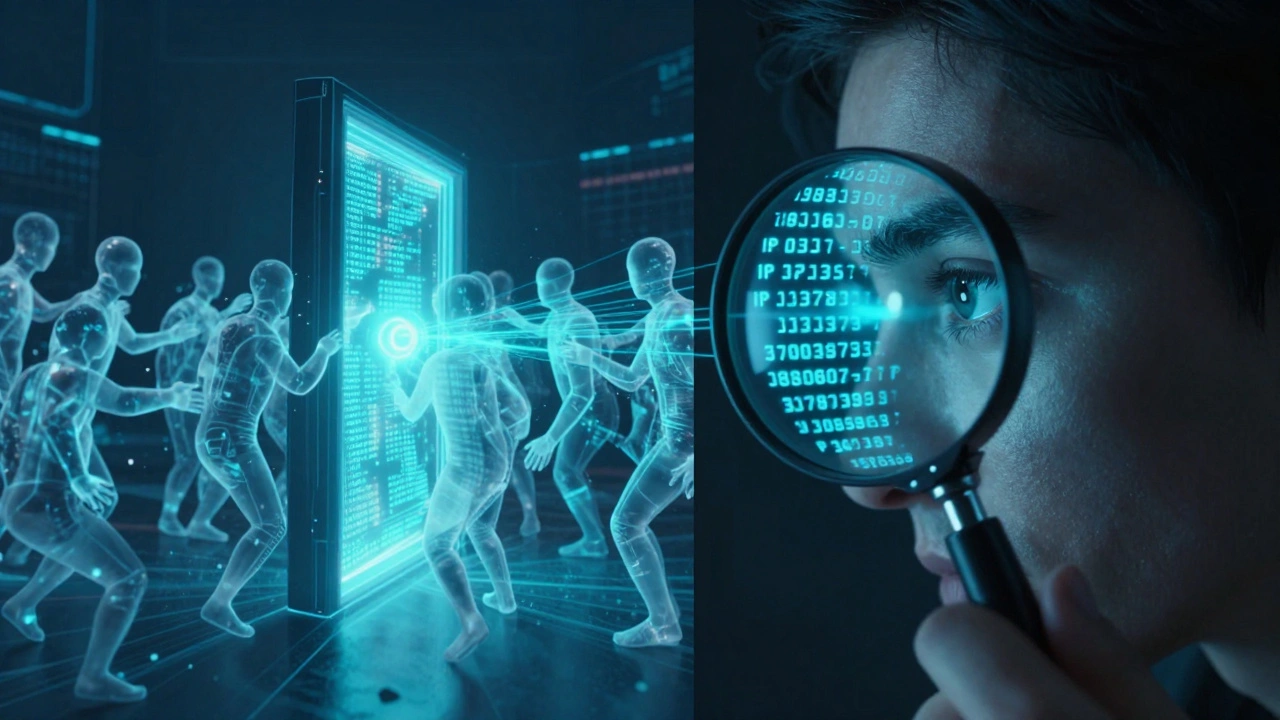
When we talk about CheckUser is a specialized tool on Wikipedia that allows authorized users to check if two or more accounts were created from the same IP address or email. It's not something your average editor has access to. If every editor could see who was behind an account, the site would be a playground for doxxing and harassment. Instead, this power is restricted to a tiny group of vetted users known as CheckUsers.
Why does this even matter? Consider a scenario where a user is banned for harassment but immediately returns under a new name. This is called "sockpuppetry." Without CheckUser, the community is just guessing. A CheckUser can look at the technical data-like the IP address used during account creation-and confirm if the accounts are linked. This evidence is then used to ban the user permanently, not just the account. It's the primary way Wikipedia maintains accountability when people try to game the system.
But there's a catch. This is a huge privacy intrusion. To stop this from becoming a weapon, CheckUser logs are permanent and visible to other CheckUsers. If someone uses the tool to spy on a celebrity or a political rival without a valid reason, they'll be stripped of their rights almost instantly. The system relies on a "trust but verify" model where the tool is used only when there's a clear, documented suspicion of rule-breaking.
Oversight: The Vault for Sensitive Data
While CheckUser is about finding people, Oversight is a tool used to permanently remove sensitive information from the page history and visibility of the general community. You've probably heard of "revision deletion," where an admin removes a piece of bad info from a page. But the problem with standard deletion is that it's still visible in the page's history. A determined user can just click "view history" and find the private phone number or home address that was accidentally posted.
Oversight acts like a digital shredder. When an "oversighter" uses the tool, the information vanishes from the public eye and even from the view of regular administrators. Only a very small group of users with Oversight permissions can see what was hidden. This is critical for protecting victims of doxxing or preventing the leak of private medical records. It's the highest level of privacy protection the site offers.
The process is rigorous. You can't just hide something because you don't like it. The information must meet specific criteria-usually involving personally identifiable information (PII) or legal requirements. Because this tool effectively "erases" history, it is treated with extreme caution to ensure it isn't used to cover up legitimate editorial disputes or hide evidence of misconduct.
| Feature | CheckUser | Oversight |
|---|---|---|
| Primary Goal | Accountability & Identity Verification | Privacy & Data Protection |
| Action | Reveals hidden technical data (IPs) | Hides visible sensitive data |
| User Access | CheckUser group (vetted) | Oversighters (highly restricted) |
| Visibility | Logs are visible to other CheckUsers | Hidden from almost all users |
| Main Target | Sockpuppets and bad actors | PII and sensitive leaks |

The Governance Behind the Tools
These tools don't operate in a vacuum. They are managed by the Wikimedia Foundation, which is the non-profit organization that manages the servers and legal affairs of Wikipedia. While the Foundation provides the software, the actual day-to-day use of these tools is governed by the community through a complex set of policies.
One of the most important concepts here is the Administrator role. On many sites, an admin is the top of the food chain. On Wikipedia, admins have huge power, but they are intentionally blocked from using CheckUser or Oversight unless they go through additional, more stringent vetting. This separation of powers prevents a single person from having too much control over both the identity and the memory of the site.
The community also uses a system of "Rights Requests." If a user believes they have the skill and temperament to be a CheckUser, they must undergo a public trial where other users grill them on their history and their understanding of privacy laws. This public scrutiny ensures that only those with a proven track record of neutrality get the keys to the kingdom.
Managing the Risks of Power
What happens when these tools are misused? The risks are high. A rogue CheckUser could potentially leak the identity of a whistleblower, or a rogue Oversighter could hide evidence of a scam. To mitigate this, Wikipedia uses a system of reciprocal auditing. Every action taken with these tools is logged. If a CheckUser checks an account, that action is recorded in a log that other CheckUsers can see. If the check looks suspicious or unnecessary, it's flagged immediately.
Another layer of protection is the Arbitration Committee. This is the highest judicial body on Wikipedia, consisting of experienced editors who resolve complex disputes and punish systemic abuse. If a tool-user violates the trust of the community, the ArbCom can permanently revoke their rights. This isn't just a slap on the wrist; it's a professional exile from the administrative side of the project.
There is also the challenge of the GDPR (General Data Protection Regulation). Since Wikipedia is global, it has to comply with European privacy laws. The GDPR requires that users have the "right to be forgotten." Oversight is the primary mechanism used to satisfy these legal requests, ensuring that the site doesn't face massive fines from the EU while still maintaining as much of its historical record as possible.
Practical Implications for the Average Editor
You might be wondering how this affects you if you're just writing an article about cats. For most people, these systems are invisible. You only notice them when you see a "sockpuppet" warning on a talk page or when a piece of sensitive information suddenly disappears from a biography. But these systems are the reason why Wikipedia hasn't been completely overrun by botnets or corporate propaganda machines.
If you ever suspect someone is using multiple accounts to manipulate a vote or harass another user, you don't need to be a CheckUser. You simply report the suspicion to the appropriate notice board. A vetted CheckUser will then step in, perform the check, and provide the community with a summary of their findings (e.g., "Accounts A and B are confirmed to be the same person") without revealing the actual IP addresses. This keeps the evidence transparent while protecting the technical privacy of the users.
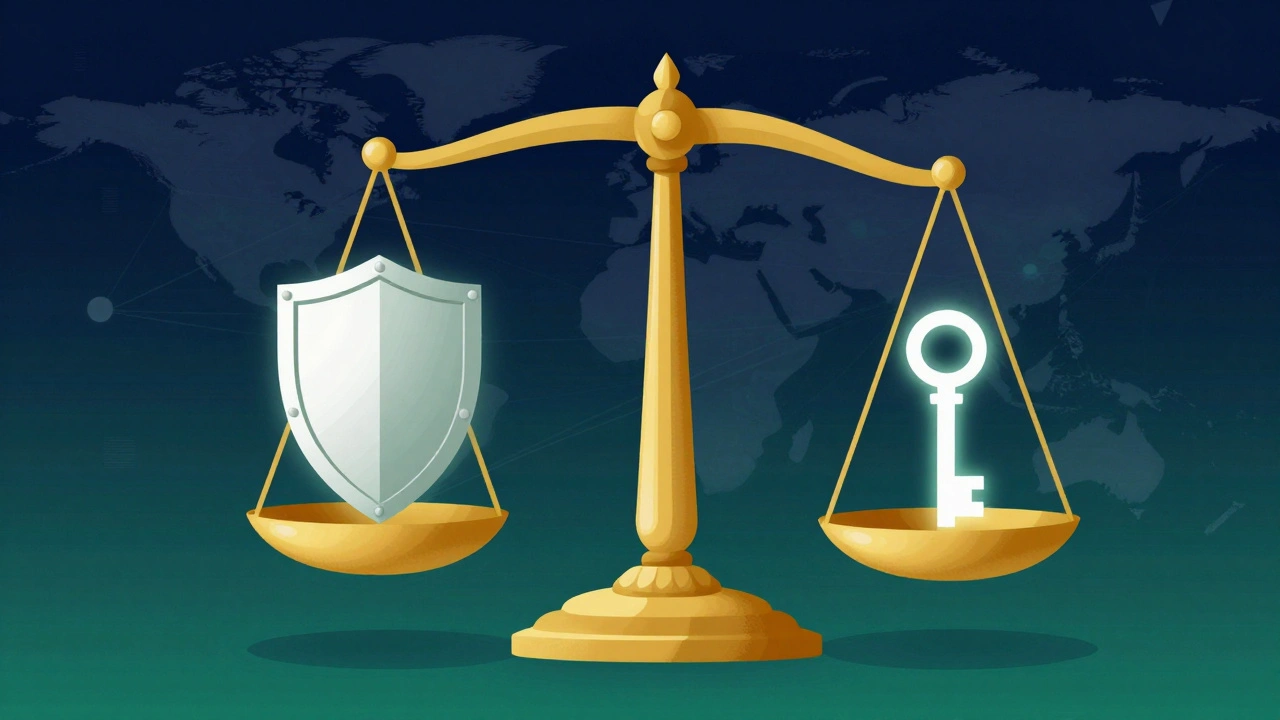
The beauty of this system is that it recognizes that absolute transparency is actually dangerous. By creating a small, accountable group of "secret keepers," Wikipedia can protect the privacy of the innocent while still hunting down the malicious. It's an imperfect system, as any human-run system is, but it's one of the most robust examples of digital governance in the world.
Can I request a CheckUser check for a user I suspect is a sockpuppet?
Yes, you can. You don't need to have the tool yourself. You can post your evidence and suspicions on the appropriate community forums (like the Sockpuppet Investigations page). A qualified CheckUser will then review the case and perform the technical check if the evidence justifies it.
What is the difference between a regular deletion and Oversight?
A regular deletion removes content from the current version of a page, but it remains visible in the "View History" tab to anyone who looks. Oversight removes the content from the history entirely, making it invisible to the general public and regular administrators. Only users with the Oversight right can see the hidden content.
Who decides who gets to be a CheckUser?
It's a community-driven process. Candidates are nominated and must go through a public Request for Comment (RfC) period. Other editors examine their history, their adherence to privacy policies, and their temperament. Only those who gain broad community trust are granted the privilege.
Does the Wikimedia Foundation have access to this data?
Yes, the Wikimedia Foundation (WMF) has access to the underlying server logs and database. However, they typically only provide this data to the community via tools like CheckUser or during legal discovery processes. They act as the technical custodian and the legal shield for the project.
Can an account be "un-oversighted"?
Yes, but it's very rare. If it's determined that information was hidden in error or that it is no longer sensitive (for example, if the person involved requests its return), an oversighter can restore the content to the history. This is usually done only after a careful review of the circumstances.
Next Steps for Concerned Users
If you're worried about your own privacy on the platform, the best move is to use a VPN and avoid putting any personally identifiable information in your edit summaries or talk page discussions. If you've accidentally posted private data, don't just delete it in a new edit-that leaves it in the history. Instead, immediately contact an administrator or use the "Request Oversight" process to ensure the data is scrubbed from the archives entirely.
For those interested in the administrative side, the next step is to familiarize yourself with the Wikipedia:Village Pump, where most of these policy debates happen. Understanding how the community balances these tools will give you a much deeper appreciation for how the world's largest encyclopedia stays honest and secure.