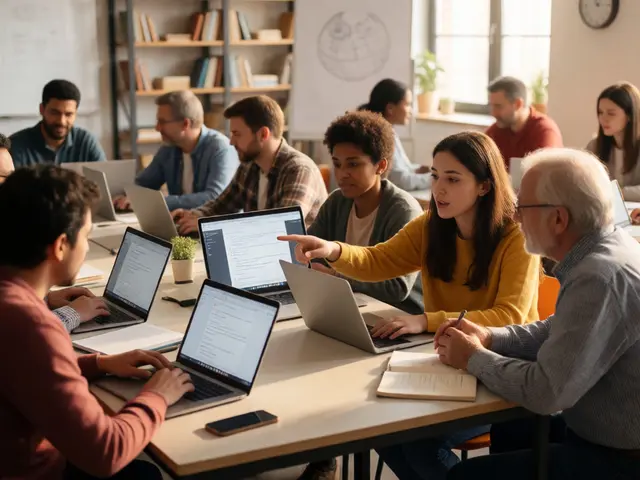
Wikipedia is the world’s largest free encyclopedia, edited by volunteers in over 300 languages. But for years, its contributors didn’t reflect the world it aimed to document. The majority of editors were men, mostly from North America and Europe, leaving vast gaps in knowledge about women, Indigenous communities, the Global South, and marginalized groups. The Wikimedia Foundation, the nonprofit that supports Wikipedia and its sister projects, recognized this wasn’t just a technical problem-it was a moral one. So it began changing how it operates, who it listens to, and what it prioritizes.
Why Diversity Matters for Knowledge
Knowledge isn’t neutral. If only certain voices shape what’s included in an encyclopedia, you get a distorted view of history, culture, and science. For example, until recently, Wikipedia had far fewer articles about African traditional medicine than European herbal remedies. Articles on women scientists were often shorter and less cited than those on their male counterparts. Even the language used in entries could reflect bias-phrases like "the famous painter" often defaulted to male names, while women were labeled "the wife of" or "a lesser-known artist."
The Wikimedia Foundation doesn’t just want more editors-it wants different kinds of editors. People who know about local traditions, community health practices, indigenous languages, and underreported histories. Without them, Wikipedia remains incomplete. And incomplete knowledge can reinforce stereotypes, erase identities, and limit learning for billions.
Key Initiatives in Action
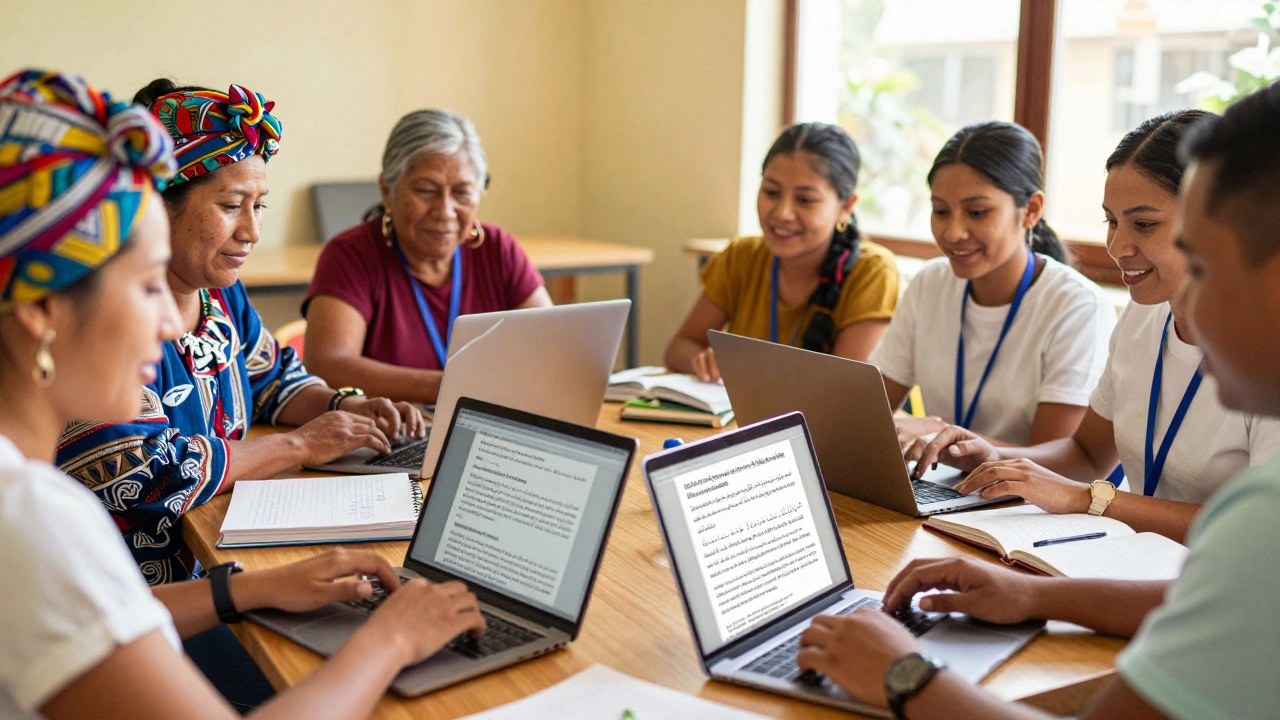
Since 2020, the Wikimedia Foundation has launched over a dozen targeted programs to address these gaps. One of the most impactful is the Diversity & Inclusion Grants, which fund local organizations to host edit-a-thons, train new editors, and build partnerships with universities, museums, and cultural institutions. In 2024 alone, these grants supported 147 projects across 78 countries. In Nigeria, a grant helped train 2,000 young women to write about Nigerian female inventors. In Bolivia, volunteers created over 5,000 new articles in Quechua and Aymara, languages spoken by millions but poorly represented online.
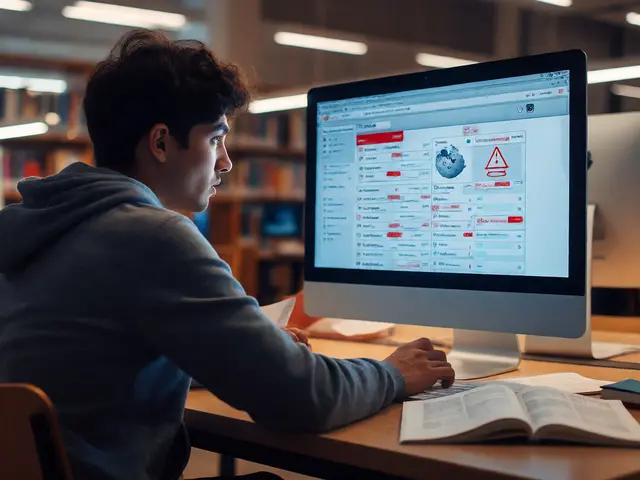
Another major effort is the Community Health Initiative, which redesigned Wikipedia’s moderation tools to reduce harassment and improve retention among underrepresented groups. Before 2022, nearly 60% of female editors reported leaving due to hostile interactions. New systems now flag toxic comments automatically, give users better reporting tools, and offer anonymous support channels. The result? A 40% drop in editor dropouts among women and non-binary contributors between 2022 and 2025.
Language equity is also being tackled head-on. The Foundation now allocates 30% of its technical budget to improving support for low-resource languages. This includes better mobile editing interfaces for regions with slow internet, AI-assisted translation tools for community volunteers, and partnerships with local linguists to standardize terminology. In 2025, the Yoruba Wikipedia grew by 200% in new articles-largely thanks to a mobile-first editing app developed with Nigerian university students.
Measuring Progress
Progress isn’t just about numbers. The Foundation tracks not just how many new editors join, but who they are and what they contribute. Their 2025 Global Editor Survey showed that 38% of active editors now identify as women or non-binary, up from 16% in 2019. Editors from Africa, Latin America, and Southeast Asia now account for 42% of all edits, compared to 21% five years ago.
They also track content gaps. Using machine learning tools, they map which topics are missing across languages. For example, they found that articles about LGBTQ+ rights in Muslim-majority countries were almost nonexistent. In response, they partnered with local activists to create safe, moderated spaces for writing these stories. Today, over 1,200 such articles exist in Arabic, Persian, and Urdu-many with citations from local newspapers and oral histories.
Challenges That Remain
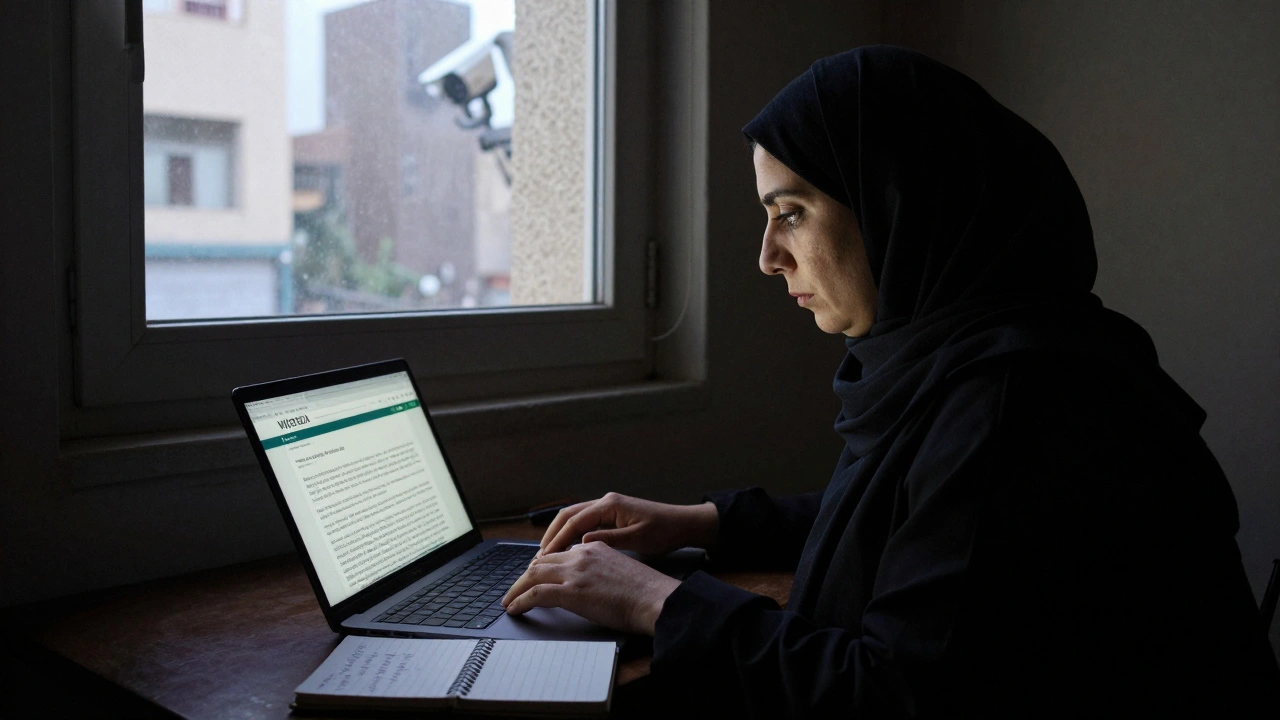
Despite progress, deep challenges persist. Many regions still lack reliable internet, digital literacy, or legal protections for editors who write about sensitive topics. In some countries, contributing to Wikipedia can be risky. The Foundation now provides encrypted editing tools and legal support for editors in 12 high-risk nations, including Iran, Myanmar, and Belarus.
Another issue is sustainability. Most initiatives rely on short-term grants. There’s still no permanent funding stream dedicated to inclusion work. The Foundation is working on a long-term endowment, but progress is slow. Volunteers also report burnout-many are doing this work on top of full-time jobs or caregiving responsibilities.
And while global representation is improving, internal diversity within the Foundation’s own staff lags. As of early 2026, only 22% of its full-time employees are from the Global South, and leadership roles remain heavily concentrated in North America and Western Europe. Internal surveys show that many staff from underrepresented backgrounds feel excluded from decision-making. The Foundation has committed to a workforce equity audit in 2026 and plans to tie executive bonuses to inclusion metrics.
What’s Next?
The next phase of inclusion work isn’t just about adding more editors-it’s about changing the culture of knowledge itself. The Foundation is testing a new model called Community-Led Curation, where local groups, not centralized staff, decide what content gets prioritized. In India, for instance, tribal communities now vote on which historical events should be highlighted in Wikipedia entries about their region.
They’re also experimenting with audio and video contributions. In places where literacy rates are low, people can now upload oral histories directly to Wikimedia Commons. These are being integrated into Wikipedia entries, turning the platform into a living archive of lived experience-not just written text.
By 2030, the Foundation aims to have at least 50% of its global editor base come from underrepresented regions and identities. That’s ambitious. But given the pace of change over the last five years, it’s not impossible.
How You Can Help
You don’t need to be a tech expert or a historian to contribute. Start small: edit one article about a local figure, add a citation from a book you own, or translate a short entry into your native language. Join an edit-a-thon in your city-or start one. The Foundation offers free training modules in 15 languages, and all you need is an internet connection.
Knowledge belongs to everyone. But only if we make space for everyone to build it.
Why does Wikipedia need diversity initiatives?
Wikipedia’s content reflects who edits it. For years, most editors were men from Western countries, leading to major gaps in coverage about women, Indigenous cultures, and the Global South. Without diverse voices, knowledge becomes biased and incomplete. Diversity initiatives ensure that the world’s largest encyclopedia truly represents the world.
How has the Wikimedia Foundation improved editor retention for underrepresented groups?
The Foundation redesigned moderation tools to reduce harassment, added anonymous support channels, and introduced AI systems that automatically flag hostile comments. These changes cut editor dropouts among women and non-binary contributors by 40% between 2022 and 2025. They also created safe spaces for sensitive topics, like LGBTQ+ rights in conservative regions.
What are some successful projects from the Diversity & Inclusion Grants?
In Nigeria, 2,000 young women were trained to write about Nigerian female inventors, adding hundreds of new articles. In Bolivia, over 5,000 articles were created in Quechua and Aymara. In India, tribal communities now vote on which historical events to highlight. These projects are led locally and funded by the Foundation’s grant program.
Are there risks for editors in certain countries?
Yes. In countries like Iran, Myanmar, and Belarus, contributing to Wikipedia can lead to surveillance or arrest. The Wikimedia Foundation now provides encrypted editing tools, legal support, and anonymous submission options for editors in 12 high-risk nations to protect their safety.
Can I contribute even if I’m not a tech expert?
Absolutely. You can start by editing one article, adding a citation, translating a short entry, or uploading a photo. The Foundation offers free training in 15 languages. All you need is an internet connection and a willingness to share knowledge.