Key Takeaways
- Social media acts as a primary discovery layer, moving users from casual browsing to deep-dive research.
- Wikipedia's "neutral point of view" makes it a safe bet for social sharing, but its lack of a native social feed is a vulnerability.
- Competitors are winning by creating "snackable" knowledge fragments that keep users within their own ecosystems.
- The shift toward video-based discovery (TikTok, YouTube) is changing how the next generation accesses encyclopedic data.
When we talk about Wikipedia is a multilingual online encyclopedia written collaboratively by volunteers, we're talking about one of the most visited sites on the planet. For years, its strategy was simple: be the most reliable source of truth. However, Social Media is interactive technologies that facilitate the creation and sharing of information via virtual communities has fundamentally changed the entry point to knowledge. People don't always start with a search query in a browser; they start with a viral thread or a short-form video.
The relationship between these platforms is symbiotic but tense. Social media platforms need high-quality content to keep users engaged, and Wikipedia needs the traffic to maintain its relevance. But here is the catch: social media algorithms prefer content that triggers an emotional response. Wikipedia's strict adherence to a neutral tone is a double-edged sword. It makes the site trustworthy, but it doesn't always "trend." This creates a gap that competitors are eager to fill.
The Referral Engine: How Traffic Moves
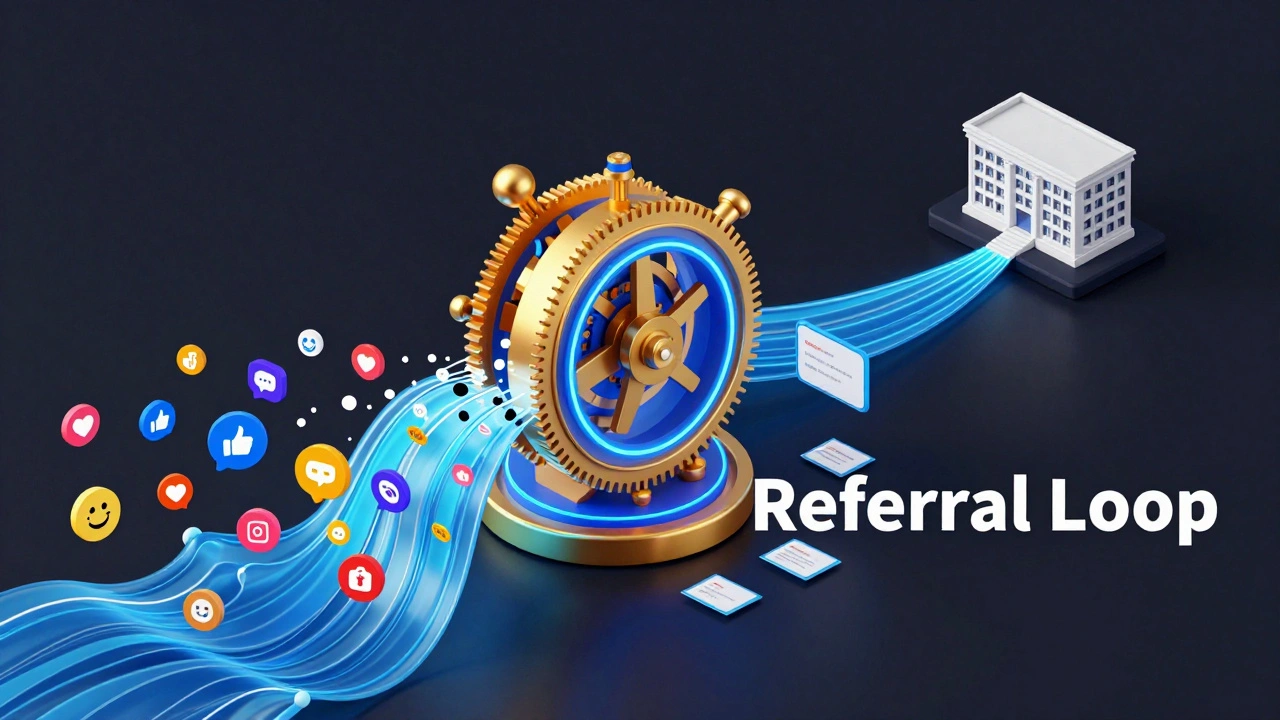
Most traffic to knowledge bases follows a specific pattern. It starts with a trigger-a news event, a celebrity scandal, or a curiosity spike. For example, if a new movie based on a real-life person comes out, search volume for that person's biography spikes. Social media amplifies this spike. A single viral post on Reddit can send thousands of users to a specific Wikipedia page in minutes. This is known as the "referral loop."
However, the Algorithm is a set of rules given to a computer in order to solve a problem or perform a task, specifically determining content visibility of platforms like Meta or TikTok often prioritizes internal content over external links. This is why you'll see "Wikipedia-style" summaries appearing directly within social apps. When a platform provides a snippet of information without requiring the user to leave the app, they are effectively stealing that traffic from the original source.
| Source Type | User Intent | Retention Rate | Primary Format |
|---|---|---|---|
| Search Engines (Google) | Active Seeking | High | Text/Links |
| Social Media (X, FB) | Passive Discovery | Low | Short-form/Viral |
| Internal App Wikis | Quick Reference | Medium | Snippets/Cards |
The Rise of the "Smarter" Competitors
Wikipedia isn't the only player in the game anymore. We're seeing the rise of Knowledge Graphs is a programmatic way to represent a network of real-world entities and their relationships and specialized wikis that target specific niches. Platforms like Fandom or various industry-specific databases have realized that general knowledge is less valuable than "deep-dive" passion knowledge. If you want to know everything about a specific video game character, you're more likely to visit a community-driven fan wiki than the main Wikipedia site.
These competitors leverage social media differently. While Wikipedia avoids marketing, niche competitors build communities on Discord and Reddit. They create an ecosystem where the knowledge is tied to an identity. For a Gen Z user, a TikTok video explaining a complex political concept with memes and fast cuts is more appealing than a 4,000-word academic entry. The traffic isn't just moving from one site to another; it's moving from a text-based format to a multi-modal format.
Then there is the impact of Generative AI is artificial intelligence capable of generating text, images, or other media in response to a prompt. AI bots often train on Wikipedia's data and then deliver that information directly to the user on social media platforms through AI-integrated chat interfaces. This is the ultimate traffic disruptor. Why click a link to Wikipedia when a bot on your social feed can summarize the page for you in three bullet points?
The Trust Gap and the Viral Loop
Why does Wikipedia still win most of the time? It comes down to the "trust signal." In an era of misinformation and fake news, the blue link to Wikipedia serves as a badge of legitimacy. When a user shares a Wikipedia link on a social platform, they aren't just sharing information; they are signaling that the information is verified. This is a powerful psychological driver that competitors struggle to replicate.
But this trust is being tested. As social media platforms move toward "curated experiences," users are becoming more comfortable with fragmented knowledge. The "viral loop" now looks like this: a user sees a claim on TikTok, checks a quick summary on a competitor site, and then perhaps-only if they are truly invested-heads to Wikipedia for the full citations. Wikipedia has become the "final destination" rather than the "first stop."
The Strategic Pivot: Adapting to Social Discovery
For any knowledge platform to survive the social media onslaught, they have to stop thinking about "traffic" as a simple number of clicks. They need to think about "presence." If a platform doesn't have a presence where the conversation is happening, it doesn't exist for the newer generations of users. This is why we see more "Explainers" on YouTube and Instagram that essentially act as spoken-word versions of encyclopedia entries.
The real competition isn't between Wikipedia and another website; it's between a structured database and a fluid social stream. The platforms that will win are those that can bridge the gap-providing the depth and accuracy of an encyclopedia with the accessibility and speed of a social feed. This means moving toward API-driven content that can be embedded anywhere, rather than forcing the user to visit a separate destination.
Does social media actually help Wikipedia grow?
Yes, but in a limited way. Social media creates massive spikes in traffic for trending topics, which introduces new users to the site. However, it doesn't necessarily increase long-term user retention because most social media users are looking for a quick answer and leave as soon as they find it.
Who are the biggest competitors to Wikipedia today?
While there are other encyclopedias, the real competitors are specialized platforms like Fandom for pop culture and AI-driven search engines (like Perplexity or Google's SGE) that summarize information without directing the user to a source page.
How do AI bots affect traffic to knowledge sites?
AI bots create a "zero-click search" environment. By scraping data from sites like Wikipedia and presenting the answer directly in the chat or feed, they reduce the need for users to actually click through to the original website, which lowers overall page views.
Why do niche wikis often perform better on social media?
Niche wikis focus on high-passion topics (like gaming, anime, or specific hobbies). This allows them to build tight-knit communities on platforms like Discord and Reddit, creating a more engaged and loyal user base than a general-purpose encyclopedia.
Can a knowledge platform survive without a social strategy?
It can survive if it has a strong enough brand and is the primary source for critical data (like legal or medical info). However, for general knowledge, failing to integrate with social discovery means losing out on the vast majority of the younger demographic.
Next Steps for Knowledge Seekers
If you're trying to navigate the sea of information today, the best approach is a hybrid one. Start with social media for discovery and to find out "what" is happening, but always verify the "why" and "how" by heading to a cited source. For researchers and content creators, the goal should be to create content that is "discoverable" on social platforms but "authoritative" on a stable webpage. This ensures you capture the viral spark without sacrificing the long-term value of the information.