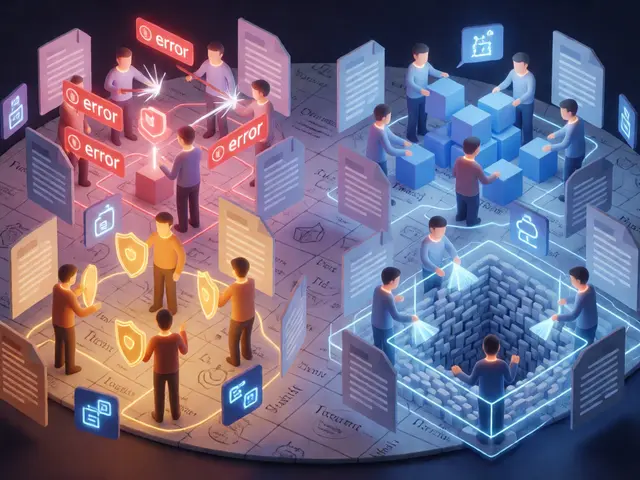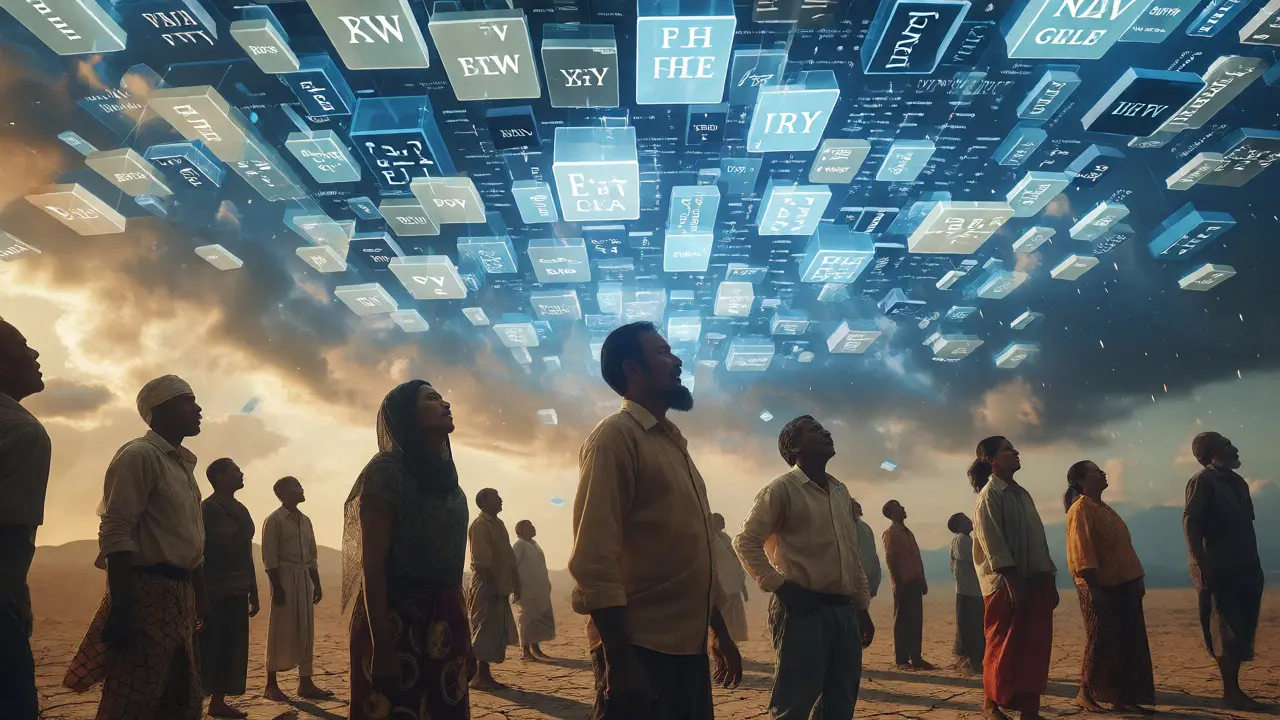
Imagine trying to find information about your grandmother’s hometown in a language you don’t speak. Now imagine that same town has zero entries in the world’s largest encyclopedia because no one from your region had the time, internet access, or permission to write it. This isn’t hypothetical; it is the daily reality for billions of people. Knowledge Equity is the concept that everyone should have equal access to create and consume free knowledge, regardless of geography, language, or economic status. On Wikipedia, this ideal often clashes with stark statistical realities. While English articles dominate the platform, representing only about 20% of the world’s population, they account for nearly half of all content. The rest of us? We are underrepresented, misinterpreted, or simply invisible.
This imbalance isn’t just a trivia problem. It shapes how history is remembered, who gets cited in academic papers, and which cultures feel seen by the digital age. If you’ve ever wondered why certain topics get deep dives while others remain stubs, or why some languages thrive while others struggle, you’re looking at the mechanics of knowledge inequality. Let’s break down what’s actually happening on the ground, who is fighting back, and how multilingual initiatives are slowly shifting the needle.
The Digital Divide Is a Content Divide
We tend to think of the digital divide as a hardware issue-who has a smartphone and who doesn’t. But on Wikipedia, the divide is editorial. Who holds the pen? Data from the Wikimedia Foundation suggests that over 80% of active editors come from the Global North. This creates a feedback loop: if most editors are from Europe and North America, they write about what they know. Consequently, articles about African villages, Indigenous Australian traditions, or Southeast Asian cuisine are often written by outsiders, or worse, not written at all.
Consider the sheer volume difference. As of recent metrics, the English Wikipedia hosts over six million articles. Compare that to Hausa, a language spoken by over 80 million people across West Africa, which has fewer than 15,000 articles. That’s a massive gap in representation. When a topic lacks local voices, it risks becoming stereotyped or outdated. Knowledge equity aims to fix this by ensuring that the people living the experience are the ones documenting it.
Why Multilingual Initiatives Matter More Than Translation
A common misconception is that solving coverage gaps is as simple as translating English articles into other languages. It’s not. Translation without context is like serving a meal without the ingredients list-you might eat it, but you won’t understand it. True multilingual initiatives focus on original content creation in local languages. This means supporting editors in Swahili, Bengali, Yoruba, and Quechua to write their own stories, using their own sources and cultural frameworks.
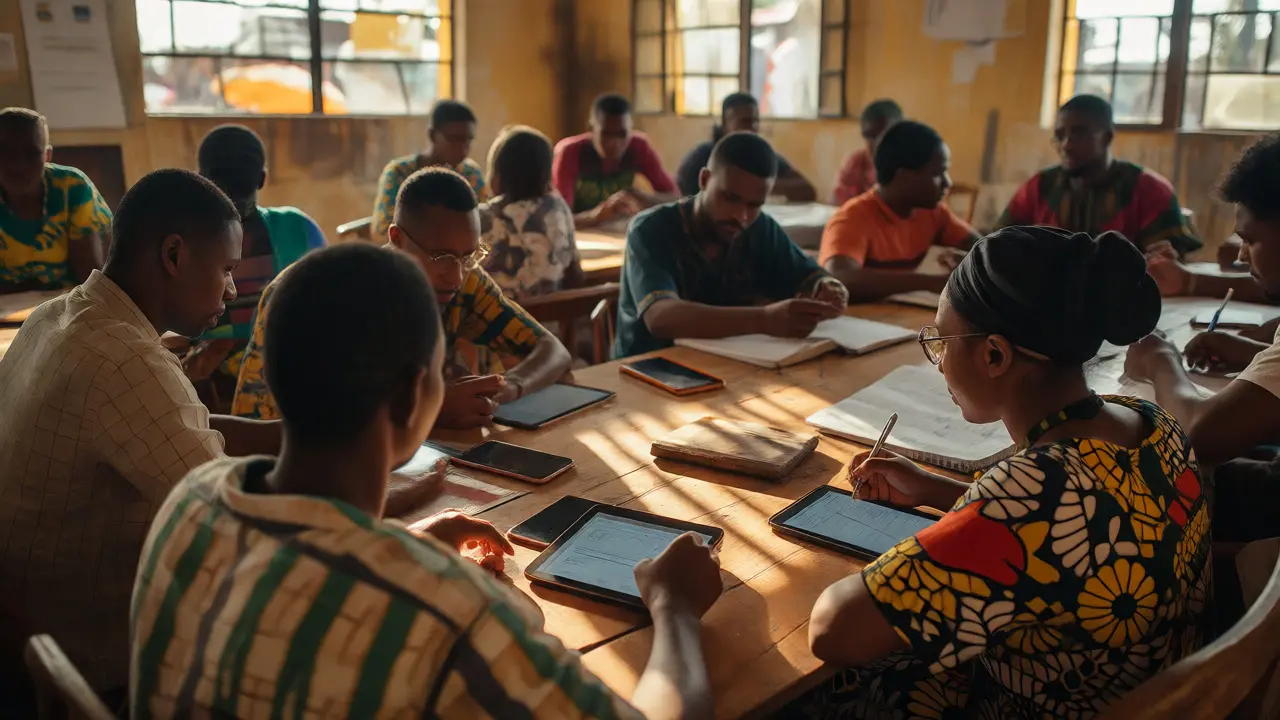
Projects like Wikimedia Community User Group Nigeria demonstrate this approach. Instead of waiting for someone in London to write about Lagos, local editors organize edit-a-thons where they document Nigerian markets, festivals, and historical figures. These aren’t just translations; they are new entries that reflect internal perspectives. This shift from "translation" to "creation" is central to achieving genuine equity.
Key Players Driving Change
You might wonder, who is actually doing this work? It’s rarely a single hero. It’s a network of volunteers, non-profits, and tech platforms working together. One standout example is WikiProject Women in Red. While focused on gender bias, its model has been replicated globally to address geographic bias. Similarly, organizations like Code for Science & Society provide grants specifically for projects that increase diversity in open knowledge.
Then there are the grassroots groups. In India, the Wikimedians of India user group runs campaigns to boost content in regional languages like Tamil and Marathi. They partner with universities to integrate Wikipedia editing into coursework, turning students into contributors. This institutional support is crucial because it provides the time and training that individual volunteers often lack.
| Language Edition | Estimated Article Count (2026) | Primary Initiative Type | Key Challenge |
|---|---|---|---|
| English | ~6.5 Million | Quality Control & Deletionism | Over-saturation vs. Niche Topics |
| Spanish | ~2 Million | Latin American Localization | Dialect Variations |
| Arabic | ~1.2 Million | Regional Conflict Documentation | Sourcing Reliability |
| Yoruba | <30,000 | Oral History Digitization | Lack of Written Sources |
| Quechua | <10,000 | Indigenous Rights Advocacy | Internet Access in Rural Andes |
The Role of Technology and Offline Access
Writing an article requires more than just knowledge; it requires connectivity. In many parts of the Global South, mobile data is expensive or unreliable. This is where technology interventions come in. Tools like Kiwix allow users to download entire Wikipedia databases onto offline devices. While Kiwix is primarily a consumption tool, newer initiatives are experimenting with offline editing capabilities that sync when connectivity returns.
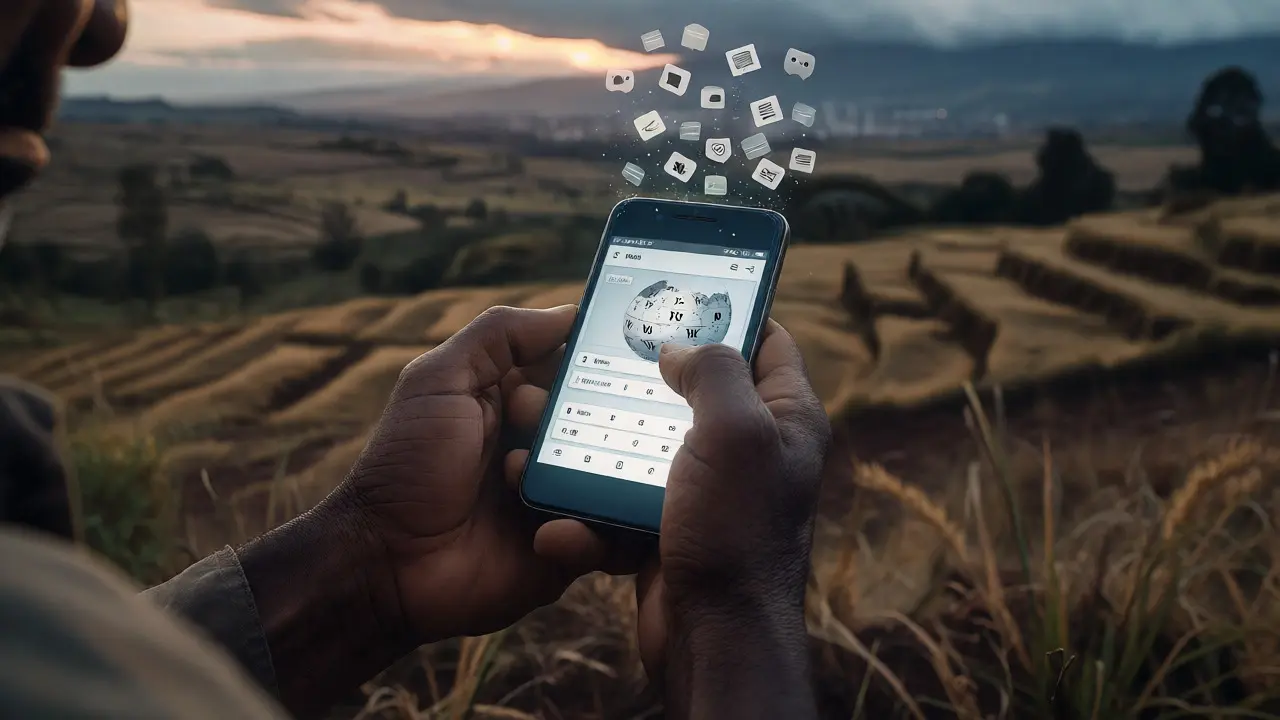
Moreover, the interface itself matters. Most Wikipedia editing tools are designed for desktop computers with large screens and fast keyboards. For a farmer in rural Kenya using a basic Android phone, these interfaces are clunky. Mobile-first editing tools are being developed to lower this barrier. If we want knowledge equity, we must design for the device most people actually use, not the one developers prefer.
How You Can Contribute to Equity
You don’t need to be a linguist or a historian to help. Here are three practical ways to support knowledge equity right now:
- Edit in Your Native Language: If you speak a language with low coverage, start small. Write about your local park, your family recipe, or a community leader. Use reliable local sources.
- Translate Wisely: Don’t just translate random articles. Look for high-quality English articles about topics relevant to your culture and adapt them, adding local context and sources.
- Support Local Edit-a-thons: Attend or sponsor events organized by local Wikimedia chapters. These gatherings provide mentorship and community, which are key to retaining new editors.
Remember, every edit counts. A single well-sourced article about a marginalized community can change how millions perceive that group. It’s not about perfection; it’s about presence.
What is the main goal of knowledge equity on Wikipedia?
The primary goal is to ensure that people from all backgrounds, especially those historically excluded from mainstream media, can create and access free knowledge in their own languages. It seeks to correct biases in who writes history and whose stories are told.
Why is translation not enough to solve coverage gaps?
Translation often misses cultural nuances and local context. Moreover, translated content may still reflect the perspective of the source language rather than the target culture. Original content creation allows local communities to define their own narratives and prioritize topics that matter to them.
Which regions are most underrepresented on Wikipedia?
Sub-Saharan Africa, South Asia, and Indigenous communities in the Americas and Oceania are significantly underrepresented. Many languages in these regions have fewer than 10,000 articles despite having tens of millions of speakers.
How does the digital divide affect Wikipedia editing?
Limited internet access, expensive data plans, and reliance on mobile devices make editing difficult for many potential contributors. Editing tools optimized for desktops further exclude users with limited resources, reducing the diversity of editors.
Can I contribute if I don't speak a major language?
Absolutely. Wikipedia supports over 300 languages. Contributing in smaller languages helps preserve cultural heritage and provides essential information to local readers who may not speak English or French. Every language edition contributes to the global sum of human knowledge.