You’ve probably heard the joke that Wikipedia is written by a bunch of angry guys in their basements. It’s a meme, sure, but it misses the point entirely. The reality is far more complex and fascinating. Behind every edit button sits a human with specific motivations, skills, and limits. If you treat these volunteers as a monolithic block, you’re going to fail at recruiting them, keeping them, or even understanding why they quit.
We need to stop guessing who writes our knowledge base and start segmenting the volunteer base like any other organization segments its workforce. This isn’t just academic navel-gazing; it’s about survival. As Wikimedia Foundation data shows, the number of active editors has plateaued while content demand grows. To fix this, we have to look at editor personas. Who are they? What do they want? And why does one type thrive while another burns out?
Why One-Size-Fits-All Fails
Imagine walking into a hospital and treating the surgeon, the janitor, and the accountant exactly the same way. You’d get terrible results. Wikipedia suffers from the same flaw. We often assume that if we give everyone the same welcome message, the same editing tools, and the same conflict resolution processes, everyone will be happy. They aren’t.
The core issue is motivation mismatch. Some people edit because they love organizing information. Others edit because they want to correct a factual error that annoys them personally. Still others are there for social interaction or professional visibility. When you push a "fix-it" personality into a role that requires diplomatic consensus-building, they clash. When you expect a casual reader to maintain a niche article for years, they ghost you.
Segmenting the base allows us to tailor interventions. A newcomer needs hand-holding and quick wins. A veteran admin needs autonomy and respect. Mixing these up creates friction. By defining clear personas, we can design better onboarding flows, create more relevant help pages, and build tools that actually match how people work.
The Four Core Editor Personas
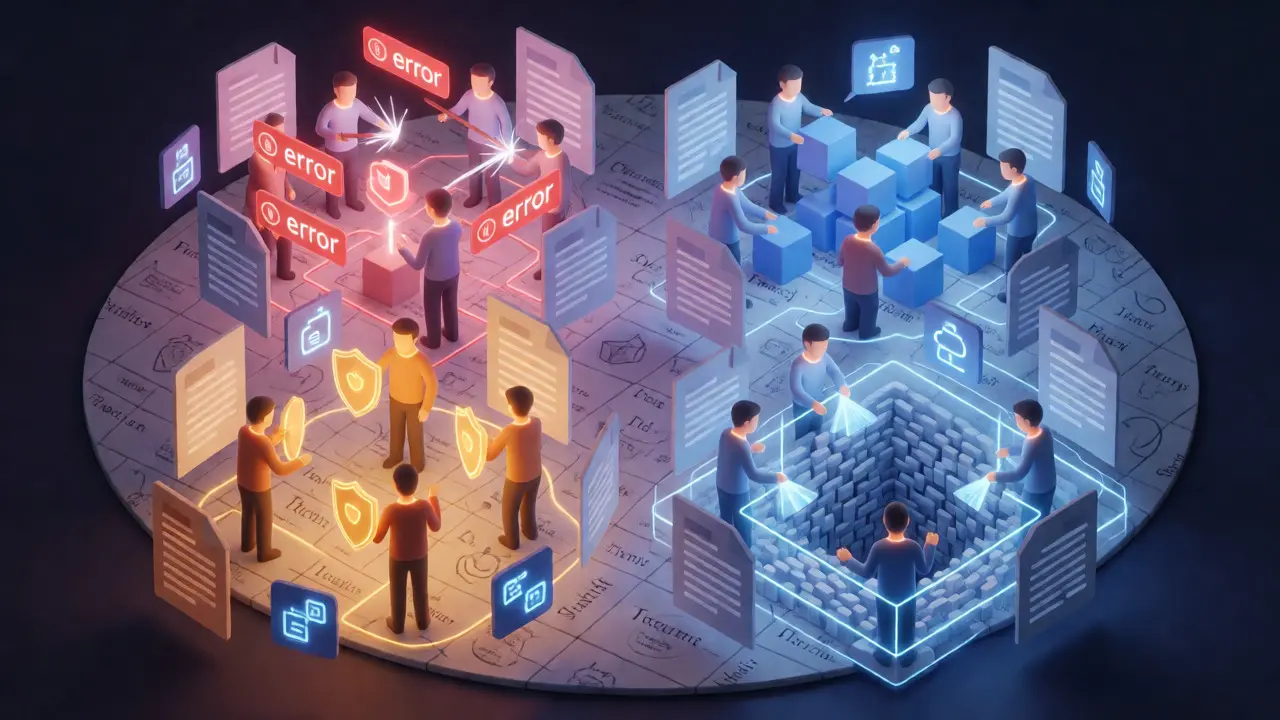
Based on behavioral patterns and contribution history, four distinct types emerge. These aren’t rigid boxes-people move between them-but they represent dominant modes of engagement.
| Persona Type | Primary Motivation | Typical Activity | Risk Factor | Retention Strategy |
|---|---|---|---|---|
| The Fixer | Accuracy & Correction | Reverting vandalism, fixing grammar | Burnout from negativity | Automated tools, recognition badges |
| The Creator | Knowledge Expansion | Writing new articles, expanding stubs | Deletionist conflicts | Mentorship, sandbox spaces |
| The Guardian | Policy Enforcement | Mediating disputes, closing discussions | Emotional exhaustion | Community support, rotation roles |
| The Specialist | Niche Expertise | Editing technical/scientific topics | Isolation from generalists | WikiProjects, specialized forums |
The Fixer: Driven by Order
The Fixer is the immune system of Wikipedia. They spot errors instantly. Maybe it’s a typo in a celebrity bio or a reverted edit war on a political page. They don’t care about making friends; they care about correctness. Their satisfaction comes from seeing a messy page become clean.
But here’s the trap: Fixers often engage only when things go wrong. They rarely contribute to positive growth. If you only see them during crises, you miss their value. They need fast feedback loops. Tools like Huggle, which allow rapid reversion of vandalism, are built for them. Without efficient tools, Fixers burn out fighting fires instead of preventing them.
The Creator: Building Something New
Creators are the architects. They look at a red link and think, "I can fill that." They write new articles, expand stubs, and add references. They are motivated by the joy of creation and the desire to share knowledge they possess.
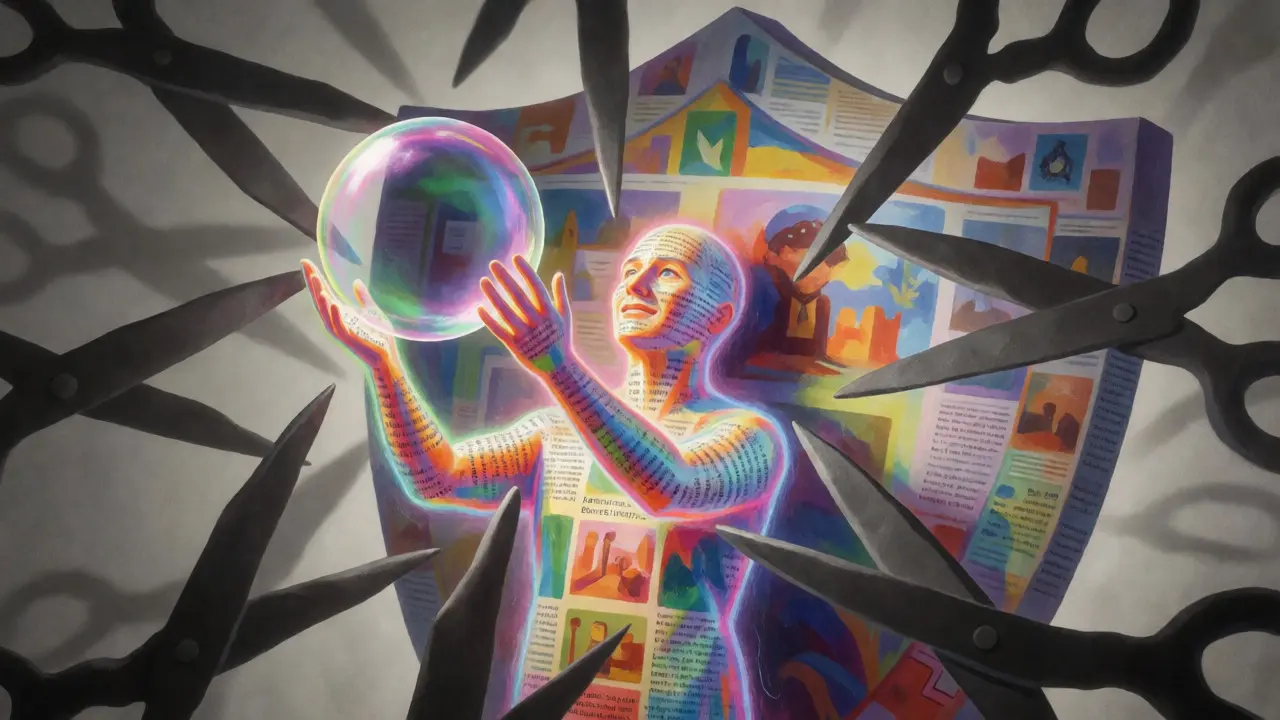
Creators face the highest risk of early dropout. Why? Because they often collide with Deletionists (a subset of Guardians). A Creator spends hours writing an article about a local band, only to have it nominated for deletion within minutes. The emotional toll is massive. To keep Creators, we need gentler review processes and clearer guidelines on what constitutes "notability" before they invest hours of work.
The Guardian: Keeping the Peace
The Guardian operates in the background. They monitor talk pages, enforce policies, and mediate disputes. They are the diplomats. Unlike Fixers, who act quickly, Guardians deliberate. They read long threads, cite policy pages, and try to find consensus.
This role is exhausting. Guardians absorb the toxicity of internet arguments without always getting credit. They often suffer from "admin fatigue," where the weight of judgment leads to withdrawal. Supporting Guardians means providing emotional outlets and rotating responsibilities so no single person carries the burden of every dispute.
The Specialist: Deep Dives Only
Specialists stick to their lane. They might only edit articles related to mycology, quantum physics, or 18th-century naval history. They bring high-quality expertise but little interest in general maintenance.
They often feel isolated because the broader community doesn’t understand their niche. Generalist editors might flag their detailed edits as "too technical." Specialists thrive in WikiProjects where peers speak their language. Connecting Specialists with each other reduces friction and increases retention.

Demographics Shape Behavior
Personas aren’t just about psychology; they’re tied to real-world demographics. Data from Wikimedia surveys reveals stark trends. Most heavy contributors are male, educated, and based in North America or Europe. But this is changing slowly.
Younger editors tend to lean towards Creator behaviors. They are digital natives who view editing as part of online identity. Older editors often take on Guardian or Specialist roles, valuing stability and accuracy over novelty. Gender also plays a role. Women are underrepresented in leadership roles (Guardians/Admins) but participate heavily in content creation (Creators/Fixers), though they report higher rates of harassment.
Understanding these demographic links helps us predict behavior. A young, first-time editor from a non-Western country might face different barriers than a retired professor from Germany. The former might struggle with English proficiency or cultural norms around citation; the latter might struggle with modern interface changes. Tailoring support based on persona plus demographic context is key.
How to Apply Persona Segmentation
So, you know who your editors are. Now what? Here is how to use this framework practically.
- Tailor Onboarding: Don’t give everyone the same tutorial. For Creators, show them how to draft safely in sandboxes. For Fixers, introduce them to recent changes patrols and Huggle immediately. For Specialists, direct them to relevant WikiProjects.
- Customize Notifications: Guardians need alerts for talk page disputes. Creators need alerts when their new article is reviewed. Fixers want instant notifications about reverts on their watchlist. Spamming everyone with all alerts causes notification fatigue.
- Design Better Recognition: Fixers appreciate efficiency awards. Creators want their articles highlighted. Guardians value peer acknowledgment for fairness. Generic "Thank You" messages often feel hollow if they don’t match the contributor’s self-image.
- Intervention Timing: Identify at-risk users early. A Creator who hasn’t edited in two weeks after a deletion notice needs a personal welcome back. A Guardian who stops responding to talk pages might need a break or a co-mediator.
Pitfalls to Avoid
Don’t let personas become stereotypes. People change. Today’s Creator might become tomorrow’s Guardian. Use personas as heuristics, not cages. Also, avoid over-segmentation. If you create twenty micro-personas, you’ll paralyze your team with analysis. Stick to broad categories that drive actionable decisions.
Another trap is ignoring silent majority. Many users edit once and never return. They don’t fit neatly into these ongoing personas. Acknowledge them as "One-Time Contributors" and study why they leave. Was the interface confusing? Did they get bullied? That data is gold.
What is an editor persona?
An editor persona is a semi-fictional representation of a group of Wikipedia contributors based on shared behaviors, motivations, and goals. It helps community managers design better tools and support systems tailored to specific user needs rather than treating all volunteers as identical.
Why should I care about segmenting Wikipedia editors?
Segmentation improves retention and productivity. By understanding whether a user is a Creator, Fixer, Guardian, or Specialist, you can provide the right resources at the right time, reducing frustration and burnout among valuable volunteers.
Can a user belong to multiple personas?
Yes, absolutely. Most experienced editors exhibit traits of multiple personas depending on the context. A user might act as a Fixer during vandalism spikes but shift to Creator mode when working on a passion project. Personas describe dominant tendencies, not exclusive identities.
How do I identify which persona I am?
Look at your primary activity. Do you spend most time reverting bad edits (Fixer)? Writing new content (Creator)? Mediating arguments (Guardian)? Or focusing deeply on one topic area (Specialist)? Your satisfaction usually comes from the task that aligns with your natural inclination.
Does gender influence editor personas?
Statistically, yes. Women are less likely to hold administrative (Guardian) roles due to harassment and structural barriers, yet they contribute significantly as Creators and Fixers. Understanding this helps in designing safer, more inclusive environments for diverse participants.