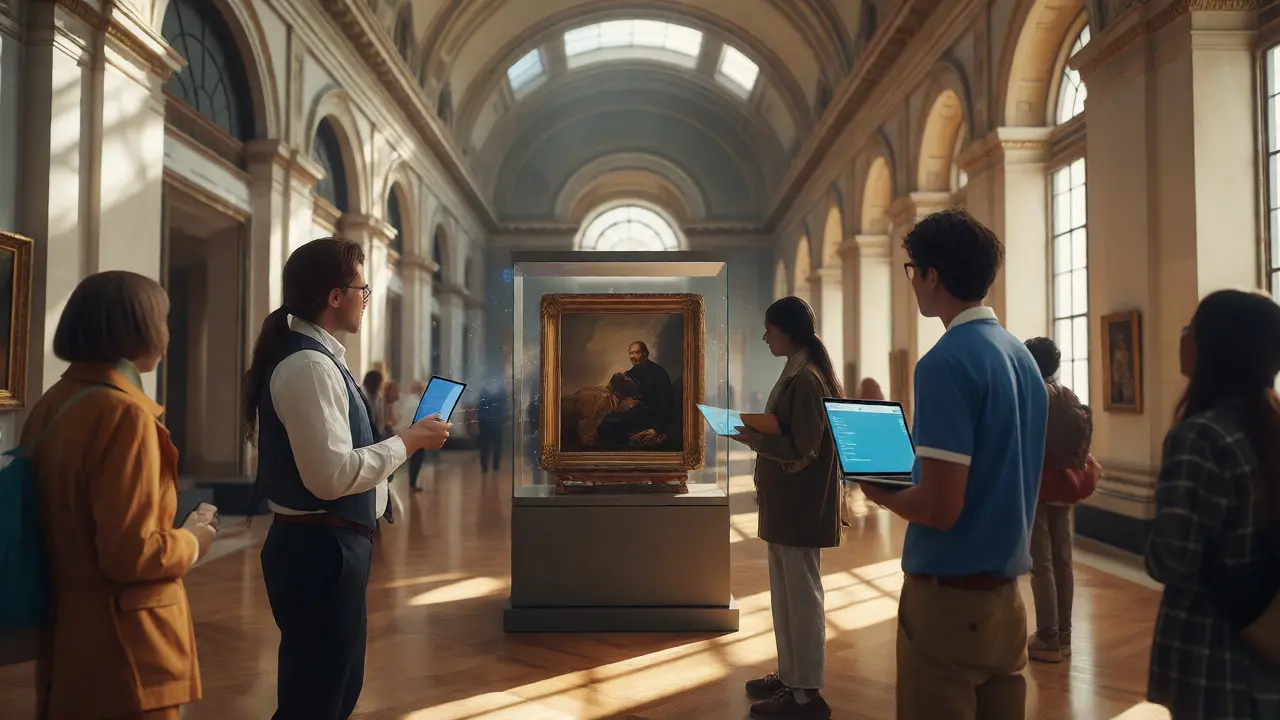
You walk into a museum, see a painting from the 1800s, and wonder who painted it. You pull out your phone, search Wikipedia, and find the answer in seconds. But have you ever stopped to think about how that information got there? It didn't just appear by magic. Often, it’s the result of WikiProject GLAM, a collaborative effort between the Wikimedia Foundation and cultural institutions like galleries, libraries, archives, and museums. This partnership isn’t just about dumping files online; it’s a strategic alliance to make human knowledge accessible to everyone, everywhere.
If you’re a curator, librarian, or archivist, you might be wondering if this is worth your time. Or maybe you’re a volunteer editor looking for reliable sources. Either way, understanding how WikiProject GLAM works can change how you interact with cultural heritage. Let’s break down what this project actually does, why institutions join, and how you can get involved without drowning in bureaucracy.
What Exactly Is WikiProject GLAM?
WikiProject GLAM is a community-led initiative within Wikipedia that focuses on improving content related to cultural heritage institutions. The acronym stands for Galleries, Libraries, Archives, and Museums. It started around 2010 as a way to bridge the gap between traditional gatekeepers of knowledge (museums) and the open-editing model of Wikipedia. Before this, many museums were hesitant to share their collections because they feared losing control or accuracy. WikiProject GLAM changed that dynamic by offering a structured way to collaborate.
The core idea is simple: these institutions hold vast amounts of high-quality data-images, metadata, historical records-that are often locked behind paywalls or physical doors. Wikipedia has millions of readers but sometimes lacks depth or visual context. By partnering, both sides win. The institution gets global visibility and accurate attribution; Wikipedia gets verified, high-resolution content.
It’s not a single organization but a network. There are local chapters in countries like Australia, Canada, and the Netherlands, each adapting the model to fit local laws and cultural norms. For example, in the UK, the focus might be on digitizing public domain paintings, while in Australia, it might involve Indigenous art partnerships where consent protocols are stricter.
Why Cultural Institutions Join the Partnership
Let’s be honest: running a museum is expensive. Digitizing a collection costs money, staff hours, and technical infrastructure. So why would an institution spend resources on a free encyclopedia? The return on investment (ROI) isn’t measured in dollars, but in reach and relevance.
First, consider discoverability. A small regional archive might have only a few hundred visitors a year. But its digitized documents, once uploaded to Wikimedia Commons and linked to Wikipedia articles, can be viewed by millions. This doesn’t replace the physical visit; it acts as a teaser. People see a photo of a rare manuscript online, get curious, and plan a trip. That’s real-world impact.
Second, there’s the authority factor. When a museum’s official name appears as the source for an image or fact, it lends credibility. Conversely, when Wikipedia editors cite museum records, they validate the institution’s research. It’s a two-way street of trust-building. In an era of misinformation, being cited by Wikipedia signals that your data is robust enough to withstand public scrutiny.
Third, it helps with long-term preservation. Digital copies stored in Wikimedia projects are backed up globally. If a local server crashes, the copy on Commons remains. While this isn’t a primary archival strategy, it adds a layer of redundancy that’s hard to beat for free.
The Mechanics: How Partnerships Actually Work
You might imagine this process involves complex contracts and lawyers. In reality, most WikiProject GLAM collaborations start with a simple conversation. Here’s the typical workflow:
- Identification: An institution identifies a specific collection or dataset they want to share. Maybe it’s a set of Civil War letters or a series of botanical illustrations.
- Scoping: They meet with experienced Wikipedians or a GLAM coordinator to define the scope. What’s in the public domain? What needs permission? Who owns the copyright?
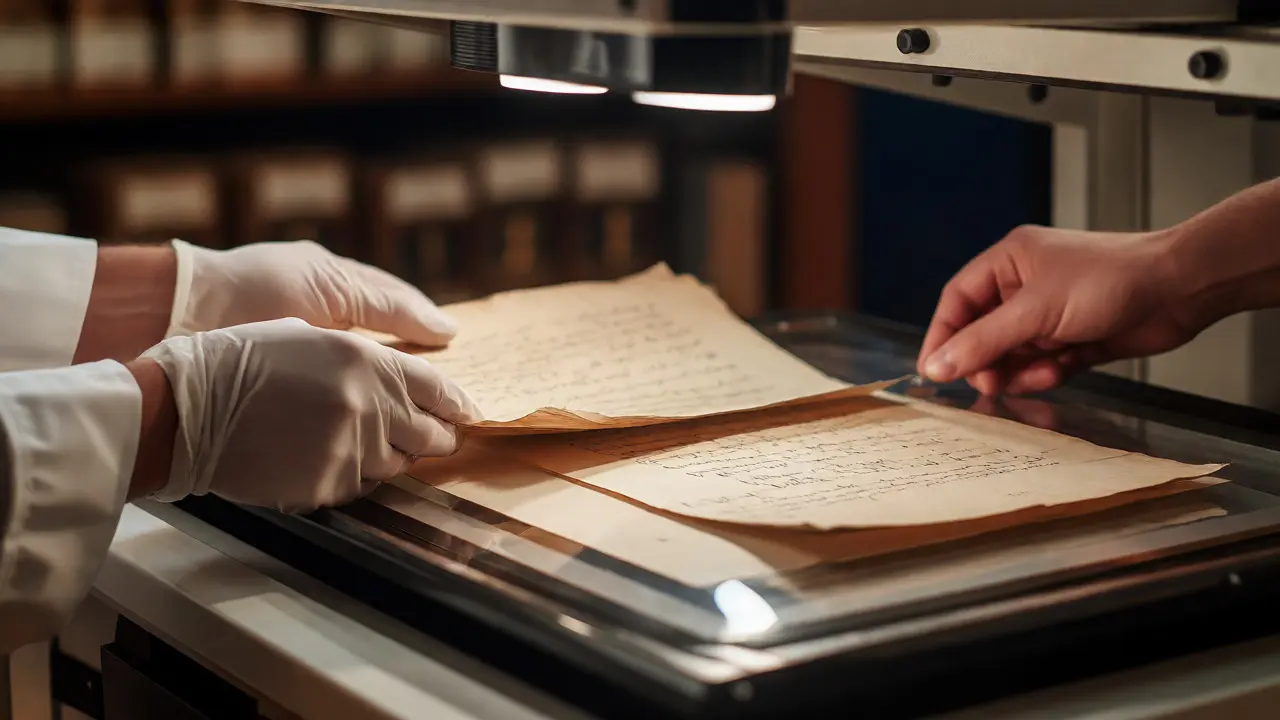
- Digitization: The institution prepares the assets. This means scanning images at high resolution and cleaning up metadata (dates, creators, titles).
- Upload: Assets are uploaded to Wikimedia Commons using tools like Cat-a-Lot or direct uploads via API.
- Integration: Editors link these files to relevant Wikipedia articles. They add citations, improve captions, and ensure neutrality.
- Maintenance: Ongoing monitoring ensures links don’t break and updates are made if new research emerges.
The key here is licensing. Most partners use Creative Commons licenses, specifically CC BY-SA (Attribution-ShareAlike). This allows anyone to reuse the content, even commercially, as long as they credit the source. Some institutions prefer CC0 (public domain dedication), which removes all restrictions. Choosing the right license depends on your institutional policy and legal advice.
Common Pitfalls and How to Avoid Them
Not every partnership goes smoothly. I’ve seen projects stall because of mismatched expectations. Here are three common traps and how to sidestep them.
Trap 1: Ignoring Metadata Quality. Uploading a JPEG named "IMG_0045.jpg" with no description is useless. Search engines and users rely on metadata. If you don’t tag it with proper categories (e.g., "Paintings by Rembrandt," "17th-century Dutch art"), it disappears into the void. Always invest time in tagging before uploading.
Trap 2: Underestimating Community Norms. Wikipedia has strict rules about notability and neutral point of view. If a museum tries to insert promotional language-"The world’s best exhibit!"-editors will revert it. Train your staff to write objectively. Focus on facts, not adjectives.
Trap 3: Lack of Internal Buy-in. If only one intern cares about the project, it dies when they leave. Get management on board. Show them analytics from previous uploads. Make it part of job descriptions, not a side hustle.
Success Stories: Real-World Impact
Numbers speak louder than promises. Consider the Smithsonian Institution. Since joining WikiProject GLAM, they’ve shared over 2 million images. These aren’t just pretty pictures; they’re educational resources used in classrooms worldwide. Teachers download a high-res scan of a fossil, print it, and students learn about paleontology without needing expensive textbooks.
Another great example is the National Archives of Australia. They partnered to release thousands of government documents. Historians found connections between papers that archivists had missed. One researcher discovered a letter linking two obscure politicians, leading to a new academic paper. That’s serendipity powered by open data.
Even smaller players benefit. A local library in Madison, Wisconsin, shared its collection of vintage postcards. Within months, genealogists used them to trace family migration patterns. The library didn’t have to hire extra staff; the community did the heavy lifting of categorization and linking.
How to Start Your Own Partnership
Ready to give it a shot? You don’t need a massive budget. Start small. Pick one collection that’s already digitized. Check its copyright status. If it’s pre-1928 (in the US), it’s likely public domain. Upload ten images to Wikimedia Commons. See what happens. Do people edit the articles? Do they ask questions?
Use the GLAM-Wiki Toolset to manage bulk uploads efficiently. Attend virtual meetups hosted by local Wikimedia chapters. These events are low-pressure ways to meet experienced editors who can guide you through the first steps.
Remember, transparency is key. If you’re unsure about a copyright claim, flag it. Don’t guess. The community prefers caution over controversy. And always, always provide clear attribution guidelines so users know how to credit your institution correctly.
| License Type | Reusability | Attribution Required? | Best For |
|---|---|---|---|
| CC BY-SA 4.0 | High (Commercial allowed) | Yes | Institutions wanting credit and share-alike enforcement |
| CC0 (Public Domain) | Total (No restrictions) | No (but appreciated) | Government works or fully owned collections |
| CC BY 4.0 | High (Commercial allowed) | Yes | Institutions allowing derivative works without share-alike |
Frequently Asked Questions
Does WikiProject GLAM cost money?
Generally, no. The platform itself is free. However, institutions bear the cost of digitization, staff time for metadata creation, and potentially legal review for copyright clearance. Some grants exist specifically to fund GLAM initiatives, such as those from the Andrew W. Mellon Foundation.
Who owns the content after it's uploaded?
The original creator or institution retains ownership. By choosing a Creative Commons license, you grant others permission to use the work under specific conditions. You do not transfer copyright to Wikimedia.
Can private museums participate?
Yes, absolutely. Private museums, galleries, and archives are welcome. The main requirement is that the content must be freely licensed. If a private collector holds exclusive rights, they must agree to the chosen license terms.
How do we handle sensitive cultural materials?
Many communities have specific protocols. For instance, some Indigenous artifacts require community consent before publication. WikiProject GLAM encourages partners to consult with descendant communities or stakeholders before uploading sensitive items, ensuring ethical representation.
Is there a risk of vandalism?
Minimal. Files on Wikimedia Commons are less prone to malicious editing than article text. Plus, changes are tracked and reversible. If someone edits a caption poorly, any registered user can revert it. The community actively monitors recent changes.