The latest edition of The Signpost dropped on November 28, 2025, and it’s packed with updates that matter to anyone who edits Wikipedia. If you’ve ever spent hours refining an article, debating policy on a talk page, or fixing vandalism at 2 a.m., this is the newsletter you need to read. It’s not just a summary-it’s a pulse check on the health of the world’s largest free encyclopedia.
What’s New in the WikiWorld
This month, The Signpost reported a 17% drop in new editor sign-ups compared to the same period last year. That’s not a surprise to long-time contributors, but it’s still worrying. The number of active editors-those making five or more edits per month-has hovered around 70,000 since early 2024. The community is aging. Newcomers are fewer, and many of those who do join leave within three months. Why? The barrier to entry is higher than ever. Complex policies, hostile edit wars, and automated bots that reject well-intentioned edits without explanation are driving people away.
One bright spot? The mobile app. More than 40% of edits now come from smartphones and tablets. That’s up from 25% in 2022. The Wikimedia Foundation rolled out a simplified edit interface for iOS and Android this fall, and early feedback is positive. First-time editors using the app are 30% more likely to make a second edit than those who start on desktop.
Policy Changes That Hit Hard
Two major policy updates went live this month. The first is the revised Neutral Point of View guideline. For years, editors have argued over whether “both sides” of a controversial topic should always be presented equally. The new guidance says: no. If a claim is fringe, unsupported by reliable sources, or promoted by bad-faith actors, it doesn’t get equal space. This change was pushed through after a months-long discussion on the Village Pump, with over 1,200 comments. It’s already being applied to articles on climate change denial, election fraud theories, and medical misinformation.
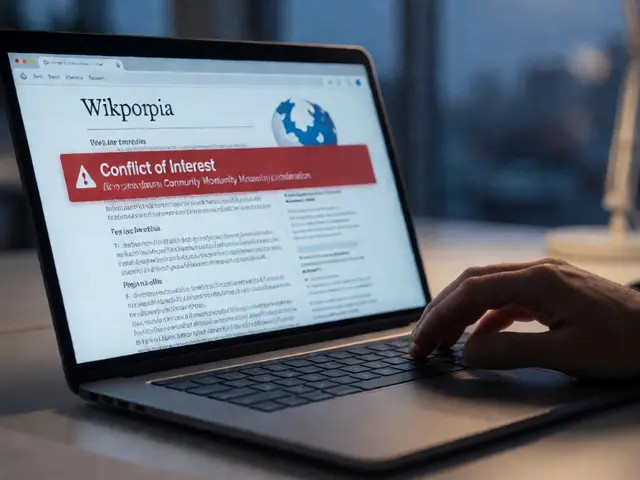
The second change is stricter enforcement of Conflict of Interest rules. Organizations, PR firms, and politicians who try to edit their own pages now face automatic blocks if detected. A new tool called COI Watch scans edits for patterns tied to known corporate accounts, paid editors, or institutional IPs. In the first week, 89 accounts were blocked. Some were legitimate researchers-mistakes happen-but most were trying to whitewash corporate histories or bury negative coverage.
Featured Articles and New Tools
This month’s featured article is “The 1980 Winter Olympics: The Forgotten Ice Hockey Miracle”. It’s a deep dive into the U.S. team’s underdog win, based on newly declassified FBI files and interviews with surviving players. The article took 14 months to develop, with contributions from 47 editors across 12 countries. It’s now the most-read article in the sports category.
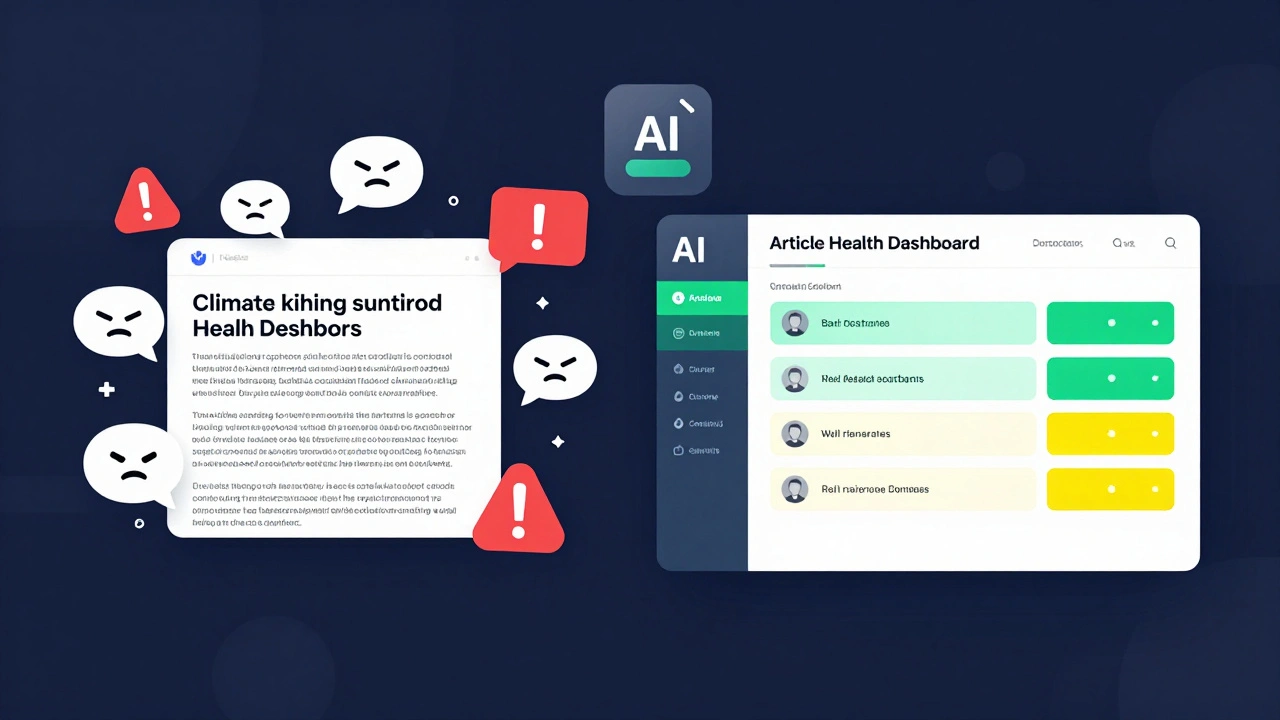
Wikipedia’s new Article Health Dashboard is rolling out to all editors. It gives you a color-coded snapshot of your articles: green for well-sourced and stable, yellow for needing citations, red for flagged for neutrality or vandalism. You can sort your watchlist by health score now, so you know where to focus. It’s not perfect-sometimes it flags good articles that use obscure but valid sources-but it’s already helping reduce edit wars.
Community Spotlight: The Quiet Heroes
One of the most moving pieces in this edition profiles a 72-year-old retired librarian from rural Ohio who edits Wikipedia under the username “BookWorm42.” She spends two hours a day fixing typos, adding citations to articles on local history, and translating short entries into Spanish for Spanish-speaking readers. She’s made over 12,000 edits. No awards. No recognition. Just quiet, consistent work. Her story isn’t unique. There are thousands like her-people who don’t seek fame, but who keep Wikipedia alive.
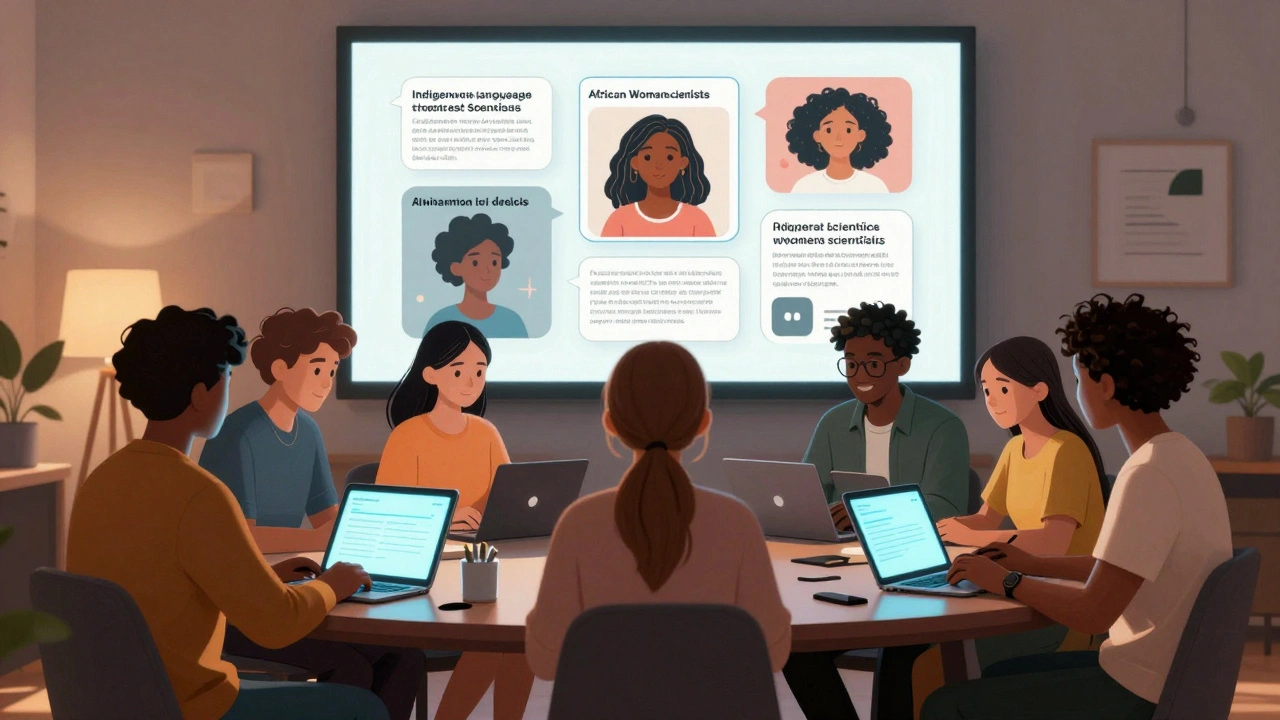
Another highlight: the rise of the “WikiTeams.” These are small groups of editors who meet weekly on Discord or Telegram to collaborate on underdeveloped topics. One team focused on Indigenous languages in Canada added 120 new articles in just six weeks. Another is building a database of African women scientists, many of whom were never documented before. These grassroots efforts are where Wikipedia’s future is being built-not in boardrooms, but in chat rooms.
What’s Coming Next
Early next year, Wikipedia will launch a new AI-assisted editing tool called WikiSuggest. It doesn’t write articles for you. Instead, it reads your draft and suggests: missing citations, biased language, or sections that need expansion. It’s trained only on Wikipedia’s own edit history and community-approved content. No corporate data. No external models. The tool is being tested by 5,000 volunteer editors right now. If it passes, it’ll go live to everyone in February.
There’s also a push to improve accessibility. Wikipedia’s text-to-speech feature is getting a major upgrade. It now supports 32 languages, including several Indigenous languages like Navajo and Quechua. Voice navigation for screen readers is also being redesigned based on feedback from visually impaired users.
Why This Matters
The Signpost isn’t just news. It’s a lifeline. It tells you who’s fighting for accuracy, who’s pushing for inclusion, and where the real battles are being fought-not in headlines, but in edit histories and talk page threads. It reminds you that Wikipedia isn’t a static database. It’s a living, breathing community of people who care enough to show up, day after day, to fix what’s broken.
If you edit Wikipedia, you’re part of that. Even if you only fix one typo a week. Even if you only add one citation. You’re keeping the lights on.
Where can I read the latest edition of The Signpost?
You can find the latest edition on Wikipedia’s official website at https://en.wikipedia.org/wiki/Wikipedia:The_Signpost. It’s published weekly every Thursday and archived for reference. You can also subscribe to receive email notifications when a new issue drops.
Is The Signpost written by Wikipedia staff?
No. The Signpost is entirely written and edited by volunteer Wikipedia editors. It’s a community-run newsletter, independent of the Wikimedia Foundation. Contributors come from all over the world and are selected based on their editing experience and writing quality. This independence is why it’s trusted by editors-it’s not corporate messaging, it’s peer reporting.
How can I contribute to The Signpost?
If you’re an experienced editor with strong writing skills, you can pitch ideas or submit articles through the Signpost’s submission page. They’re always looking for contributors who can cover local events, policy changes, or community stories. You don’t need to be famous-just reliable and clear. Past contributors include teachers, librarians, students, and retirees.
What’s the difference between The Signpost and the Wikimedia Foundation blog?
The Signpost covers community-driven news: editor debates, policy changes, editing controversies, and grassroots initiatives. The Wikimedia Foundation blog focuses on organizational updates: funding, new tools, legal issues, and global partnerships. The Signpost is the voice of the editors. The Foundation blog is the voice of the organization. They often cover the same topics-but from completely different angles.
Are there similar newsletters for other wikis?
Yes. Many language editions of Wikipedia have their own versions. The German Wikipedia has Der Wikipedianer, the French has Le Bistro, and the Japanese has ウィキペディア通信. Even smaller wikis like Wikiquote and Wikisource have community newsletters. They follow the same model: volunteer-written, community-focused, and free of corporate influence.