Wikinews is a collaborative news project run by the Wikimedia Foundation that publishes news articles written by volunteers. Unlike traditional news outlets, Wikinews operates on a wiki model where anyone can edit articles after registration. This open approach allows for rapid corrections and updates, ensuring news stays accurate and transparent.
When a news story has an error, trust takes a hit. For traditional media, correcting mistakes often involves printed errata or online updates that aren't always visible. But Wikinews corrections are handled differently. Here's how it works.
Why Corrections Matter in Journalism
Readers expect news to be accurate. When errors happen, how a news organization responds defines its credibility. A 2024 Reuters Institute study found that 72% of readers lose trust in outlets that don't clearly correct errors. Wikinews tackles this by making every correction visible and documented. This transparency isn't just about fixing mistakes-it's about building long-term trust with the audience.
How Wikinews Handles Corrections
When an error is found in a Wikinews article, editors follow a clear process:
- Editors immediately update the article with the correct information.
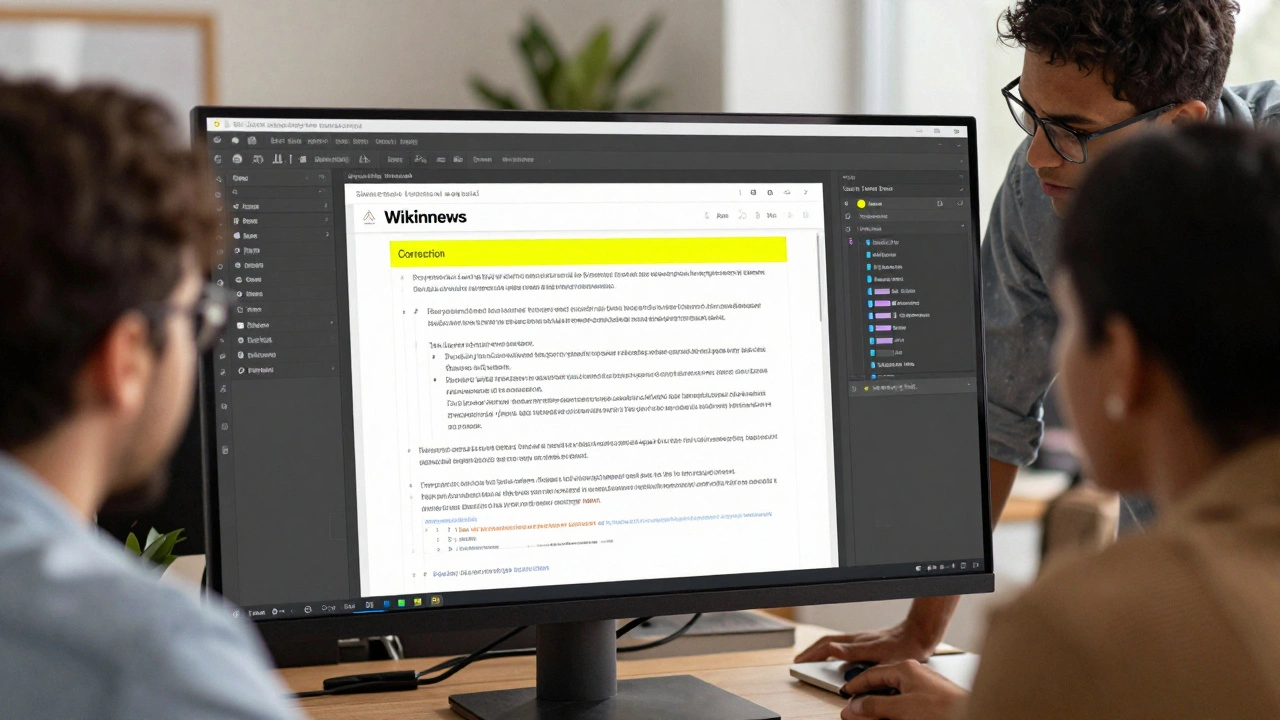
- A standardized correction notice is added at the top of the article. This notice states the original error and the fix.
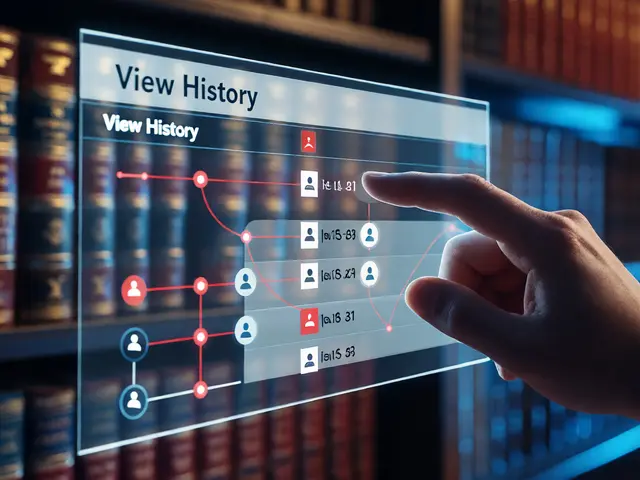
- The change is logged in the article's history. Anyone can view the edit history to see exactly what was corrected.
- Discussions about the correction happen on the article's talk page. This ensures community input before finalizing changes.
For example, a 2023 article about a wildfire reported 150 homes destroyed. Later, officials confirmed the correct number was 120. Editors updated the number and added a correction notice: "This article has been corrected: the number of homes destroyed was initially reported as 150; the correct figure is 120." The history log shows the exact change, so readers know exactly what was fixed.
Updates vs. Corrections
Corrections fix mistakes. Updates add new information to a developing story. Wikinews handles both clearly:
- Corrections: Fix factual errors. The article is updated, and a "corrected" notice appears at the top.
- Updates: Add new details (e.g., "New developments: the fire has now spread to 500 acres"). A "updated" notice appears at the top.
This distinction ensures readers know whether the change was fixing an error or adding new facts. Both types of changes are logged in the history, so transparency remains intact.
Retractions: When Stories Are Fully Wrong
Retractions are rare but happen when an entire story is based on false information. In these cases:
- The article is marked with a clear "Retracted" notice at the top.
- A detailed explanation of why the story was retracted is added.
- The history log shows all changes leading to the retraction.
For instance, in 2022, a story about a scientific discovery was retracted after the source was proven fraudulent. The article now states: "This story has been retracted due to unreliable sources. The original claims were not verified and have been debunked by the scientific community." This approach prevents misinformation from lingering while keeping the record clear.
Transparency Features
Wikinews builds trust through visible transparency:
- Every edit is logged in the article's history. Users can see who made changes and why.
- Correction notices appear at the top of articles, so readers see them immediately.
- Talk pages host discussions about corrections, allowing community input.
- Editors monitor changes to prevent vandalism. Incorrect edits are quickly reverted.
These features mean readers can verify accuracy themselves. There's no hidden process-just open, documented changes.
How Wikinews Compares to Traditional Media
| Aspect | Traditional Media | Wikinews |
|---|---|---|
| Correction Visibility | Often buried in a separate section or later edition | Clear notice at the top of the article |
| History Tracking | Usually not public; only internal logs | Full edit history publicly accessible |
| Response Time | Hours to days | Minutes to hours |
| Reader Involvement | Limited to letters to editor | Anyone can propose corrections via talk pages |
Frequently Asked Questions
Can anyone correct a Wikinews article?
Yes. Wikinews is a wiki, so registered users can edit articles directly. However, major corrections are usually discussed on the article's talk page first. Editors review changes to ensure accuracy before publishing.
How do I know if a correction was made?
Every correction has a visible notice at the top of the article. You can also check the article's history tab to see all edits. Each change includes a summary explaining what was fixed.
What's the difference between a correction and a retraction?
A correction fixes a specific error in a story (like a wrong number or name). A retraction happens when the entire story is inaccurate. Retractions are rare; Wikinews usually corrects errors rather than retracting. If a retraction occurs, the article is marked clearly as retracted with details.
Do corrections affect the article's ranking?
No. Wikinews prioritizes accuracy over ranking. Corrections are made immediately, regardless of traffic. The article's history shows all changes, maintaining transparency.
How does Wikinews prevent false corrections?
Community oversight. Editors monitor changes, and the talk page is used to discuss edits. Vandalism or incorrect edits are quickly reverted. The history log makes it easy to spot and fix mistakes.