Every day, thousands of Wikipedia articles vanish-not because they’re wrong, but because they’re deemed not notable. These aren’t random cleanups. They’re the result of heated, sometimes bitter, debates that pit editors against each other over who gets to decide what matters. This is the notability war, and it’s been shaping Wikipedia for two decades.
What Does "Notability" Really Mean?
Notability isn’t about quality. It’s about attention. Wikipedia doesn’t care if your blog post is well-written or your local band has a loyal fanbase. It cares if major media outlets have written about them. A person, organization, or event needs independent, reliable sources that give it serious coverage-not just a mention.
That sounds simple. But in practice, it’s messy. A small-town mayor might get three paragraphs in the local paper. Is that enough? A startup that raised $50,000 might get a TechCrunch headline. Is that enough? The rules say "significant coverage," but no one defines "significant." That’s where the fights begin.
The Life and Death of an Article
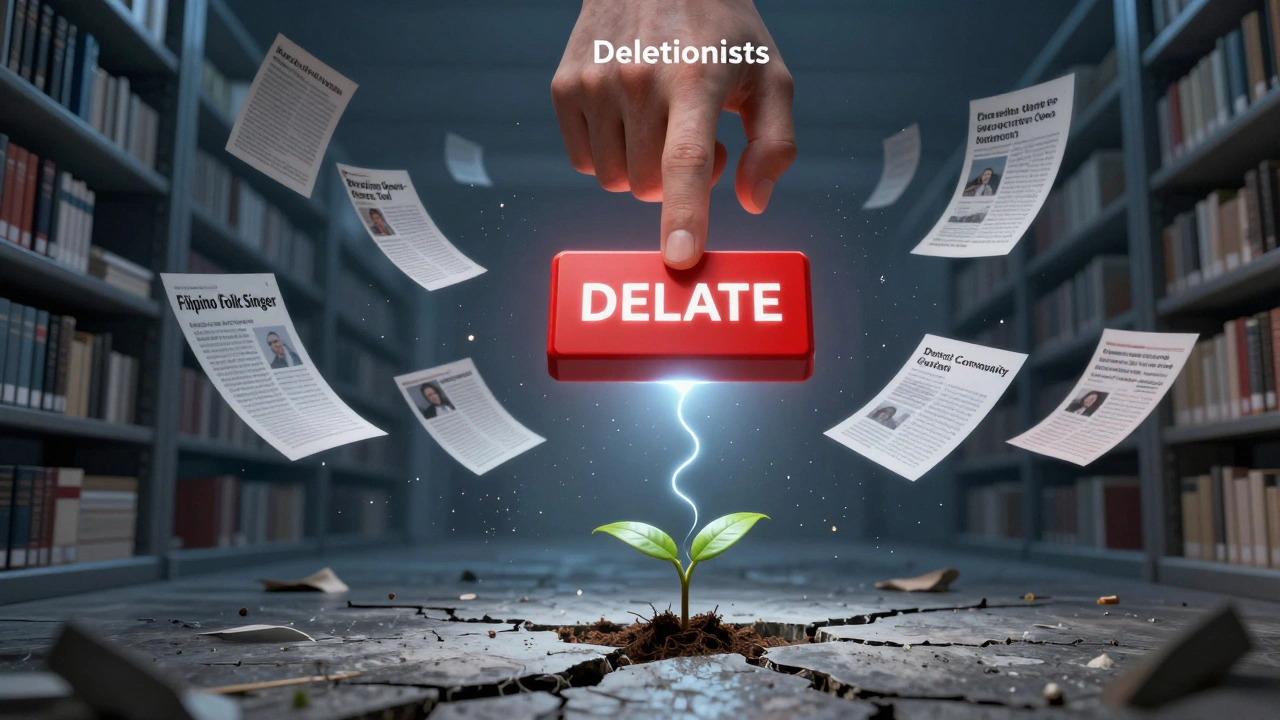
When an article gets flagged for deletion, it doesn’t just disappear. It goes to a public review page-Articles for Deletion, or AfD. Anyone can weigh in. Editors argue over sources. They quote policy. They cite precedent. Sometimes, the debate lasts weeks. One article about a 1990s indie band survived because someone dug up a 1994 review in Rolling Stone. Another about a nonprofit that helped 12,000 people got deleted because all the coverage came from its own website.
Here’s the thing: the same rule gets applied differently. A celebrity chef with a Netflix show? Notable. A chef who ran a successful restaurant for 20 years and fed 50,000 meals to the homeless? Not notable unless a major outlet covered them. That’s not logic. That’s bias.
Who Gets to Decide?
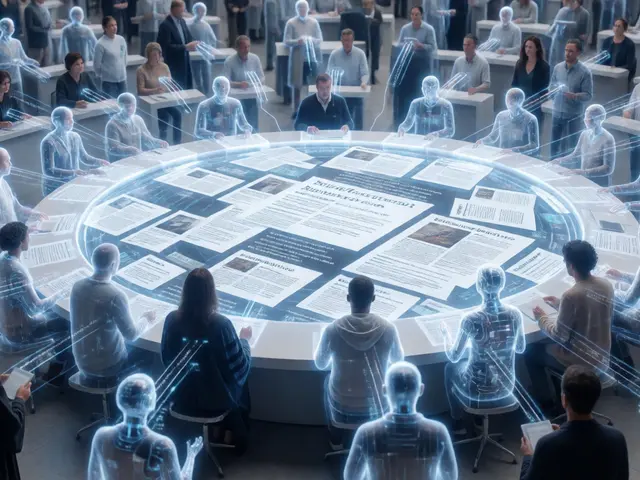
Wikipedia’s governance is decentralized. There’s no CEO. No board. Just volunteers. And not all volunteers are equal. A handful of editors-often the same ones-handle hundreds of deletion debates. These are experienced, sometimes obsessive, users who’ve spent years learning the rules. They’re called "deletionists." Their opponents? "Inclusionists." They believe Wikipedia should be a living archive, not a curated museum.
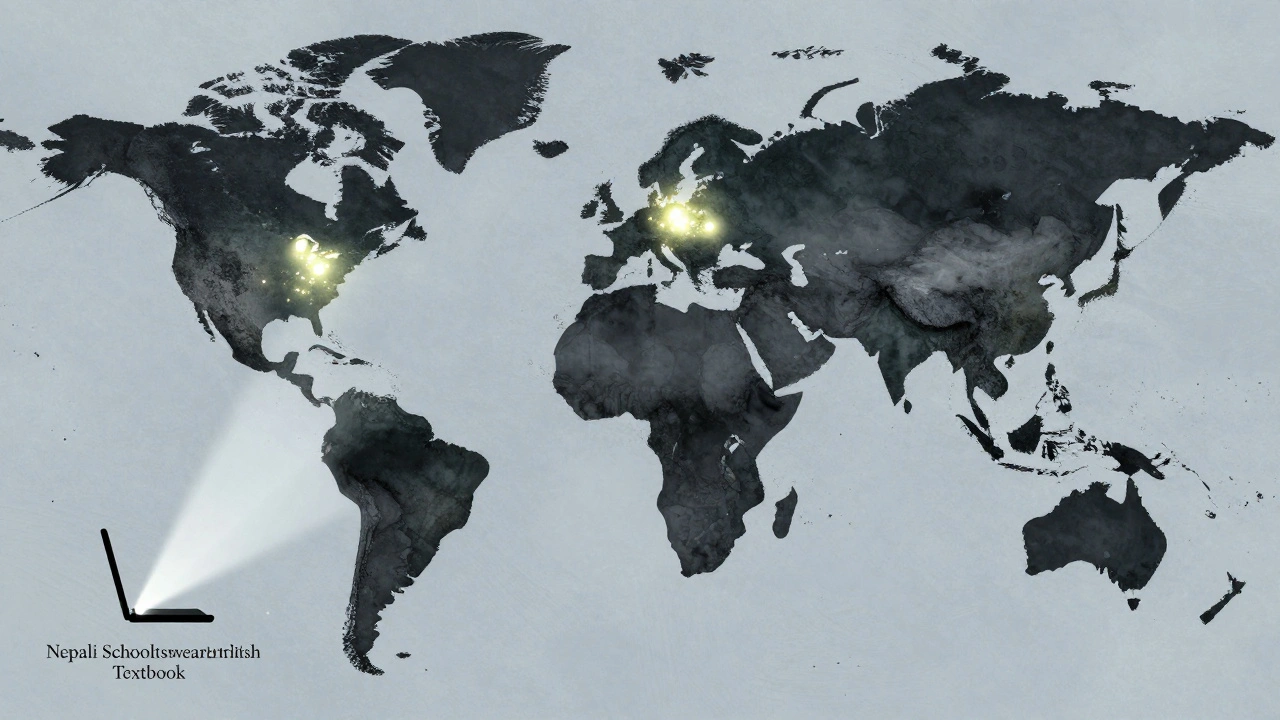
In 2024, a study of 10,000 AfD cases showed that 82% of deletion decisions were made by just 5% of active editors. That’s not democracy. That’s gatekeeping. And it skews toward English-speaking, Western, academic backgrounds. A Nepali schoolteacher who published a textbook used in 200 rural schools? Not notable. A British university professor who wrote one academic paper? Notable.
The Hidden Cost of Erasure
When an article gets deleted, it doesn’t just vanish from Wikipedia. It vanishes from public memory. Google searches drop. Links break. Students lose references. Researchers can’t trace sources. In 2023, a historian found that 17% of citations to defunct Wikipedia articles in academic papers were about people or organizations from non-Western countries.
It’s not just about fairness. It’s about knowledge loss. Wikipedia is the third most visited site in the world. When it deletes something, the world forgets it. And once it’s gone, restoring it is nearly impossible. Even if new sources appear later, the article’s history-its edit log, its discussion, its context-is erased.
Real Cases That Split the Community
One 2022 case involved a community garden in Detroit. It had been covered by The Guardian, Michigan Radio, and three local newspapers. It fed 300 families a year. It had won a city award. Yet, it was deleted because one editor said the coverage was "insufficiently analytical." The garden still exists. Its story doesn’t.
Another was about a Filipino folk singer who recorded 40 albums and performed for 40 years. No international media covered her. But every major Filipino newspaper did. The article was deleted. Why? Because Wikipedia’s guidelines say "international" coverage counts more than "regional." That rule was written by editors in New York and London.
Then there’s the case of a small open-source software tool created by a single developer in Brazil. It was used by 200,000 developers. GitHub showed 15,000 stars. Stack Overflow had 5,000 questions about it. But no tech blog reviewed it. The article was deleted. The developer said, "I didn’t build it for fame. I built it to help people. Now no one can find it."
Why This Matters Beyond Wikipedia
Wikipedia isn’t just a website. It’s the default source of truth for billions. When it decides something isn’t notable, it tells the world: this doesn’t matter. That’s a powerful, unspoken authority. And it’s not being used evenly.
Think about who’s left out. Women. Minorities. Non-Western cultures. Local heroes. Grassroots movements. They’re not less important. They’re just less visible to the editors who control the gate.
Wikipedia’s notability policy was designed to prevent spam and vanity pages. But now, it’s filtering out entire communities. It’s not just about what’s deleted. It’s about what’s never written in the first place. People don’t bother creating articles if they’ve seen others get axed. The fear of deletion becomes a self-fulfilling prophecy.
What Could Change?
Some fixes are simple. The policy could allow regional media to count as "reliable" if they meet certain standards. It could recognize non-traditional sources-like verified community archives, public radio, or academic repositories. It could require that deletion votes include evidence of bias, not just opinion.
Others are harder. Wikipedia needs more editors from underrepresented regions. It needs training programs that teach cultural context, not just policy. It needs a system that doesn’t let five people erase decades of local history.
There’s a movement to create "notability tiers." A global standard for celebrities. A regional standard for community figures. A local standard for grassroots efforts. One size doesn’t fit all. And pretending it does isn’t neutrality-it’s erasure.
The Future of Collective Memory
Wikipedia was meant to be the sum of human knowledge. Instead, it’s becoming the sum of what a small group of editors decide is worth keeping. That’s not a flaw. It’s a design choice. And it’s one we should question.
The next time you search for something on Wikipedia and find nothing, ask: was it not important? Or was it just not noticed by the right people?
What happens to a Wikipedia article after it’s deleted?
Once deleted, the article is removed from public view and no longer appears in search results. Its edit history is archived internally, but it’s not accessible to regular users. Restoring it requires a formal request and approval from administrators, which is rare unless new, verifiable sources emerge. Even then, the article’s original context and discussion are lost.
Can deleted Wikipedia articles be restored?
Yes, but it’s extremely difficult. Restoration requires either new, high-quality sources that meet notability standards or proof that the original deletion was based on a procedural error. Most requests are denied. Even if restored, the article often loses its original edit history and community context, making it feel like a new, untrusted entry.
Why do some articles get deleted even with media coverage?
Wikipedia requires "independent, reliable sources" that provide substantial coverage-not just a mention. A brief news blurb, a press release, or a social media post doesn’t count. If coverage is deemed "insufficiently analytical" or "too promotional," editors may still vote to delete, even if multiple outlets wrote about the topic.
Are Wikipedia deletion decisions biased?
Studies show clear bias. Articles about people and organizations from non-Western countries, women, and grassroots groups are deleted at higher rates than similar Western, male, or institutional subjects. This stems from the demographics of active editors-mostly English-speaking, educated, and from North America and Europe-who apply policies without always understanding local context.
How can I prevent my article from being deleted?
Build strong, independent sourcing first. Find at least two major media outlets that have written about the subject in depth-not just mentioned it. Avoid self-published sources. Write neutrally, without promotional language. Check existing deletion precedents for similar topics. And be prepared for a long debate. Many articles survive only after editors revise them multiple times based on feedback.