Wikipedia isn’t just a collection of articles-it’s a living community of editors who argue, collaborate, and sometimes clash over what belongs on the site. When conflicts get too heated, too complex, or too persistent, the arbitration committee steps in. This isn’t a court of law, but it’s the closest thing Wikipedia has to one. And when the committee makes a decision, enforcement isn’t optional. It’s binding. Understanding how enforcement works, what evidence counts, and how to appeal a ruling can mean the difference between being banned from editing and getting a second chance.
What Is Arbitration on Wikipedia?
Arbitration on Wikipedia is a formal process for resolving serious, long-running disputes between editors. It’s not for simple disagreements over article content. You won’t find arbitration over whether a fact should be cited or if a photo belongs in a gallery. Instead, it’s for patterns of behavior that break community norms: harassment, edit warring, sockpuppetry, or coordinated disruption.
The Arbitration Committee ( ArbCom ) is made up of experienced, volunteer editors elected by the community. They don’t have special powers outside the wiki, but their rulings carry weight because they’re backed by community consensus. Once a case is accepted, the committee reviews evidence, hears from all parties, and issues a binding decision. That decision can include sanctions like editing restrictions, topic bans, or even full account blocks.
The Enforcement Process: How Decisions Become Action
Arbitration doesn’t end with a written ruling. Enforcement is where the rubber meets the road. When ArbCom issues a decision, it’s not left to guesswork. The enforcement process is automated, transparent, and strictly followed.
First, the ruling is published on Wikipedia’s Arbitration page. It includes specific sanctions: who is restricted, what they’re banned from doing, and for how long. These aren’t vague statements like “be nice.” They’re precise: “User X may not edit articles in the category of Political Science,” or “User Y is prohibited from reverting edits by User Z.”
Then, the enforcement kicks in. Wikipedia’s software automatically applies the restrictions. If a user tries to edit a banned topic, they’ll get an error message. If they try to contact a blocked user, the system flags it. Administrators don’t manually enforce every case-they rely on the system. This removes bias and ensures consistency.
There’s also a public log. Every enforcement action is recorded on a special page. Anyone can check who was banned, why, and when. This transparency is intentional. It’s not about shaming-it’s about accountability. If a user claims they were wrongly banned, the log is the first place to look.
What Kind of Evidence Does ArbCom Accept?
ArbCom doesn’t rely on hearsay. They need hard evidence. The most common types include:
- Edit histories: A pattern of edits showing repeated conflict, vandalism, or bias. ArbCom looks at timelines, frequency, and targets.
- Contributions from other accounts: If someone is suspected of using sockpuppets (fake accounts), ArbCom checks for IP overlaps, writing styles, and editing patterns.
- Communication logs: Messages on user talk pages, email, or external forums (if publicly accessible) that show harassment, threats, or coordination.
- Third-party reports: If another user reports a pattern of behavior, and it’s corroborated by evidence, it’s taken seriously.
- Previous sanctions: If someone has been warned, blocked, or sanctioned before, that history matters. Repeated offenses are treated more severely.
ArbCom doesn’t accept anonymous claims, private messages from outside Wikipedia (unless shared with consent), or emotional appeals. They care about behavior, not intent. You can say you didn’t mean to harass someone-but if your edits consistently targeted a particular user, the evidence speaks louder than your explanation.
Appealing an Arbitration Ruling
Arbitration decisions are final-but not irreversible. There’s a formal appeal process, and it’s not as rare as you might think.
To appeal, you must wait at least six months after the ruling. During that time, you can’t edit the topics you were banned from. After six months, you can submit a request for review on the Arbitration Appeals page. You don’t need a lawyer. You need:
- A clear statement of why you believe the ruling was wrong or outdated.
- Evidence that your behavior has changed. Did you take a break? Did you learn from feedback? Did you stop using banned accounts?
- Proof of good conduct. Have you edited constructively on other topics? Have you followed community guidelines since the ban?
Appeals aren’t guaranteed. In fact, most are denied. But successful appeals happen. In 2023, 12% of appeals resulted in modified sanctions. One user was banned from editing all politics-related articles for two years. After six months, they submitted a detailed log of 300 constructive edits on non-political topics, showed they had stopped interacting with former opponents, and cited feedback from three neutral editors. Their appeal was granted, and the ban was reduced to one year.
Don’t appeal just because you’re angry. Appeal because you’ve changed.
Common Mistakes That Lead to Enforcement
Most users who end up in arbitration didn’t set out to break the rules. They got caught in a spiral. Here are the top three mistakes:
- Repeating the same edit over and over: If you keep reverting someone’s changes, even if you think you’re right, you’re engaging in edit warring. One revert is fine. Five in a day is a problem.
- Using multiple accounts: Creating a second account to bypass a block or to vote in a discussion is sockpuppetry. Even if you’re not trying to deceive, it’s against policy.
- Talking about disputes outside Wikipedia: Taking a fight to Reddit, Facebook, or a private forum to rally support is seen as coordination. It looks like you’re trying to pressure the community.
The biggest red flag? Ignoring warnings. If you get a notice from an administrator, don’t ignore it. Don’t reply with sarcasm. Don’t make a joke. Read it. Reflect. Adjust. That’s how you avoid arbitration.
What Happens If You Ignore an Enforcement Order?
Ignoring a ban doesn’t make it go away. It makes it worse.
If you continue editing after being restricted, your account will be blocked automatically. The system doesn’t ask. It doesn’t warn. It just blocks. And when that happens, you’ll be flagged as a repeat offender. Future appeals become harder. Your reputation in the community is damaged. And if you try to create a new account? That’s sockpuppetry-and that’s grounds for a permanent ban.
There’s no loophole. No “just one more edit.” No “I’ll be good this time.” The system is designed to protect the project from disruption. If you choose to ignore it, you’re choosing to leave.
How to Stay Out of Arbitration
The best way to avoid arbitration is to avoid the conditions that lead to it. Here’s how:
- Use talk pages, not edit wars. If you disagree with someone, leave a comment. Don’t revert.
- Ask for help early. If a dispute is escalating, ask an administrator for mediation. Don’t wait until it’s a mess.
- Don’t take things personally. Wikipedia is about content, not personalities. If someone edits your work, assume good faith.
- Know the rules. The Five Pillars aren’t just slogans-they’re the foundation of everything.
- Take breaks. If you’re frustrated, step away. Come back when you’re calm.
Wikipedia survives because most editors follow the rules. You don’t need to be perfect. You just need to be willing to listen.
Can you appeal an arbitration decision before six months?
No. Appeals must wait at least six months after the original ruling. This is a strict rule designed to ensure that users have time to reflect and demonstrate behavioral change. Requests submitted before this period are automatically declined without review.
Do arbitration rulings apply to all Wikipedia languages?
No. Arbitration rulings from the English Wikipedia apply only to the English edition. Other language versions of Wikipedia have their own arbitration systems and policies. However, if a user is banned on English Wikipedia for serious misconduct, other language communities may review the case and impose their own sanctions based on the record.
Can you be banned from editing without going through arbitration?
Yes. Most bans are issued by administrators without arbitration. These are usually for short-term violations like vandalism, spam, or personal attacks. Arbitration is only used for complex, long-term disputes involving multiple users or repeated behavior. A ban from arbitration is more severe and longer-lasting than a standard administrator-imposed block.
Is there a way to check if you’re under an active arbitration sanction?
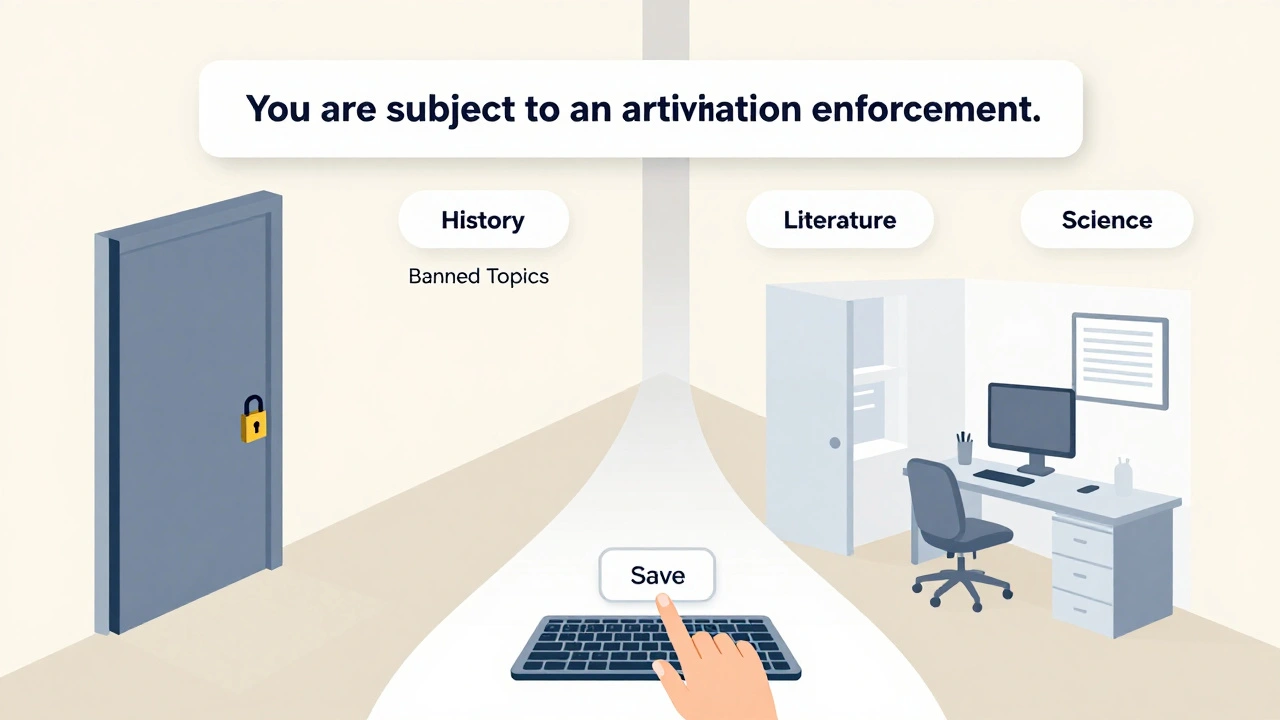
Yes. Go to your user contribution page and look for a banner at the top that says “You are subject to an arbitration enforcement.” You can also check the official Arbitration Enforcement page on Wikipedia, which lists all active sanctions. If you’re unsure, you can ask an administrator to verify your status.
What happens if you’re banned but you’re a trusted editor on other topics?
Arbitration bans are usually topic-specific. If you’re banned from editing articles on climate change but you’re active on history or literature topics, you can still contribute there. The goal is to stop the harmful behavior, not to silence your entire editing activity. Many users continue to make valuable contributions outside their banned areas.
Next Steps If You’re Facing Arbitration
If you’ve been named in an arbitration case, don’t panic. Don’t respond with anger. Don’t try to defend yourself on talk pages. Here’s what to do:
- Read the case page carefully. Understand exactly what you’re being accused of.
- Collect your own evidence. Gather your edit histories, talk page exchanges, and timestamps.
- Ask for help from a neutral editor. Someone who isn’t involved in the dispute can help you present your case clearly.
- Don’t edit during the case. Even if you think you’re right, editing now can be seen as interference.
- Wait for the decision. Then, if it’s unfavorable, wait six months before considering an appeal.
Wikipedia’s arbitration system isn’t perfect. But it’s the best tool the community has to protect itself from destructive behavior. The goal isn’t punishment-it’s preservation. For the project. For the editors. For the knowledge.