Every day, journalists reach for quick answers. When a fact is urgent and the clock is ticking, Wikipedia often feels like the easiest shortcut. But copying text from Wikipedia into a news article isn’t just a lazy habit-it’s a legal and ethical minefield. Many reporters don’t realize that what seems like harmless research can land their outlet in court, damage their credibility, or even violate copyright law.
Wikipedia Isn’t Public Domain
One of the biggest myths is that because Wikipedia is free to access, its content is free to use. That’s not true. Wikipedia articles are licensed under the Creative Commons Attribution-ShareAlike 3.0 license. That means you can copy the text-but only if you give proper credit and license your derivative work under the same terms. Most news organizations don’t do this. They copy, paste, and publish without attribution. That’s a violation.
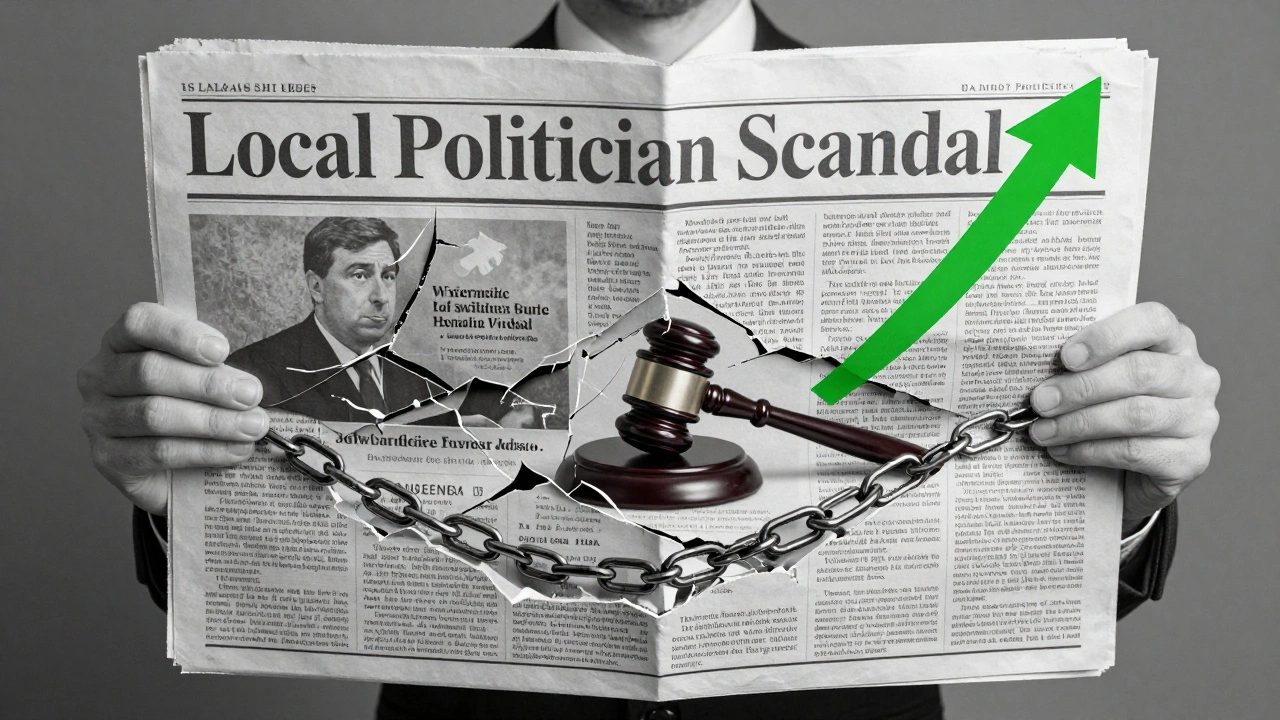
In 2023, the Associated Press sued a regional newspaper for lifting a Wikipedia entry about a local politician’s background and publishing it as original reporting. The court ruled the newspaper had failed to attribute the source and misrepresented the content as its own. The outlet paid $120,000 in damages and retracted the article. That case wasn’t an outlier. It was a warning.
Journalistic Integrity vs. Convenience
Journalism relies on trust. Readers expect reporting to come from original sources-not a crowd-sourced edit page. When a news article copies Wikipedia verbatim, it erodes that trust. Imagine this: a reader finds a factual error in a news story. They check Wikipedia. The error is there too. Now they wonder: did the journalist verify the information? Or did they just trust a stranger’s edit from 2018?
Wikipedia is a starting point, not a source. Its entries are written by volunteers, often without credentials. Anyone can edit them. A 2021 study by the University of Oxford found that 17% of Wikipedia articles on U.S. politicians contained at least one factual error that remained uncorrected for over six months. Those aren’t just typos-they’re misrepresentations of public figures. If a news outlet publishes those errors as truth, it becomes complicit in spreading misinformation.
Copyright Law Doesn’t Care About Intent
Copyright law protects the expression of ideas-not the ideas themselves. So if you copy the exact wording, structure, or phrasing from a Wikipedia article, you’re copying protected expression. Even if you change a few words, courts look at whether the "substantial similarity" remains. In 2022, a federal judge in California ruled that a news website had infringed copyright by rephrasing and republishing a 300-word Wikipedia entry about a tech startup’s founding. The site argued it was "fair use" because it was news reporting. The court disagreed. Fair use requires transformation, commentary, or criticism. Simply repackaging someone else’s writing doesn’t qualify.
And here’s the kicker: Wikipedia’s license doesn’t override copyright law. If a Wikipedia article includes content that was itself copied from a copyrighted book, academic paper, or news article, then that original copyright still applies. The journalist who copies Wikipedia may be infringing on a source they never even knew existed.
What Happens When You Get Caught?
Consequences vary. At the low end, you might get a cease-and-desist letter. At the high end, you could face lawsuits, fines, or professional sanctions. In 2024, the Society of Professional Journalists disciplined three reporters from mid-sized outlets for plagiarism traced back to Wikipedia. Their stories were pulled. Their bylines were removed. One journalist lost their job.
Even if you’re not sued, the reputational damage can be lasting. Readers notice when a news outlet gets caught copying. They start questioning everything else you publish. Trust is hard to earn and easy to lose.
How to Use Wikipedia the Right Way
You can still use Wikipedia-but not as your source. Use it as a map. Read the article. Note the references at the bottom. Track down the original books, studies, press releases, or interviews. Then cite those. That’s real journalism.
Here’s how:
- Use Wikipedia to identify key facts, names, dates, or events.
- Follow the citations to primary sources.
- Verify the information independently.
- If you must quote Wikipedia directly (rare), attribute it clearly: “According to the Wikipedia entry on X…”
- Never copy more than a sentence or two without rewriting and citing.
Some newsrooms have banned Wikipedia use entirely. Others require editors to sign off on every Wikipedia-sourced fact. That’s extreme-but not unreasonable.
Tools to Stay Safe
There are tools to help you avoid accidental plagiarism:
- Turnitin and Grammarly can detect text copied from online sources-including Wikipedia.
- Wikishare is a browser extension that shows the license and attribution requirements for any Wikipedia page.
- Use Google Scholar or LexisNexis to find authoritative sources instead of relying on crowd-sourced summaries.
These aren’t luxury tools. They’re essential for any reporter who values accuracy and legal safety.
The Bigger Picture: Why This Matters
This isn’t just about rules. It’s about the future of journalism. When news outlets cut corners, they reinforce a culture where speed beats accuracy, convenience beats verification, and shortcuts replace accountability. Readers are already skeptical. Don’t give them more reasons to doubt you.
Wikipedia is a useful tool. But it’s not journalism. Journalism requires digging, verifying, and owning your sources. If you can’t do that, you shouldn’t be publishing.
Can I use Wikipedia text in news articles if I cite it?
Citing Wikipedia isn’t enough. The Creative Commons license requires you to license your derivative work under the same terms, which most news outlets don’t do. Even if you credit Wikipedia, you’re still violating its license unless you allow others to reuse your article under the same rules. Most publishers won’t agree to that. The safest path is to use Wikipedia to find original sources, then cite those instead.
Is copying Wikipedia considered plagiarism?
Yes-if you present it as your own reporting. Plagiarism isn’t just about copyright. It’s about misrepresenting someone else’s work as yours. Even if you change a few words, copying the structure, phrasing, or logic of a Wikipedia entry without attribution is plagiarism. Newsrooms treat it as seriously as copying a peer-reviewed study.
What if I only copy one sentence from Wikipedia?
Even a single sentence can be problematic if it’s distinctive enough to be protected. Courts have ruled that short, unique phrasings can still be copyrighted. If the sentence is common knowledge-like "George Washington was the first U.S. president"-you’re fine. But if it’s a nuanced interpretation, analysis, or phrasing unique to the Wikipedia entry, it’s still protected. When in doubt, rewrite it in your own words and cite the original source.
Do major news outlets use Wikipedia?
Reputable outlets like The New York Times, BBC, and Reuters do not use Wikipedia as a source in published articles. They use it for background research only. The Washington Post’s ethics guide explicitly warns reporters against quoting Wikipedia directly. The AP Stylebook doesn’t list Wikipedia as a valid source. If top newsrooms avoid it, there’s a reason.
Can I get sued for copying Wikipedia even if I didn’t know it was copyrighted?
Yes. Ignorance of the law isn’t a legal defense. Copyright infringement is strict liability-you can be held responsible even if you didn’t mean to break the rules. Courts don’t consider intent. If you copied protected text, you’re liable. That’s why newsrooms train staff on source ethics: to prevent accidents before they become lawsuits.