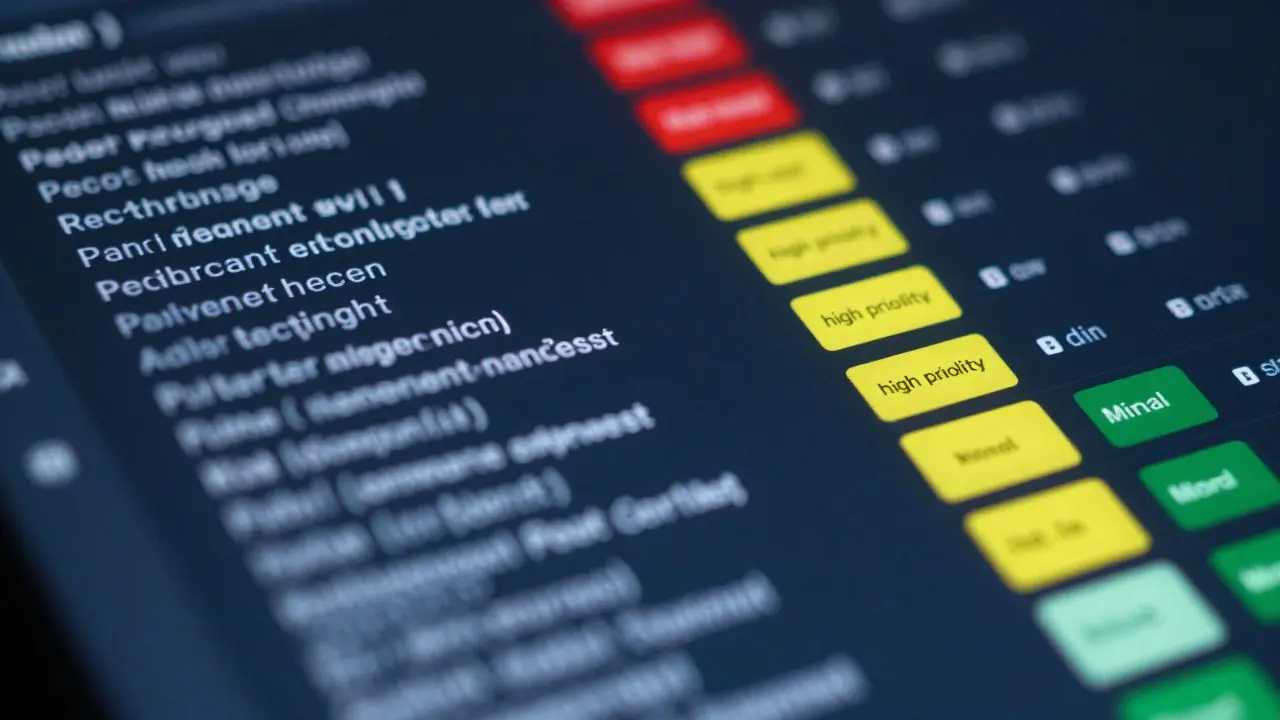
Imagine opening a blank page and seeing it filled with nonsense text five seconds later. That is the reality for Wikipedia editors who rely on PageTriage to keep the encyclopedia clean. This tool is not just a list; it is the primary defense mechanism against vandalism in its earliest stages. If you are a new editor or a seasoned patroller, understanding how this system works can save you hours of wasted effort. It helps you find the most urgent pages before they become permanent eyesores.
What Exactly Is PageTriage?
PageTriage is a MediaWiki extension designed to help editors monitor recent changes efficiently. Unlike the standard "Recent Changes" feed, which lists every edit chronologically, PageTriage filters these edits based on risk and type. It groups changes into categories like "New Pages," "Unpatrolled Edits," and "Vandalism Suspects." This grouping allows you to prioritize work. For example, a new article created by an anonymous IP address gets flagged differently than a minor typo fix by a registered user. The tool uses heuristics to assign a priority score, ensuring that high-risk edits appear at the top of your queue.
Key Features Every Patroller Should Know
The interface might look simple, but there are several hidden gems that make the workflow faster. Here are the features that matter most:
- Filtering by User Type: You can instantly hide edits from trusted users (like auto-patrollers) to focus only on those needing human eyes.
- Vandalism Indicators: The tool highlights common signs of bad faith editing, such as broken links, image spam, or nonsensical text patterns.
- Batch Processing: Instead of checking one page at a time, you can mark multiple edits as reviewed simultaneously if they follow a predictable pattern.
- Custom Views: Save your preferred filters so you don't have to reconfigure them every session. A "High Priority" view might show only new pages older than 10 minutes.
These features transform a chaotic stream of data into a manageable task list. You stop guessing what needs attention and start acting on clear signals.
How the Priority System Works
Understanding the logic behind the sorting helps you trust the tool more. PageTriage assigns weights to different attributes. New pages get higher weight because they lack history. Anonymous edits get higher weight because they lack accountability. Large deletions get higher weight because they risk losing content. However, the system also considers context. An edit to a highly protected article carries more risk than an edit to a draft. By recognizing these weighted factors, you can quickly assess whether an edit is likely benign or problematic without deep analysis. This reduces cognitive load and speeds up decision-making.

Practical Tips for Efficient Patrols
Even with a good tool, technique matters. Here are actionable strategies to improve your efficiency:
- Start with New Pages: These are the most vulnerable. Check them first when you log in.
- Use Keyboard Shortcuts: Learn the shortcuts for marking edits as reviewed or reverting. This saves clicks and keeps your flow uninterrupted.
- Ignore Minor Typos: Not every error needs immediate correction. Focus on structural issues and vandalism first.
- Collaborate via Talk Pages: If you are unsure about an edit, leave a polite note rather than reverting immediately. This builds community trust.
- Review Your Queue Regularly: Set a timer to check PageTriage every 30 minutes during active editing sessions.
Consistency is key. A few focused minutes each day prevents backlogs from forming. Backlogs lead to missed vandalism and increased frustration for other editors.
Common Pitfalls to Avoid
New patrollers often fall into traps that reduce their effectiveness. One common mistake is over-reverting. If you revert too aggressively, you might annoy good-faith editors who made honest mistakes. Another pitfall is ignoring the "why" behind an edit. Sometimes, a strange edit is due to a technical glitch or a misunderstanding of formatting rules. Before taking action, take a second to consider the intent. Also, avoid letting your queue grow beyond 50 items. Once it hits that number, the sense of urgency fades, and quality control drops. Keep your workload manageable to maintain high accuracy.
Comparison: PageTriage vs. Recent Changes
Many editors still use the traditional Recent Changes feed. While useful for broad monitoring, it lacks the precision of PageTriage. The table below highlights the key differences:
| Feature | PageTriage | Recent Changes |
|---|---|---|
| Prioritization | Based on risk and type | Chronological order |
| Filtering Options | Advanced (user type, size, etc.) | Basic (namespace, tag) |
| Best For | Targeted vandalism prevention | General awareness of activity |
| Learning Curve | Moderate | Low |
| Efficiency for Patrols | High | Moderate |
If your goal is to protect content quality, PageTriage is the superior choice. Use Recent Changes only for casual browsing or to catch trends in specific namespaces.
Integrating PageTriage into Your Workflow
To get the most out of this tool, integrate it into your daily routine. Pair it with other editing tools like VisualEditor or Source Editor. When you spot a potential issue in PageTriage, click through to the full edit view. Assess the change, decide on an action, and then return to the queue. Keeping this loop tight ensures you stay productive. Additionally, communicate with other patrollers. Share tips on which filters work best for current types of vandalism. The Wikipedia community evolves, and so do the tactics used by vandals. Staying informed keeps your patrols effective.
Is PageTriage available on all language versions of Wikipedia?
Yes, PageTriage is enabled on most major language editions of Wikipedia, including English, German, and French. Availability may vary slightly depending on local administrative decisions, but it is widely supported across the project.
Do I need special permissions to use PageTriage?
No, any registered user can access PageTriage. However, certain actions like reverting edits require standard editing rights. Auto-patrolling status is separate and does not affect your ability to view the triage queue.
How accurate is the vandalism detection in PageTriage?
The detection is heuristic-based, meaning it relies on patterns rather than absolute certainty. It catches obvious vandalism well but may miss subtle errors or flag good-faith edits incorrectly. Always verify before taking drastic action.
Can I customize the sort order in PageTriage?
You can apply filters that effectively change the sort order by hiding certain types of edits. For example, filtering out small edits will surface larger changes first. Full custom sorting algorithms are not currently exposed to users, but filters provide significant control.
What should I do if PageTriage seems slow?
Slowness can occur during peak traffic times or if you have many browser tabs open. Try refreshing the page, clearing your cache, or using a lighter browser profile. If the issue persists, it may be a server-side delay, which usually resolves within minutes.