Wikipedia isn't just a website; it's the backbone of how billions of people access information. But behind the scenes, the Wikimedia Foundation is constantly adjusting its course based on hard data. Recent foundation research highlights are shifting the focus from simply adding more articles to ensuring that the content we have is fair, accessible, and truly representative of the world.
If you've ever noticed that Wikipedia seems to know everything about pop culture but struggles with details about local history in rural areas, you're seeing the results of these strategic shifts. The goal now is to fix the gaps, not just fill them.
The Push for Knowledge Equity
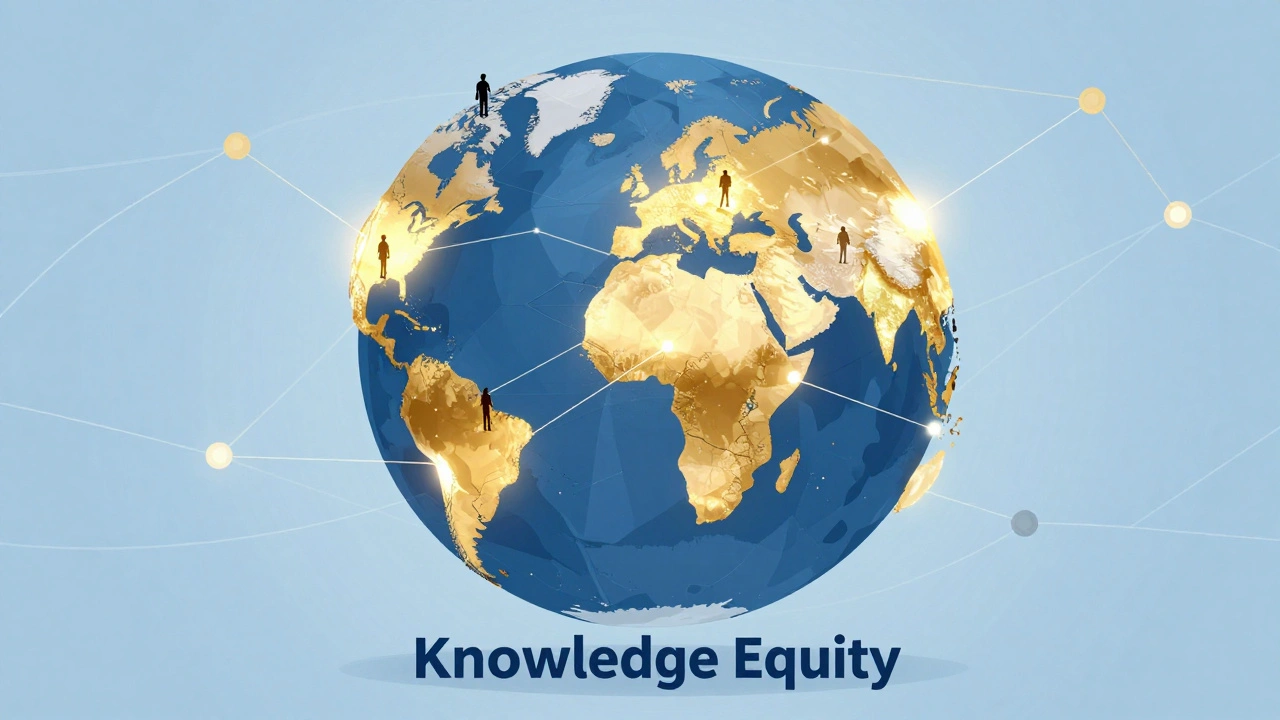
The biggest shift in recent strategy revolves around a concept called Knowledge Equity. This isn't just a buzzword; it's a direct response to data showing that Wikipedia suffers from significant coverage gaps. For years, the encyclopedia has been criticized for having too much content about Western cultures, men, and urban centers, while underrepresenting women, Global South communities, and indigenous knowledge systems.
Research conducted by the Foundation has quantified this imbalance. They found that only a small percentage of biographical articles cover women, and even fewer cover non-Western figures. This data drove the creation of specific initiatives aimed at correcting these biases. It’s not enough to say "everyone should edit." The strategy now involves targeted outreach to underrepresented communities to help them contribute their own stories.
- Biographical Gaps: Initiatives like Wiki Loves Women aim to increase the number of articles about female figures in science, politics, and arts.
- Linguistic Diversity: Supporting smaller language editions so that knowledge isn't locked behind English or major European languages.
- Local Knowledge: Partnering with libraries and museums in developing regions to digitize and upload local historical records.
This approach changes the metric of success. It’s no longer just about the total number of edits per day. It’s about the diversity of voices behind those edits.
Combating Misinformation and Bad Faith Editing
As Wikipedia grows, so does the sophistication of attacks against it. One of the most critical areas of recent research focuses on Bad Faith Editing. This includes coordinated campaigns by political groups, corporations, or individuals trying to manipulate articles for propaganda or reputational damage.
The Foundation has invested heavily in tools designed to detect these patterns automatically. Instead of relying solely on volunteer editors to catch every lie, new software analyzes editing behavior. If an account suddenly creates dozens of accounts from different IP addresses to push a specific narrative, the system flags it immediately.
This research has led to stricter verification processes for sensitive topics, such as living persons and controversial political events. You might notice that some pages now require higher levels of editor status to make changes. This isn't bureaucracy; it's a safety measure derived from data showing that open editing on high-traffic controversial pages often leads to vandalism.

The Role of Artificial Intelligence
You can't talk about modern Wikipedia strategy without mentioning Artificial Intelligence. The Foundation is cautious but increasingly integrating AI into its workflow. The key question researchers are asking is: Can AI help maintain quality without compromising neutrality?
Current applications include using machine learning to summarize talk page discussions. Editors spend hours debating changes; AI tools can now highlight the main points of contention, making consensus-building faster. There's also research into using AI to suggest citations for unsourced claims, helping editors find reliable sources more quickly.
However, the strategy explicitly avoids using AI to generate article content directly. The risk of hallucination-where AI makes up facts-is too high for an encyclopedia. Instead, AI serves as a helper for human editors, handling the tedious tasks of sorting through noise and identifying potential issues.
Sustainability and Funding Models
Wikipedia runs on donations, but the cost of running servers and hiring staff continues to rise. Recent studies have looked at Donor Retention and how to make the funding model more resilient. The data shows that while annual giving campaigns are successful, there's a growing need for diverse revenue streams.
The Foundation is exploring partnerships with educational institutions and governments to secure grants for specific projects, such as digitizing public domain archives. This reduces reliance on individual small-dollar donations for large-scale infrastructure costs. It also helps align Wikipedia with public interest goals, reinforcing its status as a public good rather than a commercial product.

Accessibility and User Experience
A huge part of the current strategy is making Wikipedia usable for everyone, regardless of their device or ability. Research into Mobile Usage revealed that over half of all Wikipedia traffic comes from smartphones. This forced a complete redesign of the mobile experience, prioritizing speed and readability on small screens.
There's also a strong focus on accessibility features for users with disabilities. This includes better screen reader compatibility, high-contrast modes, and simplified navigation options. The goal is to ensure that the free sum of all human knowledge is actually accessible to humans, not just those with fast internet and perfect vision.
| Area of Focus | Previous Approach | New Data-Driven Strategy |
|---|---|---|
| Coverage | Maximize total article count | Prioritize filling gaps in underrepresented topics (Knowledge Equity) |
| Security | Reliance on volunteer moderation | Automated detection of bad faith editing and coordinated manipulation |
| Technology | Manual editing tools | AI-assisted summarization and citation finding |
| Funding | Annual donation drives | Diversified revenue including institutional grants and partnerships |
What This Means for You
Whether you're a casual reader or an active editor, these changes affect your experience. As a reader, you'll likely see more balanced articles on global topics and fewer instances of blatant misinformation. The site will feel faster and easier to use on your phone. As an editor, you might find new tools helping you manage disputes or find sources, but you may also encounter stricter guidelines on sensitive pages.
The underlying message from the Foundation's research is clear: Wikipedia is maturing. It's moving from a wild west of open editing to a more structured, equitable, and secure platform. The goal isn't to close off the encyclopedia, but to ensure that it remains a reliable source of truth for the next generation.
Why is Wikipedia focusing on Knowledge Equity?
Research showed that Wikipedia had significant gaps in coverage regarding women, people from the Global South, and indigenous cultures. Knowledge Equity aims to correct these biases by actively encouraging contributions from underrepresented groups, ensuring the encyclopedia reflects the full diversity of human knowledge.
How does Wikipedia fight bad faith editing?
The Foundation uses advanced algorithms to detect coordinated campaigns and suspicious editing patterns. These tools flag accounts that attempt to manipulate articles for propaganda or personal gain, allowing moderators to intervene quickly before misinformation spreads.
Will AI write Wikipedia articles soon?
No. The current strategy explicitly avoids using AI to generate article content due to the risk of factual errors. Instead, AI is used to assist human editors by summarizing discussions, suggesting citations, and detecting vandalism.
Is Wikipedia still free to use?
Yes. Wikipedia remains free to read and edit. While the Foundation is exploring diverse funding models like grants, it does not rely on advertising or subscription fees, ensuring the content remains unbiased and accessible to everyone.
How can I help improve Wikipedia's coverage gaps?
You can participate in specific editing drives focused on underrepresented topics, such as Wiki Loves Women or local history projects. The Foundation provides guides and support for new editors who want to contribute to these priority areas.