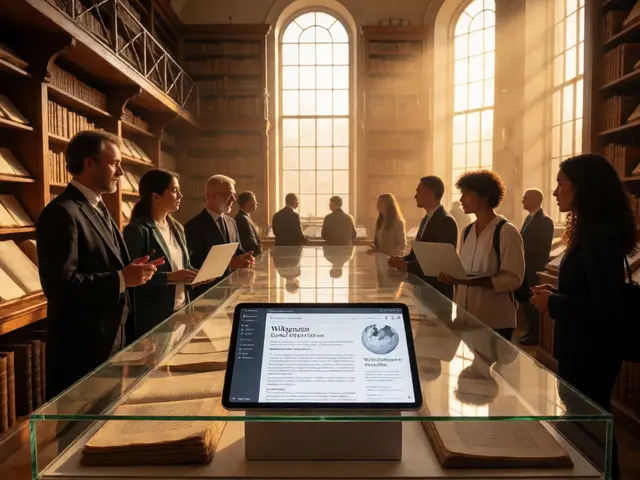
Imagine reading a Wikipedia article about a current election and finding that the tone shifts dramatically depending on which candidate you support. One side gets described as "visionary," while the other is labeled "controversial" without clear evidence. This isn't just a glitch; it's a symptom of political bias in one of the world's most trusted information sources. While Wikipedia is a free, web-based collaborative project intended to provide a free online encyclopedia to the whole world in their own language, its reliance on volunteer editors means that personal views can sometimes slip into the text.
The core issue isn't always blatant propaganda. Often, it's subtler. It shows up in word choice, the selection of sources, or the structure of an argument. Understanding how this happens helps you read more critically and even contribute to fixing these issues if you have the time.
What Is Political Bias in an Encyclopedia Context?
Neutrality in this context refers to the fair, balanced, and broadly representative treatment of all points of view, in proportion to their prevalence among reliable sources. When we talk about political bias on Wikipedia, we are usually referring to deviations from this standard known as Neutral Point of View (NPOV). NPOV is not about being apolitical; it's about representing the consensus of reliable sources accurately.
Bias can manifest in several ways:
- Word Choice: Using emotionally charged adjectives like "radical" for one group and "progressive" for another with similar policy goals.
- Source Selection: Citing only newspapers or think tanks that align with a specific ideology while ignoring mainstream outlets from the other side.
- Structure: Giving more space to one perspective because it has more detailed sources, rather than balancing the narrative.
- Omission: Leaving out significant counter-arguments or historical context that complicates a simple narrative.
It is crucial to distinguish between bias and error. An editor might make a factual mistake due to lack of knowledge, which is different from intentionally skewing the narrative. However, both result in an inaccurate picture of reality.
Why Do Controversial Articles Suffer More?
Not all Wikipedia pages face the same scrutiny. Articles about stable topics, like the history of the Roman Empire or the life cycle of a butterfly, rarely spark intense debate. But articles involving Current Events, Elections, or Human Rights debates often become battlegrounds.
This happens for three main reasons:
- High Emotional Investment: Readers care deeply about these topics. When they see a slight tilt, they feel compelled to fix it, sometimes aggressively.
- Rapidly Changing Information: In breaking news, facts change quickly. Editors may rush to update text before consensus forms, leading to temporary imbalances.
- Demographic Skew: Historically, Wikipedia's editor base has skewed toward certain demographics (e.g., male, Western, English-speaking). This can lead to blind spots in how global political issues are framed.
For example, during a major election cycle, the article on the incumbent president might be edited dozens of times a day. Each edit adds a new claim or removes a criticism. The result can be a churning mess where the final version reflects the last person who saved the page, rather than a balanced summary.
How to Detect Bias: A Practical Guide
You don't need to be a professional fact-checker to spot bias. You just need to know what to look for. Here is a simple checklist you can use when reading controversial articles:
- Check the Lead Section: The first paragraph should summarize the topic neutrally. If it uses strong adjectives or presents one opinion as fact, be skeptical.
- Examine the Citations: Click on the footnotes. Are the sources diverse? If every source for a critical claim is from a left-leaning outlet, and every positive claim comes from a right-leaning outlet, that's a red flag. Look for peer-reviewed journals, major international news agencies, or official government documents.
- Look for "Weasel Words": Phrases like "some critics argue" or "it has been suggested" can hide weak sourcing. Strong claims need strong evidence.
- Compare with Other Sources: Cross-reference the article with at least two independent, high-quality news sources. Does the narrative hold up?
- Review the Talk Page: Every Wikipedia article has a "Talk" page where editors discuss changes. If the talk page is full of heated arguments about wording, the article itself is likely unstable and potentially biased.
The Role of Reliable Sources
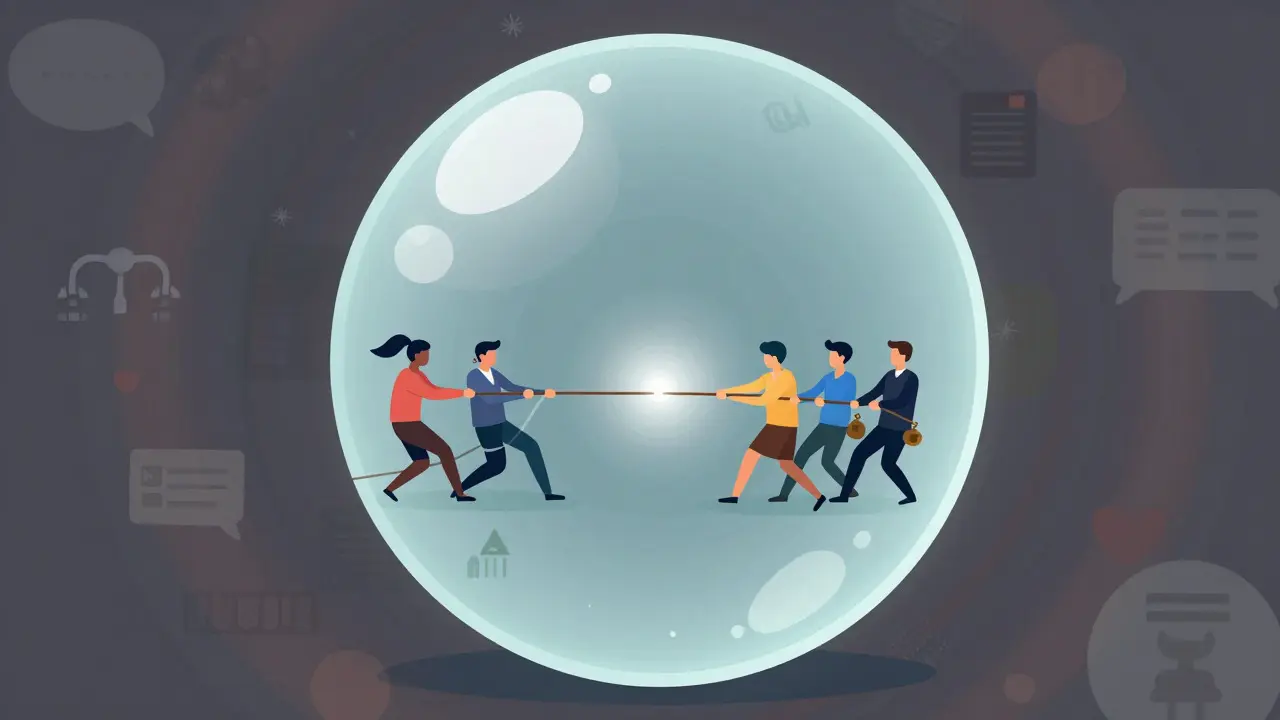
The backbone of any neutral article is the concept of a Reliable Source. On Wikipedia, this term has a specific definition: a source that is widely recognized as authoritative in its field and publishes material after rigorous editorial review.
However, "reliable" doesn't mean "neutral." A highly respected medical journal might publish studies that support a particular drug, but if they ignore contradictory studies, that's a bias in the source itself. Wikipedia editors must balance multiple reliable sources to create a neutral synthesis.
| Issue Type | Biased Example | Neutral Approach |
|---|---|---|
| Adjective Use | "The radical leader proposed..." | "The leader proposed..." |
| Source Balance | Citing only local blogs for a national event | Citing national news agencies and academic papers |
| Narrative Structure | Focusing 80% on scandals, 20% on achievements | Proportional coverage based on media attention and significance |
| Terminology | Using "terrorist" for one group and "freedom fighter" for another in similar contexts | Using consistent terms or quoting specific labels used by those groups |
How Wikipedia Tries to Fix These Problems
Wikipedia isn't static. It has mechanisms designed to curb bias, though they aren't perfect. The most important tool is the Talk Page, where editors negotiate wording. If two editors disagree, they are encouraged to reach a consensus rather than engaging in "edit wars."
There are also specialized projects like WikiProject Politics, which brings together volunteers dedicated to improving political articles. These projects set guidelines for tone, sourcing, and structure. They also monitor articles for signs of vandalism or persistent bias.
Another key feature is the Revision History. Every change is recorded. If someone introduces a biased edit, other users can revert it. This transparency acts as a deterrent against extreme manipulation, although subtle bias is harder to catch.

Best Practices for Readers and Contributors
If you are just a reader, treat Wikipedia as a starting point, not the final word. Use it to get a general overview, then dive deeper into primary sources or specialized journalism for nuanced understanding.
If you want to contribute, follow these tips:
- Be Patient: Don't assume bad faith. Most edits are made by well-meaning people who just missed a nuance.
- Cite Everything: Never add a claim without a reliable source. This is the single best way to ensure neutrality.
- Discuss Before Editing: If you think an article is biased, go to the Talk page first. Explain your concern and propose a solution. This builds community trust.
- Focus on Facts, Not Opinions: Avoid inserting your own interpretation. Let the sources speak for themselves.
Remember, perfection is impossible. Wikipedia is a work in progress. But by staying informed and engaged, you help keep it accurate and fair.
Frequently Asked Questions
Is Wikipedia really neutral on political topics?
Mostly, yes, but not perfectly. The vast majority of articles aim for neutrality, but controversial topics often contain subtle biases in word choice or source selection. Checking the talk page and citations can reveal these issues.
How can I tell if a Wikipedia source is reliable?
Look for established news organizations, academic journals, or official government publications. Be wary of blogs, press releases, or sources that are clearly advocacy groups unless they are cited as representatives of a specific viewpoint.
What should I do if I find a biased edit?
First, check if the bias is obvious or subjective. If it's obvious, you can revert it. If it's subjective, discuss it on the Talk page. Avoid editing back and forth without communication, as this leads to edit wars.
Does Wikipedia have a central team that checks for bias?
No, there is no central editorial board. Wikipedia relies on community consensus and volunteer moderation. Specialized WikiProjects help maintain quality in specific areas, but ultimate control lies with the active editors of each article.
Are newer articles more biased than older ones?
Often, yes. Newer articles, especially those on current events, haven't had time to settle into a consensus. Older articles have gone through years of scrutiny and refinement, making them generally more stable and neutral.