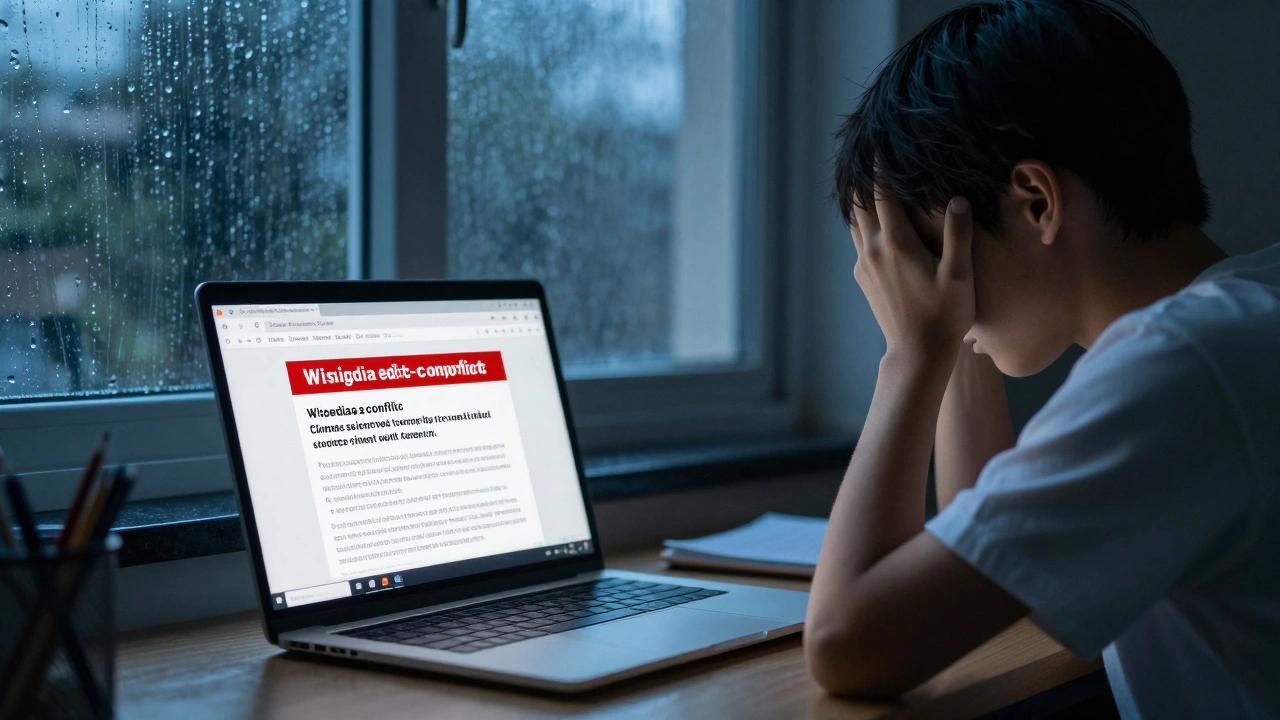
Every year, thousands of students start editing Wikipedia as part of class assignments. They’re told to cite sources, write neutrally, and follow the rules. But few prepare them for what happens when someone replies to their first edit with a harsh comment, a revert without explanation, or a warning template that feels like a public scolding. For many, this isn’t just a learning curve-it’s a safety issue.
Why Student Editors Get Targeted
Wikipedia’s volunteer community thrives on high standards. That’s good. But it also means new editors-especially students-are often seen as low-quality contributors. A 2023 study from the University of California found that edits made by students under 21 were reverted at nearly twice the rate of edits from users over 30. Why? Not because they’re worse, but because they’re easier to dismiss.
Students often use school email addresses, which automatically trigger suspicion. Their edits tend to be longer, more academic, and less polished. They cite textbooks instead of peer-reviewed journals. They write in passive voice. These aren’t flaws-they’re signs of inexperience. But to some veteran editors, they look like spam, plagiarism, or vandalism.
The Hidden Risks
Most student editors don’t realize how public their interactions are. A single edit can trigger:
- A revert with no explanation
- A warning template on their user page
- A talk page debate where strangers argue about their grammar
- A block for "vandalism" after a well-intentioned correction
One high school student in Ohio, editing a page on climate science, was accused of "promoting activism" after adding a statistic from the IPCC. Her user page was flooded with messages questioning her motives. She stopped editing for six months. She wasn’t banned-she was scared.
These aren’t rare cases. A 2024 survey of 1,200 student editors showed that 41% had experienced harassment, 32% felt personally attacked, and 19% considered quitting Wikipedia entirely after one bad interaction.
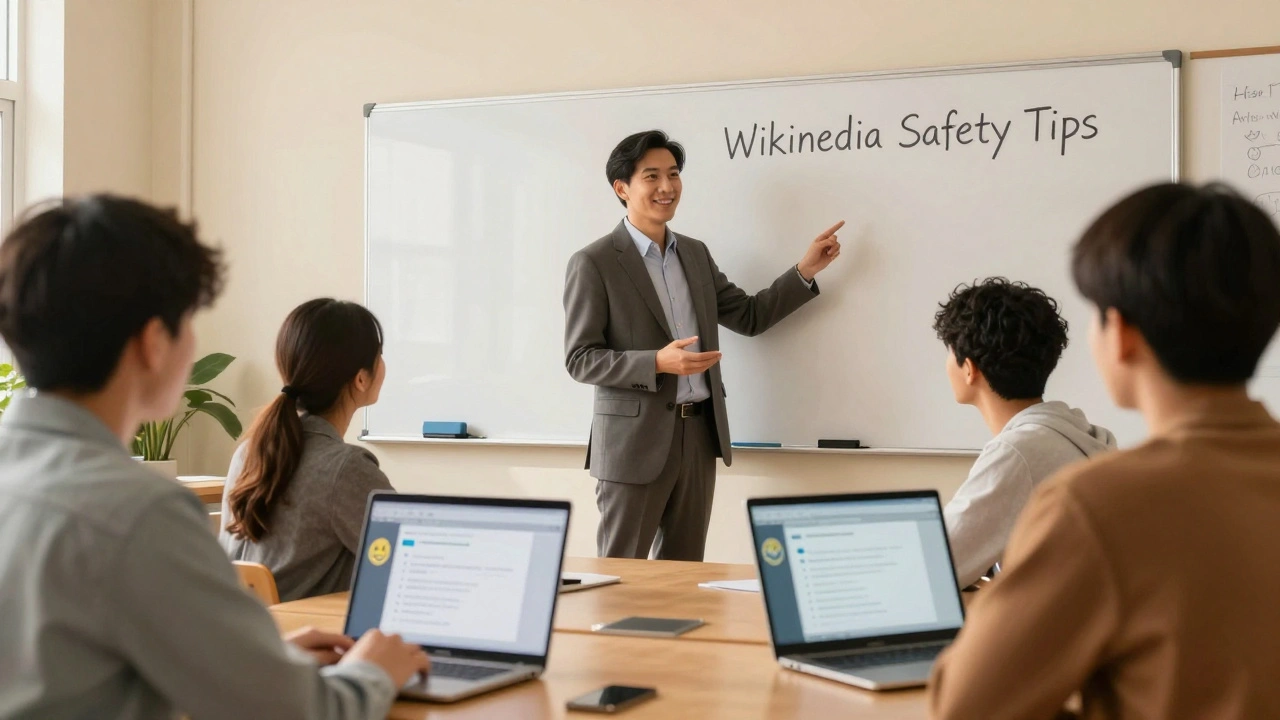
What Safe On-Wiki Interactions Look Like
Not all feedback is hostile. The best editors know how to teach without shaming. Here’s what works:
- Starting with: "Thanks for your edit! Here’s how we can improve it."
- Linking to help pages instead of just reverting
- Using the "Draft" space to collaborate before publishing
- Asking questions: "Where did you find this source?"
- Signing comments with their username so the student knows who they’re talking to
Wikipedia’s Assume Good Faith policy exists for a reason. But it only works if people actually follow it. When a student edits a page on the Civil War and adds a date that’s off by two years, the right response isn’t "This is wrong." It’s: "That date doesn’t match the primary sources we cite here. Would you like help finding the right one?"
How Schools Can Prepare Students
Professors who assign Wikipedia editing often focus on research skills. But they rarely teach digital safety. Here’s what they should include:
- Teach students how to read talk pages-how to tell the difference between constructive criticism and personal attacks.
- Role-play common scenarios: What do you do if someone calls your edit "nonsense"?
- Explain the difference between a revert and a block. One fixes content. The other locks your account.
- Encourage students to use their school’s Wikipedia Ambassador Program if one exists. These trained volunteers can review edits before submission.
- Remind students: You don’t owe anyone an apology for trying. Your voice matters.
At the University of Wisconsin-Madison, a writing course now requires students to complete a 30-minute training module on Wikipedia etiquette before editing. The result? A 67% drop in student complaints about hostile interactions.
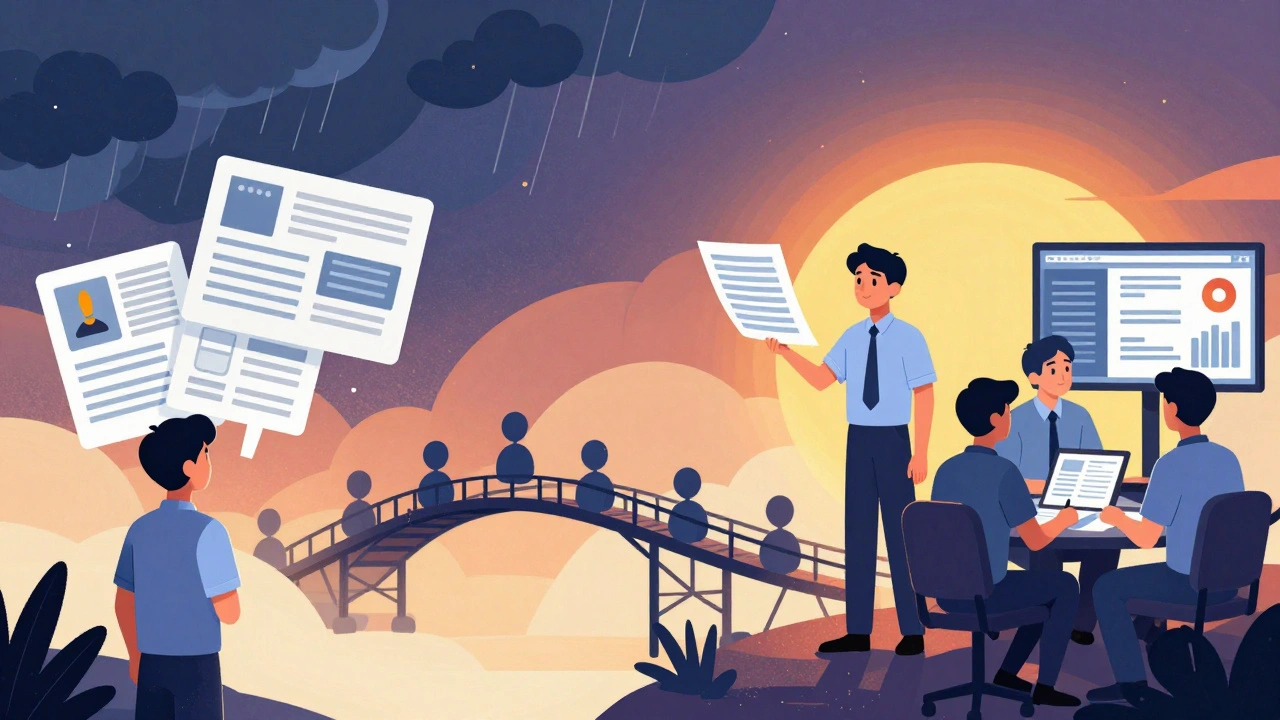
What Students Can Do Right Now
If you’re editing Wikipedia and things get rough:
- Don’t respond immediately. Wait 24 hours. Emotions fade. Clarity returns.
- Use the "Help Desk" page. Type "I’m a student editor and need guidance"-volunteers there are trained to assist.
- Don’t delete your edits just because someone disagrees. Save them in your user sandbox.
- Report abuse. Use the Administrator Intervention Against Vandalism page if you’re being targeted.
- Find your tribe. Join Wikipedia Education on Discord. There are hundreds of student editors there who’ve been where you are.
One student from Texas, after being scolded for adding a photo of a local landmark, reached out to the local history group on Wikipedia. They invited her to a virtual meetup. Within a month, she was co-editing a page with three experienced editors. She didn’t fix one article. She found a community.
Wikipedia’s Responsibility
The Wikimedia Foundation doesn’t police every edit. But it can-and should-make safety part of the platform’s design.
Right now, new editors see:
- Over 200 warning templates
- Complex rules buried in 10,000-word policy pages
- No clear path to ask for help
Imagine if every student edit came with a pop-up: "You’re new here. Here’s how to get support." Or if the system flagged edits from student accounts and routed them to trained mentors instead of random volunteers.
Some pilot programs are testing this. In 2025, a test in Canada and Germany paired student editors with trained peer mentors. The success rate of their edits increased by 58%. The number of hostile responses dropped by 72%.
Wikipedia isn’t broken. It just needs to grow up. It’s not a free-for-all. It’s a learning space-and students belong in it.
Can I get banned for making mistakes as a student editor?
No, you can’t be banned just for making mistakes. Wikipedia blocks users for vandalism, harassment, or repeated policy violations-not for being new or inexperienced. If you’re unsure about an edit, use the Draft space or ask for help on a talk page. Most editors will guide you instead of punishing you.
Why do some editors respond so harshly to student edits?
Many veteran editors are overwhelmed and have little time. They use templates and quick reverts to manage volume. But this isn’t personal. It’s systemic. The problem isn’t the editors-it’s the lack of support systems for new contributors. When mentors aren’t available, the system defaults to silence or speed, not kindness.
Is it okay to use textbooks as sources on Wikipedia?
Sometimes. Wikipedia prefers peer-reviewed journals and published books from reputable presses. But textbooks from major publishers (like Oxford University Press or Pearson) are acceptable for general knowledge topics. Avoid self-published textbooks or those without ISBNs. Always check the source’s credibility before adding it.
How do I report harassment on Wikipedia?
Go to the Administrator Intervention Against Vandalism page and explain what happened. Include links to the edits and messages. You can also use the Dispute Resolution Noticeboard if you’re being targeted in a talk page debate. Don’t respond to the harassment-document it and ask for help.
What’s the difference between a talk page and a user page?
Your user page is your personal space-like a profile. The talk page is where others leave messages about your edits. If someone leaves a comment on your user page about your editing, it’s usually a personal note. If they leave it on a talk page, it’s about content. Always respond on the same page where the comment was made.