Think about the last time you looked something up online. Chances are, you didn’t search in just one language. Maybe you needed a recipe in Spanish, a medical term in Mandarin, or a local history fact in Swahili. That’s where Wikipedia steps in-not as a single website, but as a network of over 340 separate language editions, each built by real people in their own communities.
How Wikipedia Became a Global Library
Wikipedia launched in 2001 as an English-only project. Within two years, volunteers started building editions in other languages. By 2004, there were 10. By 2010, it was 100. Today, it’s over 340. That’s more than the number of countries in the United Nations. And it’s not just about volume-it’s about depth. The English edition has over 6.7 million articles. But the Cebuano edition? It has over 5.7 million. Why? Because thousands of contributors in the Philippines built it, one article at a time, often on topics that mattered locally: farming techniques, regional folklore, school names, even local bus routes.
Each language version is its own universe. The German Wikipedia has strict citation rules. The Japanese version leans heavily on community consensus. The Arabic edition has its own style guide for handling right-to-left text and regional dialects. None of these are controlled from a central office. They’re all run by volunteers who speak the language, live in the culture, and care about preserving knowledge in their own words.
What Holds These 340+ Editions Together?
You might think each language edition is isolated. But they’re deeply connected. The same person might edit the English Wikipedia and the Bengali Wikipedia. A fact verified in French might be translated into Swahili. A photo uploaded to Wikimedia Commons-Wikipedia’s free media library-can appear in editions from Icelandic to Zulu.
The backbone? A shared technical platform. All editions use the same MediaWiki software. The same editing tools. The same policies on neutrality and verifiability. But how they’re applied? That’s local. The English Wikipedia bans original research. The Yoruba edition doesn’t have a rule against it-because oral traditions are part of how knowledge is passed down there. So they adapted. They don’t ban original research. They require clear sourcing from elders, community records, or recorded interviews.
That’s the real innovation: Wikipedia doesn’t force one model on everyone. It gives each language community the freedom to shape how knowledge works for them. A small edition like Toki Pona (with only 300 articles) isn’t seen as a failure. It’s a quiet act of cultural preservation.
Who Builds These Editions?
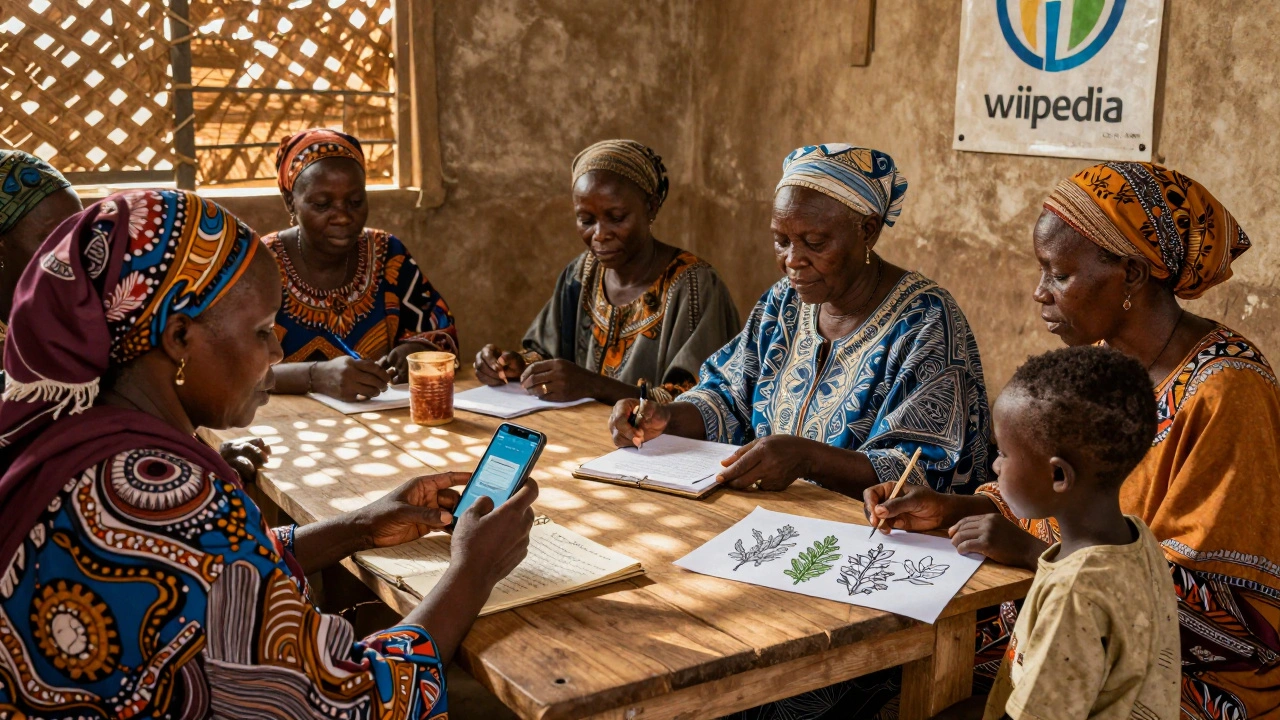
Most people assume Wikipedia editors are Western, tech-savvy students. That’s not true. In the Tamil edition, the majority of active editors are women over 40. In the Hausa edition, contributors are mostly from rural northern Nigeria. In the Quechua edition, elders are teaching teenagers how to edit so their language doesn’t disappear from the internet.
There’s no pay. No corporate backing. Just passion. A teacher in Guatemala edits the Guatemalan Spanish edition to correct colonial-era myths in history articles. A retired librarian in Mongolia adds articles about nomadic herbal medicine. A teenager in Bangladesh writes about monsoon patterns because school textbooks ignore local climate data.
And it’s not just about writing. It’s about translation. A single article about the history of the Suez Canal might start in English, get translated into Arabic, then into Urdu, then into Bengali. Each version adds local context. The Urdu version mentions its impact on South Asian labor migration. The Bengali version links it to flood patterns in the Ganges Delta. The knowledge doesn’t just move-it grows.
Why Some Languages Thrive and Others Struggle
Not all language editions are equal. The top 10-English, Cebuano, German, French, Dutch, Russian, Japanese, Italian, Spanish, Polish-have millions of articles. But 120 editions have fewer than 1,000 articles. Some have under 100.
Why? It’s not about how many people speak the language. It’s about access. If a language has no digital keyboard support, no font compatibility, or no internet access in rural areas, it struggles. The Kinyarwanda edition, for example, has over 200,000 articles-because Rwanda invested in digital literacy programs and built mobile editing tools for feature phones. The Tuvan edition? Only 3,000 articles. Tuvan is spoken by 200,000 people in Siberia. But most of them don’t have smartphones. And there’s no local tech community pushing for it.
Wikipedia doesn’t fund these efforts. But it does provide tools. The Content Translation tool lets editors paste an article in one language and translate it into another, with AI suggestions. The Wiki Education Foundation partners with universities to train students to edit in their native languages. And volunteers from larger editions often mentor smaller ones-helping them set up templates, train new editors, or fix broken links.
The Hidden Cost: Knowledge Gaps
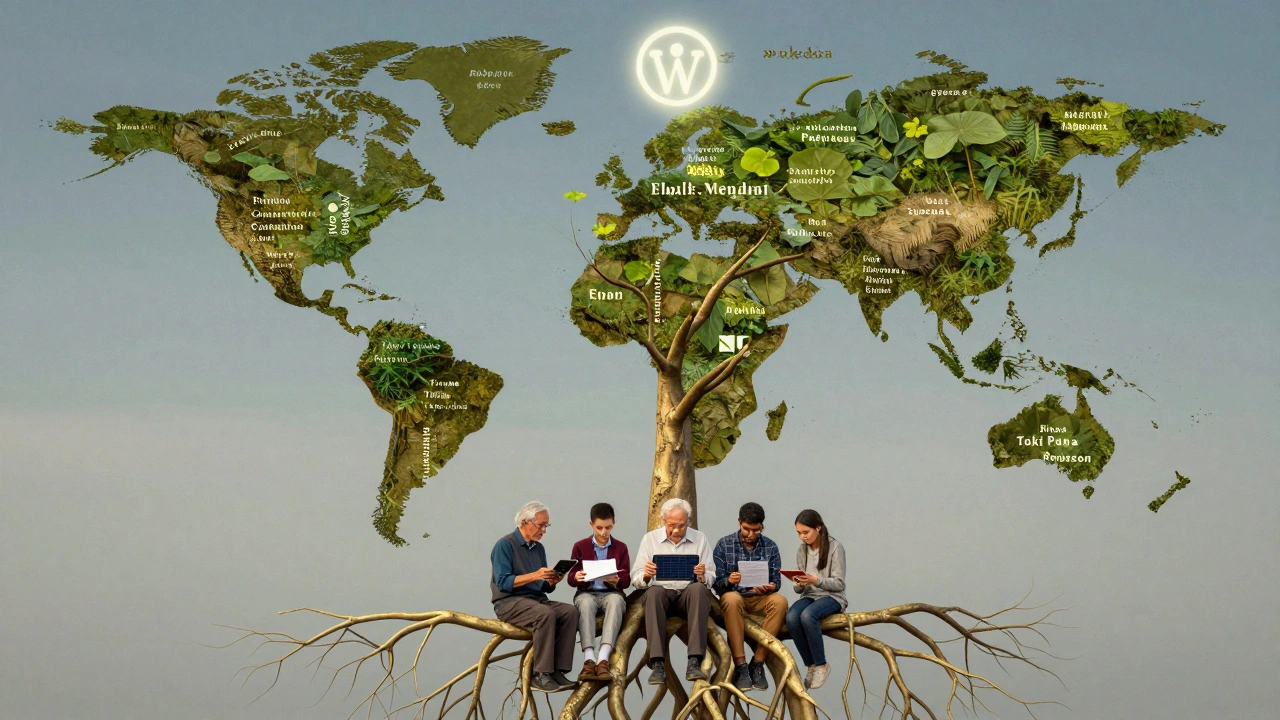
Even with 340+ editions, huge gaps remain. The Navajo edition has articles on the U.S. Civil War-but almost nothing on Navajo Code Talkers. The Maori edition has details on European colonization, but little on traditional astronomy. The Inuktitut edition has no articles on modern Arctic climate change, even though it’s reshaping Inuit life.
Why? Because the people who know this knowledge aren’t online. Elders don’t use Wikipedia. Students don’t know it exists. Libraries don’t teach it. So Wikipedia doesn’t reflect the full scope of human knowledge-it reflects who has access to the internet, who knows how to edit, and who feels safe sharing.
That’s why projects like Wiki Loves Earth or WikiGap matter. They organize edit-a-thons in villages, schools, and community centers. They bring laptops to places with no Wi-Fi. They record oral histories and turn them into articles. They’re not trying to fix Wikipedia. They’re trying to make sure Wikipedia doesn’t leave people behind.
What This Means for the Future of Knowledge
Wikipedia’s multilingual expansion isn’t just about more articles. It’s about power. Who gets to decide what’s important? Who gets to define truth? For centuries, encyclopedias were written by elites-mostly white, mostly male, mostly Western. Wikipedia flips that. A 15-year-old in Jakarta can write the definitive article on coral reef restoration. A grandmother in Oaxaca can document traditional textile patterns no museum ever recorded.
It’s messy. It’s imperfect. But it’s real. And it’s growing. Every week, someone adds a new article in a language that didn’t have one yesterday. Every month, a new community learns how to edit. Every year, the number of languages grows.
Wikipedia doesn’t have all the answers. But it’s letting the world ask its own questions-in its own words.
How many languages does Wikipedia support?
As of 2026, Wikipedia has 343 active language editions. Each one is independently managed by volunteers who speak that language. Some editions have millions of articles, while others have fewer than 100. The number keeps growing as new communities come online.
Are all Wikipedia editions the same?
No. While they all use the same software and share media through Wikimedia Commons, each edition sets its own rules. For example, the English Wikipedia bans original research, but the Yoruba edition accepts oral histories from elders as valid sources. The Arabic edition handles right-to-left text differently than the Hebrew edition. Cultural norms shape how knowledge is presented.
Can I edit Wikipedia in my native language?
Yes. If your language has a Wikipedia edition, you can edit it. If it doesn’t, you can start one. The Wikimedia Foundation provides tools like the Content Translation tool and guides for new editors. Many communities have mentorship programs to help beginners. You don’t need to be a tech expert-just someone who cares about preserving knowledge in your language.
Why do some language editions have more articles than others?
It’s not about population size. It’s about access, digital literacy, and community support. The Cebuano edition has more articles than German because of a grassroots movement in the Philippines where students edited en masse using mobile phones. Meanwhile, languages without keyboard support, internet access, or local tech advocates struggle to grow. Tools like mobile editing and offline apps are helping close these gaps.
Does Wikipedia translate articles automatically?
Wikipedia offers a Content Translation tool that suggests translations based on existing articles, but it doesn’t replace human editors. The tool helps editors get started, but final edits always require local knowledge. A machine can translate "climate change" as "cambio climático," but it won’t know how that term is understood in rural Andean communities. That’s why human context matters.