Edit-A-Thons: How Community Events Shape Wikipedia's Knowledge
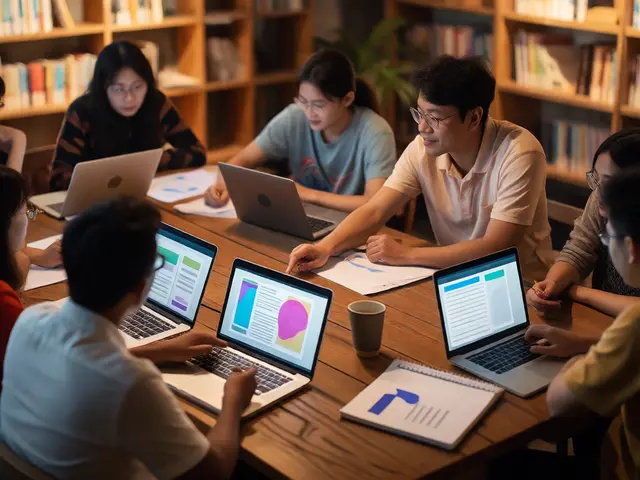
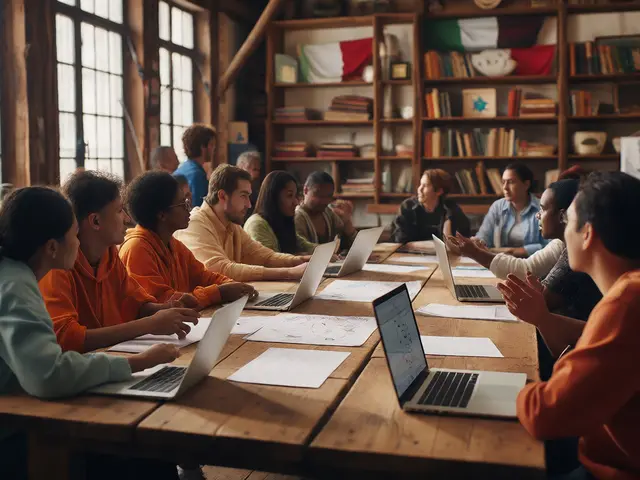
When you think of Wikipedia, you might picture someone typing alone at a desk—but behind many of its best articles are Edit-A-Thons, organized group events where people come together to create and improve Wikipedia content. Also known as editathons, these events turn editing into a social, supportive experience that helps fix gaps in knowledge and brings in new voices. They’re not just about adding more articles—they’re about making sure the world’s knowledge reflects more than just the perspectives of a few countries or languages.
Edit-A-Thons often focus on underrepresented topics: women in science, local history in rural areas, Indigenous languages, or medical info in low-resource regions. These aren’t random topics—they’re the ones Wikipedia struggles with because most editors live in the Global North. Events like those hosted by libraries, universities, or Wikimedia chapters give people the tools, training, and confidence to edit. You don’t need to be an expert. You just need to care enough to help. And that’s why Wikipedia community, the network of volunteers who build and maintain Wikipedia keeps growing. These gatherings also help new editors understand how Wikipedia works: how to cite sources, avoid conflicts of interest, and use tools like TemplateWizard to avoid mistakes. They’re the quiet engine behind Wikipedia’s ability to stay accurate and inclusive.
Behind every successful Edit-A-Thon is a mix of structure and flexibility. Organizers often pair beginners with experienced editors, provide lists of missing articles, and set clear goals—like adding 50 new biographies of female scientists or translating 20 stub articles into Swahili. The results? Thousands of new edits, dozens of new editors who stick around, and articles that actually reflect real-world diversity. It’s not magic—it’s collaboration. And it works because it’s human-centered. You’ll find these events tied to International Women’s Day, Black History Month, or local heritage celebrations. They’re not just about quantity—they’re about correcting bias, one edit at a time.
What you’ll find in this collection are real stories and practical guides from people who’ve run, attended, or benefited from these events. You’ll learn how to organize one, how to spot the gaps they fill, and why they matter more than ever as AI floods the internet with fake facts. These aren’t just party events—they’re repair jobs for the world’s knowledge.

Closing the Gender Gap on Wikipedia: Strategies, Tools, and Real Impact
Explore the causes behind Wikipedia's gender gap and discover proven strategies like edit-a-thons and mentorship programs that are driving real change in digital representation.
WikiProject Women in Red 2025 Events Schedule: Closing the Gender Gap on Wikipedia
Explore the WikiProject Women in Red 2025 events schedule, focusing on edit-a-thons and strategies to close the gender gap on Wikipedia through sourced biographies.