Walk into any library or open a search engine, and you’ll find that Wikipedia is often the first stop for information. It’s the fifth most visited website in the world, serving hundreds of millions of readers daily. But behind its massive scale lies a persistent flaw: the voices it amplifies are not representative of the people who live them. Specifically, women are significantly underrepresented both as editors and as subjects of articles. This isn’t just a minor oversight; it’s a structural issue that shapes how history, science, and culture are understood globally.
The so-called "gender gap" on Wikipedia refers to two distinct but connected problems. First, there is a shortage of female contributors. As of early 2026, women make up only about 15% to 20% of all active editors on the English-language version of the platform. Second, there is a deficit in coverage. Biographies of men outnumber those of women by roughly 7 to 1, and topics related to women’s health, arts, and social sciences often lack depth compared to their male-dominated counterparts. Closing this gap requires more than just inviting more women to click “edit.” It demands a strategic overhaul of community culture, tooling, and outreach methods.
Understanding the Roots of the Bias
To fix the problem, we have to look at why it exists in the first place. The gap didn’t appear overnight. It stems from a combination of cultural, technical, and psychological factors that have accumulated over two decades.
One major factor is the toxic culture within the editing community. Early Wikipedia was dominated by tech-savvy enthusiasts, many of whom were young men. Over time, this created an environment where conflict resolution often favored aggressive behavior rather than collaboration. Studies conducted by researchers at MIT and other institutions have shown that female editors are more likely to receive hostile feedback or have their contributions deleted during disputes. When new female editors experience this hostility, they tend to leave the platform permanently.
Another barrier is the "notability" criterion. Wikipedia has strict rules about what deserves an article. A person must be covered by reliable, independent sources to be considered notable. Because historical media has disproportionately covered men-especially in politics, war, and business-there are simply fewer high-quality sources available for women. This creates a catch-22: women aren’t written about because they don’t meet notability standards, and they don’t meet notability standards because they haven’t been written about.
Additionally, the technical nature of Wikipedia can be intimidating. Editing requires knowledge of Wiki markup, citation formats, and complex community policies. For someone without a background in coding or technical writing, this learning curve is steep. Men, statistically more likely to have prior experience with these tools, feel more comfortable navigating this space, while potential female contributors may feel excluded before they even start.
Strategies That Actually Work
Over the last decade, various organizations and volunteers have tested dozens of approaches to close the gap. Some failed, but others have produced measurable results. Here are the most effective strategies currently being used.
1. Edit-a-thons and Glams
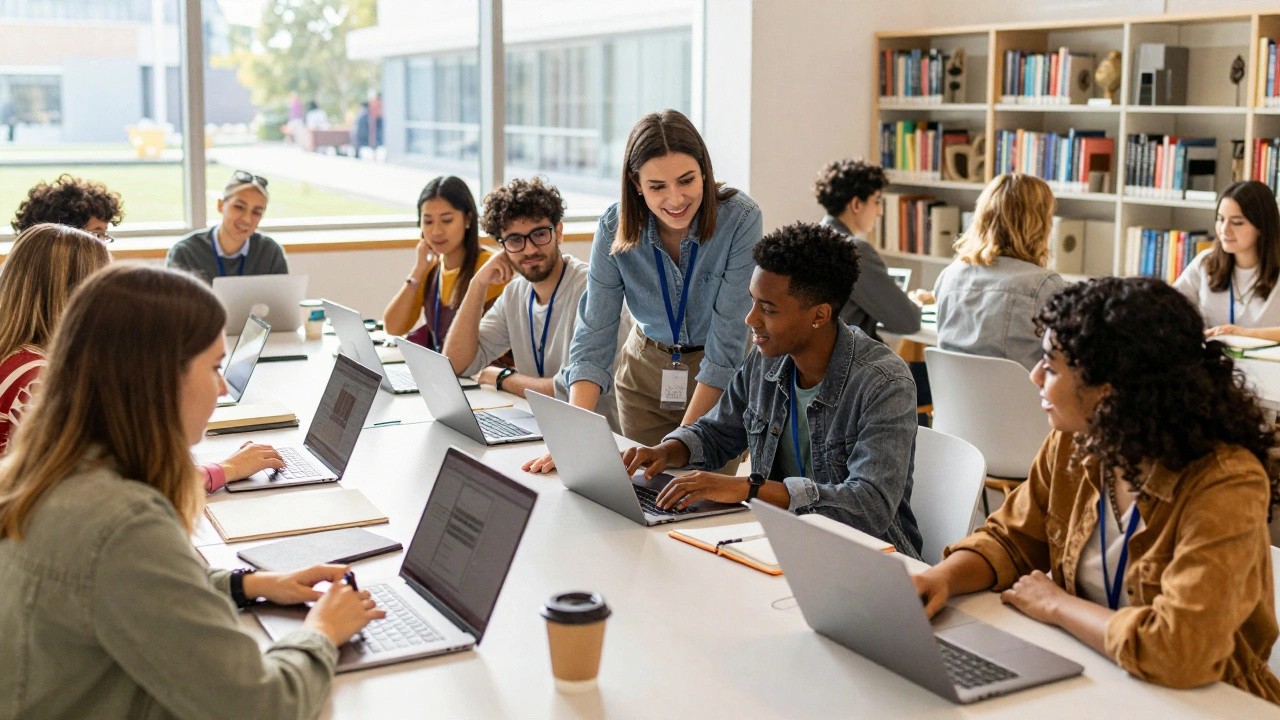
Edit-a-thons are organized events where groups gather to create or improve Wikipedia articles around a specific theme. These are often hosted by libraries, museums, universities, and nonprofits (known as GLAMs - Galleries, Libraries, Archives, and Museums).
Why do they work? They provide immediate social support. Instead of editing alone in a dark room, participants learn alongside peers and mentors. Events focused specifically on women’s history, such as Women’s History Month edit-a-thons, have consistently increased the number of biographies about women. For example, in 2024, a series of global edit-a-thons added over 5,000 new articles about women scientists and artists.
2. Mentorship Programs
Retention is harder than recruitment. Many new editors quit after their first negative interaction. Mentorship programs pair new editors with experienced volunteers who guide them through policy disputes and technical hurdles. The Outreach Program team within the Wikimedia Foundation has developed structured mentorship models that show higher retention rates for women and marginalized groups. Having a trusted ally makes the difference between staying and leaving.
3. Improving Tooling and UX
Technology plays a huge role. The VisualEditor, introduced to replace raw Wiki markup with a word processor-like interface, lowered the barrier to entry for non-technical users. Recent updates in 2025 have further simplified citation tools and added AI-assisted summarization features that help editors find reliable sources faster. By making the act of editing less technical, Wikipedia becomes more accessible to a broader demographic.
4. Content Gaps Projects
Data-driven initiatives like WikiProject Women in Red identify missing articles using lists of notable women who lack Wikipedia pages. Editors then work systematically to fill these gaps. This approach shifts the focus from random editing to targeted impact, ensuring that effort is directed where it’s needed most.
The Role of Technology and AI
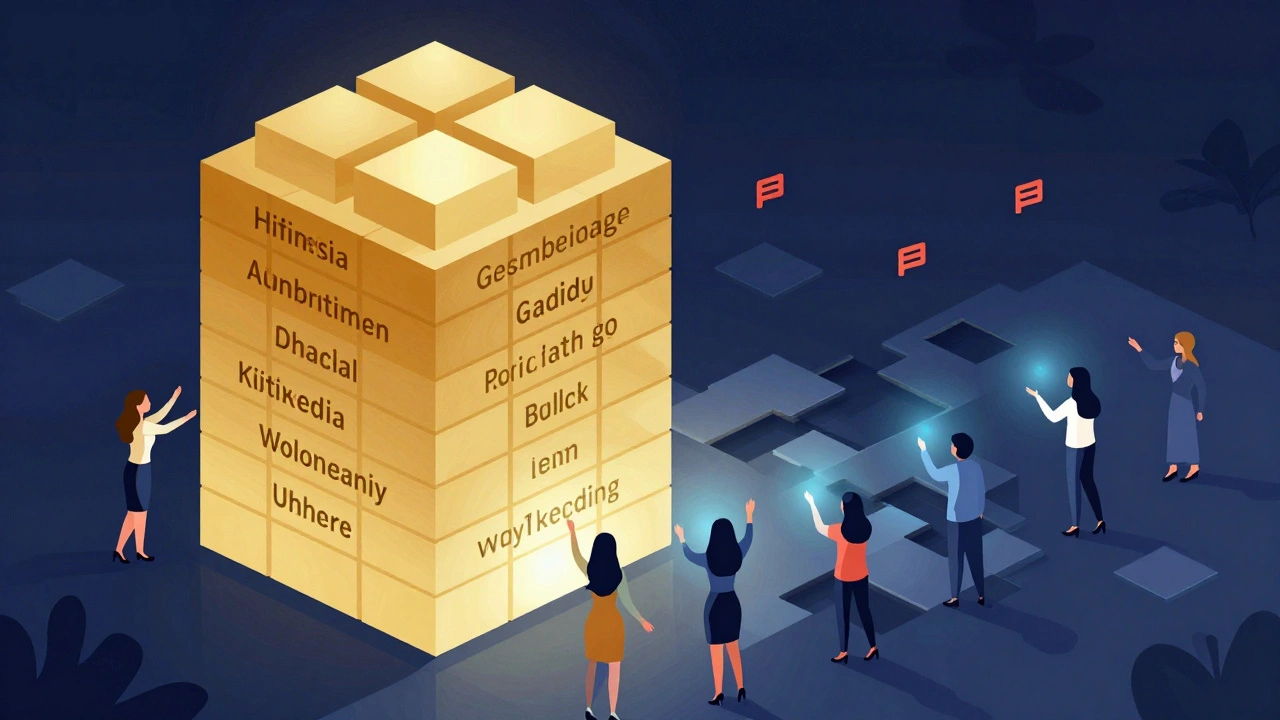
As artificial intelligence becomes more integrated into online platforms, it offers both risks and opportunities for closing the gender gap.
On one hand, AI tools can help generate drafts or summarize sources, speeding up the creation process. On the other hand, if these AI models are trained on biased data-which includes much of the internet-they may perpetuate existing stereotypes. For instance, an AI assistant might suggest less authoritative sources for female figures or fail to recognize certain types of achievements as “notable.”
To mitigate this, developers are working on bias-detection algorithms that flag potentially skewed content. Additionally, community guidelines are evolving to require human oversight of AI-generated content, ensuring that accuracy and neutrality remain paramount. The goal is to use technology to amplify diverse voices, not silence them.
Measuring the Impact
How do we know if these strategies are working? We look at the numbers, but also at the quality of change.
| Metric | 2020 | 2026 | Change |
|---|---|---|---|
| Percentage of Female Editors | ~12% | ~18% | +6% |
| Ratio of Male-to-Female Biographies | 9:1 | 6:1 | Improved |
| Number of Articles Created via Edit-a-thons (Annual) | ~15,000 | ~25,000 | +67% |
| Retention Rate of New Female Editors (First Year) | ~30% | ~45% | +15% |
These numbers show progress, but they also highlight the slow pace of change. The ratio of biographies remains uneven, and editor retention is still a challenge. However, the increase in female editors and the growth of organized editing events suggest that targeted interventions are having an effect.
Beyond metrics, there’s a qualitative shift. Articles about women are becoming more detailed, better sourced, and less reliant on anecdotal evidence. Communities are starting to value diverse perspectives as essential to encyclopedic completeness, not just as a charitable add-on.
Challenges and Pitfalls to Avoid
Not every attempt to close the gap succeeds. Common pitfalls include:
- Tokenism: Inviting women to edit without addressing the underlying toxic culture leads to quick burnout.
- Ignoring Intersectionality: Focusing only on gender without considering race, class, or geography leaves out vast segments of the population. Black women, Indigenous women, and women from the Global South face compounded barriers.
- Poor Source Curation: Relying on low-quality sources to meet quotas undermines the credibility of the articles. Quality always trumps quantity.
- Lack of Long-Term Support: One-off events create short-term spikes in activity but don’t build sustainable communities.
Successful initiatives avoid these traps by building long-term relationships, prioritizing mental health and safety, and continuously evaluating their impact.
What You Can Do Right Now
You don’t need to be an expert to contribute. Here’s how to get started:
- Find a Local Event: Check your local library, university, or museum for upcoming edit-a-thons. Search for “Wiki Loves Women” or similar hashtags online.
- Start Small: Improve existing articles rather than creating new ones from scratch. Add citations, expand sections, or fix grammar.
- Use Reliable Sources: Stick to academic journals, reputable news outlets, and official publications. Avoid blogs or self-published material.
- Be Respectful: Follow Wikipedia’s core principles: neutrality, verifiability, and no original research. Treat other editors with kindness.
- Join a WikiProject: Connect with specialized communities like WikiProject Women in Science or WikiProject LGBTQ+ studies for guidance and support.
Closing the gender gap on Wikipedia is not a sprint; it’s a marathon. It requires patience, persistence, and a willingness to challenge entrenched norms. But every article created, every source added, and every respectful conversation had moves the needle toward a more inclusive knowledge base. And in a world where information shapes reality, that matters.
Why is there a gender gap on Wikipedia?
The gender gap exists due to a combination of factors: a historically male-dominated editing community, toxic interactions that drive away female contributors, stricter notability criteria that favor men due to historical media bias, and technical barriers that make editing difficult for non-experts.
What percentage of Wikipedia editors are women?
As of 2026, women make up approximately 15% to 20% of active editors on the English-language Wikipedia, though this varies slightly by region and language edition.
How can I help close the gender gap?
You can participate in edit-a-thons, mentor new editors, improve existing articles about women, join WikiProjects focused on diversity, and advocate for respectful community practices. Even small edits count.
Are edit-a-thons effective?
Yes, edit-a-thons are highly effective for recruiting new editors and creating bulk content. They provide social support and training, leading to higher retention rates and significant increases in articles about underrepresented groups.
Does Wikipedia have a bias against women?
While Wikipedia aims for neutrality, systemic biases exist. Women are less likely to have articles due to fewer historical sources, and female editors face higher rates of harassment. The community actively works to address these issues through policy changes and outreach.
What is WikiProject Women in Red?
WikiProject Women in Red is a collaborative effort to identify and create Wikipedia articles about notable women who currently lack pages. Articles are marked in red links until they are fully created, symbolizing the gap being filled.
How does AI affect the gender gap?
AI can help by simplifying editing tasks and finding sources, but it risks perpetuating bias if trained on skewed data. Human oversight is crucial to ensure AI tools promote fairness and accuracy rather than reinforcing stereotypes.
