Open News Platform: How Wikipedia and Its Tools Enable Transparent Knowledge Sharing
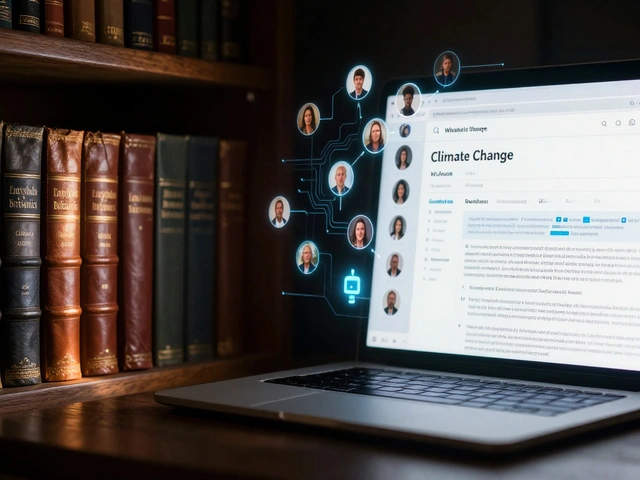
When you think of an open news platform, a public, editable system where anyone can publish and verify facts without corporate or government control. Also known as free knowledge ecosystem, it’s not just a website—it’s a living archive built by millions who care more about truth than traffic. Wikipedia is the biggest example, but it’s not alone. Behind it are tools like Wikidata, a structured database that powers search and multilingual links across Wikipedia, and The Signpost, a volunteer-run newspaper that reports on Wikipedia’s internal changes, outages, and policy fights. These aren’t side projects—they’re the backbone of an open news platform that works without ads, paywalls, or editors hired by corporations.
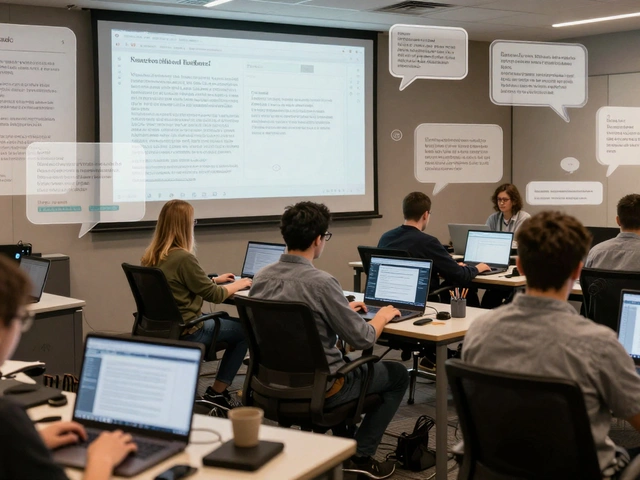
What makes this different from traditional news? Anyone can fix a mistake, add a source, or translate an article. You don’t need a press pass. You just need to follow a few simple rules: cite reliable sources, write neutrally, and respect the community’s consensus. That’s why librarians, teachers, and students are among its most active contributors—they know how to find truth in messy information. Tools like TemplateWizard, a form-based editor that helps beginners create citations and infoboxes without coding, and CirrusSearch, the custom engine that finds articles even when you misspell a word, make it easier than ever to join. And bots? They’re not replacing people—they’re cleaning up spam, flagging vandalism, and letting humans focus on the hard stuff: context, nuance, and fairness.
It’s not perfect. Geographic bias still skews coverage toward North America and Europe. Some topics get too much attention; others vanish. But the system is designed to notice and fix those gaps—not by decree, but by discussion. Edit-a-thons in Lagos, Jakarta, and Lima are helping balance the record. Legal teams fight censorship. Researchers use revision histories to track how facts evolve. And every time someone adds a citation from a local newspaper, a government report, or a peer-reviewed journal, the platform gets stronger. This isn’t magic. It’s collaboration at scale.
Below, you’ll find real stories from inside this system—how editors respond to breaking news, how new contributors learn to write like pros, how search works under the hood, and why Wikipedia stays reliable even when the world is falling apart. No fluff. No hype. Just how open knowledge actually works.
Wikinews Outreach: How to Attract New Volunteer Journalists
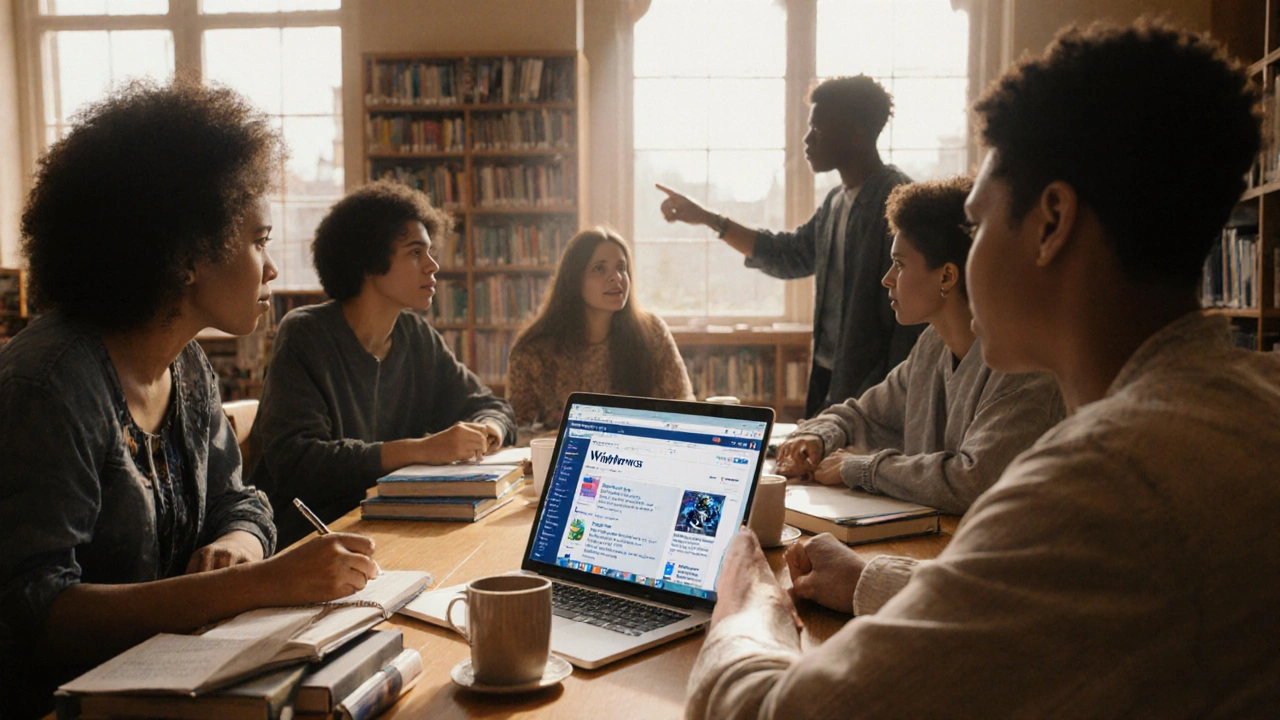
Wikinews relies on volunteers to report original news without ads or corporate influence. Learn how to attract and support new citizen journalists who want to make a real impact-no experience needed.