Wikipedia scholars: Who they are and how they shape the world's largest encyclopedia
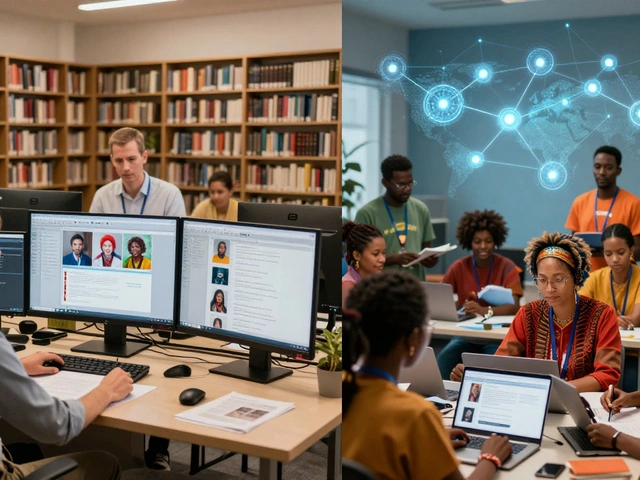
Wikipedia scholars, educators, librarians, researchers, and other subject experts who contribute to Wikipedia with academic rigor and a commitment to accuracy. Also known as academic editors, they don’t just edit—they verify, cite, and defend knowledge against misinformation, bias, and sloppy sourcing. These aren’t casual contributors. They’re people who teach at universities, run libraries, publish peer-reviewed work, and understand how to judge a reliable source. They show up not for fame, but because they know Wikipedia is often the first place students, journalists, and the public look for answers.
Wikipedia scholars don’t work in isolation. They rely on tools like WikiProject assessment guidelines, a community-driven system that rates article quality from stub to featured status to align their edits with official standards. They use Talk pages, discussion spaces where editors debate content changes before they go live to resolve disputes over neutrality, sourcing, or scope. And they’re the ones who flag copyvio violations, instances where text is copied without permission from books, journals, or websites—not because they’re strict, but because they know plagiarism breaks trust.
What makes them different? They treat Wikipedia like a research project, not a blog. They check citations. They question vague statements. They push back when someone tries to insert opinion as fact. You’ll find them in the background of articles on climate science, medical conditions, historical events, and policy debates—making sure every claim has a source, every bias is noted, and every edit passes the smell test. Their work keeps Wikipedia from becoming just another echo chamber.
And they’re not just fixing typos. They’re helping fight AI-generated falsehoods by enforcing Wikipedia’s strict sourcing rules. When an AI spits out a fake quote or a made-up study, it’s a Wikipedia scholar who finds the original source—or proves it doesn’t exist. They’re the reason Wikipedia still works when other platforms collapse under misinformation.
Behind every well-written Wikipedia article, there’s often a librarian who taught citation styles, a professor who peer-reviewed the content, or a grad student who spent nights checking references. These are the quiet forces that keep the encyclopedia credible. In a world full of noise, they’re the ones making sure the signal stays clear.
Below, you’ll find real guides from people who’ve been in the trenches—whether they’re teaching students how to edit responsibly, using bots to catch spam, or fighting edit wars over geopolitics. These aren’t theory pieces. They’re field reports from the front lines of knowledge.

Notable Researchers Studying Wikipedia: Key Scholars in Online Encyclopedia Research
Discover the key scholars studying Wikipedia - from community dynamics to systemic bias - and how their research is reshaping how we understand online knowledge.