Imagine a high schooler staring at a screen, ready to cite a fact for their history paper. They find the answer on Wikipedia is a free online encyclopedia that anyone can edit, serving as a massive repository of general knowledge. It looks professional. It has citations. It feels safe. But is it? This moment is where Media Literacy is the set of skills required to access, analyze, evaluate, and create media across various forms and channels becomes critical. If students treat every wiki page as absolute truth, they miss the bigger picture of how information works in the digital age.
You don't need to ban Wikipedia from classrooms. In fact, banning it often backfires, pushing students toward less reliable sources like random blogs or social media posts. Instead, use this ubiquitous platform as a training ground. By teaching students to dissect a single article, you equip them with tools they can apply to news sites, corporate blogs, and even peer-reviewed journals. The goal isn't to distrust the internet; it's to build a healthy skepticism that leads to better understanding.
Why Wikipedia Is the Perfect Training Ground
It seems counterintuitive to teach critical thinking using a site known for being editable by strangers. However, Wikipedia's open structure makes its mechanics visible. Unlike traditional textbooks, where the author is hidden behind a publisher, Wikipedia shows you exactly who wrote what, when, and why. This transparency is a gift for educators. You can point to the "Talk" page, see arguments between editors, and watch how consensus is reached (or failed).
Consider the difference between a static textbook and a dynamic wiki. A textbook presents a finished product. Wikipedia presents a process. When students see an article change over time, they learn that knowledge is not static; it evolves. This concept aligns with scientific method principles, where theories are revised based on new evidence. By observing these revisions, students grasp that "truth" in academia is often provisional and subject to debate.
Furthermore, the sheer volume of content means students will encounter topics ranging from obscure historical figures to current political events. This variety allows for tailored lessons. Whether you teach biology or literature, there is a Wikipedia article relevant to your curriculum that serves as a starting point for deeper inquiry.
The Four Pillars of Evaluation
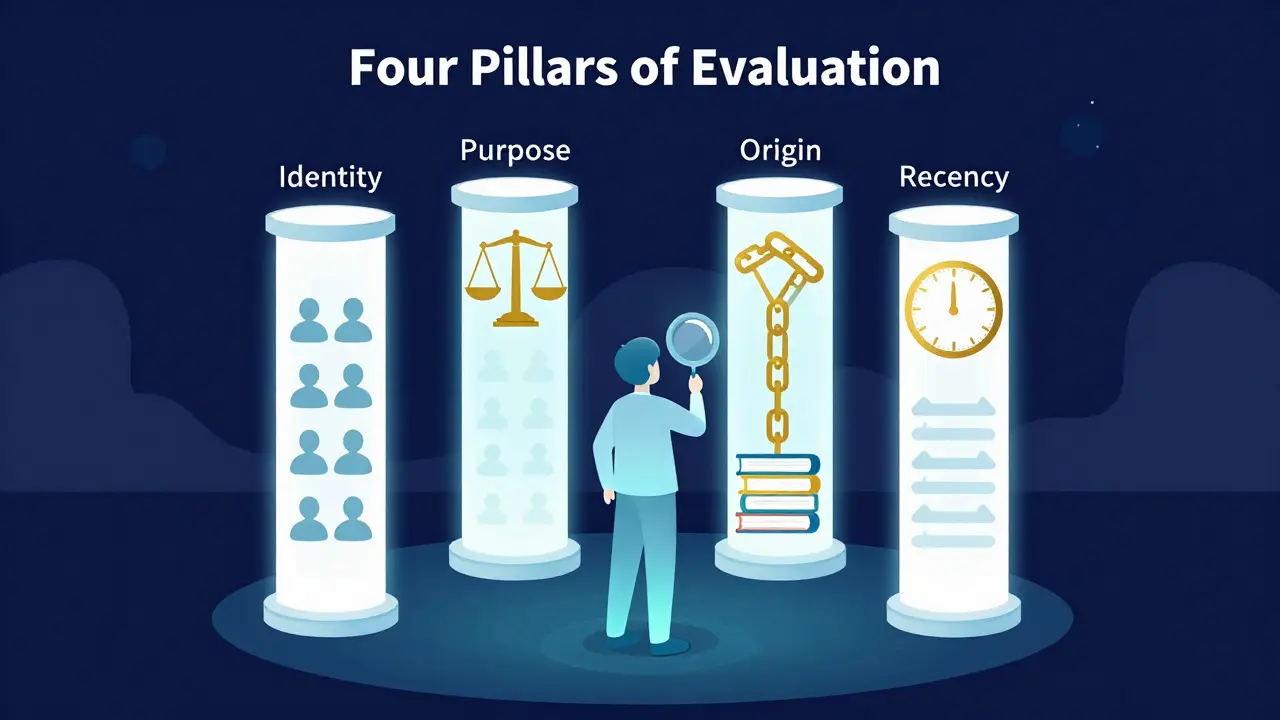
To help students evaluate any source, including Wikipedia, introduce four core questions. These act as a checklist that transforms passive reading into active investigation.
- Who is the author? On Wikipedia, the "author" is the community of editors. Students should check the "History" tab to see recent changes. Are there frequent edits? Is one user constantly reverting changes? This signals potential bias or conflict.
- What is the purpose? Is the article neutral? Look for loaded language. Words like "controversial," "disputed," or "allegedly" are flags. Compare the tone to a neutral news report. If the writing sounds like an opinion piece, the neutrality principle may be compromised.
- Where does the information come from? This is the most crucial step. Every claim needs a citation. Students must click the little blue numbers [1], [2] next to sentences. Do these links lead to reputable primary sources? Or do they link to other Wikipedia pages? Self-referencing is a red flag.
- When was it last updated? For fast-moving topics like technology or politics, a page last edited five years ago might be outdated. Check the date of the latest revision. If a major event happened recently but the page hasn't been touched, the information might be incomplete.
These four pillars form the backbone of Critical Thinking is the intellectually disciplined process of actively and skillfully conceptualizing, applying, analyzing, synthesizing, and evaluating information. By drilling these steps, students move beyond surface-level reading.
Practical Classroom Activities
Theory only sticks when applied. Here are three concrete activities you can run in a single class period.
Activity 1: The Citation Detective
Select a controversial topic, such as a recent election result or a scientific breakthrough. Have students pick one specific sentence from the Wikipedia article. Their job is to trace that sentence back to its original source. Did the wiki editor paraphrase correctly? Does the original source actually support the claim? Often, students find that the original source is a press release rather than a peer-reviewed study, highlighting the importance of source hierarchy.
Activity 2: The Talk Page Debate
Show students the "Talk" page of an article. Ask them to identify the main points of disagreement among editors. Then, have them write a short paragraph explaining which side they think has stronger evidence and why. This teaches them that disagreements are normal in research and that resolution requires evidence, not just loud voices.
Activity 3: The Edit Challenge
If your school policy allows it, let students make a minor, factual correction to a low-traffic Wikipedia article. They must find a reliable source, draft the edit, and explain their reasoning in the talk page. Even if they don't publish, the process of preparing an edit forces them to verify facts rigorously. It turns them from consumers into creators, deepening their respect for the work involved in maintaining accurate records.
Common Pitfalls and How to Avoid Them
Even with good intentions, students fall into traps. One common error is "citation stuffing." They might add ten references without checking if they all say the same thing. Teach them to look for consensus among sources. If three sources say X and one says Y, the outlier needs special scrutiny.
Another pitfall is confusing popularity with accuracy. An article with thousands of views isn't necessarily more accurate than one with few views. Popularity reflects interest, not quality. Remind students that niche topics often have fewer editors but can still be highly accurate if the editors are experts.
Bias is another subtle issue. Wikipedia strives for "neutral point of view," but cultural biases can slip in. For example, articles about non-Western subjects might rely heavily on Western sources. Encourage students to look for international perspectives. If an article about a global event only cites American newspapers, ask: "Whose voice is missing?"
| Source Type | Reliability Indicator | Best Used For | Common Trap |
|---|---|---|---|
| Wikipedia | Citations, Edit History | Overview, Finding Primary Sources | Treating it as final authority |
| Peer-Reviewed Journals | Editorial Board, Methodology | In-depth Scientific Facts | Overly complex jargon |
| News Outlets | Byline, Editorial Standards | Current Events, Context | Opinion mixed with news |
| Government Sites (.gov) | Official Domain, Data Sets | Statistics, Legal Definitions | Outdated data versions |
Building Long-Term Digital Habits
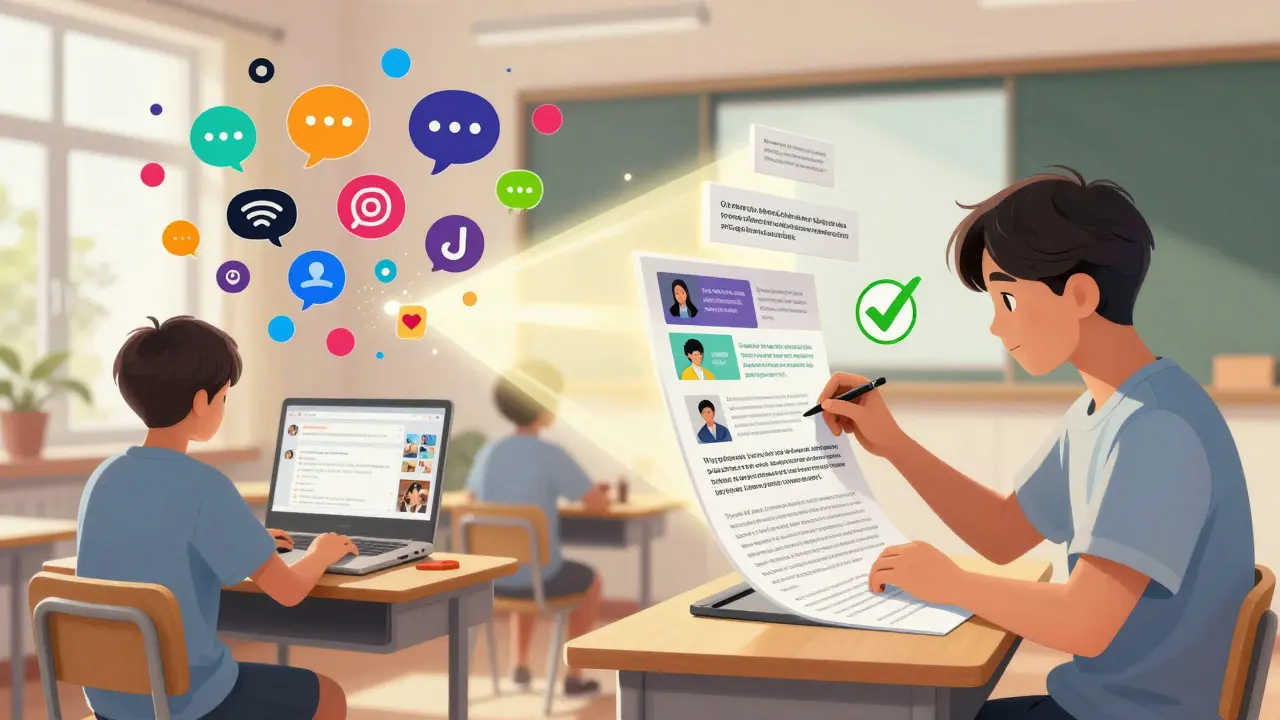
Teaching Digital Citizenship is the appropriate use of technology and effective participation in society through the development of habits, skills, and values goes beyond one semester. The habits formed when evaluating Wikipedia articles should extend to all digital interactions. When students see a viral post on social media, they should instinctively ask: "Is this cited? Who is the author? Is it biased?"
Create a classroom culture where asking questions is valued over having answers. Praise students who catch errors in sources, not just those who submit perfect papers. This shifts the focus from performance to understanding. Over time, this mindset reduces misinformation spread within their peer groups, making them responsible contributors to their communities.
Finally, keep up with changes in digital platforms. New tools emerge for verifying facts, and new types of media appear. Your role as an educator is to model lifelong learning. Show them how you verify information yourself. Share your own mistakes. This humanizes the process and reinforces that expertise is a journey, not a destination.
Frequently Asked Questions
Is it okay to cite Wikipedia in academic papers?
Generally, no, unless your professor explicitly allows it. Wikipedia is best used as a gateway to find primary and secondary sources. Always check your institution's style guide (like APA or MLA) for specific rules on citing encyclopedic sources.
How do I know if a Wikipedia article is biased?
Look for emotional language, lack of citations for strong claims, and a one-sided perspective in the introduction. Also, check the "Talk" page for unresolved debates. If the article reads like an advertisement or a complaint letter, bias is likely present.
What is the difference between a primary and secondary source?
A primary source is direct evidence, such as a diary entry, interview, or raw data. A secondary source interprets or analyzes primary sources, like a biography or a review article. Wikipedia is almost always a tertiary source, summarizing secondary sources.
Should students edit Wikipedia directly?
Yes, under supervision. Editing teaches responsibility and verification. Start with small, factual corrections on stable articles. Ensure students understand Wikipedia's editing guidelines before letting them loose on contentious topics.
How can I assess if a student truly understands media literacy?
Ask them to defend their source choices. If they can explain *why* they rejected a source and *how* they verified the accepted one, they demonstrate true understanding. Memorizing definitions isn't enough; application is key.