The Wikimedia Foundation just announced a major shift in its leadership. Maryana Iskander, who stepped into the role of CEO in 2022, is leaving after a four-year term. She’s being replaced by Erik Möller, former Deputy Director and long-time contributor to free knowledge projects. This isn’t just a personnel change-it’s a turning point for the organization that runs Wikipedia, Wiktionary, and dozens of other free knowledge platforms used by over 2 billion people every month.
Why This Change Matters
Wikipedia doesn’t operate like a typical tech company. It’s not driven by ads, stock prices, or venture capital. Its funding comes from small donations, mostly from individuals who believe in open access to information. But running it is incredibly complex. The foundation has to balance technical infrastructure, global community governance, legal threats, misinformation, and political pressure-all while staying true to its core mission: making knowledge free for everyone.Iskander’s tenure was marked by bold moves: launching the Wikimedia Enterprise service to sell bulk data to corporations, pushing for stronger moderation tools to combat harassment, and navigating intense scrutiny from governments demanding content removals. She left the foundation financially stable but politically exposed. Critics said she moved too fast toward commercialization. Supporters argued she made the platform sustainable.
Now, Erik Möller steps in. He’s not an outsider. He joined Wikimedia in 2003, helped build the early MediaWiki software, and was one of the first staff members hired after the foundation was formally established in 2003. He’s spent years working directly with volunteers, understanding the culture, the frustrations, and the deep loyalty that keeps the project alive. His background is more technical and community-focused than Iskander’s corporate-style leadership.
Who Is Erik Möller?
Möller started as a volunteer editor on German Wikipedia before becoming a core developer. He helped design the original interface for MediaWiki, the software behind Wikipedia. He later led the foundation’s product and technology teams, overseeing the shift to mobile-first editing and the rollout of VisualEditor-a tool that let people edit Wikipedia without learning wiki markup.He also played a key role in creating the Wikimedia Foundation’s first global strategy, launched in 2010. That strategy laid out how to expand beyond English and Western users-something the foundation still struggles with today. Less than 15% of Wikipedia editors are from Africa, Latin America, or South Asia, even though those regions make up over half the world’s population.
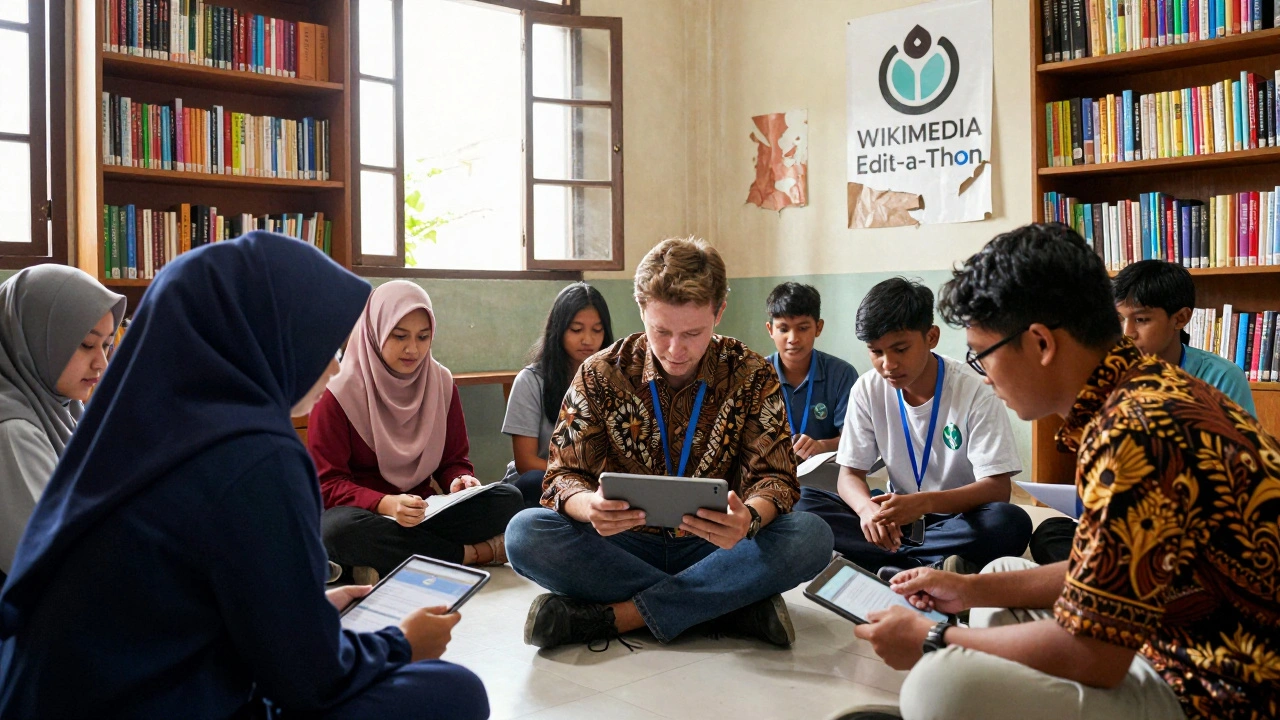
Möller’s leadership style is quiet, deliberate, and deeply rooted in the community. He doesn’t give flashy keynotes. He attends edit-a-thons in Jakarta and Lagos. He listens. That’s exactly what the foundation needs now. After years of top-down decisions, many volunteers feel unheard. Möller’s return signals a pivot back to grassroots values.
What’s Changing Under New Leadership
The board didn’t hire Möller to reverse Iskander’s changes. They want continuity-with correction. Here’s what’s likely to shift:- Wikimedia Enterprise will stay, but with tighter rules. Expect clearer limits on how corporate buyers can use the data-no reselling raw Wikipedia content as AI training data without permission.
- Community trust will be rebuilt. Möller plans to revive the “Community Health Initiative,” which was scaled back under Iskander. This includes more funding for volunteer moderators and better tools to report abuse.
- Global representation is now a top priority. The foundation will launch new grants specifically for editors in underrepresented regions. A new advisory council of non-Western volunteers will be formed to guide content policies.
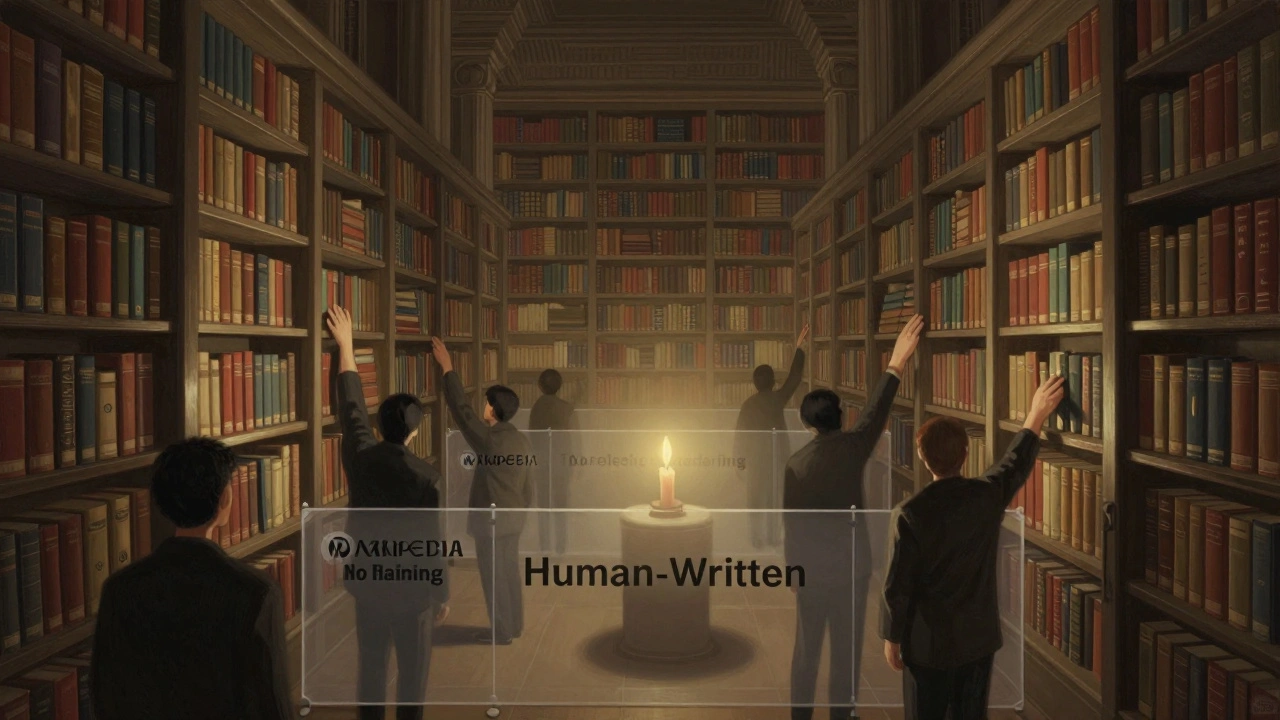
- AI and automation will be approached cautiously. While the foundation uses bots to fight vandalism, Möller opposes using AI to generate content on Wikipedia. He’s publicly stated that “Wikipedia must remain human-written.”
One big question remains: Will the board give Möller the autonomy he needs? Iskander had full authority to make fast decisions. Möller prefers consensus. The board will have to trust him to lead without micromanaging-especially as political pressure mounts from countries like India, Brazil, and Turkey, where Wikipedia articles are being challenged in court.
The Bigger Picture: Wikipedia’s Future
Wikipedia is no longer just a reference site. It’s the default source for billions of Google searches, AI training datasets, and school assignments. But it’s also under siege. Deepfakes, AI-generated misinformation, and coordinated disinformation campaigns are targeting its content. At the same time, funding from traditional donors is slowing down. The foundation’s annual budget-$130 million in 2025-isn’t growing fast enough to keep up with rising server costs and legal defense expenses.Möller’s biggest challenge won’t be managing staff or technology. It’s protecting the soul of the project. Can Wikipedia stay free, open, and reliable when the world is becoming more controlled, commercialized, and polarized? His leadership will be tested by whether he can rally the global volunteer base-over 100,000 active editors worldwide-to defend the platform’s values.
There’s no playbook for this. No other organization in the world has to run a public knowledge resource with no employees, no advertisers, and no shareholders-just millions of volunteers who show up because they believe in the idea.
What This Means for You
If you use Wikipedia daily, you’re part of this story. Even if you’ve never edited a page, you benefit from the work of thousands of unpaid contributors. Möller’s leadership could mean:- More accurate information from underrepresented regions
- Fewer biased or manipulated articles due to stronger moderation
- Slower adoption of AI tools that could dilute human authority
- Greater transparency about how data is used by corporations
It also means you might see more calls to donate, more volunteer recruitment drives, and more opportunities to get involved-not just as a reader, but as a contributor. The foundation is no longer asking for money alone. It’s asking for your time, your knowledge, and your voice.
Wikipedia doesn’t belong to the foundation. It belongs to you.
Frequently Asked Questions
Who is the new CEO of the Wikimedia Foundation?
Erik Möller is the new CEO of the Wikimedia Foundation, effective January 2026. He previously served as Deputy Director and has been with the organization since 2003, working on MediaWiki development and global strategy. He replaces Maryana Iskander, who stepped down after four years in the role.
Why did Maryana Iskander leave?
Maryana Iskander announced her departure in late 2025 after completing her four-year term. She cited personal reasons and a desire to pursue new challenges outside of nonprofit leadership. Under her leadership, the foundation launched Wikimedia Enterprise and strengthened its financial position, but faced criticism from some volunteers over perceived commercialization and reduced community input.
Will Wikipedia change under Erik Möller’s leadership?
Wikipedia’s core mission won’t change, but how it’s managed will. Möller plans to prioritize community trust, expand support for non-Western editors, and limit corporate use of Wikipedia data. He opposes AI-generated content on Wikipedia and wants to restore direct volunteer influence over policy decisions.
Is Wikimedia Enterprise still active?
Yes, Wikimedia Enterprise continues to operate, but under tighter guidelines. Möller has pledged to prevent corporate buyers from using raw Wikipedia data to train AI models without explicit permission. The service will remain a source of revenue but will be more carefully regulated to protect the integrity of the free knowledge mission.
How can I get involved with Wikipedia under the new leadership?
You can start by editing articles, joining community discussions on talk pages, or participating in edit-a-thons focused on underrepresented topics. The foundation is launching new volunteer grants and regional outreach programs in 2026. Visit meta.wikimedia.org for upcoming opportunities to contribute your knowledge and help shape the future of free information.