The Core Conflict of Interest
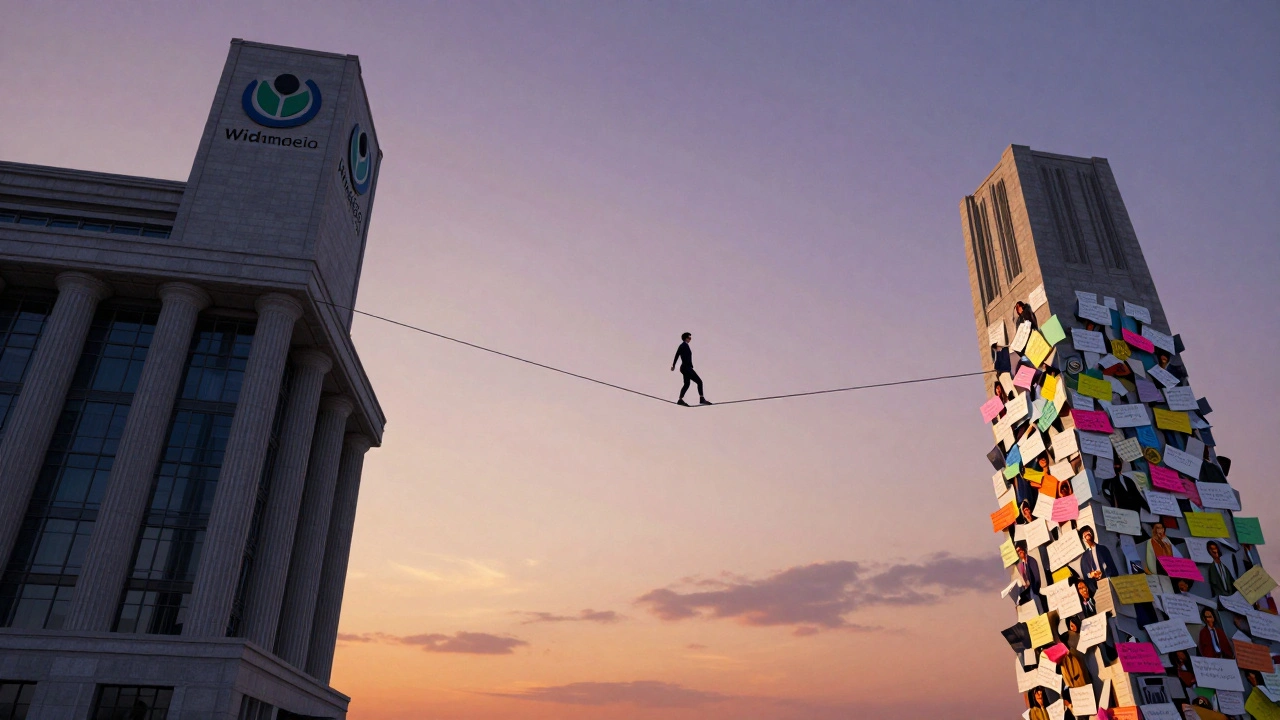
To understand the dynamic, we first need to be clear about what these two entities are. The WMF is a non-profit that manages the servers, handles the legal battles, and raises the money. The Signpost, on the other hand, is a volunteer-led effort. It isn't a corporate department; it's a group of editors who decide to spend their free time investigating why a specific policy is failing or why a certain administrator was banned.
This creates a natural friction. When the WMF announces a new strategic direction-like the move toward more AI-driven content curation-the Signpost's job isn't to cheerlead. Their job is to ask, "Who does this actually help?" and "What are the risks to the community?" If the Signpost were a corporate newsletter, these questions would be edited out. Because it is a community organ, these questions are the lead story. This tension is where editorial independence is tested every single day.
Where the Ties Actually Bind
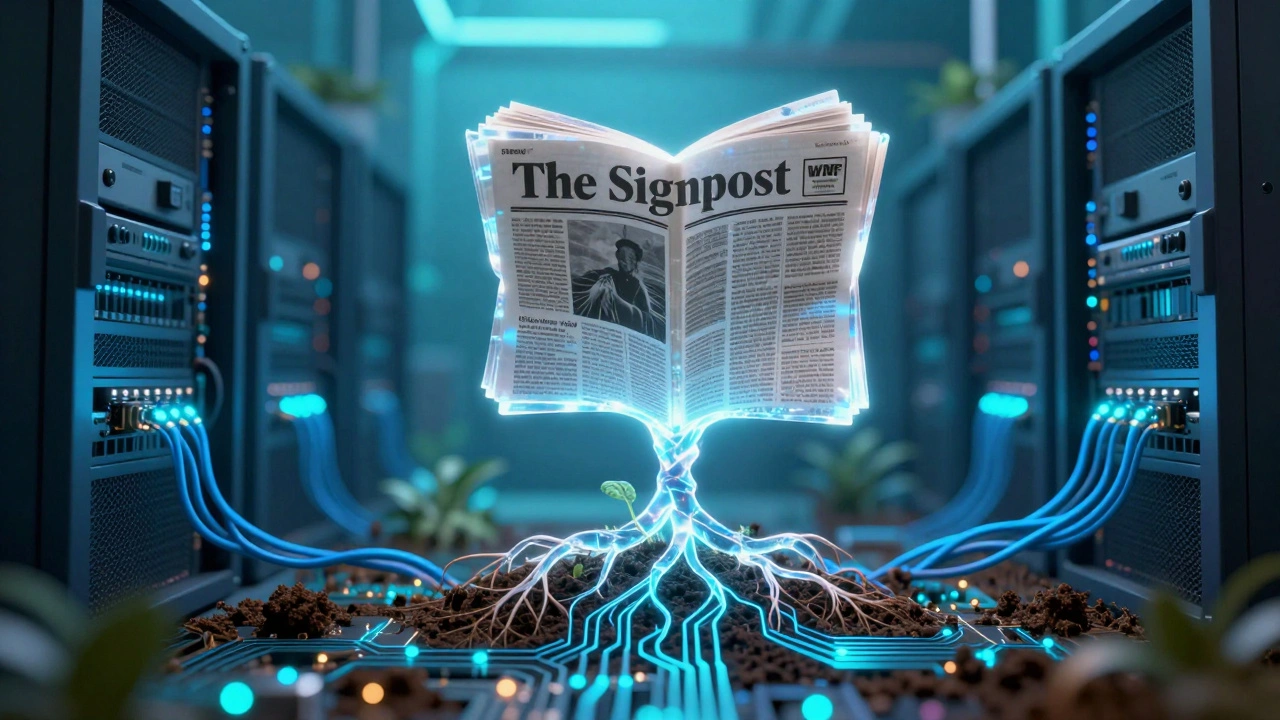
Independence isn't absolute. There are practical strings attached that no one can ignore. The Signpost relies on the WMF for its digital infrastructure. It lives on a Wiki, meaning the WMF controls the hosting. While it is highly unlikely the Foundation would just delete the newspaper because of a bad headline, the technical reality is that the WMF provides the soil in which the Signpost grows.
Beyond servers, there is the issue of access. To get the real scoop, Signpost journalists often need to interview WMF staff or get data that isn't public. This creates a transactional relationship. If the Signpost is too aggressive or unfair, staff might stop talking. If they are too soft, they lose the trust of the community. It's a delicate dance of maintaining professional bridges without becoming a mouthpiece for the administration.
| Feature | Wikimedia Foundation (WMF) | The Signpost |
|---|---|---|
| Legal Status | Registered 501(c)(3) Non-profit | Volunteer Community Collective |
| Primary Goal | Infrastructure, Legal, Funding | Accountability and Community News |
| Staffing | Paid Employees | Unpaid Volunteers |
| Authority | Governance and Policy-making | Observation and Reporting |
The Guardrails of Independence
How does the Signpost stop itself from becoming a mouthpiece? The secret lies in its structure. Since it is run by volunteers, there is no single "CEO" who can be bribed or pressured by the WMF. The editorial board consists of people who are often the loudest critics of the Foundation. For them, the prestige doesn't come from being close to power, but from being the ones who uncover the truth.
They use a peer-review process that is almost as rigorous as the main encyclopedia. Stories are vetted by other community members, and the comment sections of the Signpost are notorious for being brutal. If a reporter is being too soft on the WMF, the community calls them out in real-time. This internal accountability acts as a shield, ensuring that the editorial line remains aligned with the users, not the executives.
Case Studies in Friction
Look at how they handle the Wikipedia governance disputes. When the WMF proposes changes to the Terms of Use or the way the Wikimedia Board of Trustees is elected, the Signpost doesn't just reprint the press release. They interview dissenting voices, dig into the history of similar failures, and provide a critical analysis that often contradicts the Foundation's official narrative.
One specific example is the coverage of the "Global South" initiatives. While the WMF might present these as a seamless success in their annual reports, the Signpost often highlights the struggle of local chapters to get funding or the technical barriers that make these initiatives feel like "top-down'" impositions. This is the hallmark of a truly independent press: it reports the gaps between the corporate promise and the user experience.
The Risk of "Regulatory Capture"
There is always a danger of what sociologists call regulatory capture-where the watchdog becomes too cozy with the entity it's watching. In the context of the Signpost, this happens through social ties. Many long-term Signpost editors are also highly active in other WMF-adjacent committees. They might have dinner with the people they are reporting on.
To fight this, the Signpost maintains a culture of transparency. By operating on an open-edit platform, every change, every deleted sentence, and every source is visible. You can literally see the history of an article to determine if a specific point was watered down after a conversation with a WMF staffer. This level of transparency is something a traditional newspaper like the New York Times cannot offer, and it is the Signpost's strongest weapon against bias.

What Happens When the Relationship Breaks?
What if the WMF decided that the Signpost was "too toxic'" and decided to shut it down? This is the ultimate fear. However, the Signpost is more than just a Wiki project; it is a cultural institution. The backlash from the community would be catastrophic for the WMF's reputation. The Foundation knows that the Signpost provides a necessary safety valve. By allowing a space for criticism, the WMF avoids the perception that they are a secretive, authoritarian regime.
The relationship is essentially a social contract. The WMF provides the platform and the access, and in exchange, the Signpost provides a legitimate, community-vetted channel for grievance and discussion. It's not a perfect system, but it's a functional one that mirrors the broader tension between centralized authority and decentralized community power.
Does the Wikimedia Foundation pay the writers for The Signpost?
No. The Signpost is entirely volunteer-run. No one on the editorial team receives a salary from the WMF for their work on the newspaper, which is a key reason why they can maintain their independence.
Can the WMF censor articles in The Signpost?
Technically, the WMF has the power to modify any content on its servers. However, doing so would be a massive violation of community trust and would be immediately visible through the page history logs, making it a PR nightmare they generally avoid.
Who decides what stories get covered?
The editorial board of volunteers decides the coverage based on community interest, urgency, and the potential impact on Wikipedia's ecosystem. They don't take direction from the WMF.
Is The Signpost the only news source for Wikipedia?
While it's the most prominent, there are various community blogs, mailing lists, and social media groups where news breaks. However, the Signpost is the only one with a formal editorial process and an archive.
How can a regular editor contribute to The Signpost?
Anyone with a Wikipedia account can typically suggest stories, provide tips, or volunteer to help with editing and reporting, provided they follow the publication's guidelines for neutrality and sourcing.
Next Steps for Community Watchdogs
If you're interested in how community journalism works, the best thing you can do is watch the "Talk" pages of the Signpost. That's where the real battle for editorial independence happens-in the arguments over which words to use and which sources to trust. If you see a story that feels too polished, challenge it. The strength of the Signpost isn't in its perfection, but in its willingness to be corrected by the people it serves.