Quick Summary: Who Holds the Keys?
- Stewards: The ultimate safety net. They handle cross-wiki requests and can grant almost any right across all projects.
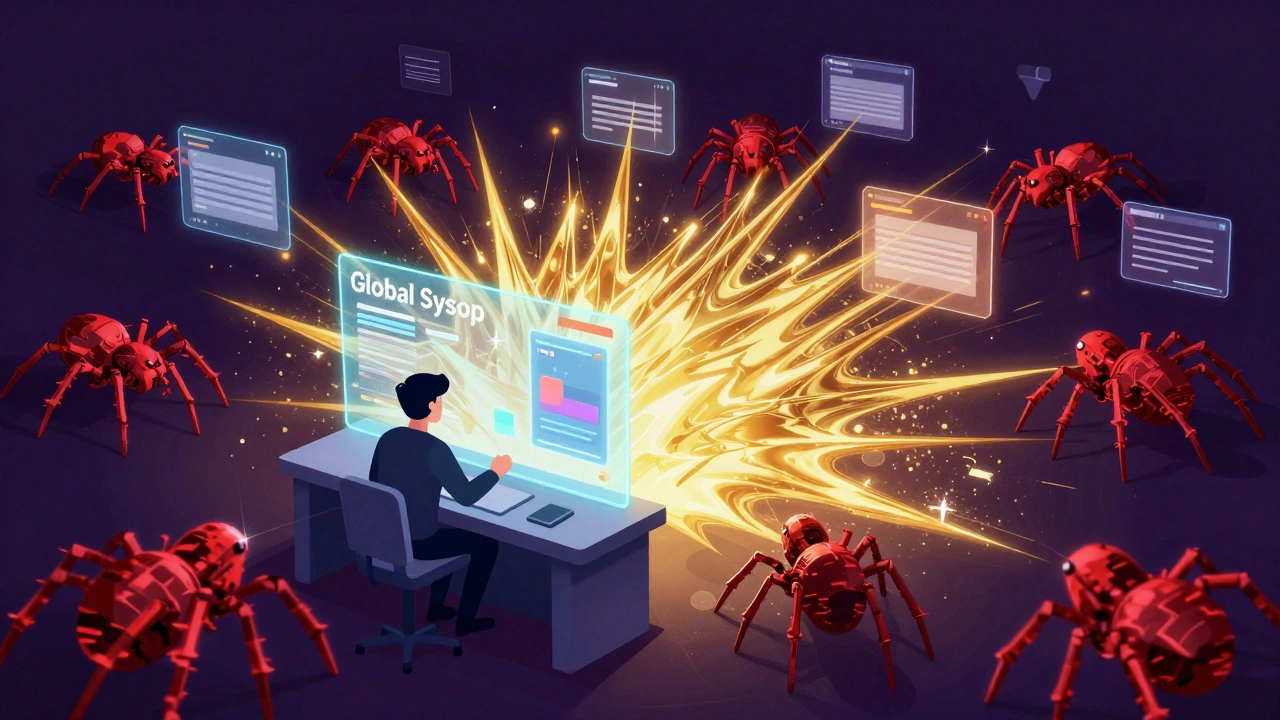
- Global Sysops: High-level moderators who can block users or protect pages across multiple sites to stop spam and vandalism.
- Local Admins: The frontline defenders who manage a single language or project (like Wikipedia or Wikidata).
- Governance: A delicate balance between decentralized community rule and centralized emergency technical control.
To understand how this works, we first need to define the central entity of this power structure. Wikimedia Governance is the system of rules, rights, and community-driven processes that manage the operation of all projects hosted by the Wikimedia Foundation. Unlike a corporate company with a CEO, this model relies on a distributed hierarchy where power is granted based on trust and necessity, rather than a job title.
The Steward: The Ultimate Safety Net
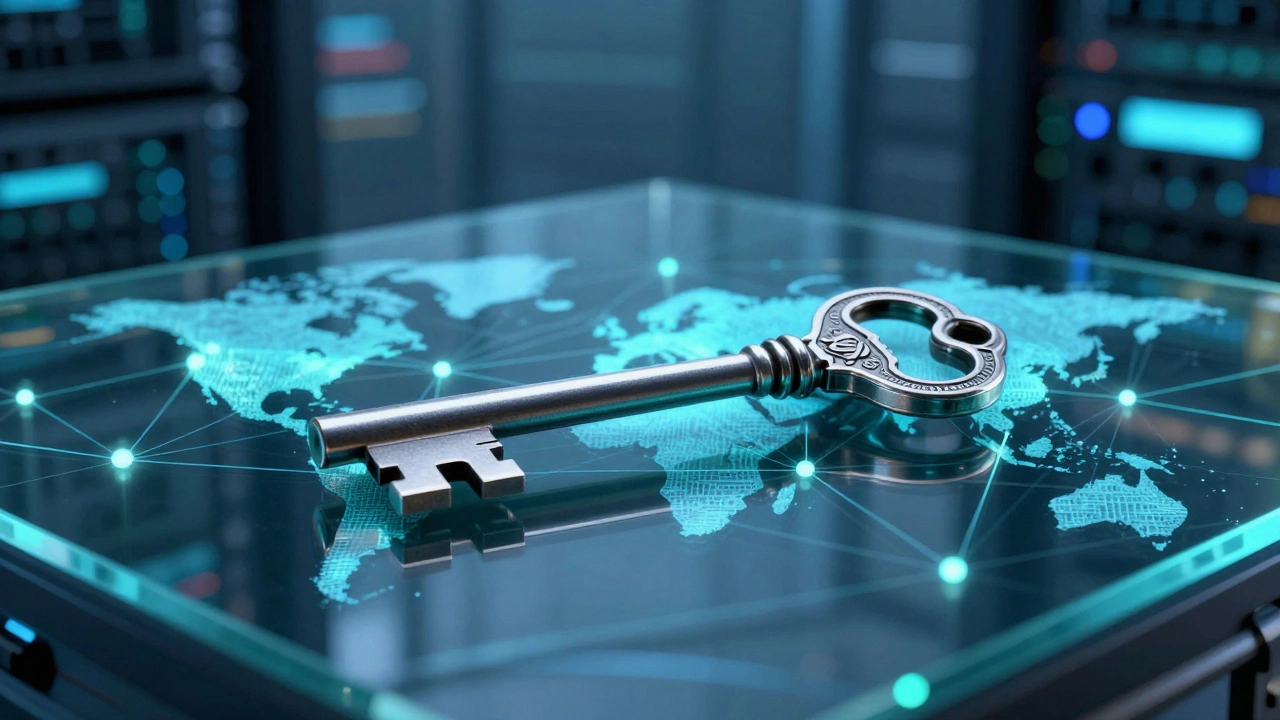
If the Wikimedia world were a building, the Steward would be the person with the master key to every single room, including the basement and the server room. A Steward is not a staff employee of the foundation, but a trusted volunteer. Their primary role isn't to patrol the wikis for bad edits, but to act as a technical fail-safe.
Stewards handle the "Global Requests." Have you ever wondered how a user moves their account from the English Wikipedia to the French one? Or how a user gets a username change that applies across the entire ecosystem? That is a Steward's job. They ensure that the User Rights system remains consistent. If a project's local administrators are unable to act-perhaps due to a massive community dispute or a technical glitch-the Steward can step in to prevent the site from becoming unusable.
The power of a Steward is immense. They can grant any right, including the ability to become an administrator, to anyone on any project. Because this is so dangerous, the group of Stewards is kept very small and is subject to intense community scrutiny. They don't typically involve themselves in content disputes; they only intervene when the technical integrity of the project is at stake.
Global Sysops: The Multi-Project Police
While Stewards are the "emergency glass" you break in a crisis, Global Sysops (often referred to as Global Admins) are the active patrol. A standard administrator only has power over one project. However, a Global Sysop has permissions that span across the entire Wikimedia ecosystem, allowing them to fight battles that cross borders.
Think about a massive spam attack. A bot might create 5,000 accounts and start posting gambling links across Wikipedia, Wikivoyage, and Wikibooks simultaneously. If a local admin had to block these users one by one on every single site, the bots would win. A Global Sysop can use a Global Block, which instantly bans a user across every single Wikimedia project in one click. This efficiency is critical for maintaining the quality of the Knowledge Graph and preventing the platform from becoming a billboard for advertisers.
Global Sysops also handle "Global Renames." If a user's identity is compromised or they need a name change for legal reasons across all projects, the Global Sysop manages the transition. They act as a bridge between the rigid local rules of a project and the fluid needs of a global user base.
Comparing the Layers of Authority
It is easy to confuse these roles because they both involve "global" permissions. However, their purpose and daily activities are completely different. One is about technical administration, while the other is about behavioral enforcement.
| Feature | Local Administrator | Global Sysop | Steward |
|---|---|---|---|
| Scope of Power | Single Project | Cross-Project | Entire Ecosystem |
| Primary Goal | Content Moderation | Anti-Spam/Vandalism | System Integrity |
| Can Grant Rights? | No | No | Yes |
| Typical Action | Reverting an edit | Global User Block | Account Rename |
The Tension Between Centralization and Community
The existence of these rights creates a philosophical tension. Wikimedia is built on the idea of Decentralization. The belief is that the people who write the articles in a specific language are the best judges of how that project should be run. If the Wikimedia Foundation-the non-profit that owns the servers-had total control, the community would feel like employees rather than volunteers.
This is why Stewards and Global Sysops are mostly volunteers. Their authority isn't derived from a corporate contract, but from community trust. However, this creates a "Who guards the guardians?" problem. If a Steward makes a mistake, there is no "Super-Steward" above them. The only real check is social pressure and the threat of the community demanding their removal through a consensus-driven process.
When a Global Block is applied, it can sometimes clash with local project rules. For example, a user might be banned globally for behavior on the English Wikipedia, but the Japanese community might feel that user is helpful to their specific project. In these cases, local administrators can "exempt" a user from the global block, asserting the primacy of local governance over global enforcement.
How Rights are Granted: The Path to Power
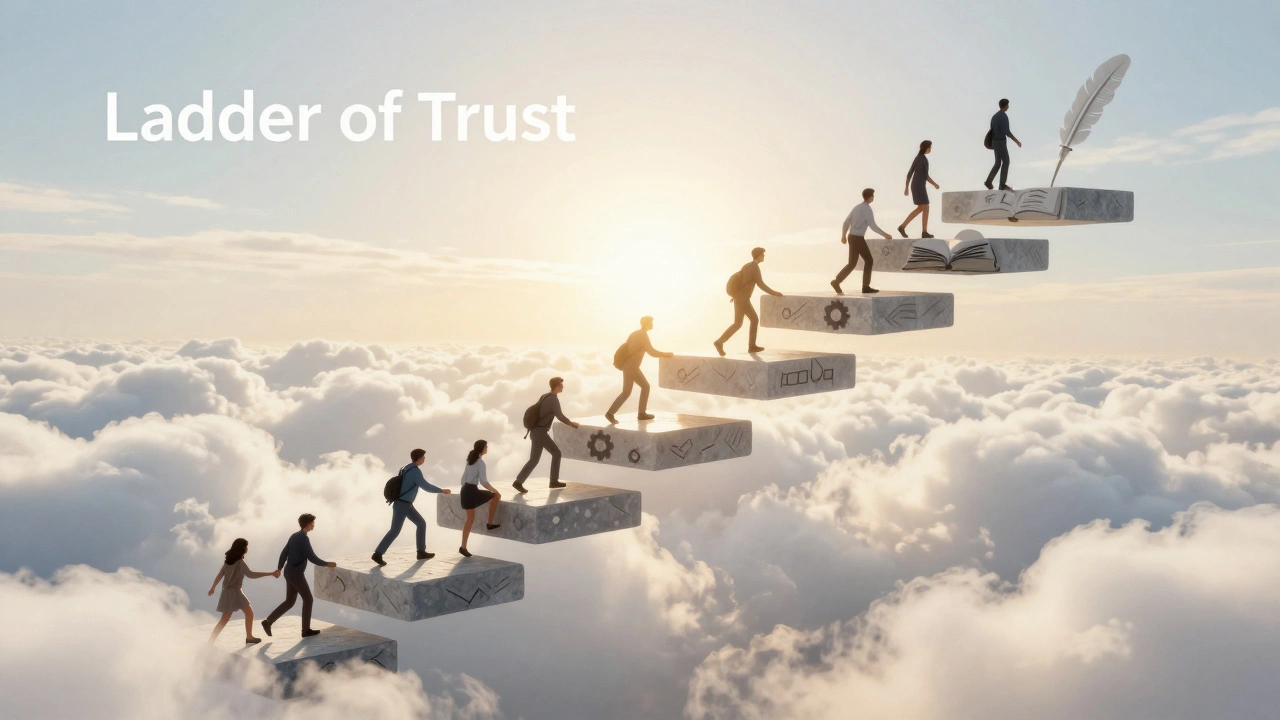
You can't just apply for the role of a Steward. The process is designed to be slow and cautious to prevent a power grab. For local administrators, the process is usually an Request for Adminship (RfA), where the community votes on a candidate's trustworthiness and a track record of helpful edits.
For Global Sysops, the requirements are even steeper. A candidate must usually be a seasoned administrator on at least one project and be nominated by others who recognize their ability to handle the stress of global moderation. Stewards are the rarest of all; they are typically selected from the most trusted members of the community who have shown an unwavering commitment to the Wikimedia Codex-the set of guiding principles for the movement.
This ladder of trust ensures that those with the most power have the most "skin in the game." By the time someone becomes a Steward, they have spent years navigating the complex social dynamics of the wikis, making them less likely to abuse their power for personal gain.
Common Pitfalls and Governance Risks
Even with this sophisticated system, risks remain. One major pitfall is Over-Blocking. A Global Sysop might ban a range of IP addresses to stop a botnet, accidentally blocking thousands of legitimate users in a specific country. This is why the Oversight system exists-a separate set of rights that allows a few trusted users to hide sensitive information (like a user's real name) from the public logs to protect privacy.
Another risk is the "Single Point of Failure." If the small group of Stewards were to disappear or be compromised, the foundation would have to step in with raw database access to fix the issue. This is why the movement constantly works to document these roles and ensure a pipeline of new, trusted volunteers is always ready to step up.
Can a Steward delete an article on Wikipedia?
Technically, yes, because they have the power to grant themselves any right. However, they almost never do this. Stewards follow a strict code of conduct and only use their powers for technical or global administrative needs, not for content moderation. Deleting an article is a job for local administrators.
What is the difference between a Global Sysop and a Wikimedia Foundation employee?
A Global Sysop is a community volunteer with specific technical rights to block users across wikis. A Foundation employee (like a developer or community liaison) works for the organization that provides the funding and servers. While some employees may have high-level access, they are generally discouraged from interfering in the community-led governance of the wikis.
How do I request a global username change?
You must submit a request at the "Steward" page on Wikimedia Meta. You'll need to provide your current username, the desired new username, and a reason for the change. A Steward will then review the request to ensure it doesn't violate any policies before executing the change across all projects.
Can a Global Block be overturned?
Yes. While a Global Sysop applies the block, a local administrator on a specific project can grant a "global block exemption." This allows a user to edit a specific project even if they are banned from the rest of the Wikimedia ecosystem.
Why are there so few Stewards?
Because the role carries absolute power. If too many people had Steward rights, the risk of an account being hacked or a rogue user causing widespread damage would increase. Keeping the circle small ensures a higher level of security and a stronger system of mutual accountability.
Next Steps for New Contributors
If you are new to the movement and want to eventually move up the governance ladder, don't rush into requesting rights. The best path is to focus on Content Quality first. Start by making meaningful edits, participating in community discussions on talk pages, and helping other users. Trust is the primary currency in the Wikimedia world.
For those who enjoy the technical side of things, explore Meta-Wiki. This is the "wiki for wikis" where the governance discussions actually happen. By observing how Stewards and Global Sysops handle requests and disputes, you can learn the unwritten rules of the ecosystem before you ever apply for a role. Remember, in this system, the less power you actively seek, the more the community tends to trust you with it.