Getting blocked on Wikipedia isn’t like getting kicked off a social media platform. It’s not random. It’s not personal. It’s a process - and if you’ve been blocked, it means someone, somewhere, believes you’ve crossed a line. Maybe you edited too aggressively. Maybe you kept reverting others’ changes. Maybe you used multiple accounts to push a single viewpoint. Whatever the reason, being blocked doesn’t mean you’re done. It means you need to appeal - and that’s possible.
Why People Get Blocked on Wikipedia
Wikipedia blocks users to protect the integrity of its content. The platform doesn’t ban people for being wrong. It bans them for disrupting the editing process. The most common reasons? Edit warring, sockpuppetry, personal attacks, and persistent violation of neutral point of view (NPOV). A block isn’t punishment. It’s a cooling-off period. The system assumes most editors just need space to reset their approach.Blocks range from a few hours to indefinite. Most are temporary. But if you’ve been blocked for more than a week, especially with no explanation, you’re likely dealing with a complex conflict. That’s when you need to appeal - not just ask to be unblocked, but show you understand what went wrong.
How to Appeal a Block
The first step is always the same: read your block notice. It should include the reason, the duration, and the name of the administrator who issued it. That’s your starting point. Don’t ignore it. Don’t rage-comment on your talk page. Don’t create a new account. That’s sockpuppetry - and it’ll make things worse.Go to your user talk page. Write a clear, calm message. Start by acknowledging the block. Say something like: “I received my block on January 2 and understand it was due to edit warring on the [topic] page. I now see how my actions disrupted the consensus process.”
Then, explain what you’ve learned. Not what you think you did right. What you did wrong. Did you assume your sources were better? Did you dismiss feedback because you thought you knew better? Admit it. Editors respect honesty more than excuses.
Finally, say what you’ll do differently. Not vague promises like “I’ll be nicer.” Say: “I will now use the talk page before making major changes. I will wait 24 hours before reverting. I will cite reliable sources even if they contradict my view.” Specifics matter.
Post this on your talk page. Then wait. Don’t ping admins. Don’t flood the Administrators’ Noticeboard. Let it sit. If your appeal is clear and sincere, someone will respond - usually within 3-7 days.
What Happens After You Appeal
If your block was issued by a regular administrator, they might lift it themselves. If it was a long-term or global block, your appeal goes to the Arbitration Committee - Wikipedia’s highest dispute body. This isn’t a court, but it’s the closest thing Wikipedia has.The Arbitration Committee handles serious cases: repeated blocks, coordinated editing campaigns, harassment, and systemic bias. They don’t decide if your edits were right or wrong. They decide if your behavior made editing impossible for others.
When your case reaches them, you’ll be asked to submit a formal statement. This isn’t a debate. It’s a reflection. You’ll need to show:
- That you’ve read Wikipedia’s core policies: NPOV, No Original Research, Verifiability
- That you’ve reviewed your edit history and can identify problematic patterns
- That you’re willing to accept oversight - even if it means editing under supervision
Many appeals fail because people treat it like a negotiation. It’s not. The Committee doesn’t want to hear why you’re right. They want to know how you’ll stop being a problem.
Common Mistakes in Appeals
Most appeals fail for the same reasons. Avoid these:- Blaming others - Saying “I was only responding to their attacks” won’t work. You’re responsible for your own actions.
- Threatening to leave - “I’ll just go edit elsewhere” sounds like you don’t care about the project. You do care - that’s why you’re appealing.
- Using emotional language - “I’ve been harassed!” or “This is unfair!” comes across as defensive. Stick to facts and behavior.
- Ignoring the block reason - If you were blocked for sockpuppetry, don’t pretend you didn’t know what that meant. Look up the policy. Cite it in your appeal.
- Appealing too soon - If you were blocked for 24 hours, wait until it’s over. Don’t rush. Use the time to reflect.
One editor I know was blocked for six months after editing a controversial political article. He didn’t appeal until month five. He spent that time reading Wikipedia’s conflict resolution guides, studying the talk pages of the articles he’d edited, and writing down every mistake he’d made. When he finally appealed, he included a 1,200-word reflection. He was unblocked with a probationary status - and now he’s one of the most respected editors on that topic.
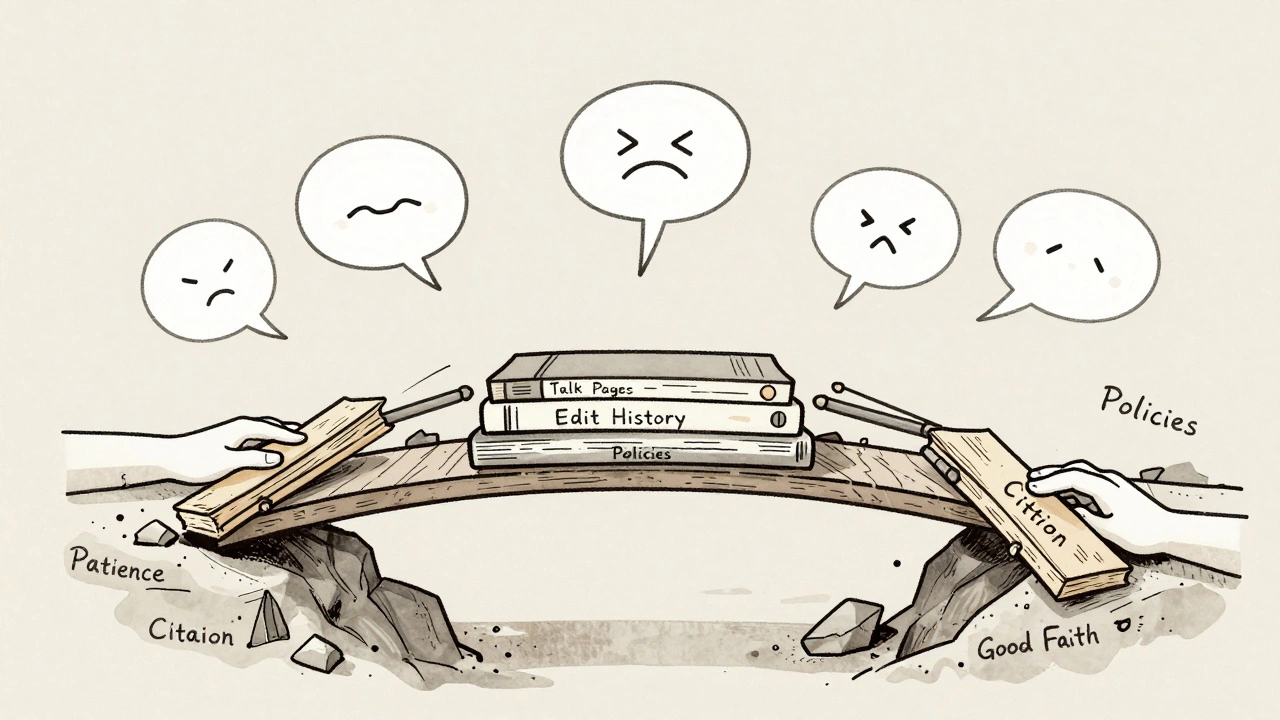
What If Your Appeal Is Denied?
If your appeal is denied, you’re not out of options - but you need to be realistic. A denial usually means one of two things: you didn’t show enough change, or your behavior was too disruptive to allow re-entry.If you still want to contribute, you can try:
- Editing anonymously - Use a public library or school computer. No account. No history. Just edit. You can’t be blocked if you’re not logged in.
- Contributing in low-conflict areas - Fix typos in articles about biology, geography, or classic literature. These topics have fewer disputes.
- Waiting and trying again - Many editors come back after a year. They’ve changed. They’ve matured. They understand the culture.
There’s no guarantee you’ll be reinstated. But Wikipedia is open. If you prove you can edit without disruption, the community will let you back in. It’s not about forgiveness. It’s about behavior.
How to Avoid Getting Blocked in the First Place
The best appeal is the one you never have to make. Here’s how to stay off the radar:- Use talk pages before editing - If you’re planning a big change, start a discussion. Say: “I’d like to restructure this section. What do you think?”
- Don’t revert without explanation - If you undo someone’s edit, leave a note: “This source is not reliable. Here’s a better one.”
- Assume good faith - Even if someone seems hostile, they might just be new. Give them space to learn.
- Know when to walk away - If a topic is sparking constant conflict, step back. Edit something else. Come back later.
- Read the policies - Seriously. Don’t just skim. Read NPOV, Verifiability, and No Original Research. They’re not suggestions. They’re the rules.
Wikipedia doesn’t need more editors. It needs better ones. Editors who listen. Who adapt. Who care more about the article than their ego.
When to Seek Help
If you’re stuck, don’t guess. Ask for help. The Administrators’ Noticeboard is for urgent issues. The Mediation Committee is for ongoing disputes. And the Wikipedia:Help Desk is for general questions.Don’t be afraid to say: “I don’t understand how to edit here.” Most experienced editors will help - if you’re polite and open to learning. You’d be surprised how many people got blocked because they didn’t know the rules.

What Happens to Your Edit History?
Your edit history doesn’t disappear when you’re blocked. It stays. It’s public. And it’s part of your reputation. Even if you’re unblocked, admins will look at your past edits. If you’ve made the same mistakes before, they’ll assume you’ll make them again.That’s why change has to be real. Not just in your appeal - in your actions. If you’ve edited 200 times in six months and 150 of them were reverts, you’re not a contributor. You’re a disruptor. Fix that pattern, and you’ll find people are willing to give you a second chance.
Final Thoughts
Wikipedia’s conflict resolution system isn’t perfect. It’s slow. It’s bureaucratic. It can feel cold. But it’s designed to protect the encyclopedia - not punish individuals.If you’ve been blocked, you’re not a bad person. You’re just someone who got caught in a system that values collaboration over conviction. The path back isn’t about winning an argument. It’s about showing you’ve learned how to work with others.
Thousands of editors have been blocked. Thousands have come back. The difference? They didn’t fight the system. They learned how to live in it.
Can I appeal a Wikipedia block if I didn’t know the rules?
Yes. Not knowing the rules isn’t an excuse, but it’s not a barrier either. The key is showing you’ve learned them since your block. In your appeal, mention that you’ve read Wikipedia’s core policies - NPOV, Verifiability, and No Original Research - and explain how you’ll apply them going forward. Many unblocks happen because editors admit they didn’t understand the system - and now they do.
How long does a Wikipedia appeal take?
Simple blocks handled by individual administrators usually take 3-7 days. Cases escalated to the Arbitration Committee can take 4-12 weeks. The timeline depends on the complexity of the conflict and how much evidence needs review. Don’t rush it. Patience is part of the process.
Can I create a new account after being blocked?
No. Creating a new account to bypass a block is called sockpuppetry, and it’s a serious violation. If detected, your new account will be blocked too - and your original appeal will be dismissed. Even if you think you’re “starting fresh,” Wikipedia tracks IP addresses, editing patterns, and behavioral fingerprints. The system is designed to catch this.
What if I’m blocked for editing a controversial topic?
Editing controversial topics is allowed - even encouraged. But the rules are stricter there. If you’re blocked, it’s not because the topic is sensitive. It’s because your edits disrupted consensus. Focus your appeal on how you’ll follow Wikipedia’s neutral point of view policy, cite reliable sources, and avoid edit warring - not on whether the topic itself is fair.
Will my appeal be public?
Yes. All appeals, discussions, and decisions on Wikipedia are public. This transparency is intentional. It ensures accountability and helps others learn from past conflicts. Don’t say anything in your appeal you wouldn’t want anyone to read. Keep it factual, respectful, and focused on behavior, not emotion.
Next Steps If You’re Still Blocked
If you’ve appealed and been denied, don’t give up. Use the time to:- Study how experienced editors handle disputes - read the talk pages of well-maintained articles
- Practice editing in low-stakes areas like fixing typos in biographies or updating population data
- Join the Wikipedia:Teahouse - a friendly space for new and returning editors to ask questions
- Wait at least six months before trying to appeal again - real change takes time
Wikipedia survives because its editors care more about the truth than their pride. If you can learn to do the same, you’ll find your way back.