Key Takeaways
- Print media focuses on the 'why' and the long-term implications of Wikipedia edits.
- TV news uses Wikipedia as a visual tool to show the 'chaos' of real-time updates.
- Radio relies on the narrative tension of the 'edit war' to keep listeners engaged.
- The shift from static to dynamic sourcing has forced a rewrite of traditional journalistic ethics.
The Depth of Print: Analyzing the Paper Trail
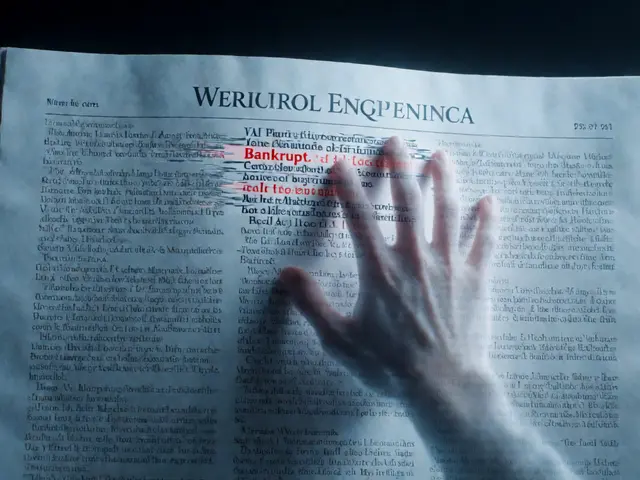
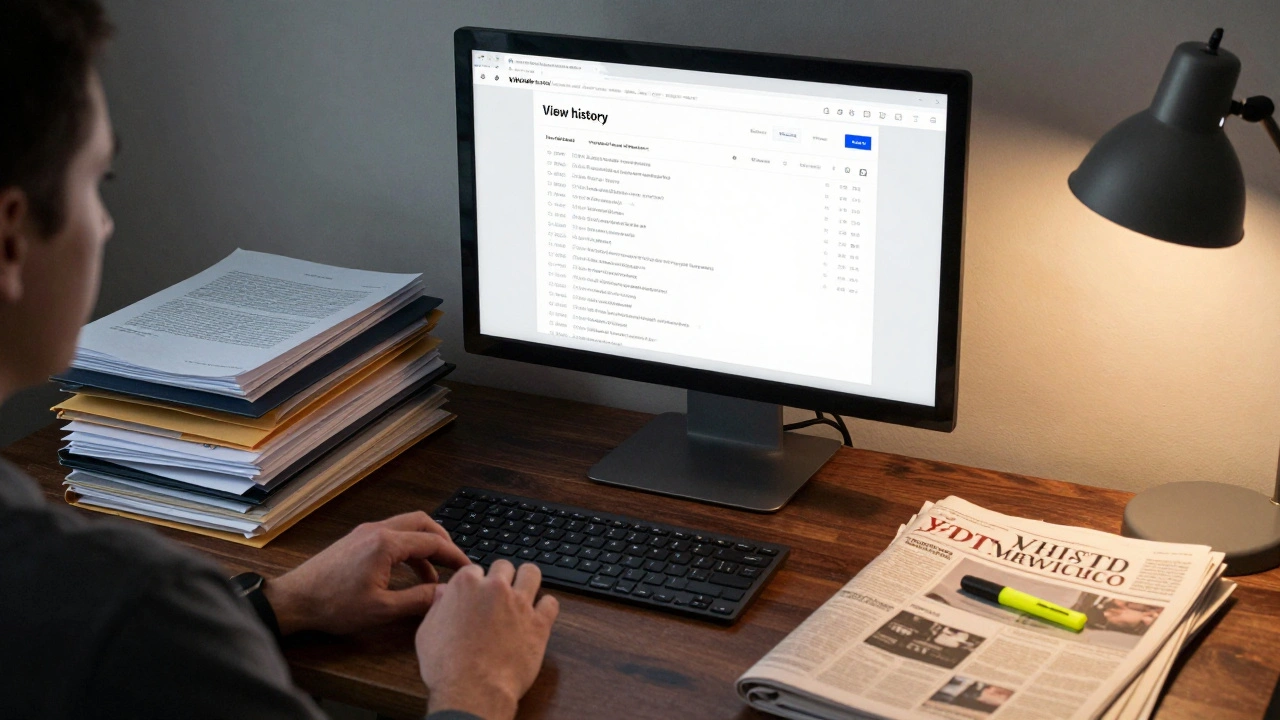
When a newspaper decides to cover a story originating from Wikipedia, they aren't interested in the five-minute window of a trending topic. Print journalism lives and breathes in the space of context. For a print reporter, the story isn't that a page was changed; the story is who changed it and why it matters in the grand scheme of things. Print outlets treat Wikipedia like a digital archive. They use the "View history" tab to track the evolution of a narrative. If a politician's biography is suddenly scrubbed of a controversy, a print journalist will spend hours cross-referencing those deletions with public records. They look for patterns. Was the edit made by a known bot? Was it a coordinated effort by a PR firm? Because they have the luxury of space and time, print media can explore the sociology of the platform. They might write a 2,000-word feature on the "Wiki-wars" surrounding a disputed historical event, interviewing the volunteer editors and the academics who fight over a single comma. The goal is to provide a definitive record. While a tweet is a moment, a print article is a monument. They transform the ephemeral nature of a wiki edit into a structured analysis of power and information control.TV Journalism: The Visual Spectacle of the Edit
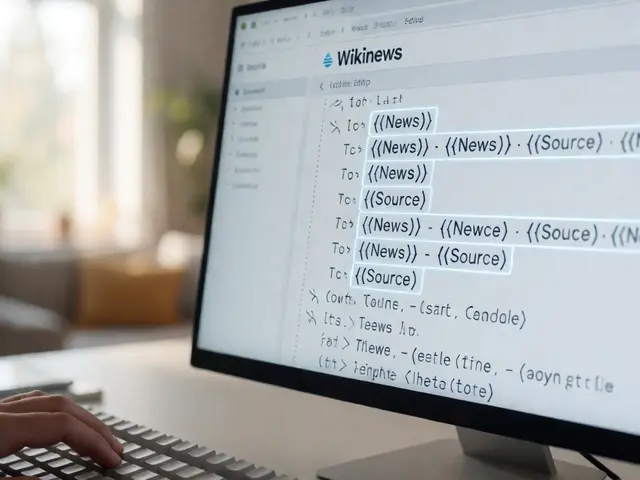
Television is a different beast entirely. It doesn't have the room for a deep dive into the history of a talk page, but it has the power of a visual hook. For a TV news producer, Wikipedia is often used as a shorthand for "the internet's consensus." When a breaking news story hits, you'll often see a TV anchor point to a screen showing a Wikipedia page. They aren't just citing a source; they are using the page as a visual prop. If a story is unfolding-say, a sudden death of a public figure-the TV crew will highlight the "Recently Updated" aspect. They love the drama of the "live update." They might show a screen recording of a page being edited in real-time to illustrate how quickly misinformation can spread. Broadcast Journalism is built on the premise of immediacy. While a print reporter asks, "What does this mean for the next decade?", a TV producer asks, "How does this look on camera right now?" This leads to a focus on the sensational. A "Wikipedia battle" becomes a visual montage of conflicting screenshots. The nuance of the site's complex guidelines is often stripped away in favor of a narrative about "internet chaos." The visual evidence of a page being locked by administrators serves as a climax to the segment, signaling to the viewer that the situation has reached a boiling point.Radio: Turning Data into Narrative Drama
Radio occupies a strange middle ground. It has the immediacy of TV but the descriptive nature of print. Since there are no visuals, radio journalists must paint a picture of the digital conflict using words. This is where the "story" of Wikipedia becomes a sonic experience. In a radio segment, the focus shifts to the voice and the tension. A reporter won't just say a page was edited; they'll describe the atmosphere of the dispute. They might use audio clips from a podcast or a Zoom call with a frustrated editor. The narrative becomes about the human struggle behind the screen. Radio thrives on the "he said, she said" dynamic. When reporting on a Wikipedia controversy, a radio host will frame it as a battle of wills. They describe the "digital trenches" and the "silent war" happening in the edit summaries. Because the listener is often multitasking-driving to work or cleaning the house-the journalist simplifies the technical side of the wiki and amplifies the emotional side. The technicality of a "citation needed" tag is translated into a story about a quest for truth or a desperate attempt to hide a secret.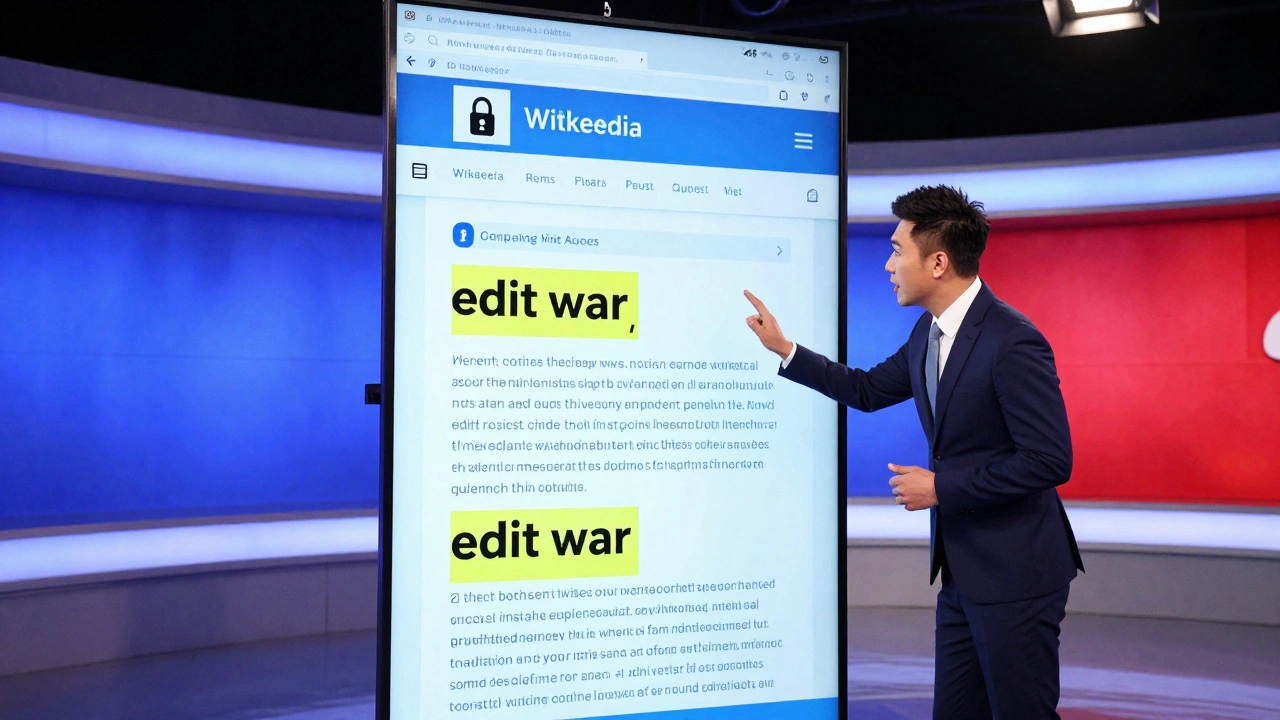
Comparing Media Approaches to Digital Sourcing
To see how these differ in practice, look at how they handle a specific event, like a celebrity's sudden change in public image reflected on their page.| Feature | Print Media | TV News | Radio Broadcasts |
|---|---|---|---|
| Primary Goal | Context & Analysis | Visual Impact | Narrative Tension |
| Use of Wikipedia | As a historical record | As a visual prop | As a plot point |
| Key Metric | Accuracy of the timeline | Current trend/virality | Emotional resonance |
| Sourcing Style | Cross-referenced with archives | Screen-grabs & live feeds | Interviews & descriptions |
The Ethics of the 'Wiki-Sourced' Story
Across all three mediums, a fundamental tension exists: the reliability of the source. Traditional Journalism is based on verified, primary sources. Wikipedia, by definition, is a tertiary source. Print journalists often struggle with this the most because their reputation relies on being the "record of truth." If they report a Wikipedia edit as a fact and it turns out to be a prank, the error stays in the archive forever. This is why print media often reports *about* the Wikipedia edit rather than reporting the *content* of the edit as truth. They report the *event* of the change. TV news handles this with a "disclaimer" approach. They'll say, "According to their Wikipedia page..." which subtly shifts the responsibility away from the network and onto the platform. It allows them to report something quickly while maintaining a layer of plausible deniability. Radio journalists tend to use the ambiguity to their advantage. By framing the story as a "digital mystery" or a "community dispute," they avoid having to claim absolute truth. They focus on the *process* of the community trying to figure it out, making the uncertainty part of the appeal.
The Impact of Real-Time Updates on News Cycles
The speed of Wikipedia has fundamentally changed the news cycle. In the past, a print journalist had until the morning edition to verify a fact. Now, the "edit war" happens in seconds, and the news is out on social media before the journalist even opens their browser. This has led to a phenomenon called "circular reporting." A TV station reports that a Wikipedia page has been updated with a specific claim. A print reporter sees that TV report and writes a story about the "buzz" surrounding the update. Then, a Wikipedia editor sees the print story and adds it to the page as a source. Suddenly, a rumor has become a "fact" because it traveled through three different media formats. To fight this, modern newsrooms are implementing stricter Editorial Standards. They are training reporters to recognize the difference between a "stable" page and a "volatile" one. They are learning that a page with a "disputed" banner at the top is not a source, but a signal that a larger story is happening.Future Directions: The AI Integration
As we move further into 2026, the line between these mediums is blurring. Print outlets now have digital versions that update as fast as TV, and TV news incorporates long-form analytical pieces that feel like print. The introduction of AI-driven summaries is adding another layer to this. We are seeing the rise of "automated reporting" where an AI monitors Wikipedia's API for significant changes in high-profile pages and automatically drafts a news alert. This removes the human element of judgment-the very thing that separates a print analysis from a TV highlight. The danger here is the loss of nuance. An AI might see a change in a date and report it as a "correction," while a human journalist would see that the change was a deliberate attempt to mislead. Ultimately, the way we consume these stories tells us more about the medium than the message. If you want to know what happened, you watch the news. If you want to know why it happened, you read the paper. And if you want to feel the drama of the conflict, you listen to the radio.Why can't journalists just use Wikipedia as a primary source?
Wikipedia is a tertiary source, meaning it summarizes other sources. Journalistic ethics require primary sources (eyewitnesses, original documents) or secondary sources (expert analysis) to verify a fact. Using Wikipedia as a primary source risks spreading "circular reporting" where a rumor is cited as a fact simply because it appears on a popular site.
What is an 'edit war' in the context of news reporting?
An edit war occurs when two or more editors repeatedly overwrite each other's changes to a page. For journalists, this is often the most interesting part of the story because it reveals a conflict of interest or a struggle over how a person or event should be remembered by history.
How does TV news typically verify a Wikipedia story?
TV news often relies on the "social proof" of the update-seeing that it is being discussed on social media or that the page has been locked by administrators. While they may not do the deep archival research that print media does, they will usually try to contact the subject of the page for a comment to balance the story.
Does the 'View History' tab help journalists?
Yes, immensely. The 'View history' tab allows journalists to see exactly what was changed, when it was changed, and which user account performed the edit. This is the primary tool for print journalists to uncover coordinated disinformation campaigns or stealth edits by PR professionals.
How does radio reporting differ from TV when covering digital trends?
Radio lacks the visual capability to show screenshots, so it focuses on the narrative and the human voice. Radio journalists translate data points into a story of conflict, using descriptive language to evoke the feeling of a digital battle, whereas TV focuses on the visual evidence of the edit.